Maine State Park Hunting Rules
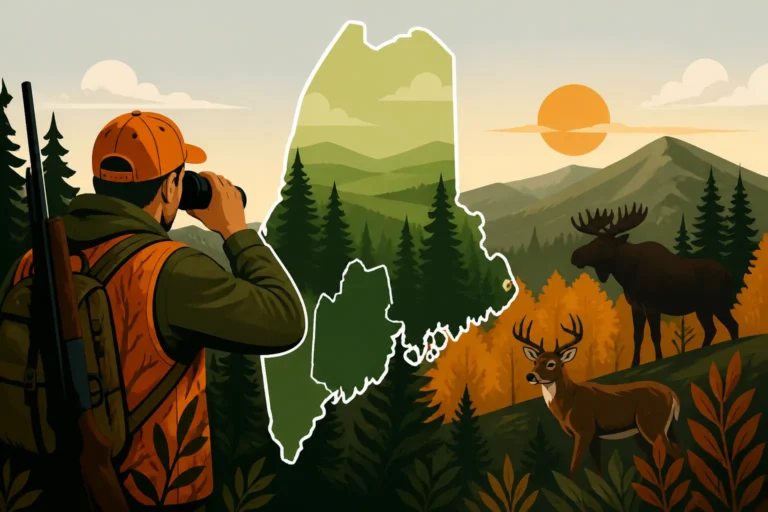
Navigating the world of hunting in Maine can feel like trying to solve a puzzle, especially when you start looking beyond the vast timberlands and into areas that seem, at first glance, off-limits. Many hunters assume state parks are strictly no-hunting zones, a place for hikers and picnickers, not for pursuing game. And while that's often true for much of the country, Maine has a nuanced approach, offering limited, controlled hunting opportunities in some of its state parks, which can be a real boon for local hunters seeking unique access. This guide will walk you through the often-confusing rules and opportunities for hunting within Maine's state parks, helping you understand where, when, and how you might be able to find success in these special landscapes.
Understanding the Unique Landscape of Maine State Parks
Maine is renowned for its immense stretches of wilderness and private land open to hunting, which often overshadows the unique pockets of public land, including its state parks. Unlike some states where state parks are uniformly protected from hunting, Maine's approach is more tailored, leading to both confusion and exciting possibilities for hunters.
The Lure and The Limitations of State Parks for Hunters
Imagine having access to prime habitat that sees less general hunting pressure, often located closer to population centers, and managed for both recreation and conservation. That's the allure of a state park hunt. These areas can offer fantastic opportunities, particularly for deer, due to their protection from development and often excellent forage. However, these opportunities come with significant limitations. State parks are multi-use areas, meaning hunters share the space with hikers, birdwatchers, mountain bikers, and other outdoor enthusiasts. This shared usage necessitates strict rules, limited access, and often a more rigorous application process than simply buying a Maine Hunting Licenses and What They Cost and heading into the woods. The idea isn't to open every inch of every park, but rather to use controlled hunting as a management tool, particularly for deer populations, in a way that minimizes conflict and prioritizes public safety.
Distinction Between State Parks and Public Reserved Land
It's really important to understand that in Maine, not all state-owned land is treated the same when it comes to hunting. When we talk about "state parks," we're referring to specific designated areas managed by the Bureau of Parks and Lands, often with developed facilities like campgrounds, trails, and visitor centers, which are designed for diverse recreational use. These are the places where specific, often restrictive, hunting rules apply.
In contrast, Maine also has extensive "Public Reserved Lands," which are also managed by the Bureau of Parks and Lands, but with a primary focus on multiple uses, including timber harvesting, recreation, and traditional uses like hunting and fishing. Generally, these Public Reserved Lands are much more open to hunting with fewer site-specific restrictions, operating under the general statewide hunting laws. You can think of them as larger, less developed tracts more akin to federal forest lands in other states. The rules for Maine Public Reserved Land Explained are much more straightforward than for state parks. This distinction is crucial, as misinterpreting the rules for one type of land for the other can lead to serious legal trouble and safety concerns. Always verify the specific land designation before planning your hunt.
General Rules and Regulations for Hunting in Maine State Parks
Hunting in Maine State Parks isn't a free-for-all; it's a privilege governed by a specific set of rules that often go above and beyond general statewide hunting laws. These regulations are designed to ensure safety for all park users and to achieve specific wildlife management goals within these unique environments.
Statewide Hunting Laws Still Apply
First and foremost, any hunter venturing into a Maine State Park for hunting must adhere to all general Maine Hunting Licenses and What They Cost and regulations. This means you need the appropriate hunting license, obey season dates for the species you're pursuing, stick to legal methods of take, and respect bag limits. A State Park hunt doesn't exempt you from needing a valid deer tag or knowing the specific season dates for Maine's Four-Week Firearms Deer Season or Bowhunting Maine's Long Archery Season. All the fundamentals of responsible hunting apply, just as they would on private land or other public access areas. You still need to carry your license, wear proper blaze orange when required by law, and follow all firearm safety guidelines.
No Implied Permission in State Parks
Maine has a wonderful tradition of implied permission for hunting on private unposted land. That means, unless a landowner explicitly posts their property as "no hunting" or "no trespassing," you generally have permission to hunt it. This is a privilege that fosters good landowner relations, but it absolutely does not extend to Maine State Parks. State parks are managed public lands, and they operate under their own explicit set of rules. You cannot just show up with your license and assume you can hunt. For state parks, you need explicit permission, often in the form of a special permit or enrollment in a designated quota hunt. Thinking you have "implied permission" in a state park is a common and dangerous misconception that could lead to fines or worse. It's critical to understand What Posted Land Means in Maine and how that principle applies—or rather, doesn't apply—to state parks.
Specific Seasonal and Species Restrictions
Due to the multi-use nature of state parks and their role in local communities, hunting opportunities are almost always highly restricted to specific seasons, species, and even specific areas within a park. You won't find a blanket "open for deer season" sign on the entrance to most state parks. Instead, hunting is typically limited to specific management objectives, often targeting overabundant deer populations in certain zones.
Here's a general overview of common restrictions you might encounter:
- Deer Focus: Most state park hunting opportunities are focused on white-tailed deer, often with an emphasis on antlerless deer to help manage herd numbers. This usually means applying for Maine's Antlerless Permit System.
- Archery Only: To minimize disturbance and enhance safety in areas with high non-hunting foot traffic, many state park hunts are restricted to archery only, particularly during the expanded archery season. This extends the season into December in some areas, offering a unique late-season opportunity.
- Muzzleloader Opportunities: While less common than archery, some parks might offer limited muzzleloader hunts, usually outside the peak firearms season.
- Specific Dates: Hunting windows are often very narrow and specific, designed to avoid conflicts with peak visitor times.
- No Other Game: It's rare to find opportunities for bear, moose, or even small game hunting within state park boundaries. The focus is almost exclusively on deer management.
These restrictions are put in place for a reason: to allow for effective wildlife management while keeping other park users safe and preserving the peaceful enjoyment of the park for everyone.
Specific Park Opportunities and Limitations: Quota Hunts and Designated Zones
Hunting in Maine State Parks isn't about general access; it's about highly managed, often lottery-based "quota hunts" in designated areas. These are not walk-in opportunities, and understanding the specific system is key to participating.
Designated Hunting Areas and Quotas
The concept of Maine State Park Deer Quota Hunts is central to hunting in these areas. Instead of open hunting, certain parks or specific sections within them are designated for limited-entry hunts. This means only a predetermined number of hunters are allowed to participate, and usually, these numbers are quite small. For example, a park might decide it needs to remove 20 antlerless deer to manage its population effectively. They would then open a quota hunt for a specific period, perhaps allowing 40 hunters to apply for a tag, with the expectation that roughly half would fill their tags.
These designated areas are carefully chosen to minimize conflict with popular hiking trails, picnic areas, or visitor centers. You won't be hunting right next to a playground, for instance. Hunters are typically provided with detailed maps outlining the specific zones where hunting is permitted, along with clear boundaries of no-hunt zones. Using a mapping tool like onX Hunt can be incredibly helpful here, allowing you to overlay these designated hunt areas with satellite imagery and topographic maps, ensuring you stay within the lines and understand the terrain before you even step foot in the park. This level of precision is vital for success and compliance.
Entry and Exit Points, Parking, and Access
Because these are managed hunts, hunters often have specific entry and exit points, as well as designated parking areas. You can't just park anywhere and disappear into the woods. This is for both safety and administrative reasons—it helps park staff keep track of who is in the hunting area and allows for easier monitoring and enforcement of rules.
Access might also be limited to foot traffic only, or to specific roads. Vehicle access might be restricted to administrative vehicles only within the hunting zone. These details are always outlined in the permit information or hunt instructions you receive. It’s crucial to familiarize yourself with these logistical details well in advance, as improper parking or entry can lead to your permit being revoked or a fine. Always double-check these requirements, especially if you're planning to drag out a deer, as distances can be significant in some park areas.
Special Rules for Archery and Muzzleloader Hunts
As mentioned, many state park hunting opportunities lean heavily towards archery due to safety considerations and the ability to extend seasons with less impact on general park users. If you're participating in an archery hunt, remember that all statewide archery regulations apply, including minimum draw weights and broadhead requirements. Crossbows may be allowed if the hunter is eligible under Maine law. Maine Crossbow Season Eligibility is important to understand if you plan to use one.
Muzzleloader hunts, though less frequent, also come with their own set of rules regarding powder, projectile type, and loading procedures. Given the denser public use of these areas compared to the deep woods, additional restrictions like a shorter effective range or a requirement to carry a sidearm for self-defense (where legal) might be in place, though these are less common. The key takeaway is: do not assume the rules for your typical hunt apply. Always read the specific park hunting regulations thoroughly, and if you have any doubt, call the park office or the Maine Department of Inland Fisheries and Wildlife (MDIFW) directly for clarification.
Permitting and Application Process for State Park Hunts
Hunting in Maine State Parks isn't a spur-of-the-moment decision; it requires foresight, planning, and often participation in a lottery system. This process is designed to manage hunter numbers, ensure safety, and align with the parks' conservation goals.
How to Apply for a State Park Hunt
The primary way to gain access to state park hunting opportunities is through a specific application process, often managed by MDIFW in conjunction with the Bureau of Parks and Lands. These aren't like buying a standard deer tag at your local sporting goods store. Typically, you'll need to monitor the MDIFW website or specific park announcements for details on when and how to apply for these special hunts.
The application period is usually well in advance of the hunting season, similar to applying for a moose permit. You might need to specify your preferred park, the type of weapon you'll be using (e.g., archery only), and the specific hunt dates. There might be a small application fee, separate from your regular hunting license costs. It’s essential to pay close attention to deadlines, as late applications are rarely accepted. Keep an eye out for information on Maine State Park Deer Quota Hunts as these are often the mechanism for these opportunities.
Understanding the Draw and Notification Process
Since these hunts are often limited-entry, a lottery or draw system is commonly used to select participants. You apply, and then a random drawing determines who receives a permit. This can be competitive, especially for popular parks or during prime hunting windows. The notification process will vary, but successful applicants are usually informed by mail or email, with instructions on how to claim their permit and attend any mandatory pre-hunt orientation sessions.
These orientation sessions are critical. They cover specific park boundaries, designated hunting zones, safety protocols, check-in/check-out procedures, and any unique rules for that particular hunt. Missing an orientation might result in forfeiture of your permit. This is where you'll get the detailed maps and information you'll need to properly mark your onX Hunt app, ensuring you're fully prepared and compliant. It's a chance to ask questions and gain a deeper understanding of the specific conditions for your hunt.
Required Licenses and Fees
Before you can even apply for a state park hunt, you'll need to have your basic Maine Hunting Licenses and What They Cost. This typically means a valid Maine Resident or Nonresident Hunting License, and if you're planning on deer hunting, an archery or firearms permit depending on the season and weapon. On top of these standard licenses, there might be:
- Application Fee: A small, non-refundable fee just to enter the lottery.
- Permit Fee: If you are drawn, there might be a fee for the special state park hunting permit itself.
- Antlerless Permit: Many state park deer hunts are specifically for antlerless deer, meaning you'll need to either draw an antlerless permit or be hunting in a WMD where an antlerless permit is not required for the specific dates. Understanding Maine's Antlerless Permit System is therefore crucial.
Always factor these costs into your planning. It's not uncommon for hunters to overlook additional fees associated with special permits, only to be surprised later.
Safety and Ethical Considerations in a Multi-Use Environment
Hunting in a state park presents a unique blend of challenge and responsibility. Unlike hunting in remote wilderness, you are almost guaranteed to encounter other park users who may not be hunters themselves. This demands an even higher level of safety, respect, and ethical conduct.
Coexisting with Other Park Users
The biggest challenge, and arguably the most important consideration, is peacefully coexisting with other park users. State parks are cherished by many for their natural beauty and recreational opportunities, and not everyone who uses them understands or appreciates hunting. This means hunters must go above and beyond to be respectful, visible, and discreet.
- Visibility: Always wear more blaze orange than legally required, even if you are archery hunting. During rifle season, adhere strictly to Maine Blaze Orange Requirements. The more visible you are, the less chance of misunderstanding or concern from other park visitors.
- Respectful Communication: If you encounter non-hunters, offer a polite greeting, maintain a friendly demeanor, and make it clear you are aware of their presence. Explain, if asked, that you are participating in a legal, regulated hunt. Avoid any aggressive or territorial behavior.
- Discretion: Be mindful of where you field dress game, transport harvested animals, and display your weapon. While all these actions are legal, doing them discreetly, especially near high-traffic areas, helps maintain a positive image of hunting.
- Noise: Minimize unnecessary noise. Yelling across the woods, loud calls, or excessive commotion can disturb both wildlife and other park users.
Remember, every interaction you have as a hunter in a state park contributes to the public perception of hunting as a whole. Being a good ambassador is paramount.
Blaze Orange Requirements and Visibility
Maine's blaze orange laws are in place for a good reason, and nowhere are they more critical than in a multi-use state park environment. When the firearms season is open, hunters must wear an article of solid-colored hunter orange clothing (not camouflage orange) that is conspicuously worn on the upper portion of the body and visible from all sides. A minimum of 200 square inches is required, but honestly, in a state park, more is always better. A blaze orange hat, vest, and even an outer jacket are highly recommended.
Even during archery-only hunts, when blaze orange isn't legally mandated, many ethical hunters choose to wear a minimum amount, perhaps a hat, while walking to and from their stand. Once in the stand, discretion can be used, but while moving, visibility is key. The goal isn't just to follow the letter of the law but to ensure that no non-hunter can mistake you for anything other than a fellow human being, clearly visible and exercising caution. This proactive approach helps prevent accidents and fosters a sense of security for everyone in the park.
Retrieving Game and Reporting Harvest
Once you've successfully harvested an animal, the work isn't over. You'll need to adhere to the park's specific rules for game retrieval and, of course, follow all Maine Deer Registration Requirements. Many parks have rules about dragging game out of the woods, especially if it involves crossing main trails or roads during busy times. You might be required to use a cart or a game sled, or even be advised to wait until certain hours to minimize public exposure.
Immediately after harvest, you must register your deer. This can often be done online through the Maine Department of Inland Fisheries and Wildlife's website or app, but some state park hunts might require you to check in with park staff or at a specific registration station within the park. This helps park managers gather essential data on herd health and hunt success. Always know the registration procedure before you hunt. Ignoring these steps can lead to penalties and compromise future hunting opportunities in state parks.
Planning Your Hunt: Tools, Tactics, and Local Knowledge
Successfully hunting in a Maine State Park requires more than just a permit; it demands diligent preparation, strategic thinking, and the effective use of available resources.
Scouting Strategies and Tools
Effective scouting is always crucial, but it takes on a different dimension in a state park. You're looking for deer sign, but you also need to identify high-traffic non-hunting areas, potential pinch points where deer might cross away from human activity, and safe routes to and from your stand.
- Pre-Season Visits: If permitted, visit the park outside of hunting season. Walk the trails, identify dense cover, natural funnels, and potential food sources. Look for rubs, scrapes, and bedding areas. Note where the public generally congregates and where they tend not to go.
- Aerial Imagery and Topo Maps: This is where modern tools shine. Services like onX Hunt are invaluable. You can use their satellite imagery to scout remotely, identifying cover, clearings, and potential travel corridors. Their property line feature is essential for staying within designated hunt zones. The topographic maps will help you understand elevation changes, which can dictate deer movement and where you might find thermal advantages. You can mark potential stand locations, entry routes, and exit strategies directly on the app. While Reading Aerial Photos for North Woods Deer is great for vast timberland, it's equally important for the smaller, more complex landscapes of state parks.
- Trail Cameras: If allowed (check park-specific rules carefully!), trail cameras can provide real-time intelligence on deer activity, movement patterns, and timing, helping you refine your ambush points.
- Reading Sign: Look for fresh tracks, droppings, and browse. In areas with higher human presence, deer can become highly nocturnal or stick to the densest cover. Identifying these sanctuaries is key.
Gear Considerations for Park Hunts
Your gear choices for a state park hunt might be slightly different than for a deep woods expedition. While your core hunting equipment remains the same, consider these additions or emphases:
- Quiet Gear: Since you're likely to encounter other people, gear that minimizes noise is important. Quiet clothing, silent zippers, and a pack that doesn't rattle or clang will make you less conspicuous.
- Visibility Enhancements: As discussed, extra blaze orange.
- Portable Stands/Blinds: If stands are allowed, lightweight, portable climbing or hang-on stands are often preferred as semi-permanent setups might be prohibited or undesirable. Ground blinds can also be effective, especially if you can brush them in naturally.
- Game Cart/Sled: Essential for discreetly and efficiently extracting a harvested deer, especially if vehicle access is limited.
- First Aid Kit: Always important, but particularly so if you're hunting alone in an unfamiliar area.
- Communication Device: A fully charged cell phone is a must for emergencies, to check in/out, and for reporting your harvest. In areas with poor service, consider a satellite communicator.
- Navigation: Your GPS device or smartphone with a reliable hunting app like onX Hunt is non-negotiable for staying within your designated zone and finding your way back.
Utilizing Resources and Local Knowledge
Never underestimate the power of information. Before your hunt, exhaust every resource available:
- MDIFW Website: The official source for all hunting regulations, season dates, and information on special permits. This is also where you'll find details on applying for Maine State Park Deer Quota Hunts.
- Park Staff: Call the specific state park office. The park rangers or superintendents are often the best source for hyper-local information on current conditions, deer movement, and any unwritten nuances of the hunt. They can clarify rules that might seem vague.
- Local Sporting Goods Stores: Sometimes, the folks at a local bait and tackle shop or sporting goods store near the park can offer insights into deer patterns in the general area, though they might not have specific park hunt details.
- Hunting Forums/Groups: Online communities can be a great place to ask questions and learn from others who have participated in similar state park hunts. Just remember to take advice with a grain of salt and always verify information with official sources.
- The Maine Hunting App: This official app is a great resource for regulations, license information, and potentially even reporting harvests. Scouting With the Maine Hunting App is becoming an essential part of a modern hunter's toolkit.
Here's a quick comparison of different types of public land access in Maine:
| Feature | Maine State Parks (Hunting Specific) | Maine Public Reserved Lands | North Maine Woods (Managed Forest) |
|---|---|---|---|
| Hunting Access | Highly restricted, often permit/lottery-based | Generally open, statewide rules apply | Mostly open, but check gate access/fees |
| Primary Management Goal | Recreation, conservation, specific wildlife management (e.g., deer) | Multi-use: timber, recreation, hunting, fishing | Timber production, recreation (fees often apply) |
| Non-Hunting Users | High concentration, diverse activities | Moderate, often more remote areas | Moderate, but often specific to recreational type |
| Permits/Fees (Hunting) | Special hunt permits, application fees often apply | Standard hunting licenses | Day-use or multi-day fees often apply at gates |
| Rule Complexity | Very specific, park-by-park rules | General statewide hunting laws | General rules, but specific landowner rules on top |
| Boundary Clarity | Clearly defined hunt zones, often maps provided | Often well-marked, use apps for certainty | Varies, apps like onX Hunt are essential for parcels |
| Likely Game Species | Primarily deer (often antlerless focus) | Deer, bear, moose, small game, birds | Deer, bear, moose, small game, birds |
| Access Control | Specific entry/exit points, check-ins | Generally open, traditional access | Gate systems, controlled entry/exit, fees |
Hunting in Maine's state parks offers a unique and rewarding challenge for the prepared and respectful hunter. By understanding the rules, utilizing the right tools, and prioritizing safety and ethics, you can successfully pursue game in these beautiful, managed landscapes. It's not just about the harvest; it's about being a responsible steward of the land and the hunting tradition.
Disclaimer
This article is for general informational purposes only and does not constitute professional advice. Laws, prices and regulations vary by location and change over time. Consult a qualified professional for guidance on your specific situation.