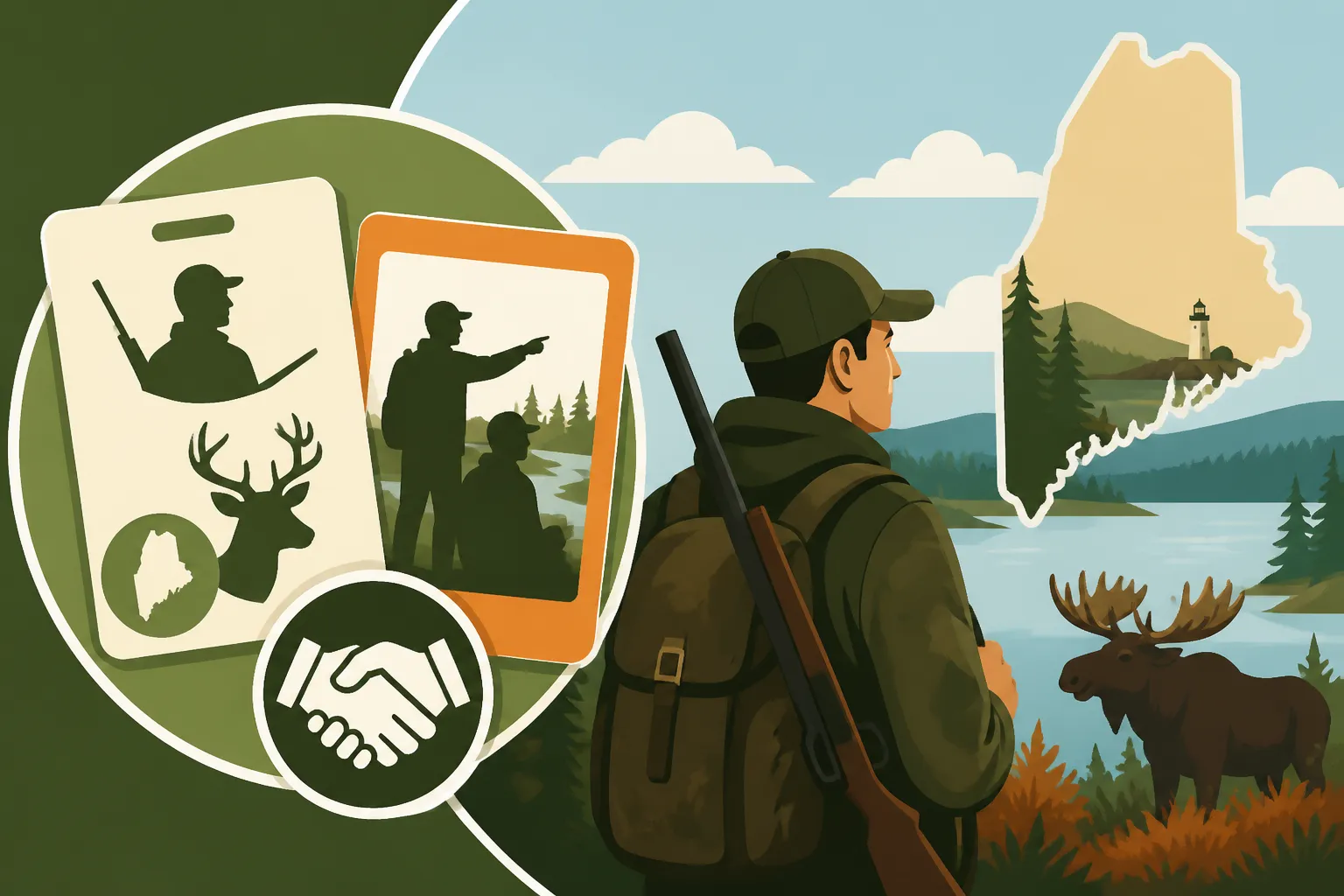
Nonresident Package Deals Bundling License and Guide
For nonresidents, planning a hunting trip to the vast and beautiful wilds of Maine can feel like an overwhelming task. From understanding complex licensing requirements to navigating unfamiliar terrain and ensuring you have the right gear and guidance, the logistical hurdles can quickly overshadow the excitement of the hunt. This guide is designed to demystify the process by exploring how nonresident package deals, bundling licenses and guide services, offer a streamlined, stress-free, and ultimately more successful way to experience the Pine Tree State's incredible hunting opportunities.
Understanding the Maine Hunting Landscape for Nonresidents
Maine is a true hunting paradise, boasting healthy populations of deer, moose, bear, and a variety of small game and birds. However, for those coming from out of state, there are unique challenges that can make a self-guided trip daunting. It's not just about showing up with a rifle; it's about understanding a nuanced system and a distinct hunting culture.
Navigating the Maze of Licenses and Permits
One of the first, and often most confusing, hurdles for a nonresident hunter is understanding the specific licenses and permits required to legally hunt in Maine. It's not a simple "one size fits all" situation. Depending on what you plan to hunt – be it deer, bear, moose, or turkey – and the method you intend to use (archery, firearms, muzzleloader), you'll need various certifications and stamps. For instance, a basic nonresident hunting license is a start, but then you might need an archery permit, a bear permit, a migratory bird stamp, or even a specific antlerless deer permit for certain wildlife management districts (WMDs).
The regulations are detailed and can change season to season, making it incredibly easy to overlook a critical piece of paperwork. Imagine arriving in Maine, having driven hundreds of miles, only to find out you're missing a mandatory permit for your target species or weapon. This isn't just a minor inconvenience; it could mean forfeiting your hunt entirely or, worse, facing legal repercussions. This administrative burden is a common source of frustration, and it's precisely where a good package deal can shine, handling these intricacies on your behalf. We have a whole article dedicated to Maine Nonresident License Options if you want to dive deeper into those details.
The Indispensable Role of a Registered Maine Guide
Beyond the paperwork, the sheer scale and character of Maine's hunting grounds present their own set of challenges. Much of the state, especially the sprawling North Maine Woods, is vast, remote, and often privately owned timberland that is traditionally open to public access, but can be confusing to navigate. For a nonresident, especially one unfamiliar with the terrain, finding productive hunting spots, understanding local game movements, and ensuring safety in remote areas is a monumental task. This is where a Registered Maine Guide becomes not just helpful, but often indispensable.
These guides are intimately familiar with their hunting territories, possessing a deep knowledge of animal behavior, seasonal patterns, and crucial local nuances like active logging operations, deer wintering yards, or prime feeding areas. They understand the intricacies of Wind and Thermals in Maine Hill Country and how they affect deer movement. They can get you into areas that are difficult to access, set you up for success, and, most importantly, provide a layer of safety and expertise that is hard to replicate on your own. For specific species, like bear or moose, guides often have established bait sites or proven calling techniques that are a direct result of years of experience and scouting, significantly increasing your odds of success. They also know what to do when something goes wrong, whether it's a lost hunter or a difficult game recovery. The value of their local knowledge and experience simply cannot be overstated, particularly in a state as wild as Maine. You can learn more about Hiring a Registered Maine Guide in another one of our posts.
Tackling Travel and Logistics from Afar
For most nonresidents, a Maine hunting trip involves significant travel. This isn't just about driving; it's about packing specialized gear, often for unpredictable weather, and ensuring all your equipment is legal and in working order upon arrival. Where will you stay? How will you get to your hunting area each day, especially if it's deep in the woods? What about meals after a long day in the field? What if you harvest an animal – how will you get it out of the woods, processed, and transported back home, potentially across state lines?
These logistical questions can quickly add up, turning an exciting prospect into a stressful planning nightmare. For example, field dressing a large animal like a moose in remote terrain and then extracting it presents enormous physical and logistical challenges. Similarly, setting up a comfortable camp in unfamiliar territory requires specific knowledge and equipment. Overcoming these hurdles from a distance, without local contacts or prior experience, can lead to costly mistakes, missed opportunities, or simply an unpleasant and exhausting experience. This is where the allure of a bundled package truly comes into its own, providing a comprehensive solution to these common nonresident predicaments.
Why Nonresident Package Deals Are a Game Changer
In an increasingly complex world, simplicity and expertise are highly valued. For nonresident hunters eyeing Maine, package deals cut through the noise, offering a streamlined path to a successful and enjoyable hunting adventure. They essentially transfer the burden of planning and logistics from your shoulders to those of seasoned professionals.
The Power of All-Inclusive Convenience
Let's be honest: planning a significant trip, especially a specialized one like a hunting excursion, can feel like a second job. Researching regulations, booking accommodations, coordinating travel, ensuring licenses are in order, and then figuring out the actual hunting strategy—it's a lot. For nonresidents, this complexity is amplified by distance and unfamiliarity. This is where the all-inclusive nature of a package deal becomes a true blessing.
Imagine making a single phone call or sending a few emails, and suddenly, most of those planning headaches vanish. A reputable outfitter will handle the core elements: ensuring your license and permit applications are correctly filed, arranging comfortable lodging, providing nourishing meals, and, of course, supplying expert guiding services. This level of convenience frees you up to focus on what you're actually there for: the hunt itself. Instead of worrying about getting lost on logging roads or scrambling for a hot meal after a long day, you can relax, focus on your shooting skills, and mentally prepare for your time in the field. This convenience isn't just about saving time; it's about reducing stress and allowing you to fully immerse yourself in the experience.
Unlocking Premier Hunting Access
One of the biggest advantages of booking a package deal, particularly with a well-established outfitter, is gaining access to prime hunting land that might otherwise be unavailable or unknown to you. Many Maine outfitters have long-standing relationships with private landowners or timber companies, securing exclusive hunting rights on vast tracts of productive land. This means you're not competing with crowds on public lands or trying to decipher complicated land ownership maps.
These outfitters have often invested significant time and resources into managing their leased or permitted areas for game, establishing bait sites for bear, scouting for moose, or identifying key deer travel corridors. For example, a guide running Baiting Black Bears Legally in Maine will have spent months preparing sites, knowing exactly which areas hold the highest concentrations of game and have the best chances for a successful harvest. This isn't just random luck; it's strategic planning and habitat knowledge honed over years. Without such a package, a nonresident might struggle for days to find good sign, let alone a viable hunting opportunity. It's like having a local expert open the gate to their secret spots, dramatically increasing your odds of a memorable and successful hunt.
Saving Time and Reducing Stress
Time is a precious commodity, and for many nonresident hunters, annual leave or travel budgets are limited. Every moment spent in the field or enjoying the camaraderie of camp is valuable. The less time you have to spend on logistics, troubleshooting, or rectifying planning errors, the more you can devote to the actual hunting experience. A package deal significantly reduces the amount of pre-trip research and in-trip problem-solving.
Consider the mental energy saved by knowing that transportation to and from hunting areas is handled, that a hearty breakfast will be ready before dawn, and a warm dinner awaits your return. This allows you to focus solely on the hunt, to be fully present and alert, rather than distracted by anxieties about mundane necessities. This reduction in stress can profoundly impact your overall enjoyment and performance as a hunter. Plus, having a seasoned guide by your side alleviates many of the safety concerns associated with hunting in remote areas. Knowing you're with someone who knows the land, understands emergency protocols, and can navigate challenging conditions provides immense peace of mind.
Deconstructing a Typical Maine Nonresident Hunting Package
While package deals vary, most quality nonresident offerings in Maine share core components designed to provide a comprehensive and hassle-free experience. Understanding what's typically included helps you compare options and choose the right fit for your hunting ambitions.
License and Permit Acquisition Support
One of the standout benefits of a bundled package is the assistance with licenses and permits. Reputable outfitters often guide you through the application process, ensuring you apply for the correct nonresident licenses, any necessary big game permits (like for bear or moose), and required stamps or endorsements (such as for archery or migratory birds). Some outfitters may even handle the submission of your applications directly, provided you supply the necessary information and funds. This is especially critical for drawn permits, like the Maine Moose Lottery Application Process, where deadlines and specific procedures must be followed precisely.
For many nonresidents, the prospect of navigating the Maine Department of Inland Fisheries and Wildlife (MDIFW) website and its various forms can be a real headache. Outfitters act as a liaison, helping to clarify requirements, check eligibility, and ensure all paperwork is completed accurately and submitted on time. This eliminates the worry of administrative errors that could jeopardize your hunt, allowing you to focus on pre-hunt preparation like target practice or gear checks, rather than bureaucratic details. While the cost of the actual license and permits typically falls to the hunter, the outfitter's guidance through this process is invaluable.
Expert Guiding and Field Services
At the heart of any nonresident hunting package is the professional guide service. This isn't just someone to walk with you; it's a seasoned expert who provides scouting, strategy, and execution in the field. Depending on the species, this might involve:
- Bear Hunting: Guides will have active bait sites, often monitored by trail cameras, and will lead you to a stand setup that maximizes your chances. If a hound hunt is preferred, they'll bring their experienced pack and lead the chase.
- Moose Hunting: Guides know the prime areas for calling bulls, glassing cuts, or still-hunting through moose country. They'll assist with calling, tracking, and the physically demanding process of field dressing and extracting a large animal.
- Deer Hunting: Guides will have scouted key areas, identified active scrapes, rubs, and travel corridors, and will advise on stand placement or still-hunting strategies. They understand local deer movements, especially during crucial times like Hunting the Rut in Early November.
- Bird Hunting: For upland birds like grouse and woodcock, guides often provide well-trained bird dogs and take you to prime covers. For sea ducks, they'll have specialized boats, decoys, and knowledge of tidal currents and bird flight patterns.
Beyond the direct hunting assistance, guides are responsible for your safety in the field, navigating difficult terrain, and providing an ethical and legal hunting experience. Their expertise is paramount to a successful and rewarding trip.
Comfortable Accommodations and Meals
Most comprehensive nonresident packages include lodging and meals, transforming your hunting trip into a comfortable and well-supported adventure. Accommodation can range from rustic, cozy cabins in a traditional Maine Deer Camp Traditions setting, to more modern sporting camps with private rooms and amenities, or even comfortable hotel-style lodging close to hunting areas. The type of lodging will often depend on the specific outfitter and the location of the hunt.
Similarly, meals are typically provided, ensuring you're well-fed and energized for long days in the field. This usually includes hearty breakfasts before dawn, packed lunches for the field, and delicious, often home-cooked, dinners in the evening. Some camps might even feature game harvested by previous hunters! The benefit here is immense: you don't have to worry about grocery shopping, cooking, or cleaning up after a tiring day. This allows you to focus on rest and rejuvenation, critical for successful hunting, rather than domestic chores. Checking What a Sporting Camp Package Includes is a good idea before you book.
Essential Gear and Transportation Details
While you'll always be expected to bring your personal hunting gear, such as your firearm or bow, ammunition, suitable clothing, and optics, many outfitters provide crucial supplementary gear and transportation. This could include:
- Transportation: Getting you from the lodge or camp to various hunting spots in the field, often using 4×4 vehicles, ATVs, or boats for sea duck hunting.
- Blinds and Stands: Pre-set ground blinds or treestands that are strategically placed for optimal hunting opportunities.
- Decoys: For turkey or waterfowl hunts, the guide will often provide and set up decoys.
- Tracking and Recovery Equipment: Specialized tools like tracking dogs, game carts, or recovery sleds for retrieving harvested animals, especially large game like moose or bear from challenging terrain.
- Field Processing Tools: Assistance with field dressing, quartering, and preparing your animal for transport and further processing.
Always clarify with your outfitter what gear you are expected to bring and what they provide. This prevents unnecessary packing of redundant items or, worse, arriving without a critical piece of equipment.
Finding and Evaluating Your Ideal Package Deal
With a clear understanding of what a nonresident package deal entails, the next step is finding the right one. This isn't a decision to rush; a thorough vetting process ensures a great experience tailored to your expectations.
Leveraging Online Platforms and Resources
The internet has revolutionized how hunters connect with outfitters. There are several excellent online platforms dedicated to listing hunting packages and providing reviews, making your initial search much easier. Sites like BookYourHunt and GoHunt serve as valuable clearinghouses where you can browse numerous outfitters, compare packages, read reviews from past clients, and often filter by species, region, and price range. These platforms can provide a great starting point, offering a wide array of options from across Maine.
Beyond these dedicated booking sites, general online searches for "Maine nonresident hunting packages" or "Maine black bear hunting packages" will also yield many direct outfitter websites. Look for outfitters with professional websites that clearly outline their services, pricing structures (even if not exact numbers, a clear breakdown), and contact information. Social media, particularly groups dedicated to Maine hunting, can also be a source of recommendations and real-time feedback from fellow hunters. However, always cross-reference information found on social media with official sources or direct communication with the outfitter.
Key Questions to Ask Outfitters
Once you've narrowed down your choices, direct communication with the outfitter is crucial. Don't be shy about asking detailed questions. This conversation is your chance to assess their professionalism, clarity, and how well their offering aligns with your expectations. Here’s a table of important questions:
| Category | Specific Questions to Ask |
|---|---|
| Inclusions | What exactly is included in the package price (licenses, permits, food, lodging, transportation, field care, game recovery, trophy prep)? What is not included (taxidermy, meat processing, gratuities, personal gear)? |
| Experience | How long has the outfitter been operating in this specific area? What is their success rate for the target species over the past few seasons? What kind of terrain will we be hunting? |
| Logistics | What is the typical daily schedule? What are the sleeping and eating arrangements? What happens if there's an emergency in the field? What are the weapon restrictions or recommendations? |
| Guide Details | How many hunters per guide? Will I have the same guide for the entire trip? What is the guide's experience level with my target species? |
| Payment/Policy | What are the deposit requirements and payment schedule? What is the cancellation policy, especially regarding weather or unforeseen circumstances? Are there any hidden fees? Do you recommend travel insurance? |
| References | Can you provide references from past nonresident clients who hunted the same species? |
Asking these Questions to Ask a Maine Outfitter helps clarify expectations and ensures there are no surprises down the road. Pay attention to how quickly and thoroughly they answer your questions; this often reflects their level of professionalism.
Deciphering Reviews and Testimonials
Online reviews and testimonials are invaluable, but they require a discerning eye. Look for consistent themes in positive reviews, such as knowledgeable guides, comfortable accommodations, good food, and effective communication. Conversely, pay close attention to recurring complaints. Are hunters consistently mentioning poor communication, substandard lodging, or a lack of game sightings?
Be aware that "success rates" can be misleading. A 100% success rate on a bear bait hunt might mean 100% of hunters saw a bear, not necessarily that 100% harvested a bear. Clarify what "success" means to the outfitter. Also, consider the source of the review. Are they on the outfitter's website (which might be curated) or on independent platforms like BookYourHunt or various hunting forums? Look for reviews that offer specific details about the guide, the area, and the overall experience, rather than vague praise or criticism. Don't hesitate to contact provided references directly to get an unfiltered account of their trip. Reading between the lines of outfitter reviews can be really helpful.
Making Sense of the Investment: Costs and Value
Let's talk about the elephant in the room: cost. Nonresident hunting packages in Maine represent a significant investment, but understanding the breakdown of that investment and the value you receive is key to making an informed decision.
Factors Influencing Package Pricing
The cost of a nonresident hunting package in Maine can vary widely, influenced by several critical factors:
- Species Targeted: Hunting a moose, with its limited permits and extensive logistics, will almost always be more expensive than a deer hunt or a turkey hunt. Bear hunts often fall somewhere in between, depending on the method (bait vs. hounds).
- Duration of the Hunt: A longer trip naturally costs more than a shorter one, as it entails more days of guiding, lodging, and meals. Most packages are typically 5-7 days of hunting.
- Inclusions: Packages with more amenities—private rooms, gourmet meals, one-on-one guiding, extensive field transportation, trophy care, and meat processing—will be priced higher than more basic offerings.
- Time of Year/Season: Peak rut for deer, or prime weeks for bear baiting, might command higher prices due to increased demand and perceived higher success odds.
- Guide-to-Hunter Ratio: A one-on-one guide service (one guide per hunter) will be more expensive than a 2:1 or 3:1 ratio, but it offers more personalized attention.
- Outfitter Reputation and Location: Highly experienced, well-known outfitters with a track record of success, especially those operating in prime hunting zones like the North Maine Woods, may charge a premium. Remote fly-in camps also typically command higher prices due to the added logistical costs.
Remember, the advertised price typically doesn't include the cost of your actual hunting license or permits, nor does it usually cover gratuities for your guide, which are customary. You can look at our other guide about What a Guided Moose Hunt Costs or What a Guided Maine Deer Hunt Costs for more specific examples of pricing structures.
Understanding What "All-Inclusive" Really Means
The term "all-inclusive" can be a bit elastic, so it's vital to clarify what it encompasses with each outfitter. While it generally means lodging, meals, and guide services are covered, it rarely extends to every single expense. Here's a common breakdown:
- Usually Included: Lodging, meals, daily guide service, transportation to and from hunting areas, initial field dressing, and sometimes basic caping for taxidermy.
- Usually NOT Included: Your personal Maine hunting license and any specific permits (bear, moose, antlerless deer, turkey, migratory bird stamp), gratuities for your guide and camp staff, meat processing, taxidermy services, shipping of meat or trophies, alcoholic beverages, and personal hunting gear (weapon, ammo, clothing, optics).
- Sometimes Included (Clarify): Airport pickup/drop-off, specific trophy care beyond basic caping, processing of meat for transport, extra days of hunting, or specific forms of entertainment.
Always ask for a detailed list of what is and isn't included in the package price. This avoids surprises and allows you to budget accurately for your entire trip. It’s also wise to inquire about the outfitter's policy on What Happens If You Don't Fill Your Tag – some may offer discounts on future hunts, others may not.
Beyond the Price Tag: The Value of Peace of Mind
While the upfront cost of a nonresident package deal might seem high compared to a self-guided trip, consider the immeasurable value of peace of mind. Knowing that experienced professionals are handling the logistics, that you'll have access to prime hunting ground, and that you'll be guided by someone who knows the area like the back of their hand is priceless.
The alternative – a self-guided trip as a nonresident – can quickly rack up hidden costs and frustrations. Think about the expense of:
- A wasted trip due to incorrect licenses.
- Days spent fruitlessly scouting unfamiliar land.
- Getting lost or facing mechanical breakdowns in remote areas.
- The sheer physical and mental exhaustion of managing all logistics after a tough day of hunting.
- Potentially ruining meat due to improper field care or delays in processing.
A well-chosen package minimizes these risks, maximizes your hunting time, and significantly enhances your overall enjoyment. It allows you to focus on the experience, the camaraderie, and the thrill of the chase, rather than the incessant worries of planning. It's an investment in a high-quality, memorable, and potentially successful hunting adventure in Maine.
Maximizing Your Maine Nonresident Hunting Experience
Booking a package deal is a fantastic first step, but a successful and enjoyable trip still depends on how you approach it. Thoughtful preparation and good communication are key to getting the most out of your investment.
Pre-Hunt Preparation and Communication with Your Guide
The relationship with your guide begins long before you set foot in Maine. Open and honest communication in the weeks and months leading up to your hunt is vital. Don't wait until you arrive to discuss your expectations or physical capabilities.
- Be Clear About Expectations: What does a successful hunt mean to you? Is it strictly about harvesting a trophy animal, or are you also looking for a wilderness experience, learning opportunities, or good company? Share your preferences regarding hunting style (e.g., still-hunting versus sitting in a stand).
- Discuss Physical Fitness: Be realistic about your physical condition. If you have any limitations, communicate them upfront. A good guide can tailor the hunt to your abilities, but only if they know them. Hunting in Maine, especially for big game, can involve significant walking, navigating uneven terrain, and sometimes strenuous activity.
- Review Gear Lists: Go over the outfitter's recommended gear list well in advance. Don't procrastinate. Test your rifle, practice with your bow, and ensure your clothing is appropriate for Maine's often unpredictable weather. Being properly equipped is not just about comfort; it's about safety and preparedness. Remember, Maine has Maine Hunter Education Requirements for new hunters, so ensure you have that covered.
- Ask About the Area: Ask your guide about the specific area you'll be hunting, the current game activity, and any recent weather patterns. This helps you visualize the hunt and mentally prepare.
Proactive communication builds rapport and allows your guide to plan the best possible experience for you.
Being an Engaged and Cooperative Hunter
Once you're in the field, your role as a client is to be an engaged, cooperative, and respectful hunter. Remember, your guide is there to put you in the best position for success, but ultimately, the shot is yours to make, and your attitude contributes significantly to the overall camp atmosphere.
- Listen to Your Guide: They are the experts on that particular terrain and the animals in it. Follow their instructions regarding safety, movement, and shot placement. If they tell you to sit still, sit still. If they advise against a certain shot, trust their judgment.
- Be Punctual and Prepared: Show up on time for meals and departures. Have all your gear ready for the day. A guide's schedule is often tight, especially with multiple hunters, and delays can impact everyone's opportunities.
- Maintain a Positive Attitude: Hunting isn't always easy. There will be slow days, bad weather, and perhaps missed opportunities. A positive attitude, even when things aren't going as planned, makes the experience better for everyone. Your guide is trying their best.
- Understand the "Why": If your guide suggests a particular strategy, don't just follow blindly; ask why. This is a great learning opportunity. You might pick up insights into Reading a North Woods Deer Yard or understanding Scrape Lines Along a Logging Road that will benefit your hunting knowledge for years to come.
- Be Safe and Ethical: Adhere to all hunting laws and ethical practices. Your guide will ensure this, but it's your responsibility too. Maine has strict rules around things like Maine Firearms Discharge Setback Distance, which your guide will explain.
A good client-guide relationship is a partnership, and mutual respect enhances the experience for both parties.
Post-Hunt Considerations and Follow-Through
The hunt doesn't end when an animal is harvested. Post-hunt logistics are crucial, especially for nonresidents, and your package deal should address many of these.
- Game Care: Discuss with your guide the immediate field care of your animal. This includes field dressing, cooling, and transport to a processor. Many outfitters have arrangements with local meat processors and taxidermists, which simplifies things immensely. Understand the options for Butchering a Deer at Camp versus sending it to a commercial processor.
- Trophy Preparation: If you plan to have a taxidermy mount, ensure your guide knows this. They will help with caping and initial care to preserve the hide and skull for the taxidermist.
- Transportation Home: How will the meat and/or trophy be transported back to your home state? Many processors can freeze meat for shipping, and taxidermists can coordinate crating and shipping of trophies. Factor these costs into your overall budget.
- Gratuities: It is customary to tip your guide and any camp staff for their hard work and dedication. This is an important part of the package. Discuss this with the outfitter beforehand so you can budget appropriately.
- Follow Up: After the hunt, consider sending a thank-you note or email to your guide and outfitter. Provide honest feedback about your experience. This helps them improve their services and strengthens the relationship for potential future hunts. Sharing your positive experiences through reviews on platforms like BookYourHunt or GoHunt also helps other hunters make informed decisions.
By engaging fully in all aspects of your trip, from pre-planning to post-hunt follow-through, you're not just buying a hunt; you're investing in an unforgettable Maine wilderness adventure, made infinitely easier and more rewarding by a well-chosen nonresident package deal.
Disclaimer
This article is for general informational purposes only and does not constitute professional advice. Laws, prices and regulations vary by location and change over time. Consult a qualified professional for guidance on your specific situation.