Checking an Outfitter’s Maine License
There's a specific kind of anxiety that creeps in when you're planning a big hunting trip, especially one that takes you to a place like Maine with its vast wilderness and unique regulations. You've saved your hard-earned money, blocked out precious vacation days, and built up that excitement, only to be hit with the nagging worry: Is the outfitter I'm considering truly legitimate? You hear stories, you see warnings, and you definitely don't want to be the one who arrives in the North Woods only to find their "guide" is nothing more than a scam artist or, at best, someone operating completely outside the law. This guide is here to cut through that worry and provide you with a clear, step-by-step process for verifying a Maine outfitter's license, so you can book your next hunting adventure with confidence and peace of mind.
Why Verifying a Maine Outfitter's License is Crucial for Your Hunt
Booking a guided hunt is a significant investment, both financially and emotionally. You're entrusting your safety, your success, and your precious vacation time to someone you likely haven't met in person. In Maine, the term "Registered Maine Guide" isn't just a fancy title; it's a legal designation that carries specific responsibilities and ensures a minimum standard of knowledge, safety, and professionalism. Skipping the step of verifying that license can open you up to a world of potential problems, from minor frustrations to serious legal headaches.
The Legal Ramifications of Unlicensed Guiding
First and foremost, it's illegal for anyone to act as a hunting guide in Maine without being a properly licensed Registered Maine Guide. This isn't a suggestion; it's the law. The Maine Department of Inland Fisheries and Wildlife (MDIFW) takes this very seriously. An unlicensed individual offering guide services isn't just breaking the rules; they're operating completely outside the system designed to protect both the wildlife and the people who seek to enjoy it.
If you unknowingly hire an unlicensed guide, you might find yourself in a difficult situation. While the primary legal burden falls on the unlicensed individual, associating with illegal activity can still have repercussions. Imagine the embarrassment and potential legal questioning if a game warden stops your party and discovers your guide isn't legitimate. It can derail your entire trip, lead to citations, and even result in the forfeiture of harvested game. Furthermore, an unlicensed guide hasn't gone through the rigorous training, examinations, and background checks that the state requires. This means they might lack essential knowledge of hunting regulations, safety protocols, first aid, and basic outdoor survival. It's a gamble with your safety and your legal standing, and frankly, it's not a gamble worth taking when a quick license check can save you a world of trouble. This is why understanding Maine Outfitter License Requirements is so important.
Protecting Your Investment and Experience
Beyond the legal aspect, verifying a guide's license is about protecting your personal investment. Guided hunts, especially for prime species like moose, bear, or deer, can represent a substantial financial commitment. You're paying for expertise, access, equipment, and a curated experience. When you book with an unlicensed individual, you have virtually no recourse if things go wrong. They aren't held accountable by any state licensing board, and they don't operate under the same professional code of conduct that licensed guides do.
Think about it: what if they cancel last minute and refuse to refund your deposit? What if they promise a prime hunting location but then take you to an area that's illegal or over-pressured? What if a safety incident occurs, and they don't have the proper insurance or first-aid training? These aren't hypothetical scare tactics; these are real risks. A licensed guide, on the other hand, has a professional reputation to uphold, is typically insured, and is accountable to the state's licensing authority. They've invested in their profession, and they understand the importance of delivering a quality, safe, and legal experience. You deserve that peace of mind, knowing that your hard-earned money is going towards a legitimate, well-regulated service. This due diligence is a critical part of Vetting a Maine Hunting Outfitter from the start.
How to Officially Verify a Maine Guide's License
The good news is that Maine makes it relatively straightforward to verify whether someone is a legitimately licensed Registered Maine Guide. You don't need to be a private investigator; the resources are publicly available, and a few simple steps can confirm the legitimacy of your potential outfitter.
Utilizing Official State Resources
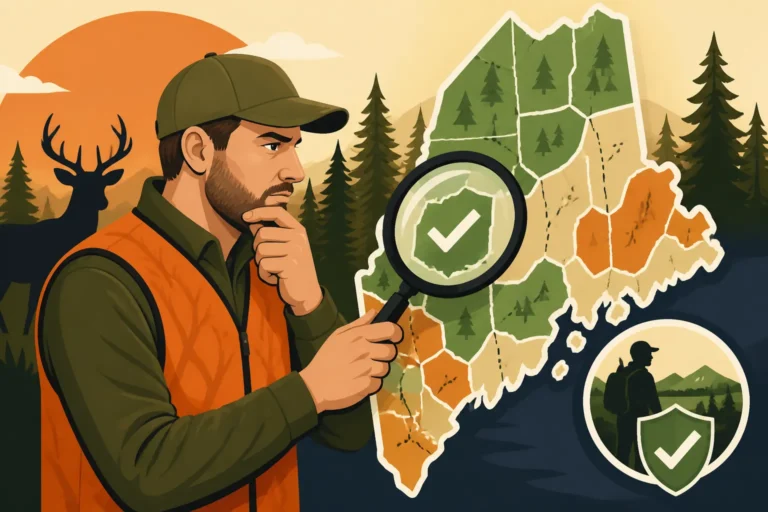
The most reliable and official source for verifying a Maine Guide's license is through the Maine Department of Inland Fisheries and Wildlife (MDIFW). They maintain a public database or directory of all currently licensed guides. This should always be your first point of reference.
Here’s how you typically go about it:
- Visit the MDIFW Website: Navigate to the official MDIFW website. Look for sections related to "Licenses & Permits" or specifically "Registered Maine Guides."
- Search the Guide Directory: Many states, including Maine, offer an online search tool where you can input a guide's name (first and last) or their license number if they've provided it. If a guide has given you their name, this is the quickest way to confirm their status.
- Confirm the Status: The search results should indicate whether the individual is currently licensed and, often, what type of license they hold (more on this in the next section). You're looking for an "Active" status. If you can't find them, or if their license is listed as "Expired" or "Suspended," that's a major red flag that warrants further investigation or, more likely, a decision to look for another outfitter.
- Contact MDIFW Directly: If you're having trouble with the online search, or if you want absolute confirmation, don't hesitate to call the MDIFW licensing division directly. They can look up an individual by name and confirm their licensing status over the phone. This direct contact can provide an extra layer of reassurance, especially if you're dealing with a guide who operates under a slightly different name than what you found online or if their online presence is minimal.
When discussing potential outfitters, many online platforms like BookYourHunt and GoHunt, which help connect hunters with guides, often include a feature where they verify guide licenses as part of their vetting process. While these platforms can be a great starting point for discovery, it’s always a good practice to double-check their claims against the official MDIFW records.
Understanding Guide License Categories
It's not enough for a guide to simply have a Maine guide license; they need to have the right type of license for the activity they are guiding. Maine issues several categories of guide licenses, each designed for specific outdoor pursuits. A guide licensed only for whitewater rafting, for instance, is not legally permitted to guide a deer hunt.
The common categories include:
- Hunting Guide: This is the one you need for deer, bear, moose, turkey, upland birds, and other game animals. This ensures they know hunting laws, game habits, and safe firearm/archery practices.
- Fishing Guide: For freshwater or saltwater fishing expeditions.
- Recreational Guide: For general outdoor activities like hiking, camping, canoeing, snowmobiling, and ATV riding.
- Sea Kayak Guide: Specifically for guiding sea kayaking trips along Maine's coast.
- Whitewater Rafting Guide: For leading trips on whitewater rivers.
When you perform your license check, pay close attention to the category of license the guide holds. If you're planning a Booking a Guided Maine Moose Hunt or Booking a Guided Maine Bear Hunt, you absolutely need a guide with an active "Hunting Guide" license. If you're going after sea ducks, they might need a hunting guide license with specific endorsements for waterfowl or sea duck hunting, or possibly a fishing guide license for boat operation combined with hunting endorsements. Always confirm that the guide's license category matches the type of hunt you intend to undertake. Don't be shy about asking your potential outfitter directly about their license type and number; a reputable guide will be transparent and proud to share this information.
Here’s a simplified breakdown of Maine Guide license types you might encounter:
| License Type | Primary Activities Covered | Relevant for Hunters? |
|---|---|---|
| Hunting Guide | Guiding for hunting all legal game and furbearers in Maine. | Absolutely essential for any guided hunting trip. |
| Fishing Guide | Guiding for freshwater or saltwater fishing trips. | Only if booking a fishing-focused trip, not hunting. |
| Recreational Guide | Guiding for general outdoor activities (hiking, camping, canoeing, etc.). | Not sufficient for guided hunting. May assist with logistics. |
| Sea Kayak/Whitewater Guide | Specialized water-based guiding (kayaking, rafting). | Not relevant for hunting specific activities. |
Beyond the License: Vetting an Outfitter Thoroughly
While a valid Maine Guide license is non-negotiable, it's just the starting point. Think of it like a driver's license: it proves someone is legally allowed to drive, but it doesn't tell you if they're a safe driver, reliable, or if their car is in good condition. A thorough vetting process goes deeper, ensuring you're not just hiring a legal guide, but a good guide who will provide the experience you're hoping for. Questions to Ask a Maine Outfitter should be on your mind throughout this process.
Checking References and Reviews
Once you've confirmed their license, the next step is to delve into their reputation. A reputable outfitter should be able to provide you with references from past clients. Don't just take their word for it; actually call or email those references. Ask specific questions:
- What was their overall experience like?
- Did the guide communicate well before, during, and after the hunt?
- Were the accommodations and equipment as described?
- How did the guide handle unexpected challenges (e.g., bad weather, difficult hunting conditions)?
- Did they feel safe and well-supported throughout the trip?
- Would they book with this guide again?
Beyond direct references, leverage online reviews. Platforms like BookYourHunt and GoHunt often host reviews and ratings from hunters who have booked trips through their sites. These can offer candid insights into an outfitter's strengths and weaknesses. Also, search independent hunting forums, social media groups, and even general travel review sites. Look for consistent themes, both positive and negative. A few mixed reviews are normal, but a pattern of complaints about safety, professionalism, or unfulfilled promises should raise a serious alarm. Pay attention to how the outfitter responds to reviews, if they do; a professional guide will often address feedback constructively.
Communicating Expectations Clearly
Many misunderstandings and disappointments arise from a lack of clear communication upfront. Before you book, have a detailed conversation with the outfitter about every aspect of the trip. Don't assume anything. This conversation should cover:
- What's included and what's not: Meals, lodging, transportation from a meeting point, game processing, trophy care, caping, licenses, tags, and gratuities should all be discussed.
- Hunt specifics: What are the typical hunting methods? What are the guide's strategies? What kind of physical fitness is required? What are the realistic success rates for the species and time of year you're booking? For example, if you're Hunting Maine's November Firearms Opener, what will be the primary strategy?
- Costs and payment schedule: Get a clear breakdown of all costs, deposit requirements, payment deadlines, and acceptable payment methods. Avoid any outfitter who demands only cash or seems evasive about pricing.
- Cancellation and refund policies: Life happens. Understand what happens if you need to cancel, or if the outfitter has to cancel due to unforeseen circumstances (e.g., extreme weather, personal emergency). Get this in writing.
- Safety protocols: Ask about their safety plan, first-aid certifications, and emergency communication methods, especially if you're venturing into remote areas like the North Maine Woods.
Ideally, all of these details should be formalized in a written contract or booking agreement. This document protects both you and the outfitter by clearly outlining the terms of the service. If an outfitter is hesitant to provide a written agreement, that's another significant warning sign. A professional business operates with clear, written terms.
Navigating Common Pitfalls and Ensuring a Smooth Hunt
Even with a license check and thorough vetting, there are still common pitfalls hunters can stumble into. Being aware of these can further safeguard your experience and help you react appropriately if something feels off.
Recognizing Red Flags in the Booking Process
Beyond the absence of a license, certain behaviors or situations during the booking process should immediately raise your antenna. These "red flags" are often indicators that you might be dealing with a less-than-reputable operation or, at worst, a scam.
- Vague or Evasive Answers: If an outfitter is unwilling or unable to provide clear answers to your questions about their license, experience, success rates, or hunt details, proceed with extreme caution. A professional guide should be transparent.
- Demanding Full Payment Upfront (Cash Only): While deposits are standard, demanding 100% of the fee in cash, especially far in advance, without a clear contract or cancellation policy, is a major warning. This makes it incredibly difficult to get your money back if things go south.
- Unusually Low Prices: If a guided hunt seems too good to be true compared to others in the region for a similar experience (e.g., Average Cost of a Guided Moose Hunt), it very often is. Be wary of deeply discounted rates that don't align with market value, as they might indicate cutting corners, operating illegally, or an outright scam.
- No Online Presence or Poor Communication: In today's world, most legitimate businesses have at least a basic website, social media presence, or a listing on reputable hunting platforms. A complete lack of online footprint or extremely delayed/unprofessional communication can be concerning.
- No References Provided: As mentioned, if an outfitter refuses to provide client references, that's a huge red flag. Every reputable guide should have satisfied clients willing to vouch for them.
- High-Pressure Sales Tactics: If you feel pressured to book immediately or risk losing a "once-in-a-lifetime deal," take a step back. Legitimate outfitters will give you time to do your research and make an informed decision.
What to Do If You Encounter an Unlicensed Guide
Let's say, despite your best efforts, you suspect you've encountered an unlicensed guide or an outfitter operating illegally. It's crucial to know how to respond to protect yourself and to uphold the integrity of legal, ethical hunting.
- Do NOT Proceed with the Hunt: If you have reason to believe the guide is unlicensed before the hunt, do not give them any more money or go into the field with them. It's better to lose a deposit than your entire investment, risk legal trouble, or compromise your safety.
- Document Everything: Keep detailed records of all communications: emails, texts, phone call notes (dates, times, what was discussed), receipts, and any advertisements or social media posts from the guide.
- Contact the Maine Department of Inland Fisheries and Wildlife (MDIFW): This is your primary point of contact. Report your suspicions to their law enforcement division or licensing bureau. Provide them with all the documentation you've gathered. They have the authority to investigate and take appropriate action. You can usually find a non-emergency reporting line or online contact form on their website.
- Inform Any Booking Platforms: If you found the outfitter through a third-party booking site like BookYourHunt or GoHunt, report your concerns to them. Reputable platforms want to maintain their integrity and will likely investigate and potentially remove the questionable outfitter from their listings.
- Seek Legal Counsel (if necessary): If you've lost a significant amount of money, or if legal issues arise, consulting with an attorney may be an option, particularly if you have a written contract that was breached.
Ultimately, being an informed and diligent hunter not only protects you but also supports the many ethical, hard-working Registered Maine Guides who operate legally and provide incredible experiences. By taking the time to verify licenses and thoroughly vet your outfitter, you're contributing to a safer, more sustainable, and more enjoyable hunting community in Maine. So, go forth and plan your adventure, but do so with confidence, knowing you've done your homework.
Disclaimer
This article is for general informational purposes only and does not constitute professional advice. Laws, prices and regulations vary by location and change over time. Consult a qualified professional for guidance on your specific situation.