What Happens If You Don’t Fill Your Tag
There's a unique sting that comes with the end of a long hunting season, especially when you've put in the time, walked the miles, and invested all that hope, only to find your tag still neatly folded in your wallet. It's a feeling every hunter knows, from the seasoned veteran with decades under their belt to the eager newcomer. When you don't fill your tag in Maine, it's not just about the missed opportunity for venison or a trophy; it's about the culmination of effort, the dreams of that perfect encounter, and the quiet disappointment when it doesn't materialize. This guide is here to walk you through what exactly happens after an unsuccessful hunt in Maine, both practically and emotionally, and how to use that experience to fuel your passion for seasons to come.
The Emotional Rollercoaster: Acknowledging the "Unfilled Tag Blues"
Let's be honest, it hurts. You spend countless hours scouting, preparing gear, enduring early mornings and late nights, battling the elements, and holding your breath when that tell-tale snap of a twig breaks the silence. When all that effort doesn't result in a filled tag, it's completely natural to feel a mix of frustration, sadness, and even a bit of self-doubt. You might replay scenarios in your head, wondering if you should have set up differently, taken a different path, or waited just five more minutes. This feeling, often dubbed the "unfilled tag blues," is a universal part of the hunting experience, and pretending it doesn't exist won't make it go away.
It's Okay to Feel Disappointed
Validation is key here. It’s absolutely okay to feel disappointed. Hunting isn't just a casual pastime for many of us; it's a deep-seated passion, a connection to nature, and often a significant source of food for our families. The anticipation builds for months, from reviewing Maine Deer Harvest Records to mapping out new territory on your phone. When that big moment doesn't happen, it can feel like a small loss, despite all the other positive experiences of the hunt. Don't let anyone tell you it's "just hunting" and that you shouldn't be bothered. Your feelings are valid, and acknowledging them is the first step toward moving forward.
Reframing Success Beyond the Kill
While the primary goal of putting meat in the freezer or a mount on the wall is certainly a powerful motivator, the true richness of hunting often lies far beyond the kill itself. Think about those crisp fall mornings when the mist hangs low over the fields, the quiet camaraderie with your hunting partners, or the sheer joy of watching a sunrise paint the Maine woods in a million shades of orange and purple. Remember the incredible moments you did have: the doe that walked within feet of your stand, the gobbler that answered your call even if he never committed, the track you followed for miles through fresh snow. These are the moments that truly define a season, and they remain yours whether or not a tag gets punched. The process, the learning, the immersion in White-Tailed Deer Across Maine habitat—these are the real trophies we collect, year after year.
Understanding Your Maine Tag and License Validity
Now, let's talk about the practical side of things. Once the season wraps up, what actually happens to that unused tag and the license you purchased? This can vary slightly depending on the type of hunt, but the general rule in Maine is pretty straightforward.
What Happens to Your Unused Tag?
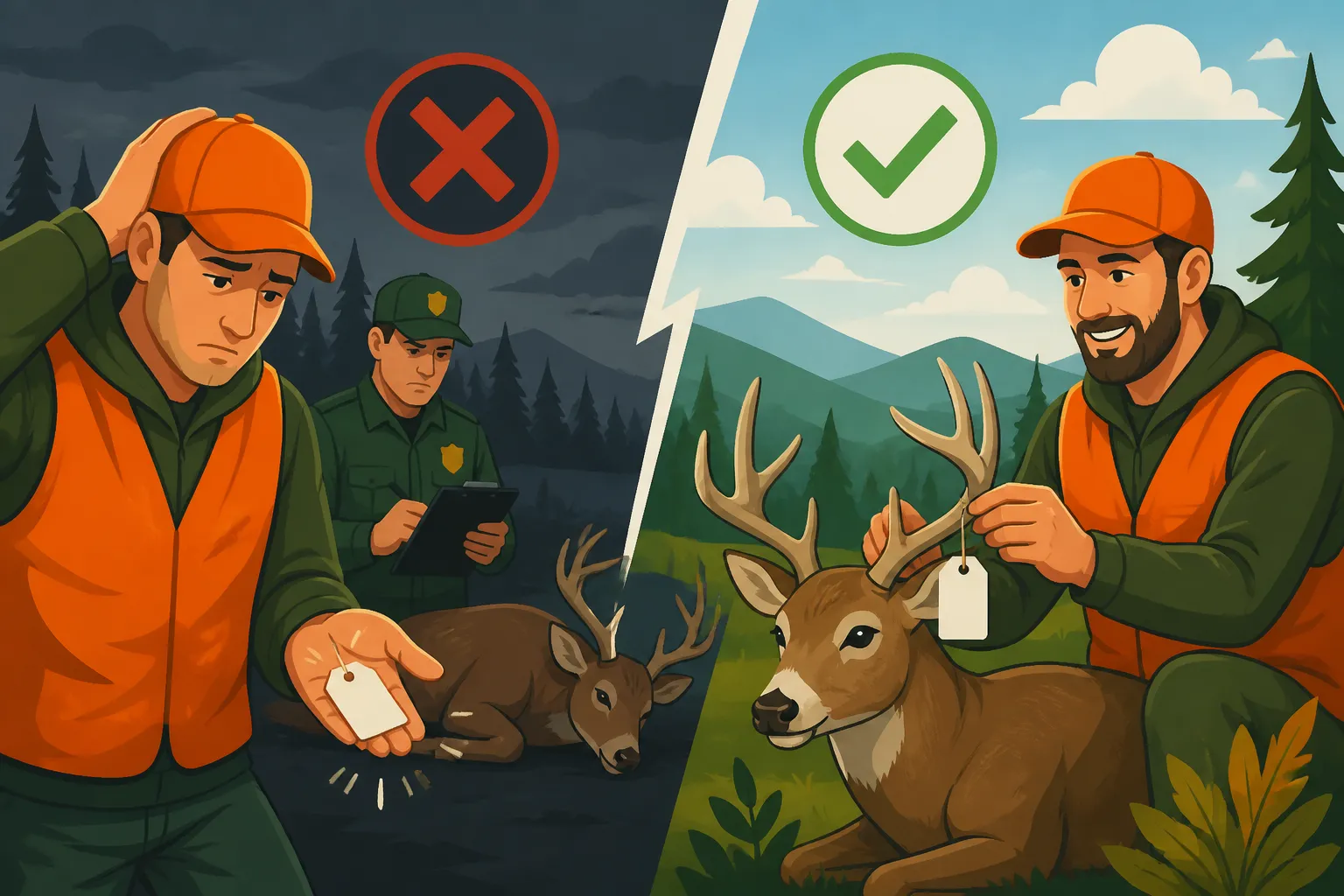
For most general hunting licenses and tags in Maine, if you don't harvest an animal, that specific tag simply expires at the end of its designated season. It doesn't roll over to the next year, nor can you transfer it to another hunter or another species. For instance, if you bought an antlered deer tag for the firearms season and didn't get a buck, that specific tag is done for the year. This is how wildlife management works; seasons are set with specific harvest goals in mind, and tags are issued for those defined periods. It's a clean slate every year, which means you get to experience the excitement of applying or purchasing anew next season!
However, it's important to differentiate between your tag and your license. Your basic Maine hunting license, whether it's a resident or nonresident option, is typically valid for the entire license year, which usually runs from January 1st to December 31st. This means that even if you don't fill your deer tag, your base license might still be valid for other species or seasons within that calendar year, depending on what endorsements you purchased. For example, if you bought a combination license, you might still have opportunities for Upland Bird and Small Game Hunting in Maine or Coyotes and Predators in Maine even after deer season has closed.
Permit-Based Hunts: Moose, Antlerless Deer, Turkey
Maine has several popular hunts that operate on a permit or lottery system, which comes with its own set of rules.
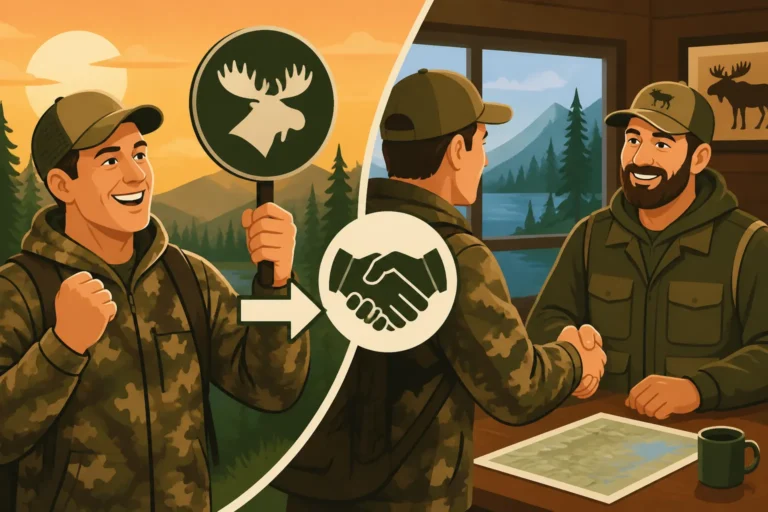
- Moose Permits: The Maine Moose Lottery Application Process is a big deal, and if you're one of the lucky few to draw a permit, that permit is only valid for the specific zone and week assigned. If you don't harvest a moose during that incredibly special week, the permit expires. There are no refunds, and it doesn't count as a "point" for future lotteries (Maine doesn't operate on a point system for moose like some other states). It’s a once-in-a-lifetime tag in many ways, but the experience of being out in Moose in Maine's North Woods country is unforgettable, filled or not.
- Antlerless Deer (Any-Deer) Permits: These permits are drawn for specific Wildlife Management Districts (WMDs) to manage local deer populations. If you draw an "any-deer" permit and don't harvest an antlerless deer, that permit expires at the end of the season. Like moose permits, it's specific to the year and zone. However, your regular buck tag (part of your base license) would still be valid for an antlered deer, even if you had an unused any-deer permit. Understanding Maine's Antlerless Permit System is crucial for deer hunters.
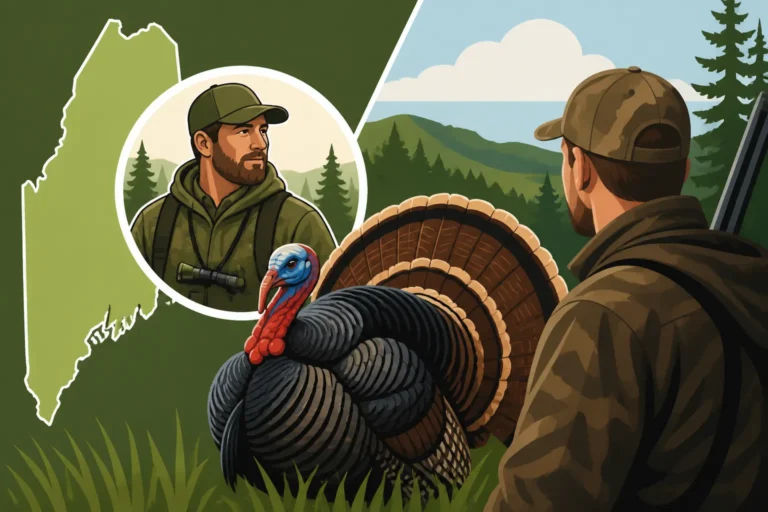
- Turkey Permits: Maine's wild turkey seasons (both spring and fall) also require specific permits in addition to your base hunting license. These permits dictate how many birds you can harvest and in which Maine's WMD-Based Turkey Bag Limits you can hunt. If you purchase a spring turkey permit for a two-bird WMD and only harvest one, or none at all, that permit is spent for the season it was issued for.
Here’s a quick overview of how tags and permits generally work in Maine:
| Hunt Type | Tag/Permit Validity | Carry-Over? | What Expires? |
|---|---|---|---|
| General Deer (Buck) Tag | Valid for specified deer season | No | The deer harvest portion of your license |
| Antlerless (Any-Deer) Permit | Valid for specific WMD & season | No | The specific antlerless permit |
| Moose Permit | Valid for specific WMD & week | No | The specific moose permit |
| Spring Turkey Permit | Valid for specific WMD & spring season | No | The specific spring turkey permit |
| Fall Turkey Permit | Valid for specific WMD & fall season | No | The specific fall turkey permit |
| Small Game/Upland Bird | Covered by base license + endorsements | No | Season for that species |
Your base hunting license itself, once purchased, generally remains valid until the end of the license year (December 31st). So, if you bought a big game license with all the fixings, and didn't get your deer, you can still chase grouse or snowshoe hare within their respective seasons until the year is out.
Practical Next Steps After an Unfilled Hunt
An unfilled tag is not a failure; it’s an education. Every season, successful or not, offers invaluable lessons. The key is to embrace the learning and use it to become a more effective, and often more patient, hunter.
Reflecting on the Season: What Went Right, What Went Wrong?
Take some time, a cup of coffee in hand, and truly reflect on your past season. This isn't about dwelling on mistakes, but about objective analysis.
- Review Your Scouting: Did your pre-season scouting accurately predict deer movement? Were the food sources you identified still hot spots when the season opened? Perhaps you focused too much on one area when the deer had shifted their patterns due to pressure or changing food availability. Think about how you might have used tools like GoHunt to analyze WMD data or historical harvest trends.
- Evaluate Your Setup: Were your stands in the right place, considering wind, thermals, and deer travel corridors? Did you have good entry and exit routes that didn't spook game? Maybe you were too close to a property line or a busy road.
- Consider Your Tactics: Were you still-hunting, stand hunting, or doing drives? Did you adapt to the conditions, like Hunting Deer After a Cold Front or Tracking a Deer in Fresh Maine Snow? Did your calling strategy for Grunt Calls in Mature Maine Hardwoods resonate, or did you spook more than you attracted?
- Weather and Conditions: Maine weather can be brutal and unpredictable. How did the snow depth, extreme cold, or warm spells affect deer movement? Did you hunt during periods when deer were naturally less active? This type of data review can be really insightful for future planning, and platforms like BookYourHunt often provide success rate data that can help inform your expectations.
This reflection isn't just about deer; it applies to all species. If you were Calling an Early May Gobbler Off the Roost and he just wouldn't come in, what might have been the reason? Too much calling? Not enough patience? Did your decoy placement look unnatural? Every experience, successful or not, is a data point for next year.
Scouting for Next Season: Using the Downtime to Your Advantage
Just because the season is over doesn't mean your work has to stop. In fact, the post-season can be one of the most productive times for scouting. With leaves off the trees, you can see the lay of the land differently, identify old rub lines and scrape lines that were hidden, and pinpoint bedding areas more easily.
- Post-Season Sign: Look for winter bedding areas, especially south-facing slopes or thick cedar swamps where deer seek shelter from deep snow and cold winds. Identify Maine Deer Wintering Yards Explained. Observe how deer are using remaining food sources. This intel is fresh and relevant.
- Trail Cameras: Even after the season, trail cameras can provide invaluable information. Place them on trails leading to winter food sources or in suspected bedding areas. You might be surprised at the deer still moving through. Pay attention to Where to Hang a Camera on a Logging Road.
- Map Study: Dive deep into topographical maps and aerial photos. Identify funnels, pinch points, benches, and saddles that might be overlooked during the hustle and bustle of hunting season. These are the details that can make a difference next year. Reading Aerial Photos for North Woods Deer can reveal hidden gems.
Planning Future Hunts: Gear, Research, and Booking
With the current season behind you, now is a fantastic time to start thinking about the future.
- Gear Assessment: Did your gear perform as expected? Did your boots keep your feet warm and dry? Was your rifle accurate? Did your optics provide clarity in low light? Now's the time to make a list of replacements or upgrades. Don't wait until August!
- Research Opportunities: Maybe this year's unfilled tag has you thinking about trying a different WMD next season, or perhaps even a different species. This is where tools like GoHunt become invaluable. You can research different Maine Deer Population Estimates by region, look at Maine Turkey Harvest Numbers by WMD, or explore opportunities for Bear Hunting Maine's Three Legal Methods. Having this data at your fingertips allows you to make informed decisions for next season.
- Booking a Trip: If you're considering a guided hunt for deer, bear, moose, or even a Booking a Maine Sea Duck Charter, now is often the best time to start looking. Many popular Maine outfitters and guides book up months, if not a year, in advance, especially for prime dates. Sites like BookYourHunt can connect you with various outfitters across Maine, helping you compare options and availability for different species and experiences. Whether it's a Booking a Guided Maine Moose Hunt or an Booking an Upland Bird Hunt in Maine, getting a jump on it is wise.
Exploring Other Maine Hunting Opportunities
Just because deer season is over doesn't mean you have to hang up your hunting boots entirely. Maine offers a diverse range of hunting opportunities that can extend your time in the field and help shake off those unfilled tag blues.
- Small Game and Upland Birds: Late fall and early winter can still offer fantastic hunting for Snowshoe Hare in Maine or even grouse and woodcock in some areas, though woodcock usually migrate by late fall. Snowshoe hare hunting in deep snow, often with beagles, is a truly classic Maine experience. Snowshoe Hare Hunting With Beagles is a blast and offers a completely different challenge and reward.
- Predator Hunting: Maine has a continuous open season for coyotes, and winter hunting can be incredibly productive, especially over bait or with calling setups. Coyote Calling Maine Farm Country can provide thrilling action when other seasons are closed.
- Late-Season Waterfowl: Depending on the specific zones and species, late-season duck and goose hunting can extend well into winter, particularly for sea ducks along the coast. Bundling up for Sea Duck Hunting the Maine Coast is a serious commitment but can be very rewarding.
These opportunities allow you to stay sharp, practice your skills, and simply enjoy more time outdoors, which, after all, is a huge part of why we hunt in the first place.
Maximizing Future Success: Tools and Tactics for Maine Hunters
An unfilled tag isn't a dead end; it's a launchpad for future success. By taking a strategic approach to preparation and leveraging available resources, you can significantly increase your odds for next season.
Leveraging Data and Resources
In today's age, hunters have access to an incredible amount of information that can make a real difference.
- Digital Mapping Applications: Tools like onX Hunt or Gaia GPS are game-changers. They allow you to mark specific deer sign, track your movements, identify property lines, and study terrain features from the comfort of your home. Finding Maine Property Lines is crucial, especially when hunting close to residential areas or different landowners.
- Harvest Reports and WMD Data: The Maine Department of Inland Fisheries and Wildlife (MDIFW) publishes annual harvest reports that can provide insights into deer density, success rates, and buck-to-doe ratios in different WMDs. Maine Annual Deer Harvest figures can help you identify areas with higher deer populations or better buck age structures. Platforms like BookYourHunt or GoHunt often aggregate and present this data in user-friendly formats, making it easier to pinpoint promising areas for Best Maine WMDs for Big Bucks or Maine Deer Population Estimate research.
- Online Forums and Communities: Connecting with other Maine hunters, whether through local forums or national groups, can provide a wealth of anecdotal information, tips, and shared experiences. Just remember to sift through the noise and verify information!
Continuous Learning and Skill Building
No matter how many seasons you've hunted, there's always something new to learn or a skill to sharpen.
- Shooting Practice: The off-season is the perfect time to spend at the range. Practice from realistic hunting positions, not just from a bench. If you use a crossbow, get familiar with Maine Crossbow Equipment Requirements. If you hunt with a muzzleloader, practice cleaning and loading efficiently. A crisp, clean shot is the most ethical and effective way to harvest an animal.
- Woodsmanship: Spend time in the woods even when you're not hunting. Learn to identify different trees, understand animal tracks and droppings, and recognize subtle changes in terrain that indicate game movement. Practice Reading Maine Mud for Fresh Deer Movement. The more time you spend observing, the better you'll become at "reading" the woods.
- Calling Techniques: If you hunt species like turkey or coyote, the off-season is ideal for practicing your calls. Whether it's a diaphragm call for turkeys or an electronic caller for coyotes, consistent practice builds confidence and proficiency.
Considering a Guide: When a Registered Maine Guide Can Make a Difference
Sometimes, despite all your efforts, you just can't seem to crack the code, especially in unfamiliar territory. That's where a Registered Maine Guide can be an invaluable asset.
- Local Knowledge: Guides live and breathe Maine's woods. They understand local game patterns, seasonal shifts, and the best places to find animals. They know the subtle nuances of Wind and Thermals in Maine Hill Country or the best Entry Routes Through a Cut Cornfield.
- Access to Private Land: Many guides have established relationships with landowners or hold leases on prime private land, providing access to areas that might otherwise be off-limits.
- Education and Experience: A good guide will not only put you in a position to harvest game but will also teach you valuable skills and share their extensive knowledge. This can be especially beneficial for new hunters or those looking to expand their experience to challenging hunts like Moose Hunting Maine's North Woods or Bear Hunting With Hounds in Maine.
- Specialized Hunts: If you've always dreamed of Decoying Eiders Off the Maine Coast or Hunting a Drawn Moose Zone in the North Woods, a guide specializing in those unique experiences is almost essential for success and safety. You can learn about Hiring a Registered Maine Guide and what to expect from such a partnership.
Conclusion
An unfilled tag, while initially disappointing, is truly just another chapter in your ongoing hunting story. It’s a testament to the challenge, the unpredictability, and the wildness that draws us to the Maine woods year after year. Instead of letting it get you down, see it as a powerful motivator. Use the lessons learned, the observations made, and the quiet reflections to refine your approach, hone your skills, and plan with renewed vigor for the seasons ahead. Every hunter, no matter how experienced, has had those seasons where the stars didn't align. What truly defines us is not whether we fill our tag every time, but how we respond to the challenge and continue to embrace the adventure. The Maine woods will always be waiting, ready to offer new experiences and, eventually, new successes.
Disclaimer
This article is for general informational purposes only and does not constitute professional advice. Laws, prices and regulations vary by location and change over time. Consult a qualified professional for guidance on your specific situation.