What a Guided Maine Deer Hunt Costs
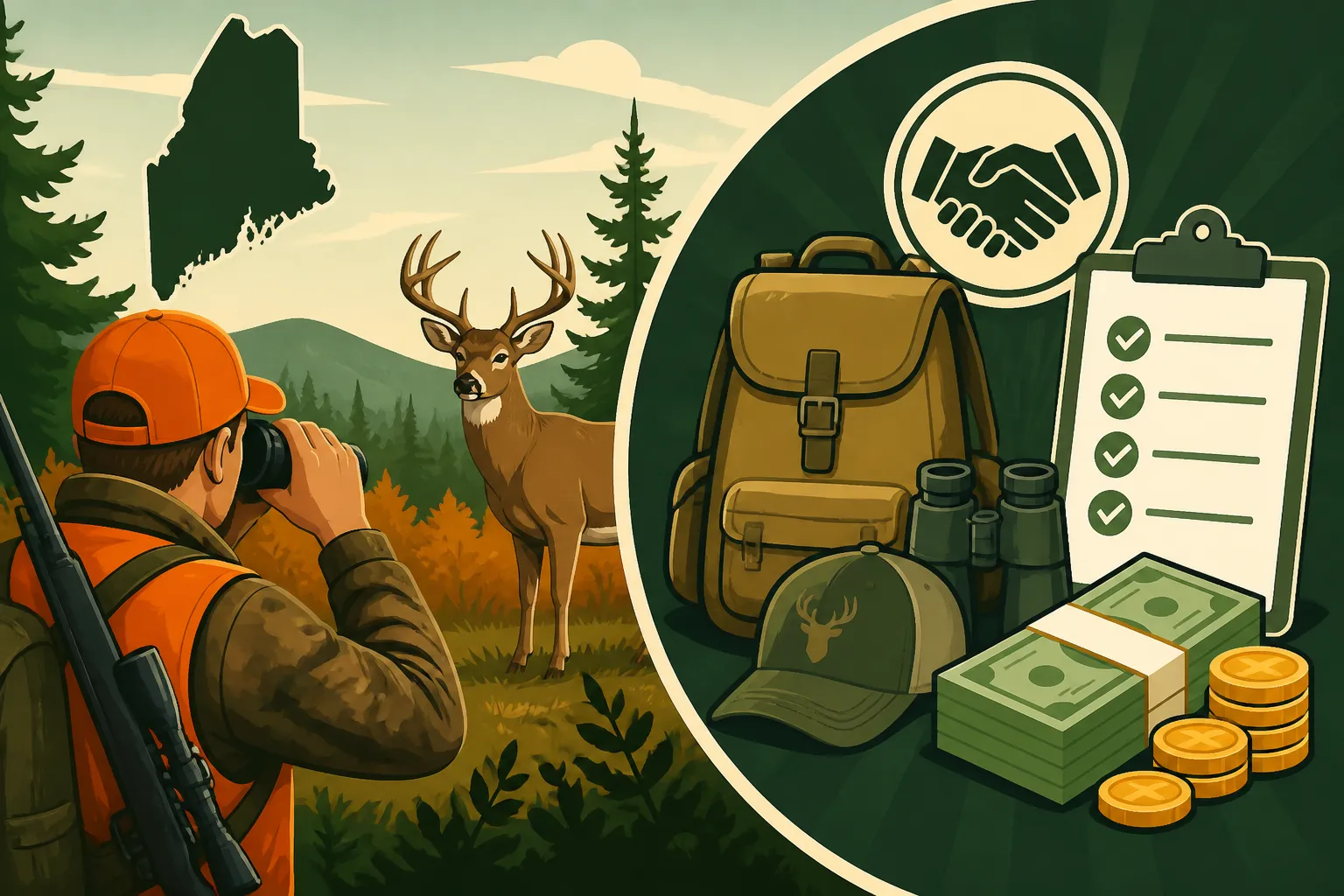
It’s a common scenario: you’ve spent years dreaming of that quintessential Maine deer hunt, picturing yourself in crisp autumn woods, perhaps finally tagging that elusive buck. But then reality sets in. You might not have the local knowledge, the time for extensive scouting, or the gear for a truly remote backcountry experience. So, you start thinking about a guided hunt. The big question, the one that can stop you dead in your tracks, is always, "What is this actually going to cost me?" This guide is here to unravel the complexities behind guided Maine deer hunt costs, breaking down the variables so you can budget realistically and find the perfect adventure without unwelcome financial surprises.
Understanding the Fundamental Cost Components
When you start looking into a guided deer hunt in Maine, it’s easy to feel overwhelmed by all the different offerings. It’s not just a single price tag; it's a combination of services, amenities, and expertise that contribute to the overall experience. Deconstructing these components is the first step toward understanding the true value and expense.
Guide Fees and Expertise
At the heart of any guided hunt is, of course, the guide themselves. These dedicated professionals, often Registered Maine Guides, bring a wealth of local knowledge, tracking skills, and an understanding of deer behavior that can be invaluable. Their fee is a reflection of their experience, their time spent scouting the area before your arrival, and their commitment to providing a safe and productive hunt. A highly sought-after guide with a long track record of success, especially for big bucks in challenging terrain like the North Woods, will naturally command a higher daily or package rate than a newer guide or one operating in less demanding areas.
Consider what you're truly paying for here. It’s not just someone to walk with you. It’s years of accumulated wisdom about how Reading a North Woods Deer Yard works, where deer bed in different weather, and what food sources they’re keying in on. It's the pre-season scouting, the trail camera placement, and the knowledge of private land access or specific public tracts that can make or break a hunt. This expertise means you’re often stepping into an area with a higher probability of success, a significant advantage for hunters who have limited time or are unfamiliar with the vast Maine landscape.
Lodging and Meals
Many guided deer hunts in Maine come as a package deal that includes accommodations and meals, especially if you're venturing into more remote regions. These can range from rustic cabins in a traditional sporting camp, like those found in the Moosehead Lake region, to more modern lodges with all the comforts of home. The type and quality of lodging will significantly impact the overall cost. A basic bunkhouse with shared facilities will naturally be less expensive than a private cabin with its own bathroom and a cozy fireplace.
Meals are another factor. Some outfitters offer hearty, home-cooked meals prepared on-site, providing three squares a day and often a packed lunch for the field. Others might offer a continental breakfast and dinner, expecting you to pack your own snacks and lunch. The level of culinary service is often tied to the lodging quality. For instance, a classic Maine Deer Camp Traditions experience might involve communal meals in a main lodge, fostering camaraderie, while a more exclusive outfitter might offer private dining. Always clarify what's included in terms of food and drink to avoid surprises, especially if you have dietary restrictions or preferences.
Transportation and Field Support
Getting to and from your hunting areas, and crucially, recovering your game, are often part of a guided package. Maine's terrain can be rugged, and access to prime hunting spots often requires specialized vehicles like ATVs, UTVs, or even boats, depending on whether you’re hunting deep woods, remote ponds, or river bottoms. The outfitter’s investment in reliable transportation and the logistics involved in moving hunters and gear are built into the cost.
Beyond just getting around, field support is a huge component of value. Imagine you’ve successfully harvested a deer deep in the woods. Recovering a deer from a cedar swamp, especially a big Maine buck, can be an immense challenge on your own. A guide will typically assist with field dressing, dragging, and transportation of your animal back to camp. This isn't just about convenience; it's about making a safe and efficient recovery, ensuring your hard-earned venison is handled properly from the moment it hits the ground. This support minimizes the physical demands on you and maximizes your time in the field, not to mention the peace of mind knowing you won't be left struggling with a large animal solo.
Factors Influencing the Price Tag
The sticker price for a guided Maine deer hunt isn't static; it fluctuates based on several key factors. Understanding these variables can help you discern why one outfitter might charge significantly more or less than another, and what kind of experience you're truly signing up for.
Duration of the Hunt and Group Size
The length of your hunt is one of the most straightforward cost drivers. Most guided deer hunts are offered as multi-day packages, typically ranging from three to seven days. A longer hunt naturally means more guide time, more meals, and more nights of lodging, all of which add to the total. A 5-day hunt will generally cost more than a 3-day hunt, even if the daily rate remains consistent.
Furthermore, the size of your hunting party impacts the per-person cost. Some guides offer a one-on-one (1×1) experience, where you have their undivided attention. This is often the most expensive option but provides the most personalized service. Other outfitters may offer 2×1 (two hunters per guide) or even larger group rates, which can reduce the individual cost. While a 2×1 setup can be more economical, it means sharing the guide's time and attention. If you’re considering a group hunt, like a family trip or a gathering with friends, Splitting Camp Costs on a Group Hunt can make a guided experience much more accessible. Always inquire about the guide-to-hunter ratio when comparing prices.
Geographic Location and Hunt Type
Maine is a vast state with diverse deer habitats, and where you choose to hunt profoundly affects the cost. Hunting in the remote expanses of the North Maine Woods, for example, often entails higher logistical costs due to travel, specialized access (like gate fees or long drives on private logging roads), and more rugged terrain.Outfitters in these areas might need to invest more in equipment, fuel, and time to provide a quality experience. You'll often find these hunts focused on traditional still-hunting in big timber or targeting logging cuts.
Conversely, hunting in more accessible regions, such as the agricultural lands of Aroostook County or the mixed forests of Central and Southern Maine, might have slightly lower base costs because of easier access and closer proximity to amenities. These hunts might focus on setting up on an Entry Routes Through a Cut Cornfield, hunting a standing apple orchard, or working farm edges. Additionally, the type of hunt itself can vary. Are you looking for a traditional Maine's Four-Week Firearms Deer Season hunt, or a specialized Bowhunting Maine's Long Archery Season experience in an expanded archery zone? Some outfitters specialize in specific seasons or methods, and their pricing will reflect that focus.
Inclusions and Exclusions in the Package
It’s crucial to carefully read what is and isn't included in any guided hunt package. What seems like a great deal upfront might hide significant additional costs if you don't scrutinize the fine print. Standard inclusions usually cover guide services, lodging, and meals. However, beyond that, things can vary widely.
Common inclusions often are:
- Initial field dressing of game
- Transportation to and from hunting areas each day
- Basic in-camp amenities
Common exclusions you need to budget for separately often include:
- Hunting licenses and permits (e.g., Maine Hunting Licenses and What They Cost, Maine Antlerless Permit Districts)
- Meat processing and taxidermy services
- Alcoholic beverages
- Personal hunting gear (clothing, rifle/bow, ammunition)
- Transportation to the outfitter's base camp
- Gratuities for guides and camp staff (more on this later!)
- Trophy fees (less common for deer in Maine, but always worth clarifying)
Some outfitters might offer "all-inclusive" packages that cover more, but these will always come at a premium. Always ask for a detailed list of what's provided versus what you need to bring or pay for separately. For instance, using platforms like BookYourHunt or GoHunt allows you to compare listings side-by-side, often providing a clear breakdown of inclusions and exclusions, helping you avoid sticker shock later.
Types of Guided Deer Hunts and Their Price Spectrum
Not all guided hunts are created equal, and understanding the different levels of service is key to deciphering the cost. From fully immersive experiences to more independent ventures with expert support, there’s a spectrum of options that cater to different budgets and preferences.
Fully Guided Hunts
A fully guided hunt is often what most people envision when they think of hiring a guide. This is the premium, hands-off (for you, not the guide!) experience. You typically arrive at a designated meeting point, and from there, your guide takes care of almost everything. They'll wake you up, provide breakfast, transport you to the hunting grounds, guide you throughout the day, assist with game recovery, handle transportation back to camp, serve dinner, and help with evening planning for the next day.
This all-encompassing service is designed to maximize your hunting time and minimize your logistical worries. For example, if you're hunting during Maine's November Firearms Deer Season, your guide will have scouted prime areas for rutting bucks, understanding Hunting a Ridge-Top Saddle for Rutting Bucks or keying in on Scrape Lines Along a Logging Road. Because of the intensive nature of the guide's involvement and the comprehensive support provided, fully guided hunts represent the upper end of the price spectrum. They are ideal for first-time Maine hunters, those seeking a truly immersive and stress-free experience, or hunters targeting a specific trophy where every advantage counts.
Semi-Guided Hunts
Semi-guided hunts offer a middle ground, blending expert assistance with a degree of hunter independence, and consequently, falling into a more moderate price range. In a semi-guided scenario, the outfitter provides critical support like accommodations, meals, and perhaps some pre-scouted areas or access to private land. However, you're expected to do more of the actual hunting on your own.
This might mean the guide points you to specific areas, provides maps, or drops you off at a stand or blind, but you are responsible for making your own way through the woods, setting up, and actively hunting for much of the day. Game retrieval might still be assisted, but the day-to-day, hour-by-hour guidance is less intense. For hunters who enjoy the challenge of figuring things out themselves but still want the comfort of a base camp, good food, and some critical local knowledge or access, a semi-guided hunt is a fantastic option. It can significantly reduce costs compared to a fully guided trip while still offering a substantial leg up over a completely DIY hunt.
Self-Guided with Outfitter Support
At the lower end of the guided service spectrum, but still a step above a purely DIY trip, is a self-guided hunt with outfitter support. This option is perfect for experienced hunters who are confident in their abilities but want access to private land, comfortable lodging, or general area advice from a local expert. The outfitter might provide a cabin or lodge, possibly offer maps of productive areas on their leased or owned land, and give you general advice on where deer have been seen or what patterns they're following. You're typically responsible for all your own hunting, cooking, and game recovery.
The cost for this type of service is generally the lowest among guided options, as you're primarily paying for access and lodging, not extensive guide services. It's a great choice for a group of friends who want to experience hunting Maine, enjoy their own camp dynamic, and have the freedom to hunt exactly how and where they choose, but without the hassle of securing land access or setting up a primitive camp. For example, an outfitter might have access to prime property for Hunting a Funnel Between Two Woodlots or Hunting a Green Field Planted for Deer, and they grant you permission and provide lodging for a set fee. This is often where you can find great value, especially if you're willing to put in the work yourself.
Here's a quick overview of how these tiers generally compare:
| Hunt Type | Guide Involvement | Hunter Independence | Typical Inclusions | Cost Spectrum | Best For |
|---|---|---|---|---|---|
| Fully Guided | High (1×1 or 2×1) | Low | Guide, lodging, meals, transport, field support | Highest | First-timers, premium experience, specific trophy goals |
| Semi-Guided | Moderate (setup, advice) | Medium | Lodging, meals, pre-scouted areas, limited support | Mid-range | Experienced hunters seeking some assistance and base camp comforts |
| Self-Guided w/ Support | Low (access, general advice) | High | Lodging, private land access, initial info | Lower (non-DIY) | Experienced DIY hunters needing access or basic amenities |
Additional Expenses to Budget For
Beyond the quoted package price, several additional costs can quickly add up and significantly impact your overall budget for a guided Maine deer hunt. Being aware of these upfront will prevent any unpleasant surprises and allow for more accurate financial planning.
Licenses, Permits, and Stamps
Before you even step foot in the woods, you'll need to purchase the necessary hunting licenses and permits. For non-residents, these costs can be substantial, often representing a significant line item in your budget. You’ll need a valid Maine hunting license, and depending on your chosen method, possibly specific permits like an archery permit or a muzzleloader permit. If you're hoping to take an antlerless deer, you might also need to apply for an Maine Antlerless Permit Draw Odds by District in specific Wildlife Management Districts (WMDs).
It's vital to research the current fees and requirements well in advance of your trip. Don't assume anything is included in your outfitter's package; almost universally, licenses and permits are your responsibility. You can purchase these online through the Maine Department of Inland Fisheries and Wildlife (MDIFW) portal or at various local agents. Organizations like GoHunt often provide state-specific license information as part of their service, which can be very helpful for planning. Ensure you complete any required hunter education courses if you're new to hunting in Maine or if it's your first time buying a license in the state.
Gratuities for Guides and Camp Staff
One of the most commonly overlooked, yet expected, expenses is tipping. Guides and camp staff work incredibly hard to ensure you have a successful and enjoyable trip. Tipping is a customary way to show your appreciation for their efforts, expertise, and hospitality. While there's no strict rule, a general guideline is to budget a percentage of your hunt cost for your guide, and a smaller amount for any additional camp staff (cooks, lodge caretakers, etc.).
For instance, if your guide has gone above and beyond, skillfully tracking a deer in fresh Maine snow after a shot, or making an incredibly tough retrieve out of a difficult spot, a generous tip is certainly warranted. This is a critical part of the guide's income, and a significant component of the hunting culture. Always bring enough cash for tips, as many remote camps won't have ATM access or the ability to process card payments for gratuities. Guides often pool tips for camp staff, so you might give one lump sum to your head guide for distribution, or tip individuals directly, depending on the camp's system. Knowing the Tipping a Maine Hunting Guide etiquette beforehand is always a good idea.
Meat Processing and Taxidermy
Once you've successfully harvested your deer, the next steps involve processing the meat and potentially preserving a trophy. These services are almost never included in the base hunt price. You'll need to consider the cost of having your deer professionally butchered, especially if you're not planning to do it yourself. Many small towns near hunting areas have local butchers who specialize in wild game. They can cut, wrap, and often freeze your meat for transport home.
If you've harvested a buck with an impressive rack or want to commemorate your experience with a full mount, taxidermy is another significant expense. Taxidermy costs vary widely based on the type of mount (shoulder, European, life-size), the species, and the artist's skill and reputation. It's wise to research local taxidermists in Maine or plan how you will transport your cape and antlers to your preferred taxidermist back home. These costs can add a considerable amount to your overall hunt budget, so factor them in early. A good outfitter will have local recommendations for reliable meat processors and taxidermists, which can be incredibly helpful.
Travel Expenses to and From Maine
Finally, don't forget the cost of actually getting to Maine and then to your outfitter's base camp. This includes airfare if you're flying in (likely to Bangor or Portland), rental car fees, fuel costs, and potentially overnight stays if your journey is long. Maine is a large state, and driving from a major airport to a remote North Woods sporting camp can take several hours, requiring a full tank of gas and careful planning.
Factor in the cost of transporting your firearms or bows if you're flying, which involves specific airline regulations and fees. If you're driving, consider wear and tear on your vehicle. All these logistical elements, while seemingly minor individually, can quickly accumulate into a substantial expense. For a Nonresident Combination License Options, travel might be the largest single expense outside of the guided hunt itself. Preparing a comprehensive budget that includes these travel incidentals will give you the clearest picture of your total investment in a Maine deer hunt.
Maximizing Value and Finding the Right Fit
Investing in a guided deer hunt is a significant decision, both financially and in terms of your valuable hunting time. To ensure you get the best experience for your money, it pays to be proactive, ask the right questions, and know what to look for in an outfitter.
Researching Outfitters and Comparing Packages
The first step in finding the right guided hunt is thorough research. Don't just pick the first outfitter you find. Explore multiple options, read reviews, and compare what different outfitters offer. Websites like BookYourHunt or GoHunt can be excellent starting points, as they aggregate listings from various outfitters, often with detailed descriptions of packages, inclusions, and contact information. Look beyond the price tag; focus on the value offered. Does a slightly higher-priced package include amenities or services that would cost you more to arrange independently?
When comparing packages, pay close attention to the guide's experience, their hunting philosophy (e.g., still-hunting versus stand hunting), and their historical success rates. Remember that "success rate" can be a tricky metric – a high success rate often means a high opportunity rate, but it doesn't guarantee you'll fill your tag. Ask about their hunting areas. Do they hunt Hunting Small Private Tracts in Maine near developed areas, or do they focus on vast expanses of timberland? The type of terrain and the typical hunting pressure will influence your experience.
Asking Key Questions Before Booking
Once you've narrowed down your choices, don't hesitate to pick up the phone and have a direct conversation with the outfitter. This is crucial for clarifying details and getting a feel for their operation. Here are some essential questions to ask:
- What is the exact guide-to-hunter ratio? Clarify if it's 1×1, 2×1, or a larger group, and how that impacts the cost and personalized attention.
- What specific hunting areas do you utilize? Ask about public land access, private land leases, and the typical terrain. For example, will you be Still-Hunting Western Maine Mountain Slopes or focusing on Hunting Aroostook County Potato Country?
- What is explicitly included and excluded in the package price? Get a written list if possible. This includes licenses, meat processing, taxidermy, personal gear, and any hidden fees.
- What are the average harvest success rates for deer, specifically for the type of hunt I'm interested in? Also, ask about opportunity rates (how often hunters see legal deer).
- What is your policy regarding cancellations, refunds, or rebooking due to unforeseen circumstances (e.g., severe weather, personal emergencies)? Maine Outfitter Cancellation and Weather Policies can vary.
- Can you provide references from past hunters? Speaking to previous clients can offer invaluable insights into the outfitter’s reliability, the quality of the experience, and the guide’s performance.
- What kind of physical condition is expected of hunters on this trip? Maine hunting can be strenuous, especially in big timber or mountainous regions.
- How is game handled after the harvest? Discuss field dressing, transport, and recommended meat processors or taxidermists.
- What are the typical gratuity expectations for guides and camp staff? It’s always better to know this upfront.
Understanding Value Beyond the Dollar Amount
While cost is a major factor, true value in a guided hunt often extends beyond the simple dollar amount. Consider what a guided experience truly offers: unparalleled local knowledge, access to prime hunting ground you might not otherwise find, the ability to focus solely on the hunt without logistical distractions, and the expertise to increase your chances of success. A good guide doesn't just show you where to sit; they teach you about Wind and Thermals in Maine Hill Country, explain deer behavior patterns, and help you hone your own hunting skills.
For many, the value also lies in the experience itself – the camaraderie at camp, the stories shared around a fire, the immersion in Maine’s wild landscape. Sometimes, paying a little more for a reputable outfitter with excellent references and a transparent operation can save you from a disappointing or even unsafe experience with a cheaper, less-vetted option. Remember, this isn't just a transaction; it's an investment in a memorable hunting adventure. Ultimately, the "right" cost is the one that aligns with your budget and delivers the kind of quality experience you're looking for.
Disclaimer
This article is for general informational purposes only and does not constitute professional advice. Laws, prices and regulations vary by location and change over time. Consult a qualified professional for guidance on your specific situation.