Maine Outfitter Cancellation and Weather Policies
It's truly heartbreaking when you've spent months planning, saving, and dreaming about your Maine hunting trip, only for unexpected circumstances – be it a sudden illness, a family emergency, or the infamous Maine weather – to throw a wrench in your meticulously laid plans. The financial commitment to a guided hunt isn't small, and the thought of losing your deposit or the entire fee because of something outside your control is a real and valid fear. This guide is here to walk you through the often-confusing world of Maine outfitter cancellation and weather policies, helping you understand what to expect and how to protect your investment.
Understanding the Basics of Outfitter Contracts
When you book a guided hunt in Maine, you're entering into a professional agreement, and like any significant transaction, it should be clearly defined. This isn't just a handshake deal, especially when you're committing to a multi-day adventure for species like moose, bear, or sea ducks. Navigating these agreements can feel like reading legal jargon, but understanding the core components is essential for a stress-free experience.
Why Written Agreements Are Crucial
A written agreement or contract serves as the blueprint for your entire hunting trip. It lays out the expectations for both you and the outfitter, leaving little room for misinterpretation or disagreement later on. Think of it as your insurance policy for the experience itself, covering everything from the specific dates you'll be in camp to the services that are included in your package price. Without a clear document, if something goes awry – whether it's a dispute over services rendered or, more commonly, a need to cancel or rebook – you'll find yourself in a much more difficult position.
This document goes beyond just stating the price and the dates. It outlines what happens if you have to back out, if the outfitter needs to reschedule, or if Mother Nature decides to completely upend your plans. Having these terms in writing protects both parties. It provides a legal framework and a clear reference point, which can be invaluable if a problem arises. It's not about distrust; it's about good business practice and ensuring everyone is on the same page from the outset.
Key Elements of a Standard Maine Outfitter Contract
While contracts can vary in length and detail, most reputable Maine outfitters will include several core elements. You should always look for a clear statement of services, including the game species you'll be hunting, the duration of the hunt (e.g., a five-day Moose Hunting Maine's North Woods package), and what’s provided (lodging, meals, guide services, transportation during the hunt, field care of game). Equally important is the payment schedule: when is the deposit due, when are subsequent payments required, and what is the final balance deadline?
Crucially, the contract must detail the outfitter’s cancellation policy. This section should explain under what conditions a deposit or payment is refundable, non-refundable, or transferable. It should also address what happens if they need to cancel. Furthermore, pay close attention to the weather clause. What constitutes "unhuntable" weather, and what provisions are made for lost hunting days due to severe conditions? Understanding these elements before you sign is paramount, as they directly impact your financial commitment and your hunting experience.
Deciphering Cancellation Policies
Cancellation policies are probably the most scrutinized part of any outfitter contract, and for good reason. Life happens, and sometimes, despite your best intentions, a trip just can't happen as planned. It's important to differentiate between hunter-initiated and outfitter-initiated cancellations, as the terms for each are usually quite different.
Hunter-Initiated Cancellations: What to Expect
When you, the hunter, need to cancel your trip, the outfitter's policy will largely depend on when you cancel in relation to your hunt date. If you cancel many months in advance, say a year or more, you might have a chance at a full or partial refund of your deposit, or at least the option to rebook for a future season. This is because the outfitter has more time to fill your spot and recover potential lost income. For example, if you booked a bear hunt and need to cancel well before the When Maine's Bear Bait Season Closes, they might be more flexible.
However, as you get closer to the hunt date, the flexibility often decreases significantly. Most outfitters operate on tight schedules with limited spots, and a last-minute cancellation means a lost opportunity for them to book another client. Therefore, it's common for deposits to become non-refundable within a certain window, perhaps 90 or 60 days before the hunt. Some policies may allow for a portion of the payment to be transferred to a rebooked hunt in a later season, often with an additional fee. This is a common practice to mitigate the outfitter's loss while still offering the hunter a chance to eventually take their trip. Always be prepared for the possibility that a significant portion, if not all, of your payment may be forfeited for close-proximity cancellations.
Outfitter-Initiated Cancellations: Rights and Recourse
While less common, there are situations where the outfitter needs to cancel or postpone your hunt. This could be due to unforeseen circumstances like a guide's illness, a sudden operational issue, or even extreme, widespread weather conditions that make the area inaccessible or dangerous. In these cases, your rights and recourse are typically more favorable. Most reputable Maine outfitters will offer a full refund of all monies paid if they are the ones initiating the cancellation and cannot provide the service as promised.
Alternatively, they might offer to rebook you for a later date in the current season (if available) or for the following season, often honoring the original price. This is where understanding the outfitter's policy on their own cancellations is vital. It's reasonable to expect your deposit and payments to be secure if the outfitter cannot fulfill their end of the bargain. However, be aware that while they might refund your hunt cost, they are generally not responsible for other expenses you've incurred, such as non-refundable travel arrangements. This is a key reason why trip insurance becomes so important, as it can often cover these peripheral costs.
Navigating Weather-Related Disruptions
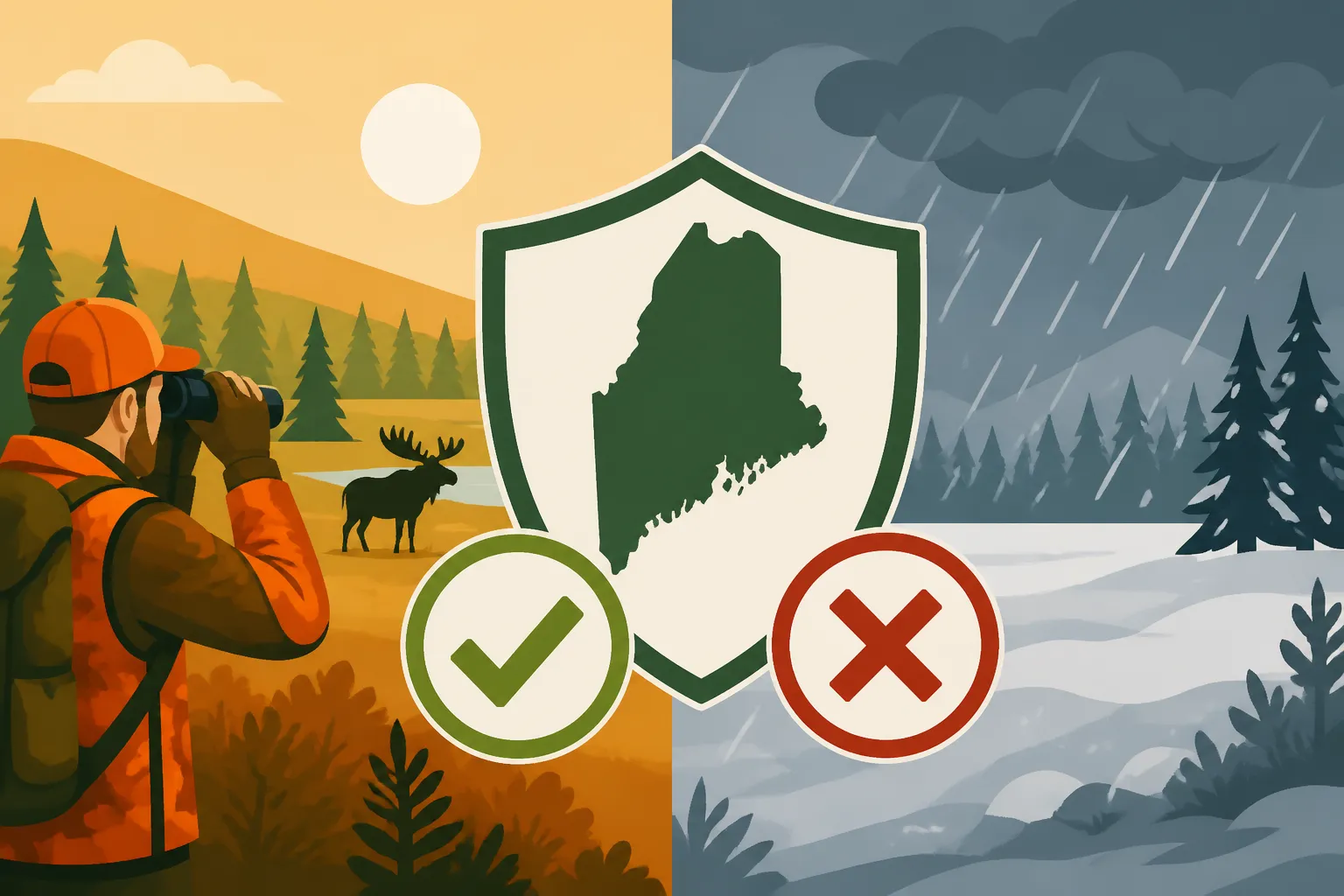
Maine's weather is notoriously unpredictable, especially during hunting seasons. From crisp fall days to sudden blizzards, it can shift dramatically, and sometimes, it can genuinely impact your ability to hunt safely and effectively. This is where a clear understanding of your outfitter's weather policy truly pays off.
Common Weather Scenarios in Maine Hunting
Maine's diverse geography means weather can impact different hunts in unique ways. For instance, a coastal sea duck hunt might be entirely called off due to heavy fog, dangerously high winds, or rough seas, making it unsafe to launch a boat for Hunting Scoters From a Sea Duck Boat or Decoying Eiders on a Falling Tide. Inland, an early, heavy snowstorm could make logging roads impassable, trapping hunters in remote camps or preventing access to prime areas for Still-Hunting Aroostook County Farmland. Unexpectedly warm temperatures during deer season can also put a damper on success, as deer movement changes, and field dressing becomes a race against time.
Similarly, an ice storm can down trees and power lines, cutting off access or making travel treacherous, regardless of the species you're pursuing. Even something as simple as persistent heavy rain can make tracking difficult for Tracking a Deer in Fresh Maine Snow or make sitting in a stand for Hunting the Rut in Early November an endurance test rather than an enjoyable experience. Outfitters in different regions, from the deep woods to the coast, will have specific concerns related to the typical weather patterns their area experiences.
Outfitter's Response to Unhuntable Weather
When weather genuinely interferes with a hunt, the outfitter's primary concern is safety. If conditions are deemed unsafe by the guide, they have the right and responsibility to halt or postpone hunting activities. This isn't about "bad hunting weather" – like a light rain that simply makes for a less pleasant day – but truly "unhuntable" or dangerous conditions. Most policies will state that if the outfitter or guide determines the conditions are unsafe, they will either reschedule the day, extend the hunt if possible, or offer a credit toward a future hunt.
It's rare for an outfitter to issue a full refund solely due to weather disruptions that prevent some hunting, especially if part of the trip has already occurred. For example, if a three-day sea duck charter loses one day to heavy fog, the outfitter might offer a partial credit or an extra half-day on a future booking, but not a full refund for that day. Policies vary, but generally, the outfitter is not responsible for acts of nature. This is another crucial point where trip insurance can provide a safety net, potentially reimbursing you for lost days or the entire cost if severe weather prevents you from reaching your destination or forces the cancellation of the majority of your hunt.
The Role of Deposits, Payments, and Insurance
Booking a guided hunt represents a significant investment, both financially and in terms of your time and anticipation. Understanding how deposits and payments work, and critically, how trip insurance can safeguard that investment, is fundamental to smart planning.
Deposit Structures and Payment Schedules
Almost every reputable Maine outfitter will require a non-refundable or partially refundable deposit to secure your hunting dates. This deposit serves several purposes: it commits you to the trip, covers the outfitter's initial administrative costs, and compensates them for holding those specific dates, making them unavailable to other potential clients. The amount can vary, but it's often a percentage of the total trip cost, or a flat fee. For sought-after hunts like Maine's Once-in-a-Lifetime Moose Lottery or a prime October bear hunt, these deposits are vital for the outfitter's operational planning.
Following the initial deposit, many outfitters utilize a staggered payment schedule. This might involve a second payment due several months before the hunt, and the final balance due anywhere from 30 to 90 days prior to your arrival. This structure helps both the hunter, by spreading out the cost, and the outfitter, by ensuring full payment is received well in advance to cover final preparations and staffing. Be absolutely clear on these dates, as missing a payment deadline can sometimes result in the forfeiture of your deposit and the cancellation of your booking.
Hunting Trip Insurance: A Smart Investment
I cannot stress this enough: for any significant hunting trip, especially one involving travel or a substantial financial commitment, hunting trip insurance is a smart investment. It's the ultimate safety net against the unexpected. While outfitter policies cover their responsibilities, trip insurance covers your unforeseen circumstances. This can include personal illness or injury (your own, a family member's), travel delays or cancellations (flights, ferries, vehicle breakdowns), loss of luggage, and even certain severe weather events that prevent you from reaching your destination or make the hunt impossible.
Many hunters neglect this, thinking "it won't happen to me," but the peace of mind it offers is invaluable. Some outfitters may even recommend specific providers or include information about trip insurance in their booking materials. When researching guides, or using platforms like BookYourHunt or GoHunt, you'll often find options or prompts for trip insurance directly linked to your booking. It’s well worth exploring what different policies cover and finding one that aligns with the specific risks of your Maine hunting adventure. Remember, it’s not just about losing the outfitter fee; it's about all the associated costs—flights, rental cars, gear, and time off work.
Best Practices for Hunters
Being an informed hunter isn't just about knowing your species or mastering your gear; it's also about being a savvy consumer. Taking proactive steps before you commit to a hunt can save you a world of trouble and heartache down the road.
Asking the Right Questions Upfront
Before you ever put down a deposit, engage in a thorough conversation with your potential outfitter. Don't be shy about asking direct questions about their cancellation and weather policies. A good outfitter will be transparent and happy to explain everything in detail. Here are some key questions to ask:
- "What is your exact policy if I need to cancel, and what are the deadlines for refunds or rebooking options?"
- "What happens if you (the outfitter) need to cancel my hunt?"
- "How do you handle severe weather? What conditions would lead to a canceled hunting day, and what are my options if that happens?"
- "Is there any flexibility for rebooking if a family emergency or health issue arises close to the hunt date?"
- "Do you recommend or offer specific trip insurance?"
- "What are the payment deadlines, and what happens if I miss one?"
Make sure you get these answers in writing, whether in the contract itself or in a follow-up email. This clear communication is your first line of defense against misunderstandings. For unique situations, like a Applying for a Maine Moose Permit where you're uncertain of drawing, ask "What Happens If You Don't Draw a Moose Permit" and how it impacts your deposit if you've pre-booked a guide.
Reading the Fine Print and Due Diligence
Once you receive the contract, read every single word before you sign. Don't skim over sections, especially those pertaining to cancellations, refunds, and weather. If there's anything you don't understand, ask for clarification. It's your right to fully comprehend what you're agreeing to. A good contract protects both parties, and you should feel comfortable with its terms.
Beyond the contract, conduct your due diligence on the outfitter. Seek out reviews from past clients, not just testimonials on their website. Platforms like BookYourHunt and GoHunt often provide independent reviews, and hunting forums can be a goldmine of real-world experiences. Ask the outfitter for references, and actually call them. Ask those references about their experience with any unexpected issues, including how cancellations or weather delays were handled. This deep dive into Vetting a Maine Hunting Outfitter can reveal a lot about an outfitter's professionalism and how they treat their clients when plans inevitably go awry. Being proactive with your research can prevent a lot of future headaches and ensure your Maine hunting dream remains just that – a dream come true, not a nightmare of lost funds.
Here's a quick reference table to help visualize common scenarios:
| Scenario | Hunter Action | Typical Outfitter Response (without insurance) | Potential Trip Insurance Benefit |
|---|---|---|---|
| Hunter Cancels (Early) | Notifies outfitter well in advance (>6 months) | Full or partial deposit refund, rebooking option | Not typically needed for early cancellation if outfitter is flexible |
| Hunter Cancels (Late) | Notifies outfitter close to hunt date (<90 days) | Deposit/payments often forfeited, limited rebooking options | Reimburses non-refundable deposits/payments due to covered reason |
| Outfitter Cancels | Notified by outfitter (e.g., guide illness) | Full refund of hunt cost, rebooking at original price | Covers non-refundable travel costs (flights, lodging) |
| Severe Weather (Unsafe) | Guide determines unsafe to hunt | Reschedule day, credit for future hunt, no cash refund | Reimburses for lost days or entire trip if covered weather event |
| Poor Weather (Huntable but bad) | Hunter decides not to hunt | No refund or credit, hunt proceeds as scheduled | Generally no coverage if conditions are huntable |
| Travel Delay/Cancellation | Flights canceled, roads impassable | No change to hunt schedule, hunter misses part/all of trip | Reimburses for missed trip days, rebooking fees, or new travel costs |
| Injury/Illness (Hunter/Family) | Hunter or close family member gets sick/hurt | Deposit/payments often forfeited (unless very early) | Reimburses non-refundable costs if severe enough to prevent travel |
Disclaimer
This article is for general informational purposes only and does not constitute professional advice. Laws, prices and regulations vary by location and change over time. Consult a qualified professional for guidance on your specific situation.