What a Bird Dog Guide Day Includes
So, you're dreaming of a classic New England upland bird hunt, the kind where a well-trained dog works scent through a thick cover, locks up on point, and you flush a Ruffed Grouse or an American Woodcock. It's a truly iconic experience, but if you're not from Maine, or even if you are but lack a bird dog or the deep local knowledge, trying to piece together a successful hunt can feel like an impossible maze. This guide is all about demystifying the "bird dog guide day" in Maine, breaking down exactly what you can expect when you book one of these incredible experiences, from the moment you meet your Registered Maine Guide to the last retrieve of the day.
Understanding the Maine Bird Dog Guide Day Experience
When you book a bird dog guide day in Maine, you're not just paying for someone to take you into the woods. You're investing in an entire experience centered around skilled dog work, expert local knowledge, and a passion for upland hunting. It’s a chance to immerse yourself in the rich tradition of chasing grouse and woodcock in some of the most beautiful and challenging cover on the East Coast. Many folks come to Maine specifically for this, wanting to see top-notch dogs do what they do best, without having to own and train their own.
What Defines a Guided Bird Hunt in Maine
At its core, a guided bird hunt in Maine is about accessing prime habitat and having a professional guide (often a Registered Maine Guide) and their trained bird dogs lead the way. These guides spend countless hours scouting, managing their dog kennels, and maintaining relationships with landowners or knowing the public lands inside and out. They understand the nuances of the terrain, the flight patterns of woodcock, and where grouse are likely to be found based on food sources and weather. It's a turnkey operation for the hunter, allowing you to focus on the shooting and the thrill of the chase. You're tapping into years of accumulated wisdom and hundreds, if not thousands, of hours of dog training.
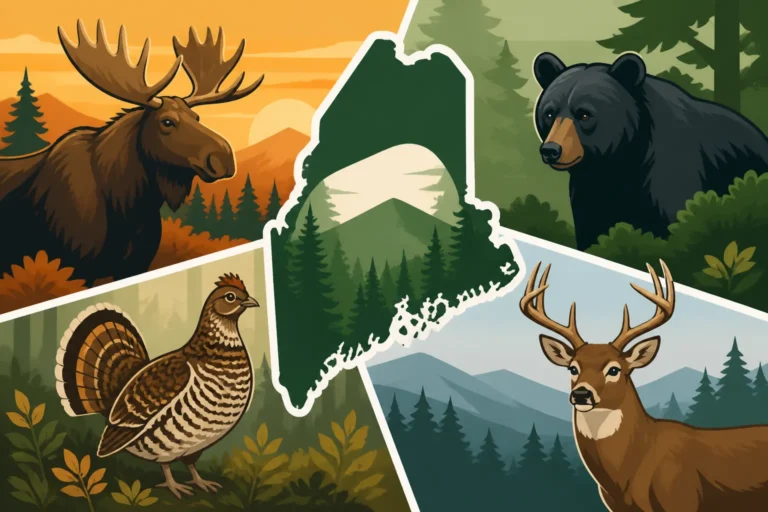
Most guide days focus on Ruffed Grouse in Maine and American Woodcock in Maine, as these are the most common and sought-after upland species. Some guides might also offer opportunities for Pheasant or Chukar on private preserves, but the quintessential Maine experience is in the wild woods. The beauty of it is that you get to see how a seasoned guide reads the cover, how their dogs respond to their commands, and how they work together as a seamless unit. This isn't just a walk in the woods; it's a choreographed dance between man, dog, and nature.
Typical Duration and Structure
A standard bird dog guide day typically runs for a full day, often 6 to 8 hours of actual hunting, though the total time with travel, lunch, and breaks might stretch longer. You'll usually meet your guide early in the morning, often at a pre-determined location near the hunting grounds, like a small town diner or a logging road pull-off. After introductions and a quick safety briefing, you'll head out.
The day is generally structured around moving from one piece of cover to another. This might involve driving short distances between different alder runs, aspen cuts, or apple orchards, allowing the dogs to work fresh ground and giving hunters a chance to stretch their legs between walks. You might spend an hour or two in a productive covert, then move on as the dogs tire or the birds become scarce. Many guides will break for a packed lunch mid-day, giving everyone a chance to rest, rehydrate, and share stories before tackling the afternoon covers. It's a physically demanding day, covering miles over uneven terrain, so being in decent shape definitely enhances the experience.
What to Expect During Your Hunt
The heart of a bird dog guide day is the hunt itself. It’s a dynamic, exciting experience where you’ll be walking, watching the dogs, and anticipating the flush. This isn’t a passive activity; you’ll be an active participant in every step of the process.
The Role of the Guide and Their Dogs
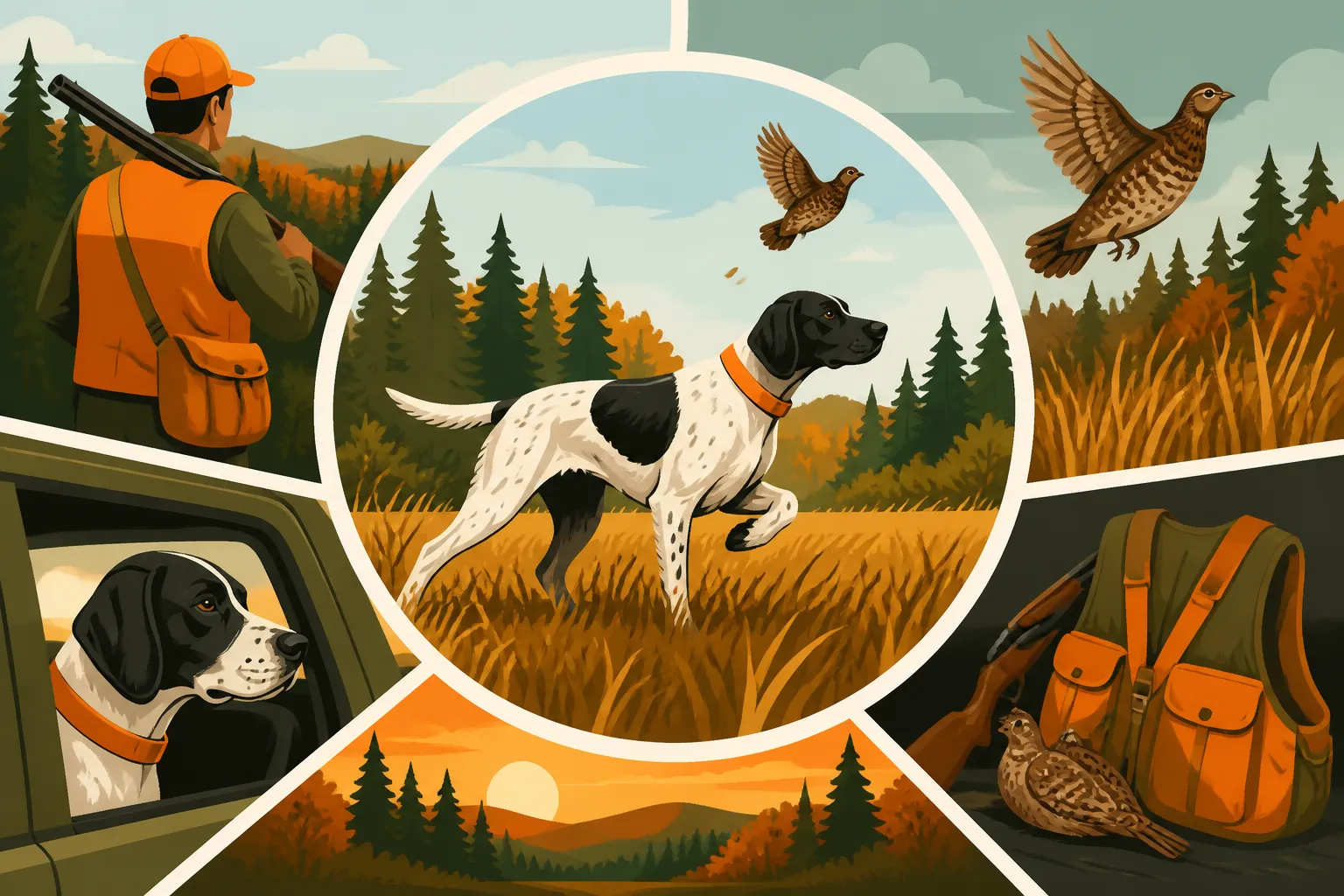
Your guide is the orchestrator of the hunt. They're responsible for your safety, navigating the terrain, reading the dogs, and putting you in the best position for a shot. They'll often walk slightly ahead, setting the pace and directing the dogs. Their communication with the dogs is a marvel to watch – subtle whistles, hand signals, and verbal cues that the dogs instinctively understand. The dogs, usually pointing breeds like English Setters, Pointers, or Brittany Spaniels, or flushing breeds like English Springer Spaniels or Labrador Retrievers, are the true stars. Their ability to find scent, work a bird, and hold point (for pointing dogs) or flush effectively (for flushers) is what makes these hunts so special.
When a dog goes on point, the guide will position you, giving clear instructions on where to expect the bird to flush and how to safely approach. This is where the adrenaline truly kicks in. The guide will usually encourage you to move in for the flush, and when the bird bursts from cover, you'll hear the guide's call and hopefully make a clean shot. If you harvest a bird, the guide's retriever will be sent to fetch it, bringing it gently back for you to admire. Watching a bird dog honor another dog's point or meticulously retrieve a downed bird adds a profound layer to the hunting experience. Many hunters, even experienced ones, find themselves learning new tricks and insights just by observing the guide and their dogs.
Hunting in Maine's Diverse Upland Covers
Maine offers an incredible variety of upland habitat, and a good guide will know how to utilize it effectively throughout the day. You might start the morning in a dense alder swamp, perfect for woodcock that migrate through the state. As the day progresses, you could find yourself walking old logging roads lined with young aspen and birch, classic cover for Grouse Hunting Maine Alder Runs. Later, perhaps you'll work through an abandoned apple orchard, a magnet for grouse later in the season. Each type of cover presents its own challenges and rewards, both for the dogs and the hunters.
For instance, Woodcock Hunting Maine Covert Country often means navigating dense, wet bottomlands, while chasing grouse might take you up and down small hills and through thicker timber. The guide will know which covers are holding birds on any given day, adjusting their strategy based on recent weather, time of year, and even local bird reports. This local knowledge is invaluable. You won't waste time in unproductive areas, maximizing your opportunities for flushes and shots. It also means you get to experience the true breadth of Maine's stunning natural landscape.
Beyond the Hunt: What's Typically Included or Extra
When you're looking at Booking a Bird Dog Guide Service, it's crucial to understand what comes with the package and what you might need to budget for separately. While the core experience is the hunt itself, there are many logistical considerations. Websites like BookYourHunt.com or GoHunt.com can often list specifics for individual outfitters, but here's a general breakdown.
Common Inclusions in a Guide Day Package
Most bird dog guide day packages will include the services of the Registered Maine Guide, their trained dogs, and often transportation in the field once you meet up. This means the guide will shuttle you between different covers in their vehicle, saving your personal vehicle from rough logging roads. Some guides may also provide snacks, water, and a packed lunch, especially for full-day trips. They'll also handle the field dressing of any harvested birds.
A significant inclusion is the access to private land or carefully scouted public land. Guides often have permission to hunt tracts that casual hunters might not know about or be able to access. They also possess intimate knowledge of specific Maine Small Game Season Rules and bag limits. Essentially, everything needed for the actual hunting portion—the expertise, the dogs, the access—is usually bundled into the guide fee.
Here's a quick look at common inclusions and exclusions:
| Feature | Typically Included | Often Extra / Not Included |
|---|---|---|
| Guide & Dogs | Professional Registered Maine Guide, trained bird dogs | (N/A – This is the core service) |
| Field Transportation | Vehicle transport between hunting spots in the field | Travel to/from the initial meeting point, airport shuttles |
| Hunting Land Access | Permission for private lands or scouted public areas | Licenses/permits, North Maine Woods gate fees |
| Bird Cleaning/Dressing | Field dressing of harvested birds | Full processing (plucking/boning for freezer), taxidermy |
| Food & Drink | Water, some snacks, often a packed lunch | Dinner, alcoholic beverages, specialized dietary meals |
| Ammunition | (N/A) | You bring your own |
| Shotgun Rental | (Rarely, sometimes by prior arrangement) | Your own shotgun is expected |
| Safety Gear | Basic first aid, communication devices | Personal blaze orange, eye/ear protection |
| Photography | Guide might take photos with your phone (informal) | Professional photography/videography |
| Licenses & Stamps | (N/A) | All required state licenses, federal duck stamp, HIP cert |
Essential Gear You'll Need to Bring
Even with a comprehensive guide package, there's certain gear you'll always be responsible for. First and foremost, you'll need your Maine Hunting Licenses and What They Cost, including any relevant stamps like a Federal Duck Stamp if hunting woodcock, and your HIP certification. This is non-negotiable and must be purchased before your hunt. Many hunters use resources like GoHunt.com to research license requirements and plan their trip.
You'll also need your shotgun (a 12 or 20 gauge is typical for upland birds), appropriate ammunition (light game loads like 7.5 or 8 shot are common), and proper hunting attire. This includes sturdy, waterproof boots, comfortable pants, and layers of clothing suitable for Maine's variable weather. Blaze orange is a legal requirement during certain seasons and always a wise choice for safety when hunting with others and dogs, so ensure you have sufficient How Much Blaze Orange Maine Requires. Don't forget eye and ear protection, a small backpack for personal items, and any medications you might need. A good pair of gloves for brushing through thick cover is also highly recommended. Always confirm with your guide ahead of time if they have specific recommendations or requirements for gear.
Additional Costs and Considerations
Beyond the base guide fee, always factor in potential extra costs. One of the biggest is the tip for your guide. Tipping a Maine Hunting Guide is customary and a great way to show appreciation for their hard work and expertise. This is usually a percentage of the trip cost. You might also have travel expenses to and from Maine, accommodations the night before or after your hunt, and meals outside of what the guide provides. If you're coming from out of state, don't forget the cost of shipping your firearm or the hassle of flying with it.
If you're interested in Booking a Two-Species Upland Package, where you might target both grouse and woodcock, or perhaps even add a pheasant hunt on a preserve, these will generally come at an increased cost compared to a single-species day. Additionally, if you plan to have your birds professionally processed or mounted by a taxidermist, those are separate expenses. Always discuss all potential costs and what's explicitly included when you're booking, so there are no surprises. A good outfitter, often found through platforms like BookYourHunt, will be transparent about their pricing structure. You can also research Average Cost of a Grouse and Woodcock Guide Day to help set your budget expectations.
Choosing the Right Bird Dog Guide in Maine
Finding the perfect guide for your Maine upland adventure can make all the difference. It's not just about finding someone with good dogs; it's about finding a personality match, someone who understands your hunting style and expectations. This is where asking the right Questions to Ask a Maine Outfitter comes into play.
Researching and Vetting Guides
Start your search by looking for Registered Maine Guides who specialize in upland bird hunting. Many guides have websites, social media presence, or are listed on online platforms like BookYourHunt or GoHunt. These platforms can be excellent starting points, offering photos, descriptions of services, and sometimes even reviews from previous clients. Don't be afraid to read between the lines in reviews; what one person considers a "challenging" hunt, another might see as an "authentic" one.
Once you have a few potential guides, reach out to them directly. A phone call is always better than an email, as it gives you a chance to gauge their personality and ask specific questions. Inquire about their experience, their dogs' breeds and training, their hunting locations, and what a typical day looks like. Ask for references from past clients. A reputable guide will be happy to provide them. This vetting process is crucial to ensure you're booking a legitimate and high-quality experience.
What to Look for in a Bird Dog and Guide Team
The ideal bird dog guide team is a harmonious blend of expertise and passion. Look for a guide who clearly loves what they do and cares deeply about their dogs. Their dogs should be well-cared for, obedient, and enthusiastic. For pointing breeds, you want dogs that demonstrate a strong nose, solid points, and good retrieve skills. For flushing breeds, their ability to work cover thoroughly and flush birds within shooting range is paramount.
Beyond the dogs, assess the guide's communication style. Are they patient? Do they explain things clearly? Do they prioritize safety? A good guide is not just a dog handler; they're a mentor, a storyteller, and a companion in the field. They should be able to adapt the hunt to your fitness level and shooting abilities, ensuring you have the best possible chance at success and a memorable experience. Their knowledge of Maine's hunting regulations and ethics is also non-negotiable.
Booking Your Upland Adventure
Once you've done your research and found a guide you feel confident in, it's time to book. Be aware that popular guides often book up months, sometimes even a year, in advance, especially during peak seasons like the woodcock migration or the height of the grouse season. So, plan ahead!
Be prepared to put down a deposit to secure your dates. Make sure you understand the guide's cancellation policy, especially regarding weather or unforeseen circumstances. Review the contract or agreement carefully, ensuring all inclusions and exclusions are clearly stated. A solid guide will provide this transparency. By taking the time to properly research and book, you're setting yourself up for an unforgettable Upland Bird and Small Game Hunting in Maine experience, chasing grouse and woodcock behind some truly amazing dogs.
Disclaimer
This article is for general informational purposes only and does not constitute professional advice. Laws, prices and regulations vary by location and change over time. Consult a qualified professional for guidance on your specific situation.