What’s Included in a Maine Deer Package
Trying to figure out what you're actually getting when you book a "deer hunting package" in Maine can feel like deciphering a secret code. You see these attractive offerings, but the fine print, or sometimes the lack thereof, leaves you scratching your head about what’s truly covered and what hidden costs might pop up. This guide aims to pull back the curtain on Maine deer hunting packages, laying out typical inclusions, common exclusions, and how to ensure you're getting the experience you expect.
Decoding the Deer Package: What to Expect
When you start looking at guided deer hunts in Maine, especially for a multi-day trip, outfitters and guides often present "packages." These aren't always all-inclusive resort deals, and understanding what’s typically bundled together is crucial for a stress-free hunt. The core idea behind a package is to simplify the logistics, offering a set of services that make your hunt more manageable and hopefully, more successful.
The Basic Foundation: What's Usually Covered
At its heart, a Maine deer package is designed to provide you with access, guidance, and often, a place to lay your head. The most fundamental inclusions are usually:
- Guided Hunting Days: This is the absolute cornerstone. You're paying for a set number of days with a Registered Maine Guide who knows the local terrain, deer movements, and hunting tactics. This might mean still-hunting through big timber, sitting on active scrapes, or setting up along a food source. The number of days can vary wildly, from a quick weekend trip to a full five or six-day hunt. This guidance is invaluable, especially if you're unfamiliar with the vastness and unique challenges of hunting in Maine, whether you're chasing bucks during Maine's Four-Week Firearms Deer Season or trying your hand at Bowhunting Maine's Long Archery Season.
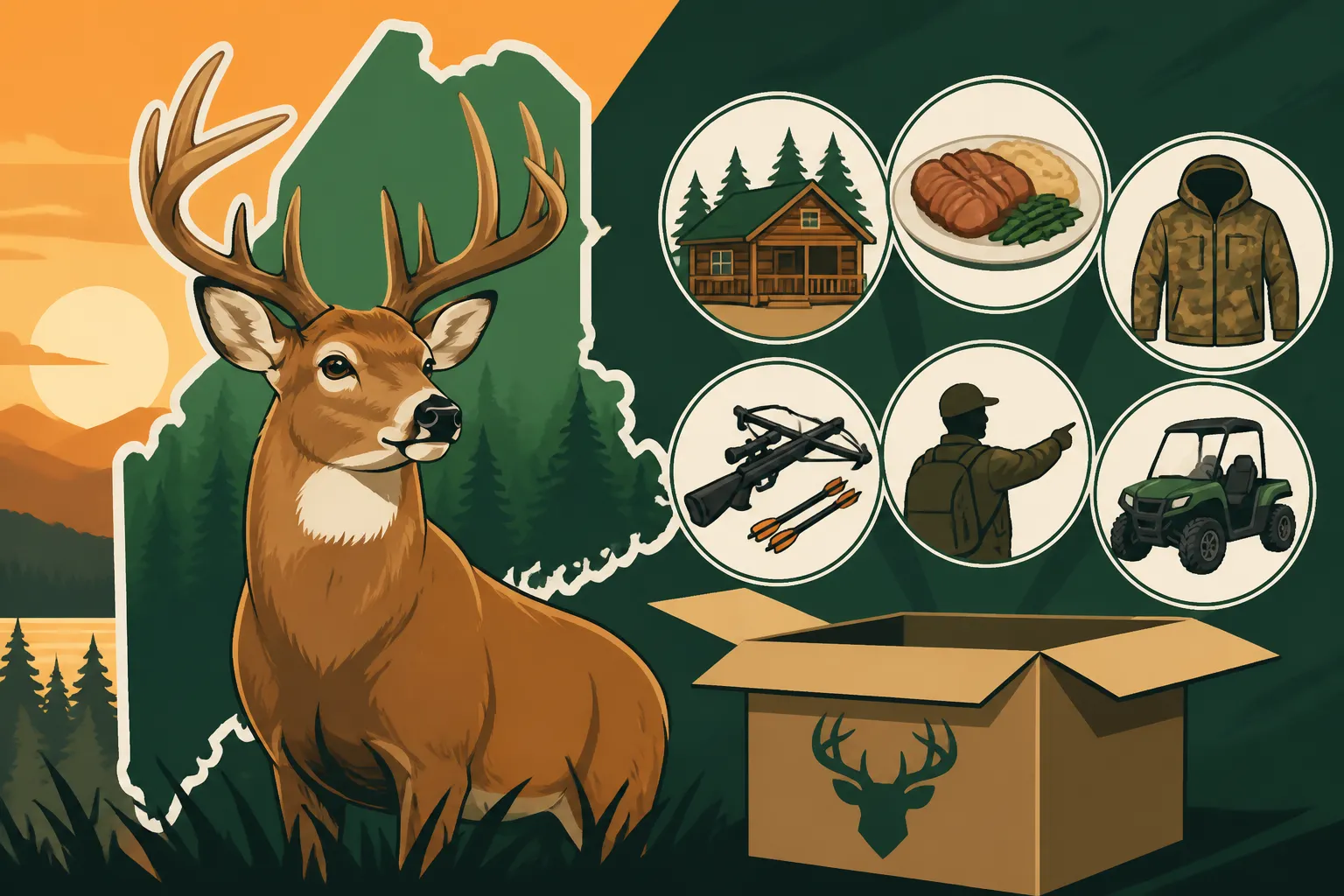
- Accommodations: Most packages will include lodging. This could range from a rustic cabin in the North Woods, a comfortable room in a traditional sporting camp, or a local motel room if hunting closer to developed areas. The quality and amenities of the accommodations will directly influence the package price. Some camps offer shared bunkhouses, while others provide private rooms with more comforts. It's really about finding what fits your comfort level after a long day in the woods.
- Meals: Many full-service packages, especially those based out of sporting camps or lodges, will provide meals. This is a huge convenience, as you won't have to worry about cooking after a cold morning hunt or packing a lunch for the stand. Expect hearty, home-style cooking often served family-style, perfect for fueling up before and after a rigorous day of chasing whitetails. Don't be surprised to see staples like pancakes and bacon for breakfast, a packed lunch for the field, and a hot, savory dinner.
- Transportation During the Hunt: This typically means transportation from the lodge or camp to the hunting areas each day. This might be via truck, ATV, or even snowmobile depending on the terrain and time of year. Guides often have specialized vehicles for getting deep into prime deer habitat, which can be a significant advantage over trying to navigate unfamiliar logging roads on your own. However, this usually does not include your travel to and from Maine itself, just the in-field transport.
Beyond the Basics: Common Add-Ons and Upgrades
While the core elements form the backbone, many outfitters offer additional services that can enhance your hunting experience. These are often where the "package" truly becomes a customized adventure.
- Pre-Season Scouting and Stand Setup: A good guide doesn't just show up on opening day. Many will have done extensive pre-season scouting, locating prime deer sign, identifying travel corridors, and even hanging stands or setting up ground blinds well in advance. Some packages might include this as a premium, or it could be an unspoken part of the guide's service. This is particularly valuable if you're hoping to hunt a specific area or target a mature buck. Scouting With the Maine Hunting App can give you some background, but a guide's firsthand knowledge is usually superior.
- Field Dressing and Game Recovery Assistance: After you've harvested a deer, the work isn't over. Many packages include assistance with field dressing your animal and getting it out of the woods. Hauling a mature buck out of a cedar swamp or off a remote ridge is no small feat, and having an extra set of hands (and often a vehicle or game cart) is a massive benefit. They might also help with initial transport to a local meat processor or to your vehicle. This support can really make or break the end of a successful hunt.
- Processing and Taxidermy Coordination: While actual meat processing or taxidermy work is almost always an extra cost, some outfitters will assist with coordinating these services. They might have relationships with local butchers or taxidermists and can arrange drop-offs, ensuring your hard-earned venison or trophy gets taken care of properly. They can offer insights into Field Dressing a Deer in Cold Weather or preparing your trophy for the taxidermist.
- Gear Rentals: Sometimes, particularly for non-residents flying in, renting certain bulky items like specialized cold-weather gear, snowshoes, or even a firearm might be an option. This isn't common for every outfitter, but it's worth asking if it would simplify your travel logistics.
Understanding Different Types of Maine Deer Packages
Not all deer packages are created equal. The level of service, comfort, and independence can vary significantly, impacting both the price and the overall experience. Understanding these distinctions will help you align your expectations with what's being offered.
Fully Guided Adventures: The All-Inclusive Experience
When you hear "fully guided," think comprehensive support from sunrise to sunset. This is the top tier of service, perfect for hunters who want to maximize their time in the field without worrying about any of the logistics.
- Complete Hands-On Support: With a fully guided package, your guide is with you every step of the way. They'll drop you off at stands, pick you up, track game with you, and essentially manage your hunt day-to-day. You're leveraging their expertise and local knowledge constantly. This is ideal for those who want to learn new techniques or are simply looking for a less stressful, highly managed experience.
- Exclusive Access and Knowledge: Often, fully guided trips mean access to private land or carefully scouted areas that the outfitter has secured rights to. This can translate to less hunting pressure and potentially better odds of success. The guide's intimate knowledge of these specific tracts, including where deer bed, feed, and travel, is part of what you're paying for. They know exactly where to set up for Hunting a Funnel Between Two Woodlots or identify Scrape Lines Along a Logging Road.
- Higher Price Point: Naturally, this level of attention and service comes with a higher price tag. You're paying for the guide's time, expertise, and the overall convenience of a meticulously planned hunt. For many, the peace of mind and increased chances of success make it a worthwhile investment. When comparing options, online platforms like BookYourHunt can be a great resource to see what different outfitters are including in their fully guided deer packages and to read reviews.
Semi-Guided Hunts: A Blend of Support and Independence
Semi-guided packages strike a balance between getting expert assistance and having the freedom to hunt on your own terms. This option is often favored by experienced hunters who appreciate some logistical support but prefer more autonomy in the field.
- Direction and Consultation, Not Constant Companionship: In a semi-guided hunt, the outfitter provides critical information, maps, and insights into hunting areas. They might show you where active sign is, suggest stand locations, or drop you off at a promising spot. However, they won't necessarily be with you in the stand or tracking every step of your hunt. You're expected to be more self-sufficient once in the field. This could involve them getting you set up on an Entry Routes Through a Cut Cornfield and then leaving you to hunt independently.
- Lower Cost, More Responsibility: Because you're taking on more of the day-to-day hunting decisions, semi-guided hunts are typically less expensive than fully guided ones. You save some money, but you also need to be more prepared to navigate, scout, and make your own hunting decisions. It’s a great option if you have a solid understanding of deer behavior but need help with local access or general area knowledge.
- Ideal for Groups: Often, groups of friends will book a semi-guided package. They can hunt together, share information, and still benefit from the outfitter's initial guidance and property access. It's a camaraderie-filled way to experience a new area with some expert backing.
Lodge or Cabin-Based Hunts: Comfort in the Wild
These packages often focus more on the accommodation and less on intense, hands-on guiding. The emphasis is on providing a comfortable base camp from which to launch your daily hunts.
- Comfortable Base of Operations: The main draw here is a cozy lodge or well-appointed cabin, often with meals included. Think of it as a hunting lodge experience where the focus is on a great place to stay, eat, and relax after the hunt. These are perfect for those who want to experience the Maine wilderness without roughing it too much. Many Maine Sporting Camps Explained fall into this category, offering a traditional outdoor experience with creature comforts.
- Flexible Guiding Options: While guiding might be an option, it's often not as intensely hands-on as a fully guided package. You might book a guide for a day or two as an add-on, or simply use the lodge as a base for your own self-guided hunting efforts on nearby public or private lands (with permission, of course). You might still get valuable insights from the lodge owners or staff, who are often experienced local hunters themselves.
- Social Aspect: These camps often foster a strong sense of community. You'll share stories around the dinner table with other hunters, exchange tips, and often forge lasting friendships. It's not just about the hunt; it's about the entire experience of being in Maine's outdoors with like-minded individuals.
Navigating Exclusions: What You'll Likely Pay Extra For
Just as important as knowing what's included is understanding what usually isn't. Many hunters, especially first-timers to Maine, get caught off guard by expenses outside the package price. Being aware of these common exclusions will help you budget accurately and avoid unpleasant surprises.
Licenses, Permits, and Tag Fees
This is perhaps the most common oversight for new hunters. Absolutely no guided package includes your actual hunting license or tags. These are personal expenses that you must secure yourself well in advance of your hunt.
- Maine Hunting License: Every hunter, resident or non-resident, must possess a valid Maine hunting license. The cost varies significantly for residents versus non-residents, and there are different options like combination licenses that include fishing. You'll need to purchase this through the Maine Department of Inland Fisheries & Wildlife (MDIFW) or an authorized agent. Don't forget to check Maine Hunting Licenses and What They Cost well ahead of your trip.
- Deer Permit/Tag: Beyond the general hunting license, you'll need a specific deer permit or tag. If you're hunting an antlerless deer in certain Wildlife Management Districts (WMDs), you might also need an "any-deer" permit, which is typically allocated through a lottery system. Understand the Maine's Antlerless Permit System to see if it applies to your hunting area and goals.
- Other Required Certifications: If you're a first-time hunter, you'll need to complete a hunter education course. For archery hunting, some states also require an archery education certificate. Make sure you meet all the Maine Hunter Education Requirements before you even apply for a license.
Essential Gear, Meat Processing, and Taxidermy
While guides provide invaluable knowledge and access, they generally expect you to come prepared with your own personal hunting equipment and budget for post-harvest services.
- Personal Hunting Gear: This includes your firearm or bow, ammunition, hunting clothes (including the required blaze orange if hunting during firearms season), boots, backpack, binoculars, and any personal comfort items. Outfitters might provide a suggested gear list, and it’s always wise to pack for Maine's unpredictable weather. You won't be able to hunt without your Maine Legal Firearms for Deer Hunting or proper archery equipment.
- Meat Processing: Once you've harvested a deer, the cost of butchering and processing the meat is yours. While your guide might assist with field dressing and transport to a processor, the fees for cutting, wrapping, and potentially freezing the venison are separate. Prices vary depending on the processor and what services you choose (e.g., sausages, jerky).
- Taxidermy: If you're hoping for a shoulder mount or European mount, that's another significant expense. Your guide can often recommend local taxidermists, but the cost, and the logistics of shipping a trophy, will be entirely your responsibility.
- Coolers and Ice: After your deer is processed, you'll need a way to transport the meat home, especially if you're traveling a long distance. Plan on bringing sturdy coolers and budgeting for ice to keep your venison cold for the journey.
Travel, Tips, and Personal Expenses
These are the hidden costs that often sneak up on hunters, but they are an integral part of planning a successful and enjoyable trip.
- Travel to and from Maine: Your plane tickets, gas for your vehicle, car rental, and any overnight stays on the way to your outfitter are all your responsibility. Maine is a big state, and getting to some of the more remote hunting areas can involve significant travel time and expense.
- Gratuities for Guides and Staff: Tipping your guide is customary, much like tipping in other service industries. The amount can vary depending on the quality of service, your success, and the length of the hunt, but it's an important part of a guide's income. Don't forget the lodge staff either, if they've cooked your meals or cleaned your accommodations.
- Alcoholic Beverages: If your package includes meals, it generally covers non-alcoholic drinks like coffee, juice, and water. Any alcoholic beverages are typically an additional expense.
- Souvenirs and Miscellaneous: Don't forget a little extra cash for any souvenirs, unexpected purchases, or emergencies.
Here’s a quick summary table of common inclusions and exclusions:
| Feature | Typically Included (Often in Fully Guided) | Typically Excluded (Always Your Responsibility) |
|---|---|---|
| Guiding Service | Yes (full or semi-guided days) | No (unless specifically a "self-guided" package) |
| Accommodations | Yes (lodge, cabin, camp) | No (if not part of the package, e.g., camping) |
| Meals | Yes (breakfast, lunch, dinner) | No (for self-guided, or alcohol in guided) |
| In-Field Transportation | Yes (to hunting areas from lodge) | No (travel to/from Maine) |
| Pre-Season Scouting | Often (part of guide's prep) | No (if purely self-guided) |
| Field Dressing/Recovery | Often (guide assistance) | No (full processing by butcher) |
| Hunting License | No | Yes (mandatory personal purchase) |
| Deer Tags/Permits | No | Yes (mandatory personal purchase) |
| Personal Hunting Gear | No | Yes (firearms, ammo, clothing, boots, etc.) |
| Meat Processing | No (may assist with coordination) | Yes (fees for butcher services) |
| Taxidermy | No (may assist with coordination) | Yes (fees for taxidermist services) |
| Gratuities | No | Yes (expected for guide & staff) |
| Travel Expenses | No (to/from Maine, rental cars, flights) | Yes (personal travel costs) |
How to Choose the Right Maine Deer Package for You
With so many variables, selecting the perfect deer package requires a bit of introspection about your own hunting style, budget, and expectations.
Assessing Your Budget and Skill Level
Before you even start browsing, have a clear idea of what you can comfortably spend. Deer packages in Maine can range widely, and setting a budget early will help you narrow down your options efficiently.
- Budget Considerations: Be realistic about the total cost, not just the package price. Factor in licenses, travel, tips, and processing. A cheaper package might seem appealing upfront, but if it doesn't include meals or field transport, those costs can add up quickly. Consider What a Guided Maine Deer Hunt Costs truly includes.
- Hunting Experience: Are you a seasoned deer hunter comfortable navigating new terrain and making independent decisions, or are you a newer hunter who would benefit immensely from constant guidance and instruction? If you're still learning the ropes, a fully guided package might be worth the investment for the educational experience alone. If you're confident in your abilities, a semi-guided or lodge-based option could be more cost-effective. Platforms like BookYourHunt allow you to filter by guide experience and package type, which can be helpful.
Asking the Right Questions Before You Book
Never assume. The best way to avoid disappointment is to ask detailed questions upfront. A reputable outfitter will be happy to answer all your inquiries.
- Detailed Inclusions List: Request a precise list of everything included in the package price. Get it in writing if possible.
- Exclusions Clearly Stated: Ask specifically about what's not included, especially licenses, permits, processing, and gratuities.
- Guide-to-Hunter Ratio: For guided hunts, clarify how many hunters will be assigned to each guide. A lower ratio often means more personalized attention.
- Success Rates and Expectations: While no guide can guarantee a kill, ask about their typical success rates for deer. More importantly, discuss what constitutes a "successful hunt" in their eyes and yours. Is it about harvesting any deer, a trophy buck, or simply enjoying the experience? Booking a Guided Maine Deer Hunt often involves managing expectations.
- References: Ask for references from past clients. A good outfitter will gladly provide them, allowing you to get firsthand accounts of their services. This is a crucial step in Vetting a Maine Hunting Outfitter.
- Payment and Cancellation Policies: Understand the deposit requirements, payment schedule, and what happens if you need to cancel or if the guide needs to cancel due to unforeseen circumstances.
- Property Access and Type: Clarify if you'll be hunting private land, public land, or a mix. Also, ask about the terrain and typical hunting methods for the area. Tools like GoHunt can help you visualize land types, but the outfitter’s specific access is key.
- Deer Registration Process: Understand the Maine Deer Registration Requirements after a harvest, and whether the guide assists with this.
By doing your homework and asking the right questions, you can ensure that the Maine deer package you choose perfectly matches your hunting goals and avoids any unwanted surprises. Happy hunting!
Disclaimer
This article is for general informational purposes only and does not constitute professional advice. Laws, prices and regulations vary by location and change over time. Consult a qualified professional for guidance on your specific situation.