Standard Tip for a Moose Guide
Figuring out the appropriate gratuity for your Maine moose guide after a challenging, rewarding hunt can often feel like navigating a dense cedar swamp without a compass. It's a question many hunters ponder, especially those new to guided trips or the unique traditions of the North Woods. This guide aims to demystify the process of tipping your Registered Maine Guide for a moose hunt, giving you a clear understanding of what's considered standard, why, and how to make that decision confidently.
Understanding the Value a Maine Moose Guide Brings to Your Hunt
When you book a guided moose hunt in Maine, you're not just paying for someone to point you to a moose. You're investing in expertise, hard work, and often, a lifetime of local knowledge. Your guide is typically a Registered Maine Guide, a professional who has gone through rigorous training and certification to ensure they are competent in outdoor skills, safety, and local regulations. This isn't just a casual job; it's a demanding profession that requires immense dedication.
The Expertise and Hard Work Guides Provide
Imagine spending days pre-scouting vast tracts of the North Maine Woods, tracking moose sign, studying their patterns, and learning the nuances of a specific zone. That's often what your guide has done before you even arrive. They've likely hiked countless miles, set up game cameras, and spent hours glassing cuts or listening for calls. Once the hunt begins, their role shifts to waking before dawn, navigating challenging terrain, calling in bulls, and making critical decisions in the field. They're often the ones who will lead the arduous task of Field Dressing a Moose in the North Woods and getting that massive animal out of remote country, which is no small feat. This isn't just about finding the animal; it's about making the entire experience as safe, efficient, and enjoyable as possible.
Beyond the Harvest: The Full Guiding Experience
While everyone hopes for a successful harvest, a guide's value extends far beyond the shot. They often cook your meals, maintain camp, share stories, teach you about the local environment, and ensure your comfort and safety in remote conditions. They handle the logistics, from transportation deep into the woods to ensuring all necessary gear is packed. Their positive attitude and deep knowledge of the land, the wildlife, and the hunting process contribute immensely to the overall quality of your trip, regardless of whether you punch your tag. Think about the camaraderie around a campfire, the lessons learned about moose behavior, or simply the peace of mind knowing an experienced hand is leading the way. These intangible elements are a huge part of the Booking a Guided Maine Moose Hunt experience and are often what hunters remember most.
The Investment a Guide Makes
Being a professional guide requires significant personal investment. They've spent years honing their skills, building relationships with landowners and timber companies for access, and acquiring specialized gear—from reliable vehicles and ATVs to robust game carts and recovery equipment. They're often investing in their business throughout the year, even outside of hunting season, maintaining equipment, attending training, and marketing their services. Many guides operate on tight margins, with their income heavily reliant on a few peak hunting seasons. A good tip acknowledges not just the effort during your specific trip, but also this ongoing commitment to their craft and profession. It helps them continue to invest in their business and provide top-notch experiences for future clients.
General Tipping Etiquette in the Hunting Industry
Tipping in the hunting and fishing world is a long-standing tradition, much like in the restaurant or service industry. It’s an important way to show appreciation for hard work and excellent service, especially given the physical demands and unpredictable nature of outdoor guiding.
Why Tipping is a Custom, Not a Mandate
Unlike a fixed fee for a service, a tip is a discretionary bonus, a reflection of your satisfaction and gratitude. While not legally required, it’s a deeply ingrained custom in the hunting industry. Guides often rely on tips as a significant portion of their income, similar to how restaurant servers depend on gratuities. When you’re considering What a Guided Moose Hunt Costs, remember that the base price primarily covers the guide’s operational expenses, insurance, travel, and a baseline wage for their time. The tip is what truly rewards exceptional effort, long hours, and the extra mile they might go to make your trip memorable. It’s a way of saying, "Thank you for making this hunt special."
Industry Averages and Expectations
Across the hunting industry, a common tipping range for guides generally falls between 10% and 20% of the hunt's total cost. For a physically demanding, multi-day big game hunt like moose, most hunters aim for the higher end of this scale for excellent service. This percentage applies to the cost of the guide's service, not necessarily your total out-of-pocket expenses which might include licenses, meat processing, or taxidermy fees. It’s important to clarify what "total cost" means with your outfitter or guide service if you are unsure, but it typically refers to the price of the guided portion of your trip. Many hunters find resources like BookYourHunt helpful in understanding typical package costs, which can then help inform their tipping calculations.
The Guide's Perspective on Tips
From a guide’s perspective, a tip isn’t just about the money; it's also a direct indicator of client satisfaction. A generous tip signals that you truly appreciated their efforts, even if the hunt didn't result in a harvest. Conversely, a minimal or absent tip can communicate dissatisfaction, which, while sometimes warranted, should ideally be accompanied by direct feedback to the guide or outfitter to address any issues. Guides pour their heart and soul into these hunts, often sacrificing time with their own families, and a fair tip is a well-deserved acknowledgment of that dedication. They understand that not every hunt ends with a trophy, but the effort and experience they provide should still be recognized.
Factors Influencing Your Moose Guide's Tip
Deciding on the exact amount for your moose guide’s tip isn't always a straightforward calculation. Several factors can, and should, play into your final decision, allowing you to tailor your gratuity to the unique circumstances of your hunt and the quality of the service received.
Success of the Hunt (Harvest vs. Effort)
It's natural to feel more generous when you've successfully harvested a magnificent bull moose. That feeling of accomplishment is huge! However, it's crucial to separate the outcome from the effort. A truly exceptional guide will work just as hard, if not harder, when the hunting is tough and moose aren't cooperating. If your guide put in long hours, tirelessly called, scouted new areas, navigated challenging weather, and did everything humanly possible to put you on an animal, their effort deserves recognition even if you didn't punch your tag. Conversely, if you harvested a moose on the first morning with minimal effort from the guide (which is rare in moose hunting!), you should still acknowledge their expertise in getting you to that spot, but the overall "wow" factor of their effort might be less intense. A guide doesn't control the animals, but they absolutely control their own dedication and professionalism.
Level of Service and Effort
Did your guide consistently go the extra mile? Were they personable, patient, and attentive to your needs? Did they ensure you were comfortable, well-fed, and safe? Did they offer insights into the woods, the local history, or other aspects of Maine life beyond the hunt? These "above and beyond" elements significantly enhance the experience and warrant a more generous tip. Perhaps they helped you with gear issues, stayed out later than planned, or packed an extra special lunch. If they handled the challenging recovery of your moose with efficiency and strength, that's another indicator of exceptional effort. Think about the physical demands of hauling out a moose—it's incredibly strenuous, and their commitment to getting your game out speaks volumes. Getting a Moose Out of the North Woods is a monumental task.
Overall Experience and Camaraderie
Hunting is often as much about the experience and the company as it is about the harvest. If you genuinely enjoyed spending time with your guide, if they fostered a positive and encouraging atmosphere, and if you felt a good sense of camaraderie throughout the trip, these are all strong reasons to tip well. A guide who is a good conversationalist, who makes you laugh, or who calmly talks you through a tricky shot, contributes immensely to memories that last a lifetime. This connection often forms the bedrock of repeat bookings and strong word-of-mouth referrals. Many hunters discover guides and outfitters through platforms like GoHunt, and these platforms often highlight guides with excellent client reviews that touch on these very aspects.
Duration and Complexity of the Hunt
A multi-day expedition deep into the North Woods often entails more logistical challenges, longer hours, and greater physical demands on a guide than a shorter, more accessible hunt. If your hunt involved extensive travel, remote camp setups, or particularly challenging terrain, the guide's efforts are naturally more significant. Consider the typical timeframe for Moose Hunting Maine's North Woods—it's usually a week-long endeavor, requiring sustained effort. The longer and more complex the trip, the more deserving your guide is of a robust tip, reflecting their continuous dedication over an extended period.
Calculating Your Maine Moose Guide's Tip
Now that we’ve explored the factors, let’s get down to the brass tacks of calculating that tip. While there's no single "right" answer, here are some practical guidelines and scenarios to help you arrive at a comfortable and appropriate gratuity.
Percentage-Based Tipping Guidelines
As mentioned, 10% to 20% of the guide's fee is the industry standard.
- 10-12%: This would be for a good, solid effort. The guide did their job well, but perhaps there weren't any extraordinary moments, or the success wasn't due to overwhelming effort in a tough situation. Maybe conditions were perfect, and the moose walked right out.
- 15%: This is a very good, standard tip for excellent service and a satisfying trip, whether successful or not. The guide was professional, worked hard, and contributed positively to the overall experience. This is often the starting point for a quality moose hunt.
- 18-20% (or more): This is for outstanding service. The guide went above and beyond—maybe they braved terrible weather, scouted tirelessly after a setback, provided exceptional hospitality, or genuinely made the hunt an unforgettable, positive experience despite challenges. If you punched your tag on a tough hunt due to their relentless effort, this range is highly appropriate.
Let's consider an example. If your guided moose hunt package, excluding your license and personal gear, cost $5,000, then:
- 10% tip = $500
- 15% tip = $750
- 20% tip = $1,000
It's a significant amount, but so is the dedication required for a successful moose hunt.
Flat-Rate Tipping for Exceptional Service
Some hunters prefer to think in flat dollar amounts, especially if the hunt cost is very high or very low, making a percentage feel skewed. While percentages are a good baseline, you might adjust up or down based on your personal assessment of the guide's individual performance. For a multi-day Maine moose hunt, a flat rate tip of $500 to $1,000 per guide is often considered appropriate for excellent service, especially if the hunt resulted in a successful harvest and truly memorable experience. For an unsuccessful hunt where the guide still performed exceptionally, a tip in the $400-$700 range would still be very well received, reflecting appreciation for their hard work and effort.
Considering the Cost of the Hunt
The overall cost of your moose hunt package definitely plays a role. If you secured a more budget-friendly hunt through careful planning or a unique opportunity, a higher percentage tip might be a way to acknowledge the guide’s hard work, even if the dollar amount isn't as high as a luxury package. Conversely, if you’re on an extremely high-end, all-inclusive hunt where every detail is managed, the base cost is already reflecting a premium service, but the expectation for a solid tip remains. Remember, the tip is often a guide’s take-home pay for that specific client, separate from the outfitter’s overhead.
Example Scenarios for Tipping
Let's look at a couple of hypothetical scenarios for a 6-day Maine moose hunt costing $6,000 for the guide service:
Scenario 1: The Dream Hunt
You secured your Maine Moose Lottery Application Process permit, booked a fantastic guide, and despite tough weather for the first few days, your guide diligently tracked, called, and repositioned. On day five, after a long stalk, you make a perfect shot on a magnificent bull. The guide, despite being exhausted, helps you quarter and Field Dressing a Moose in the North Woods late into the evening, then manages the challenging extraction with skill and good humor. He’s been a great conversationalist, the camp was well-maintained, and you felt safe and supported the entire time.
- Recommendation: This guide earned a top-tier tip. Aim for 18-20%, or even a bit more if you're feeling especially generous. That's $1,080 – $1,200+.
Scenario 2: The Tough Hunt, Great Effort
You drew a tough zone, and the moose activity was minimal all week. Your guide worked incredibly hard, trying every trick in the book: calling from different locations, trying still-hunting tactics, and walking miles to check new areas. He was always positive, shared fascinating stories, kept you well-fed, and ensured camp was comfortable despite the lack of moose encounters. You didn't get a shot, but you learned a ton and still had a great time in the woods.
- Recommendation: Despite no harvest, the guide’s effort and attitude were exemplary. A 12-15% tip is very appropriate here, acknowledging their hard work without penalizing them for factors beyond their control. That's $720 – $900.
Scenario 3: The Adequate but Unremarkable Hunt
You had a solid hunt, saw some sign, but the guide's effort felt a bit more "by the book" without much extra enthusiasm or innovative tactics when things got tough. You saw a cow and calf, but no legal bull. Camp was fine, and the guide was competent, but there wasn't a strong personal connection or "above and beyond" service.
- Recommendation: A standard 10% tip would be fitting, recognizing their professional service without over-rewarding for a lack of exceptional effort. That's $600.
| Factor Considered | Lower Tip Range (e.g., 10-12%) | Mid-Range Tip (e.g., 15%) | Higher Tip Range (e.g., 18-20%+) |
|---|---|---|---|
| Guide's Effort | Competent, but minimal "above and beyond" effort | Consistent, professional, and dedicated effort | Relentless, extraordinary effort in challenging conditions |
| Hunt Success | Unsuccessful, and perhaps due to some guide complacency | Unsuccessful despite strong guide effort; or successful but easy hunt | Successful hunt directly due to guide's skill and persistence |
| Overall Experience | Fine, but lacking strong camaraderie or memorable moments | Enjoyable, good rapport, positive atmosphere | Exceptional, unforgettable, guide enhanced trip significantly |
| Service Quality | Met basic expectations for safety and logistics | Provided excellent service, comfortable camp, good food | Went above and beyond with hospitality, comfort, and attention |
| Hunt Complexity | Straightforward, easily accessible hunt | Standard multi-day hunt with typical challenges | Remote, difficult access, extreme weather, challenging recovery |
| Physical Demands | Average physical demands on guide | High physical demands, consistently met | Extremely high physical demands, guide showed exceptional endurance |
Remember, these are guidelines. Use them as a starting point, then adjust based on your personal assessment of your guide's performance and your overall satisfaction.
When and How to Present Your Tip
The act of tipping, much like the hunt itself, has its own etiquette. How and when you present your gratuity can be just as important as the amount, reinforcing your appreciation and making the interaction positive for both parties.
Timing Your Gratuity
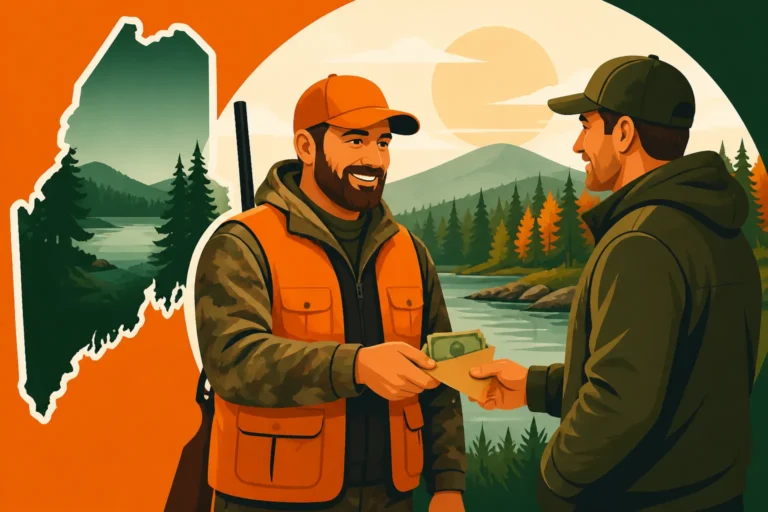
The most common and generally accepted time to present your tip is at the conclusion of the hunt, typically when you are saying your goodbyes and before you head home. This allows you to have the full experience under your belt, so you can make an informed decision about the tip amount. It also provides a clear moment for you to personally thank your guide for their hard work. If there are multiple guides, you might give the tip to the head guide to distribute, or offer individual tips if you spent significant one-on-one time with specific team members. Be sure to ask the outfitter or lead guide what their preferred method is if you are unsure.
Cash or Other Methods
Cash is king when it comes to tipping guides. It's direct, immediate, and ensures the guide receives the full amount without any deductions or delays that might occur with checks or digital payments through an outfitter. Always try to bring enough cash for your tip, especially if you're heading deep into the North Woods where ATMs are nonexistent. Plan this out before you leave home. If cash isn't feasible for a large amount, a personal check made out directly to the guide (or guides) is the next best option. Avoid adding the tip to your credit card payment with the outfitter unless specifically instructed by the outfitter that this is their standard practice and guides receive 100% of it promptly. Some hunters will even bring two separate envelopes of cash, one for a general tip to be split among all camp staff (if applicable) and one specifically for their main guide.
Expressing Your Appreciation
When you present the tip, take a moment to offer a sincere verbal thank you. Specifically mention aspects of the hunt or their service that you particularly appreciated. "John, I really appreciate how hard you worked to get us on that moose, especially when the weather turned. And those campfire stories? Priceless. Thank you for a truly memorable week." This personal touch elevates the gesture beyond just a financial transaction and means a great deal to the guide. They will remember your kind words long after the money is spent. It helps reinforce the bond forged during the hunt and is an integral part of the Maine Deer Camp Traditions that extend to moose and other big game hunts. Your genuine gratitude is often as valuable as the tip itself.
Disclaimer
This article is for general informational purposes only and does not constitute professional advice. Laws, prices and regulations vary by location and change over time. Consult a qualified professional for guidance on your specific situation.