Seasonal Booking Windows for Maine Outfitters
Trying to book a guided hunting trip in Maine can sometimes feel like trying to catch a ghost – prime dates disappear fast, and if you don't know when to look, you're often left with slim pickings. This guide is here to shed light on the unwritten rules of booking windows for Maine outfitters, helping you secure that dream hunt by knowing exactly when to start planning.
Understanding Maine's Hunting Seasons First
Before we even dive into booking schedules, it’s crucial to understand the rhythm of Maine’s hunting seasons. Each species has its own window, and the popularity of that season directly impacts how quickly guides fill up. Thinking about a trip without knowing these basic timeframes is like trying to pack for a vacation without checking the weather forecast!
The Big Game Calendar: Deer, Moose, and Bear
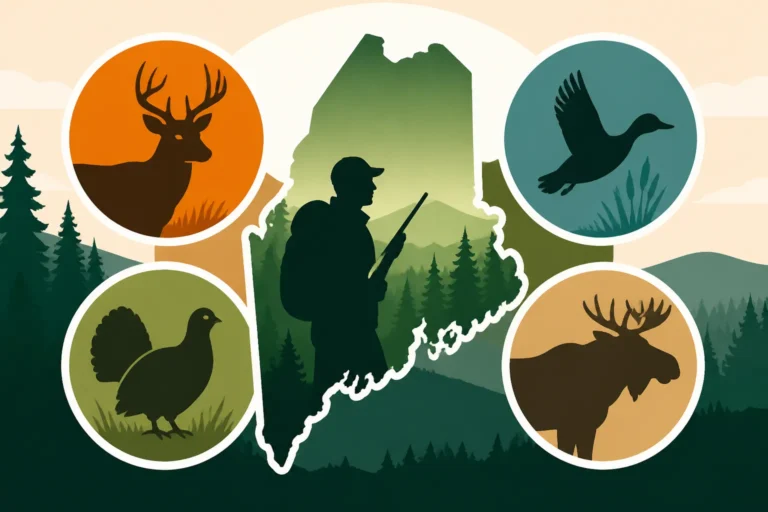
Maine's big game hunting is, without a doubt, the main draw for many. We're talking about the majestic moose, the wily black bear, and the ever-challenging whitetail deer. The seasons for these animals run through different parts of the fall, and each one brings its own unique set of challenges and, more importantly, booking pressures.
For instance, the deer season, particularly the rifle season, spans several weeks in the fall, including the highly sought-after rut period. This is when bucks are most active, and hunters flock to the woods. Maine's Four-Week Firearms Deer Season is a significant event on the calendar, and the opening weeks are always a mad scramble. Moose season is much shorter and permit-based, making it incredibly exclusive. Bear season is unique, offering three distinct legal methods: baiting, hunting with hounds, and trapping, each with its own specific dates. Maine's Three-Method Bear Season spreads out from late summer into late fall, meaning guides might be busy for months, but specific methods will have peak demand periods.
These big game hunts often require significant investment in time, travel, and outfitter costs, which means hunters tend to plan them far in advance. If you're dreaming of a trophy whitetail, a massive bull moose, or a bruin, you absolutely cannot procrastinate on booking your guide.
Upland Birds and Waterfowl Seasons
While big game often steals the spotlight, Maine also offers fantastic opportunities for upland birds and sea ducks. These hunts, while perhaps not as high-stakes in terms of drawing permits, still demand a certain level of foresight, especially if you have specific dates or types of experiences in mind.
Our upland bird season, focusing on ruffed grouse and American woodcock, typically kicks off in the fall and runs for several weeks. These hunts are a classic Maine experience, often involving keen bird dogs working dense cover. The beauty of these seasons is their relatively longer duration, which can sometimes offer a bit more flexibility. However, the prime weeks, particularly when woodcock migration is peaking or grouse are most active, still get snatched up by savvy hunters. Upland Bird and Small Game Hunting in Maine provides a great overview of these opportunities.
Sea duck hunting along our rugged coast is another incredible adventure. Targeting species like eiders, scoters, and long-tailed ducks, these hunts are often dictated by tides and weather, as well as the migration patterns of these unique birds. Maine Sea Duck Season and Zones shows how specialized these hunts are. Outfitters running sea duck charters often have specialized boats and gear, and their availability can be highly dependent on favorable tides and weather windows, making their prime dates surprisingly competitive. Don't let the "smaller game" label fool you; these hunts are every bit as thrilling and require their own booking strategy.
Why "Early Bird" Isn't Just a Saying for Maine Hunts
When it comes to booking a guided hunt in Maine, the old adage "the early bird gets the worm" isn't just a quaint saying – it's an absolute truth, especially for the most coveted experiences. Waiting until the last minute is a surefire way to be disappointed, or at best, settle for dates and guides that weren't your first choice.
The Competitive Nature of Moose and Prime Deer Seasons
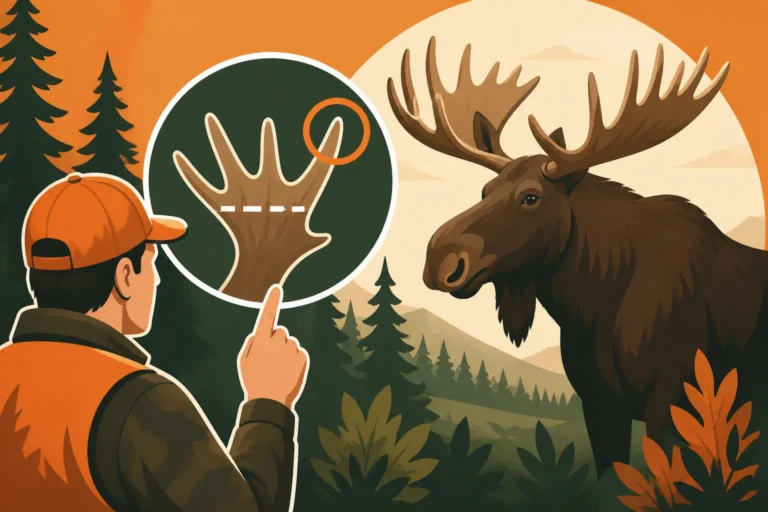
Let's talk about moose. Maine moose permits are highly limited and distributed through a lottery system, making a successful hunt a once-in-a-lifetime opportunity for many. When you've invested time and hope into drawing that tag, finding a quality guide becomes paramount. Outfitters who specialize in moose hunts are often booked solid well over a year in advance. This isn't just about demand; it's about the limited number of permits and the specific, often remote, zones where these hunts occur. Guides need to scout, prepare equipment, and ensure they can deliver on this incredible experience. The Maine Moose Lottery Application Process itself is a long lead-time event, and knowing if you're going to hunt before you book a guide is key. Many successful lottery applicants immediately turn to booking a guide for Hunting a Drawn Moose Zone in the North Woods, only to find the best dates already gone if they haven't planned ahead.
Deer hunting, specifically during the firearms season and especially during the rut, is another fiercely competitive period. Everyone wants to hunt when the big bucks are moving, scent-checking, and making scrapes. Outfitters with access to prime private land or established hunting camps in known big buck country see these weeks fill up almost instantly. It's not uncommon for hunters to re-book the same week with their preferred outfitter year after year, further limiting availability for new clients.
Limited Tags and Exclusive Access
Beyond just popularity, the very structure of Maine's hunting regulations contributes to the early booking frenzy. Moose, as mentioned, are permit-only, and those permits dictate where and when you can hunt. Outfitters often cater to these specific zones, and once they have a few clients lined up, their capacity is quickly reached. It's about quality, not quantity, for most reputable guides.
Similarly, while deer tags are over-the-counter for residents, the ability to harvest an antlerless deer often depends on obtaining an additional permit through Maine's Antlerless Permit System, which also has an application process. For outfitters managing private land, they might have specific allocations or be very particular about how many hunters they take to ensure a quality experience and maintain herd health. Many of the top guides have exclusive access to prime parcels of timber company land or private acreage, and that access is part of what you're paying for. This limited, often proprietary, access means that only a finite number of slots are ever truly available.
Specific Species Booking Windows and What to Expect
Let's break down the typical booking windows by species. This isn't a hard and fast rule, as some guides might have unexpected openings, but it's a solid guideline to help manage your expectations and plan effectively.
Moose Hunting: A Year or More in Advance is Standard
If a guided moose hunt is on your bucket list, you need to think far in advance. We're talking 12 to 18 months, often more. Here's why:
- Permit-Driven: The lottery process for moose permits typically wraps up in early summer. If you draw a tag, the scramble to find a guide begins immediately. However, the savviest hunters often start researching and even tentatively booking guides before the lottery results are announced. They work out agreements where deposits are either contingent on drawing a permit or transferable to the next year if unsuccessful.
- Limited Guides & Prime Zones: The number of experienced moose guides is finite, and the best ones operate in specific, highly productive zones. They simply don't have many spots.
- Preparation: A guided moose hunt involves significant logistical planning, from scouting huge tracts of wilderness to specialized equipment for recovering such a massive animal. Guides need that lead time.
Platforms like BookYourHunt can be a great starting point for researching moose outfitters and their availability, allowing you to see which guides specialize in the zones you might draw, long before the lottery results are even out. Seriously, if you're thinking about Applying for a Maine Moose Permit, you should already be looking at guides and their booking policies for Booking a Guided Maine Moose Hunt.
Bear Hunting: Popularity Drives Early Bookings (6-12 Months)
Maine boasts a robust black bear population, and bear hunting is incredibly popular. With three distinct legal methods (baiting, hounds, and trapping), guides are busy for much of the late summer and fall.
- Baiting Season (Late August to Late September): These are perhaps the most popular guided bear hunts. The bait sites require extensive preparation over weeks, and outfitters run a limited number of active sites. Prime weeks, especially the opener and the two weeks following, often book up 6-9 months in advance.
- Hound Season (September to October): Hound hunting for bears is a thrilling, physically demanding experience. Guides with well-trained packs are highly sought after. These hunts often fill 6-12 months out, as the number of quality hound operations is relatively small, and their season is shorter.
- Trapping Season (September to October): While less common for guided experiences, some outfitters do offer guided trapping. These spots are usually more flexible but still benefit from early planning.
Given the popularity, it's wise to start looking at bear outfitters as early as January or February for a hunt that fall. Websites like GoHunt and BookYourHunt offer directories where you can filter by species and method, helping you find reputable operations that specialize in Baiting Black Bears Legally in Maine or Hunting Bear With Hounds in Maine.
Deer Hunting: The Rut is King (6-9 Months)
Deer hunting in Maine, particularly with a firearm, sees its peak demand during the general firearms season in November.
- Rifle Season (November): The first two weeks of November, often coinciding with the peak of the whitetail rut, are incredibly competitive. Guided hunts during these weeks often book up 6-9 months in advance, with some re-booking annually. Everyone wants a chance at a cruising buck. Hunting the Rut in Early November is the dream for many.
- Expanded Archery & Muzzleloader (October & December): While often less competitive than the rifle rut, these seasons still attract dedicated hunters. Guides specializing in archery or late-season muzzleloader hunts will still see their prime dates fill 3-6 months out. Don't assume you can walk into a December muzzleloader hunt without planning, even if it's less intense than early November rifle.
If you have specific dates in mind, especially around the middle of the general firearms season, aiming to book by late spring or early summer is a smart move.
Turkey Hunting: Spring Gobblers Fill Up Fast (3-6 Months)
Maine's spring turkey season is a short, intense window of opportunity in May, focused on pursuing gobblers.
- Spring Season (May): This is the most popular turkey season, and the early weeks, when gobblers are most active and predictable, fill up fast. Guides who specialize in calling in those wary birds will see their schedules packed 3-6 months in advance. Spring Turkey Hunting in Maine is a blast, but you need to be quick.
- Fall Season (September – November): The fall turkey season is much longer and often less pressured, offering more flexibility. You might find openings with shorter notice, sometimes even a month or two out. However, if you want a specific "breaking a flock" experience, planning ahead is still beneficial for Hunting Maine's Generous Fall Turkey Season.
For spring gobblers, start your search and booking process by late winter (January-February) to ensure you get a quality guide for your desired dates.
Upland Birds and Sea Ducks: More Flexibility, Still Plan Ahead (3-6 Months)
These hunts, while not as fiercely competitive as moose or prime rut deer, still involve specialized knowledge, equipment, and sometimes specific tidal or migration windows.
- Upland Birds (Fall): For grouse and woodcock, prime dates often align with peak foliage and optimal bird activity. Guides with good dogs and access to great cover will fill their weekends and preferred weekdays 3-6 months in advance. Weekdays might offer a bit more wiggle room.
- Sea Ducks (Fall/Winter): Sea duck charters are highly dependent on weather, tides, and bird movements. Guides will often have preferred windows for specific species or conditions. Booking 3-6 months out is a safe bet, especially if you have a specific date range in mind or a particular type of hunt (e.g., layout boat vs. conventional boat).
Even if you're thinking of a more casual bird hunt, contacting guides by late spring or early summer for a fall hunt is advisable. This allows you to discuss expectations, preferred dates, and any specific requirements you might have. Again, online resources like GoHunt can help you find guides and see their general availability for these less-pressured, but equally rewarding, hunts.
Here's a quick overview of typical booking windows:
| Species / Hunt Type | Typical Booking Window | Notes |
|---|---|---|
| Moose Hunting | 12-18+ Months in Advance | Often contingent on lottery success; many hunters book before drawing a permit. Extremely competitive for prime zones. |
| Bear Hunting (Bait/Hounds) | 6-12 Months in Advance | Prime baiting weeks in September and hound hunts in October fill very quickly. |
| Deer Hunting (Rifle Rut) | 6-9 Months in Advance | First two weeks of November are most competitive. Many hunters re-book annually. |
| Deer (Archery/Muzzleloader) | 3-6 Months in Advance | Still benefits from early planning, especially for specific target dates. |
| Spring Turkey | 3-6 Months in Advance | Short, intense season means limited prime dates (early May) fill fast. |
| Fall Turkey | 1-3 Months in Advance | More flexibility, but still plan ahead for specific experiences or popular weekends. |
| Upland Birds (Grouse/Woodcock) | 3-6 Months in Advance | Prime fall dates for peak bird activity and migration. Weekdays might have more availability. |
| Sea Duck Charters | 3-6 Months in Advance | Dependent on tides, weather, and specific migration windows. Specialized gear and boats limit capacity. |
Navigating Last-Minute Openings and Cancellation Policies
Sometimes, despite all the planning advice, life happens. Or perhaps you're a spontaneous hunter hoping to snag a last-minute deal. While challenging, it's not entirely impossible to find an opening, but it comes with its own set of considerations.
The Unexpected Opportunity: When to Pounce
Last-minute openings do occur. Someone might have an emergency, a work conflict, or simply have to cancel their trip. When this happens, outfitters usually want to fill that slot quickly to recoup their costs.
- Direct Calls and Waiting Lists: Your best bet is to call outfitters directly and ask if they have a cancellation list. Be clear about your availability and flexibility. If you're willing to hunt on short notice, especially for a less-peak week or method, you might get lucky.
- Online Platforms: Some platforms like BookYourHunt or GoHunt might occasionally list last-minute openings, but these are rare for highly sought-after hunts. It's more common to find them by direct communication.
- Flexibility is Key: If you're looking for a last-minute slot, you need to be incredibly flexible with your dates, hunting method, and even the species you pursue. Expect to travel quickly and be ready to commit. You might not get your dream dates, but you could still have a fantastic Maine hunting experience.
Understanding Deposits and Refunds
When you book a guided hunt, you'll almost always be required to put down a deposit. This deposit serves a crucial purpose for the outfitter: it secures your spot and helps cover their planning and preparation costs.
- Non-Refundable Deposits are Standard: It's common for these deposits to be non-refundable, especially if the cancellation occurs within a certain timeframe (e.g., 60-90 days before the hunt). Outfitters operate on tight schedules and limited capacities; a last-minute cancellation often means a lost booking that they can't easily fill.
- Read the Fine Print: Before you pay anything, make sure you thoroughly understand the outfitter's deposit and cancellation policy. Ask questions about what happens if you cancel, what happens if they cancel (due to unforeseen circumstances or low animal activity, though the latter is less common in Maine), or if you need to reschedule. For specific details on how these policies work, especially for big game, you might want to review resources like Moose Hunt Deposit and Cancellation Policies.
- Travel Insurance: For significant investments like a guided moose or bear hunt, especially if you're traveling from a distance, consider purchasing travel insurance that covers trip cancellation for reasons like medical emergencies or other unforeseen circumstances. This can provide peace of mind in case you need to back out of a hunt you've booked a year in advance.
Tips for Securing Your Dream Maine Hunt
Booking a guided hunt is an exciting prospect, and with a little strategic planning, you can significantly increase your chances of success.
Research, Communicate, and Be Ready
The journey to a successful guided hunt starts long before you ever step foot in the Maine woods.
- Do Your Homework: Don't just pick the first outfitter you find online. Research several guides who operate in the areas and for the species you're interested in. Look at their websites, social media, and any testimonials or reviews you can find. A great resource for this is Vetting a Hunting Outfitter. What's their experience level? What's their specialty? Do they align with your hunting style and expectations?
- Communicate Clearly: Once you've narrowed down your choices, reach out to them. Don't be afraid to ask questions! Discuss what's included in their packages, their success rates (and what "success" means to them – is it just seeing game, or harvesting?), their approach to hunting, and certainly their availability. Be open about your own experience level and what you hope to gain from the hunt. This honest dialogue helps ensure both parties are on the same page.
- Be Prepared to Commit: When you find an outfitter you like and they have the dates you want, be ready to put down that deposit. Prime dates won't hold indefinitely. Having your finances in order and being prepared to commit when the right opportunity arises is crucial.
Leveraging Online Platforms
The internet has revolutionized how hunters connect with outfitters. While direct communication is always valuable, online platforms can be powerful tools for initial research and narrowing down your options.
- BookYourHunt: Platforms like BookYourHunt allow you to browse a wide array of outfitters by species, location, and even hunting method. You can often see general availability, read reviews from other hunters, and send inquiries directly through the platform. This can save you a lot of time compared to cold-calling dozens of guides. It's a fantastic way to discover guides you might not have found through a simple web search.
- GoHunt: Similarly, GoHunt and other hunting-specific directories can provide listings and profiles for Maine outfitters. These sites often include details about the types of hunts offered, the services provided, and sometimes even a calendar view of availability. They're excellent for comparing different services side-by-side and getting a lay of the land before you make direct contact. Remember, these platforms are starting points; always follow up with direct conversations to confirm details and build a rapport with your potential guide.
Flexibility is Your Friend
While having specific dates in mind is natural, a degree of flexibility can open up more opportunities, especially if you're looking for a guided hunt without a year-long lead time.
- Consider Off-Peak Weeks: Everyone wants to hunt the peak of the rut for deer or the opening week for bear. But what about the week after the opener, or the last week of the firearms season? These "shoulder" weeks can still offer excellent hunting, often with fewer hunters in the woods and potentially more guide availability.
- Explore Different Methods: If a baited bear hunt is booked solid, consider if a hound hunt or even a trapping experience might be an option. Different methods offer unique thrills and might have different booking pressures.
- Look at Alternative Species: If your dream moose hunt is proving elusive, maybe this is the year to try a guided sea duck hunt or a serious upland bird adventure. Maine offers a diverse range of hunting experiences, and being open to new opportunities can lead to unexpected and memorable trips. Sometimes, being flexible on the "what" can open up the "when" significantly.
Ultimately, securing a guided hunting trip in Maine, especially for popular species or prime dates, is a testament to good planning and timely action. Start early, do your research, communicate clearly, and be ready to commit, and you'll be well on your way to making those Maine hunting memories.
Disclaimer
This article is for general informational purposes only and does not constitute professional advice. Laws, prices and regulations vary by location and change over time. Consult a qualified professional for guidance on your specific situation.