Hunting the Expanded Archery Season Into December
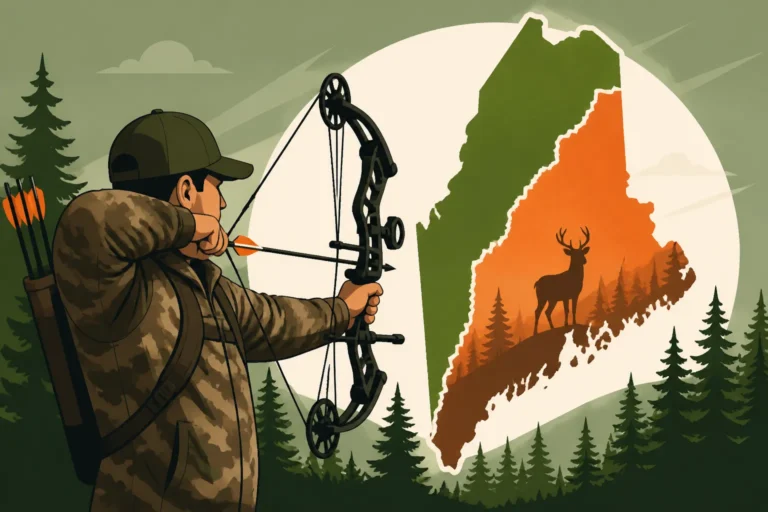
The expanded archery season in Maine offers a unique challenge and a fantastic opportunity to chase whitetails long after the regular firearms season has wrapped up. For many of us, when December rolls around, we're putting away our gear, but those with an expanded archery tag know the game isn't over. This guide will help you navigate the nuances of extending your deer hunt into the crisp, often snowy, days of December in Maine's special archery zones.
Understanding Maine's Expanded Archery Zones
Stepping into Maine's expanded archery season is like unlocking a secret level in your hunting experience. It's a completely different ballgame than the general archery season, and understanding its specific rules and locations is your first key to success.
What Defines an Expanded Archery Zone?
Maine's Expanded Archery Zones are a thoughtful response to growing deer populations in areas closer to human habitation. These aren't your typical vast North Woods timber tracts; instead, they're often found around cities and larger towns, in Wildlife Management Districts (WMDs) like 24, 29, 30, and others where deer numbers can become problematic for residents and their properties. The Maine Department of Inland Fisheries & Wildlife (MDIFW) created these zones to allow for more localized deer management, giving archers an extended opportunity to harvest deer in places where firearms hunting might be impractical or unsafe due to population density. This means you might be hunting small woodlots, suburban green spaces, or agricultural fringes that are much different from the expansive public lands some of us are used to. These zones typically require more careful scouting and a keen awareness of property boundaries and local ordinances.
Season Dates and Key Regulations for December Hunting
The most appealing aspect of the expanded archery season, especially for us die-hard hunters, is its generous length. While the general archery season usually wraps up in November, the expanded zones push well into December, often extending through the 14th of the month. This gives you precious extra weeks to hunt when deer are often concentrated, and snow cover can make tracking easier. You'll need an archery license, of course, and typically an Expanded Archery Deer Permit. The beauty of these zones is that often, you don't need a specific any-deer permit for your first deer—you can harvest either an antlered buck or an antlerless deer. However, it's always critical to double-check the current year's regulations for the specific WMD you plan to hunt, as rules can change. When hunting into December, remember that blaze orange requirements for archery hunters are generally lifted once the firearms season concludes, but this is another point to verify. Safety is paramount, even if you’re not required to wear orange, it’s always a good practice, especially if you expect to be near roads or other hunters. For more general information on the season, make sure to check out details on Maine Archery Season Dates.
Deciphering Late-Season Deer Behavior in December
December deer hunting is not like hunting the early season or even the rut. Deer behavior fundamentally shifts as temperatures drop and food sources dwindle. Understanding these changes is crucial for putting yourself in the right place at the right time.
Food Sources and Their Importance
As December arrives in Maine, the landscape undergoes a dramatic transformation. Hard frosts become the norm, snow often blankets the ground, and many of the early-season food sources like acorns, apples, and agricultural crops like corn have either been consumed, spoiled, or buried. Deer, being highly adaptable, shift their focus to what's left. This often means browsing on woody vegetation – twigs, buds, and bark from species like maples, aspens, cedar, and even some conifers. Finding these late-season food sources for Maine whitetails becomes paramount. You'll want to scout areas with persistent mast crops, such as oaks that might still cling to some acorns, or abandoned apple orchards where deer might be digging through snow for frozen fruit.
In expanded archery zones, specifically, you might find deer keying in on different, perhaps less obvious, food sources. Ornamental plantings in suburban areas, leftover garden vegetables, or even winter wheat fields if they're present, can become critical attractants. Deer are driven by survival at this point, so they'll be seeking out the most calorie-rich and readily available sustenance. Your scouting efforts should concentrate on identifying these remaining food sources and the trails leading directly to and from them. This focused approach can mean the difference between seeing deer and sitting in an empty woodlot.
Bedding Areas and Thermal Cover
Just as food sources change, so do deer's bedding preferences. In the brutal cold of December, their priority shifts from concealment to warmth and energy conservation. This means they'll seek out the densest thermal cover they can find. Look for thick stands of conifers like hemlock, spruce, or cedar, particularly on south-facing slopes that catch more sunlight. These areas offer protection from bitter winds and can be several degrees warmer than open hardwoods. Deer will also bed in very thick brush, blowdowns, or even tight ravines that offer a reprieve from the elements.
In the expanded archery zones, thermal cover might look a little different than in the deep woods. Dense ornamental shrubs in undeveloped lots, overgrown fencerows, or even thickets bordering commercial properties can provide surprisingly effective bedding. Often, these spots are overlooked by hunters who are used to more traditional "wild" settings. Pay attention to how the wind blows and where the deer can get out of it. Finding these hidden havens is key to locating deer that have gone largely nocturnal or are moving very little during daylight hours due to the cold. Remember, a comfortable deer is a settled deer, and settled deer are predictable.
The Impact of Pressure and Winter Weather
By December, especially after the firearms season, deer are incredibly wary. They've been pushed, bumped, and hunted for months, making them significantly more cautious and often more nocturnal. The sharp senses that helped them evade hunters are now heightened, so every detail of your approach and setup matters more than ever. Couple this pressure with the biting cold and potential for heavy snow, and deer movement patterns become even more distinct. During prolonged cold snaps, deer might move more during daylight hours to feed, as they need extra calories to maintain body temperature. However, they will often do so quickly and with extreme caution.
Heavy snow cover can be a double-edged sword. On one hand, it can make tracking deer much easier, as fresh tracks are unmistakable. On the other hand, deep snow makes movement harder for deer, often confining them to established trails, plowed logging roads (if present in the zone), or areas where snow is less deep. This can create predictable travel corridors, but also make them more alert to potential threats. You might find yourself Reading Maine Mud for Fresh Deer Movement in early December before the heavy snows truly set in, or focusing on clearly defined travel routes once the snow is deep. Understanding how deer react to both hunting pressure and the specific winter weather patterns of your hunting days is critical for late-season success.
Strategic Approaches for December Archery
With deer being warier and the weather more unforgiving, your strategies for hunting in December's expanded archery season need to be sharp. This isn't the time for guesswork; it's the time for precision and patience.
Scouting and Trail Camera Usage
Late-season scouting is absolutely non-negotiable, especially in the expanded archery zones where conditions and deer patterns can change rapidly. The good news is that after the leaves have dropped, visibility dramatically improves, revealing deer trails, rubs, and scrapes that might have been hidden earlier in the season. Your primary focus should be on identifying those critical late-season food sources and the most protected bedding areas. Look for fresh tracks in light snow, browse lines, and active droppings that indicate current deer usage. I often find myself spending hours just walking edges and pinch points, trying to visualize how deer might travel through an area.
Trail cameras become invaluable tools for confirming deer presence and understanding their movement patterns without adding pressure. Position them on trails leading to and from known food sources, at bottlenecks, or along the edges of dense cover. Pay close attention to the time stamps on your photos – are deer moving during daylight hours, or mostly under the cover of darkness? This data will dictate your hunting schedule. Tools like GoHunt or other mapping apps can be incredibly helpful here, allowing you to mark specific deer sign, plan your approach routes, and identify property boundaries with precision. For more tips on preparing your hunt, consider reading Scouting Maine Private Land Before Season. This meticulous pre-hunt preparation is often the biggest factor in December success.
Stand and Blind Placement for Wary Deer
When deer are pressured and the weather is cold, their tolerance for intrusion is extremely low. This means your stand or blind placement must be as stealthy and effective as possible. In many expanded archery zones, particularly those with smaller woodlots or suburban fringes, ground blinds can be an excellent option. They offer superior concealment and a full enclosure to keep you warm and minimize movement. When using a ground blind, remember to set it up well in advance if possible, allowing deer to get used to its presence. Better yet, embrace the natural environment by Brushing In a Blind on a Field Edge to make it blend seamlessly.
If you opt for a treestand, focus on areas with dense cover for your backdrop, like a thick pine or hemlock. Try to use natural cover to break up your silhouette. Think about pinch points and funnels that deer are forced to use between bedding and feeding areas, especially those offering thermal protection. Wind direction is even more critical now; with colder temperatures, your scent will carry further, and wary deer will pick it up quickly. Always play the wind, even if it means sacrificing your "perfect" spot. Remember that deer are often traveling slower and more deliberately in the cold, offering you a bit more time for a shot, but also more time for them to detect you. Learn more about Hanging a Stand on a Private Land Field Edge to maximize your chances.
Mastering the Approach and Exit
Your entry and exit from your hunting location can make or break your December hunt. Deer are on high alert, and any disturbance can send them scurrying, potentially ruining future hunts in that spot. The goal is to be as invisible and silent as possible. Plan your routes carefully, using natural terrain features like creek beds, drainage ditches, or dense tree lines to conceal your movement. Walk slowly, deliberately, and avoid breaking twigs or rustling leaves unnecessarily.
In expanded archery zones, where you might be close to residential areas, minimizing noise and visibility is even more important. Avoid walking directly through known deer bedding areas during your approach, as this will only alert them. Time your entries and exits to coincide with low-activity periods for deer, if possible, or when you can use the cover of dim light to your advantage. A smart approach and a quiet exit ensure that the deer you're hunting remain undisturbed, increasing your chances of success on subsequent hunts. This stealthy behavior is a crucial part of a successful Cold-Weather Sitting Strategy in Maine.
Overcoming Challenges and Maximizing Success
Hunting the expanded archery season into December is not without its difficulties, but with the right mindset and strategies, these challenges can be overcome, leading to some of the most rewarding hunts of the year.
Dealing with Limited Access and Public Perceptions
One of the biggest hurdles in expanded archery zones is often access. Unlike vast tracts of public land, these areas are typically a patchwork of private parcels, often close to or interwoven with residential developments. While Maine has a tradition of implied permission for recreational access, this is not always the case, and being a good ambassador for hunting is paramount. Always, and I mean always, err on the side of caution and secure explicit permission from landowners, especially when hunting close to homes or in smaller woodlots. Asking for Getting Landowner Permission in Maine upfront builds trust and ensures you're hunting legally and ethically.
Furthermore, hunting in these areas means you might encounter non-hunters, dog walkers, or other recreational users. It's crucial to be respectful, courteous, and always maintain a low profile. Using a ground blind can help keep you out of sight, and being mindful of your appearance and actions can go a long way in shaping public perception of hunters. Remember, every interaction is an opportunity to show that hunters are responsible and respectful members of the community. Leveraging tools like GoHunt's property line overlays can be invaluable for identifying who owns what and who to contact for permission, helping you navigate these complex landscapes with confidence. You want to focus on Using a Ground Blind on Posted-Free Land rather than making a ruckus.
Cold Weather Gear and Patience
Hunting in December in Maine means dealing with the cold, plain and simple. Proper layering is absolutely essential for comfort and safety. Start with a moisture-wicking base layer, add insulating mid-layers like fleece or wool, and top it off with a windproof and waterproof outer shell. Don't skimp on insulated boots, warm gloves or mittens, and a good hat—you lose a lot of heat through your head. Hand warmers and toe warmers can be your best friends on a long sit, making the difference between enduring an hour and staying out for half a day.
Patience, dear hunter, is a virtue that will be tested in the late season. Deer movement can be sporadic, especially after a cold front. You might experience long stretches of quiet, but don't give up. Deer often move during midday in December to conserve energy by feeding during the warmest part of the day. Be prepared for longer sits, and ensure your gear keeps you comfortable enough to stay focused. Remember, it only takes one deer to make the whole day worthwhile. For deeper insight, consider strategies for hunting after a cold front to understand how deer respond to temperature drops.
Shot Placement and Recovery in Harsh Conditions
With layers of heavy hair and potentially a thick fat layer, late-season deer are incredibly resilient. This makes ethical shot placement even more critical. Aim precisely for the vital organs – the lungs and heart – and only take shots you are 100% confident in. Broadhead selection also plays a role; ensure you're using sharp, well-maintained broadheads that will create maximum hemorrhage and quick, ethical harvests.
After the shot, patience becomes paramount again. Even if the shot felt perfect, resist the urge to immediately jump out of your stand. Give the deer ample time, at least 30-60 minutes for a good lung shot, and several hours for a liver or gut shot. The cold weather can actually help by slowing blood coagulation, but it also makes blood trailing more challenging if snow is sparse or conditions are icy. When you do begin tracking, move slowly and deliberately. Look for not just blood, but also overturned leaves, broken twigs, and scuff marks in the snow. If tracking conditions are poor or darkness approaches, consider backing out and returning in the morning with fresh eyes and possibly some assistance. If you find yourself needing to track after sunset, review guidance on Blood Trailing After Dark in Maine. Recovering your deer ethically is the final, and most important, step in a successful hunt.
Expanded Archery Season Considerations
Here's a quick look at how late-season expanded archery hunting compares to the early season.
| Feature | Early Expanded Archery Season (Sept/Oct) | Late Expanded Archery Season (Dec) |
|---|---|---|
| Deer Behavior | Patterning based on summer/fall routines, less pressure. | Highly pressured, focus on survival, wary. |
| Primary Food Sources | Acorns, apples, soft mast, lush green forage, agricultural crops. | Woody browse, persistent mast, dug-up root crops, ornamental plants. |
| Bedding Areas | Good concealment, often in open hardwoods or light cover. | Dense thermal cover (conifers), south-facing slopes, thickets. |
| Weather Conditions | Mild to cool, full foliage, potentially rainy. | Cold to bitter cold, potential for snow/ice, bare trees. |
| Visibility | Limited by dense foliage. | Increased by leaf drop, but decreased by snow/fog. |
| Tracking | Challenging on dry leaves. | Easier with fresh snow, harder on ice or bare frozen ground. |
| Tactics | Ambush trails, blind calling, rattling (pre-rut). | Precision stand/blind placement near food/cover, minimal movement. |
| Clothing | Lighter layers, rain gear. | Heavy, insulated layers, wind/waterproof outer, hand/foot warmers. |
| Deer Activity Peaks | Dawn/Dusk, sometimes mid-day during rut. | Often midday for feeding, otherwise low light. |
Disclaimer
Please note that hunting regulations, season dates, and permit requirements in Maine can change. Always consult the official Maine Department of Inland Fisheries & Wildlife (MDIFW) website or their most current hunting law book before planning any hunt. This guide is for informational purposes only and does not supersede state regulations.