Calling a Bull Moose in Late September
The crisp air of late September in Maine brings with it a unique set of challenges for moose hunters, especially when it comes to calling in a bull. Many folks get frustrated because the aggressive, crashing bulls of early September seem to vanish, replaced by more cautious, warier animals. This guide is here to walk you through the nuances of calling a bull moose effectively during this often-overlooked but highly productive late September window, transforming your approach and boosting your confidence.
Understanding the Late September Moose Rut
Late September is a fascinating time in the Maine moose woods. It's often when the rut, the breeding season, is truly heating up, but it doesn't always present itself as the loud, boisterous affair many hunters envision. The bulls are certainly thinking about cows, but their behavior might be more subtle than you'd expect.
The Shifting Phases of the Rut
Early September sees a lot of "pre-rut" activity, with bulls testing the waters, establishing dominance hierarchies, and sometimes engaging in full-on sparring. They might respond aggressively to a challenging bull grunt or a branch raking. However, by late September, many of the dominant bulls have either already located cows or are actively seeking them out with a more focused, less confrontational approach. This is often the peak of the breeding window, but it’s more about finding and tending cows than it is about outright brawling.
You'll notice a distinct shift. The bulls are less inclined to charge into a challenge from another bull and more interested in the promise of a receptive cow. This means your calling strategy needs to adapt. You’re not trying to pick a fight; you're trying to play matchmaker. Imagine a bull that's already worked hard to find a cow – he's not going to risk an unnecessary brawl if he can quietly slip in to investigate a new, alluring cow call. This shift in mindset for the moose means a shift in tactics for us as hunters.
Reading Moose Sign and Behavior
Even though calling is the focus, don't underestimate the power of keen observation in late September. The sign you find can tell you a lot about the local moose population and what stage of the rut they're in. Look for fresh rubs on trees, especially larger ones, indicating a bull has been in the area. These rubs are often higher up than deer rubs, sometimes chest-high or more, on smaller spruce or fir trees. Wallows – muddy depressions where bulls roll and urinate – are also prime indicators of a bull's presence and excitement. A fresh wallow, still wet and stinking of moose, means a bull was recently there, perhaps trying to attract a cow or scent mark his territory.
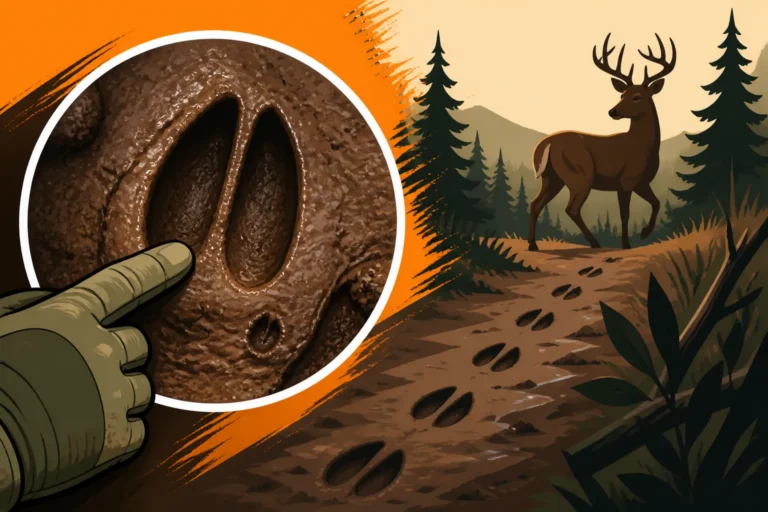
Beyond the obvious, pay attention to tracks. Are they fresh, large, and moving with purpose? Are there parallel tracks, indicating a bull might be following a cow? You might even spot areas where vegetation has been thrashed, showing where a bull has expressed his frustration or dominance. Using a mapping application like GoHunt can help you mark these signs and build a picture of moose movement in your chosen area. While looking for these signs, you might also consider what the overall habitat suggests. Moose prefer a mosaic of habitats, often near water, with young forest for browsing and dense cover for bedding. Understanding the local moose habitat in the North Woods can help you predict where they might be traveling between feeding and bedding areas.
Essential Calls and How to Use Them Effectively
Successful moose calling in late September relies on a nuanced understanding of their communication. It's less about volume and more about authenticity and timing. Think of it as a conversation, not a shouting match.
Cow Calls for Enticement
The cow call is your bread and butter in late September. It's the sound that says, "Hey big boy, I'm over here, and I'm interested!" There are several types of cow calls you can use:
- Mouth calls: These are often diaphragms, similar to turkey calls, that fit in your mouth. They allow for hands-free operation and a wide range of vocalizations.
- External reed calls: These are typically handheld calls where you blow through a reed to produce the sound. They can be very realistic.
- Homemade or natural calls: Some hunters use birch bark or even their cupped hands to mimic a cow's bawl. The key is to produce a deep, resonant "mooooo-AAAAAH" sound that tapers off.
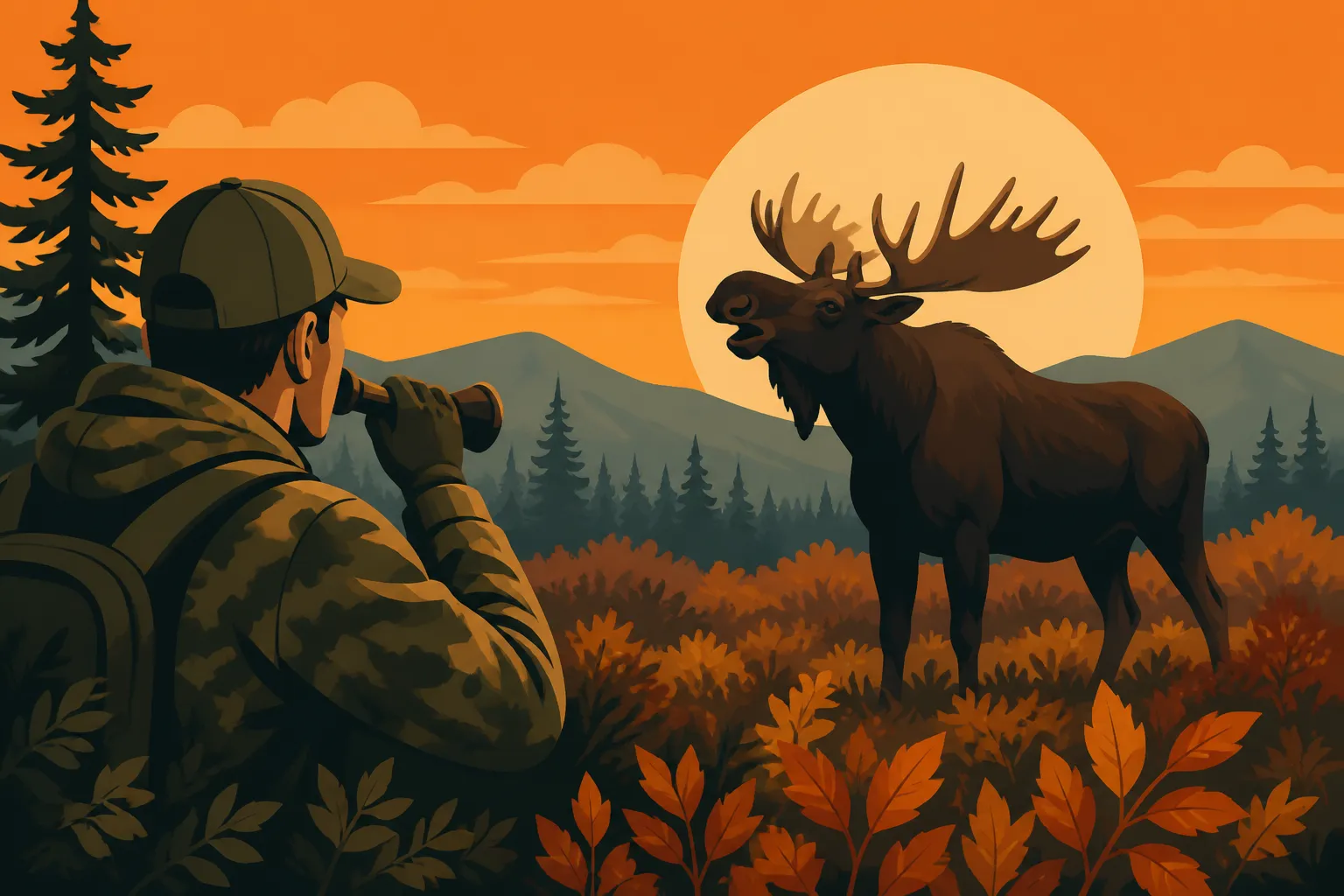
When using a cow call, think soft, pleading, and slightly mournful. You're trying to sound like a lonely cow looking for a mate. Start with a few soft, drawn-out calls, then pause. Wait. Listen intently. Moose have incredible hearing, and they'll often approach silently. If you get no response, you can try to increase the volume slightly, or perhaps change the cadence, but always err on the side of subtlety. Don't be afraid to incorporate movement, too. As you call, consider swaying slightly or shuffling your feet to mimic a moose moving through the brush. Remember, you're trying to paint a picture with sound. A bull might not come charging in, but he might skirt downwind to get a better scent or quietly circle in. Patience is absolutely crucial here.
The Subtlety of Bull Grunts and Rakes
While the cow call is primary, bull grunts and raking sounds still have their place in late September, but they need to be deployed with far more subtlety than earlier in the season. Instead of aggressive, challenging grunts, think more about locator grunts – sounds that indicate a bull's presence without directly inviting a fight. A soft, guttural "Urrrp…urrrrp" can pique a bull's curiosity, making him think another bull is in the area but not necessarily a threat to his dominance.
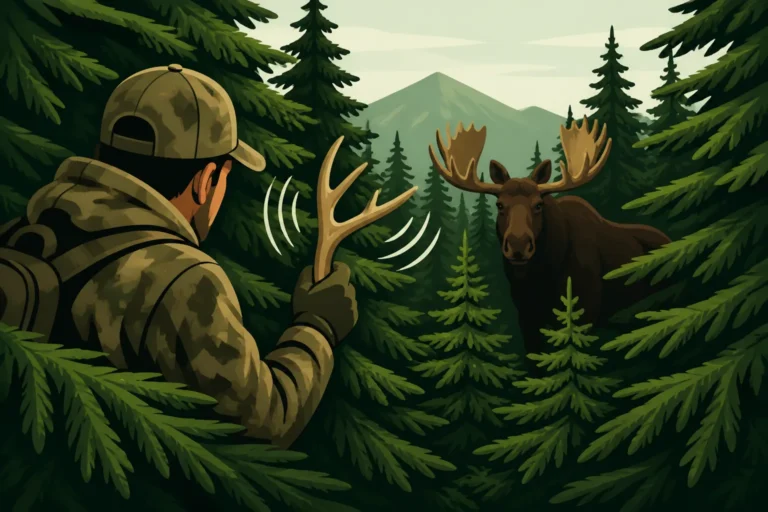
Raking branches with a moose paddle (or even a shoulder blade from a previous harvest) can be incredibly effective, but again, moderation is key. You're not trying to sound like two bulls locked in battle. Instead, a few short, sharp rakes against a small tree or bush, followed by a grunt or a cow call, can simulate a bull casually browsing or marking territory while keeping an eye out for cows. This creates a realistic scenario: a bull doing bull things, perhaps encountering a cow. This combination, known as a "challenge/cow" sequence, is potent. You're setting up a scene: a bull is in the vicinity, and he’s found a cow, or at least he’s making some noise that a cow might find interesting. Using an app like GoHunt to mark your calling locations and note responses can help refine your strategy over time, especially when considering different moose density by Maine region.
Strategies for Calling Stubborn Late September Bulls
Late September bulls can be notoriously stubborn. They've heard it all, seen it all, and often have specific intentions. Your calling strategy needs to be adaptive, patient, and keenly aware of the environment.
Situational Calling: Wind, Terrain, and Timing
The environment plays a massive role in successful moose calling. First and foremost, always prioritize the wind. Moose have an incredible sense of smell, and if they catch your scent, the hunt is over. Always try to call with the wind in your face, or at least across you, so your scent blows away from where you expect the moose to approach. Scouting with tools like GoHunt, which can show wind direction overlays, is incredibly helpful. This is also important for how far your sound carries.
Terrain also impacts sound. Calls carry differently over water, through dense timber, or across open cuts. Utilize natural funnels, ridges, and swamps. A call echoing off a ridge can sound like it's coming from deeper in the woods, drawing a bull closer to investigate. Calling from a high point can help your calls travel further. The best times of day for calling are typically early morning and late evening, mirroring prime feeding and movement times for moose. However, don't discount midday calling, especially on overcast or drizzly days, when moose might still be active. Sometimes a mid-day call can catch a bull off guard while he's bedded. When you're packing for a North Woods moose hunt, remember to include gear that helps you stay comfortable during these long, patient waits, like a lightweight sitting pad or a small tarp for shelter.
Patience and Persistence: The Maine Moose Hunter's Virtues
If there's one golden rule for calling moose in late September, it's patience. These aren't whitetail deer that might come sprinting in. Moose often take their time, sometimes 30 minutes to an hour, or even longer, to respond. Your calling sequences might need to be extended. Try a series of cow calls, followed by 10-15 minutes of absolute silence, listening intently. Then, perhaps a soft grunt and some raking, followed by another long pause. You are not just calling; you are listening for the subtle sounds of a bull easing his way in. He might snap a twig, grunt softly in response, or just materialize out of the thick spruce.
Setting up for a long wait means choosing a comfortable spot with good visibility and clear shooting lanes, yet still offering concealment. You might consider using a ground blind on posted-free land if you plan on extended sits. The art of "still-calling" is about letting the woods work for you. Make your calls, then become part of the landscape. Trust that the sounds you made will travel, and that if a bull is interested, he will eventually make his move. Many successful late-season moose are taken by hunters who were simply willing to wait out an interested bull.
Common Mistakes and How to Avoid Them
Even seasoned hunters can make mistakes when calling moose. Being aware of these common pitfalls can significantly increase your chances of success.
Over-Calling and Under-Calling
Finding the right balance in calling is an art form, not a science, and it’s especially critical for those late September bulls. One of the most common mistakes is over-calling. If you constantly blast calls into the woods, you risk sounding unnatural, aggressive, or worse, like a hunter. A wary bull will often circle downwind to scent-check the source of the noise, and too much commotion can make him hang up out of range or simply leave. Less is often more. Think about a real cow or bull; they don't typically make noise constantly. There are natural lulls in their communication.
Conversely, under-calling can also be a problem. If you only make a couple of calls and then leave, you might miss a bull that was slowly working his way in. The key is to react to the bull's response, or lack thereof. If a bull grunts back, ease off the aggressive calling and focus on soft cow calls to draw him closer. If there's no response, wait patiently, then try a different sequence or call type. Remember that a silent approach from a bull is a common behavior, so even if you hear nothing, maintain vigilance. Keep your eyes peeled for any movement. You can find more insights on what a drawn moose zone assignment means and how to prepare for it, as some zones are known for these more cautious moose.
Ignoring Environmental Cues
Moose are masters of their environment, and they communicate not just with sound, but with subtle movements, body language, and scent. Ignoring these environmental cues can cost you a shot. Always pay attention to subtle sounds beyond your own calling: the rustle of leaves that isn't wind, a distant branch snap, or the soft grunt you barely heard. These could be the first signs of a bull approaching.
Using high-quality binoculars is crucial for picking apart the dense Maine cover. Scan constantly, not just where you expect a moose to appear, but all around you. A bull might approach from an unexpected angle, especially if he’s circling downwind. Look for movement, a flash of antler, the dark shape of a body among the trees. Understanding how moose move through their habitat, like recognizing a cedar swamp deer yard (which moose also frequent), or knowing where moose beds in big timber, can help you predict their approach. Combining your calling efforts with a detailed map on GoHunt, identifying potential travel corridors or bedding areas, can put you in a prime position to intercept a silently approaching bull.
| Rut Phase | Bull Behavior (Late Sept.) | Primary Calling Strategy | Call Volume | Response Expectation |
|---|---|---|---|---|
| Early Rut | Aggressive, establishing dominance, challenging other bulls | Aggressive Grunts, Branch Raking | High | Fast, confrontational |
| Peak/Late Rut | Seeking and tending cows, less confrontational | Pleading Cow Calls, Soft Locator Grunts | Moderate-Low | Slow, cautious, silent approach |
Disclaimer
Hunting carries inherent risks, and conditions in the Maine wilderness can be unpredictable. Always prioritize safety, adhere to all local and state regulations, and ensure you have the proper licenses and permits. This guide is for informational purposes only and does not substitute professional guidance or mandatory hunter education.