Working a Creek Bottom for Late-Season Deer
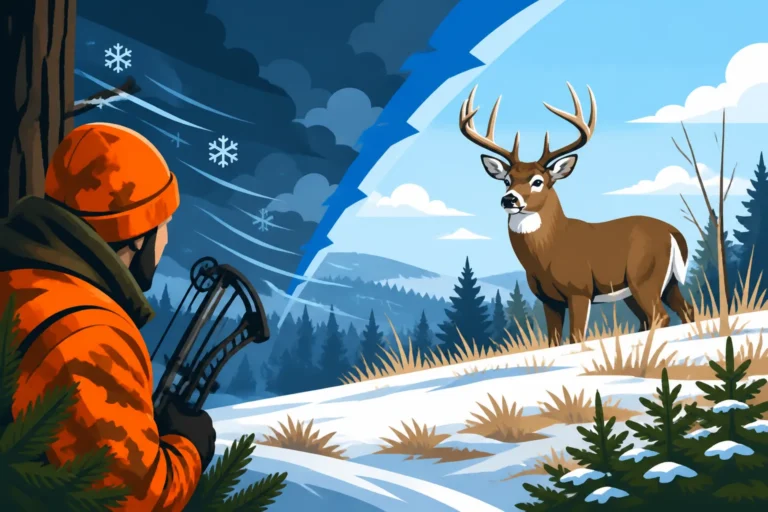
Late in Maine's deer season, when the leaves have fallen, temperatures plummet, and a blanket of snow often covers the landscape, deer hunting can feel like a completely different sport. The big woods seem vast and empty, and the deer that remain are wise, wary, and focused intensely on survival. They're no longer casually browsing, but actively seeking out the most efficient thermal cover and consistent food sources. This deep dive will explore how targeting creek bottoms during this challenging period can turn a slow hunt into a successful one, providing a comprehensive guide to understanding, scouting, and effectively hunting these late-season havens for Maine's whitetails.
Understanding Late-Season Deer Behavior in Maine's Creek Bottoms
Creek bottoms might not be the first place you think of when envisioning classic Maine deer hunting, but as the season wears on, they transform into vital lifelines for whitetails. The dynamics of deer movement, bedding, and feeding shift dramatically once the regular Maine's Four-Week Firearms Deer Season has wound down and hunters are often left with only the late archery or Muzzleloader Deer Hunting in Maine opportunities. Understanding these shifts is key to leveraging creek bottoms to your advantage.
Why Creek Bottoms are Late-Season Magnets
Imagine a frigid December morning, the kind where your breath freezes in the air and the wind slices through exposed timber. Where would you go if you were a deer, trying to conserve every calorie and stay out of the biting wind? You'd seek shelter, and creek bottoms offer just that, often in spades. They act as natural thermal sinks, providing protection from the relentless Maine winds. The topography itself, with banks and folds, creates pockets of warmer air. More importantly, these areas are often lined with dense evergreen cover – think thick stands of cedar, spruce, and fir – which intercepts falling snow and wind, creating crucial thermal cover that helps deer retain body heat.
Beyond thermal advantages, these low-lying areas often retain moisture longer, meaning certain browse, like young cedar shoots or dogwood, might stay palatable for a bit longer than exposed hillside vegetation. When deeper snow blankets the uplands, the sheltered conditions in a creek bottom can make it easier for deer to move and access these vital late-season food sources. It's not just about food; it's about efficient energy expenditure. A deer doesn't want to slog through waist-deep snow on an open ridge if it can find relatively clear travel and accessible food in a sheltered bottomland. This combination of shelter, easier travel, and accessible browse makes creek bottoms a consistent draw, especially when the mercury drops.
Deer Movement Patterns Along Waterways
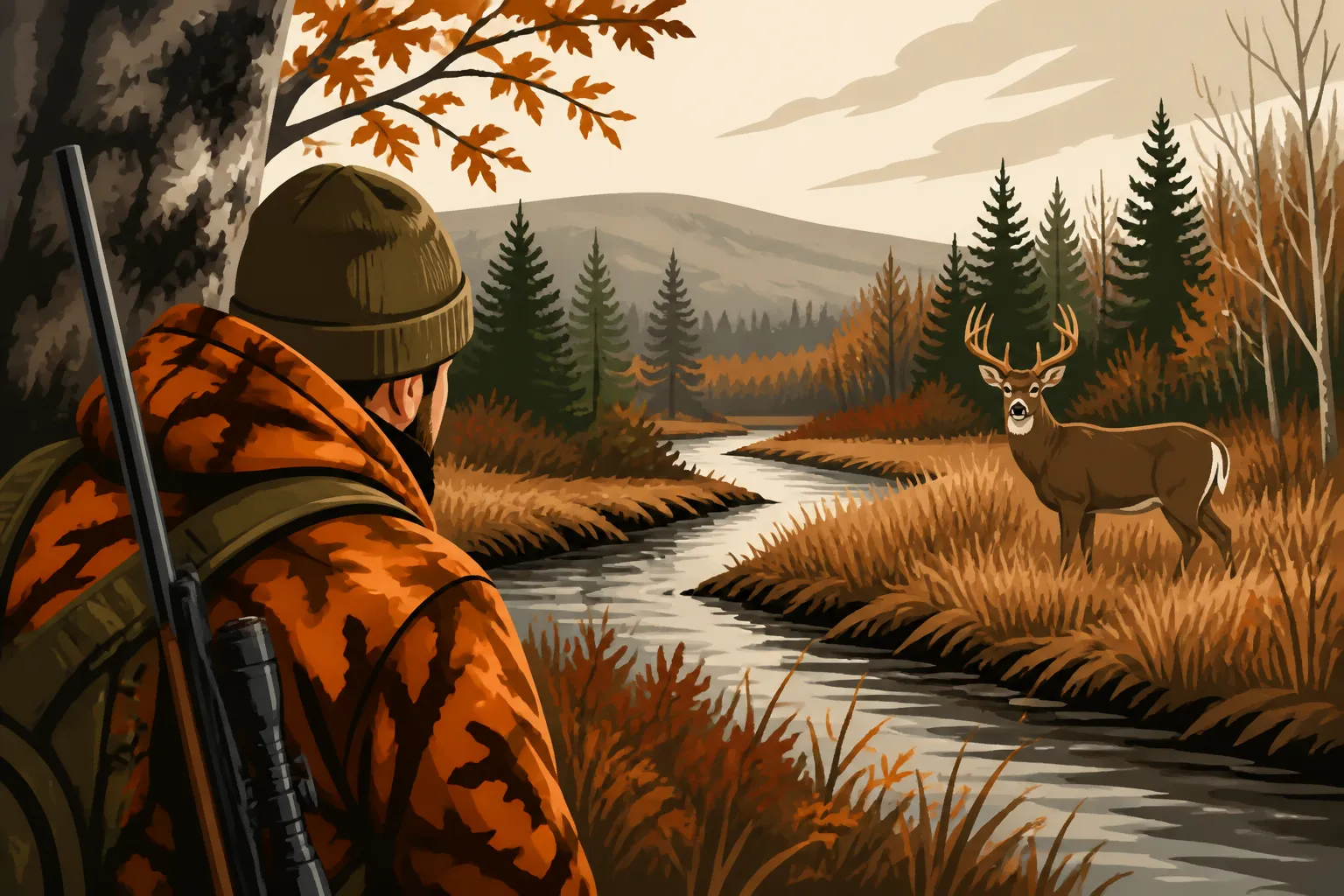
Deer, like all wild animals, are creatures of efficiency. In the late season, their movements become even more purposeful and restricted to areas that offer the best combination of safety, food, and cover. Creek bottoms naturally create linear travel corridors. Instead of traversing open hardwoods or exposed ridges, deer will often funnel along the banks, particularly where the cover is thickest. These waterways serve as natural highways, connecting bedding areas in dense swamps or cedar thickets to feeding areas, which might be a standing cornfield on adjacent private land or a cluster of remaining oaks on a nearby slope.
Pay close attention to where smaller drainages converge into a larger creek, or where the creek itself makes a sharp bend, creating a pinch point. These specific features are often high-traffic zones as deer naturally follow the path of least resistance. Additionally, deer will often use these bottoms as escape routes when pressured. If a hunter pushes through an upland area, deer frequently drop into the thick cover of a creek bottom to evade detection, using the contours and vegetation to disappear silently. Recognizing these patterns and understanding how deer use the terrain for travel and escape is crucial for intercepting them in a late-season setup.
Scouting and Locating Promising Creek Bottoms
You can’t just walk into any random creek bottom and expect success. Effective late-season hunting demands meticulous scouting, both from afar and on the ground. By combining modern technology with traditional woodsman skills, you can significantly narrow down your search and identify the most productive spots.
Pre-Season Aerial Reconnaissance
Before you even set foot in the woods, high-quality aerial maps are your best friend. Tools like GoHunt or other mapping platforms are invaluable for identifying potential creek bottom hotspots. Start by looking for areas where dense evergreen cover—often appearing as darker green patches—borders a waterway. Pay particular attention to cedar swamps or spruce thickets that parallel a creek. These are prime candidates for thermal bedding cover.
Next, look for confluences where two smaller creeks or drainages meet a larger one. These intersections often create natural funnels that concentrate deer movement. Also, scan for pinch points: areas where the dense cover of a creek bottom narrows between two distinct terrain features, like a ridge and a field edge, or where the creek itself makes a sharp turn, forcing deer into a confined space. Overlaying topo maps can help identify subtle elevation changes and bank steepness, which might influence how deer navigate the terrain. Don't just focus on the creek itself, but also the surrounding landscape. Does it connect to a known Late-Season Food Sources for Maine Whitetails or a large block of undisturbed timber? Identifying these connections from an aerial view allows you to create a mental map of deer highways and sanctuaries. Consider checking out Reading Aerial Photos for North Woods Deer for more detailed strategies on this.
On-the-Ground Sign Reading
While aerial maps give you the big picture, nothing beats boots on the ground for confirming those potential hotspots and finding fresh sign. Once you've identified a promising creek bottom from your maps, it's time to hit the woods. In the late season, fresh deer tracks in the snow along the creek banks are like gold. Look for consistent travel corridors indicated by multiple tracks, not just a single meandering one. Pay attention to the direction of travel – are they heading from a bedding area towards a potential food source, or vice-versa?
Beyond tracks, look for subtle rubs and scrapes, though they will be less prevalent than during the rut. Any fresh rub, even a small one, indicates recent buck activity. More importantly, search for bedding areas. In these creek bottoms, deer will often bed on slightly elevated knolls within the dense cover, allowing them to see or smell danger approaching from multiple directions while remaining shielded from the wind. You might find flattened snow or matted grass in these spots. Also, look for signs of feeding – nibbled browse, disturbed snow around a persistent food source. Identifying these distinct areas will help you understand the deer's daily routine within the creek bottom. For tips on interpreting ground sign, refer to Reading Maine Mud for Fresh Deer Movement, which principles also apply to late-season snow.
Strategic Hunting Approaches for Creek Bottoms
Hunting creek bottoms effectively in the late season requires a combination of patience, stealth, and strategic positioning. Deer are at their most wary, having survived weeks of hunting pressure, and any mistake can send them fleeing.
Still-Hunting and Stalking Tactics
Still-hunting a creek bottom is perhaps one of the most effective, yet challenging, tactics in the late season. It involves moving incredibly slowly, taking only a few steps, then pausing for several minutes to scan, listen, and observe. The dense cover that makes creek bottoms attractive to deer also makes visibility challenging for hunters. You need to use the terrain to your advantage, hugging the banks and moving quietly, always keeping the wind in your face or quartering. This is where understanding Wind and Thermals in Maine Hill Country becomes paramount, even in a bottomland. The cold air sinks into the creek bed, creating a downward thermal, especially in the mornings, which can shift as the day warms.
Focus on glassing ahead and to your sides, looking for horizontal lines, ears, or movement that breaks up the natural patterns of the forest. With snow on the ground, deer are often stark against the white backdrop, but they blend surprisingly well in dense evergreens. Your pace should be dictated by the amount of sign you're seeing and the density of the cover. If you're seeing fresh tracks, slow down even further. Stalking is similar but more focused, often after you've spotted a deer or identified a high-probability bedding area. It requires extreme stealth, utilizing every bit of cover to close the distance without being detected. This method demands immense self-discipline and attention to detail, but it can be incredibly rewarding when you finally catch a glimpse of that late-season buck.
Stand Placement and Ground Blind Considerations
While still-hunting offers mobility, setting up a stand or ground blind can be equally effective, especially if you've identified a consistent travel corridor or feeding area within the creek bottom. For stand placement, look for natural bottlenecks where deer are funneled into a narrow strip of travel. This could be where the creek bends sharply, where a fallen log creates a natural crossing point, or where a slight elevation change forces deer to one side of the bank. Setting up on the downwind side of such a feature, especially with a backdrop of thick evergreens, can give you a clear shot at an unsuspecting deer. Consider placing your stand on a slight rise overlooking the bottom, allowing you to see into the dense cover without being directly in it.
Ground blinds are also a fantastic option, particularly in the thick evergreen growth often found in creek bottoms. They offer excellent concealment, keep you out of the elements (a huge plus in the late season), and allow for more movement than a treestand. When using a ground blind, position it so you have good visibility along the anticipated travel routes while having a solid backdrop to break up your silhouette. Brush it in thoroughly with natural materials from the area to help it disappear into the surroundings. Remember that deer are incredibly wary at this point in the season, so subtle placement and scent control are non-negotiable. For more ideas on how to conceal yourself effectively, take a look at Using a Ground Blind on Posted-Free Land.
Maximizing Success in Cold Weather
Late-season hunting in Maine means dealing with some serious cold, and being prepared is paramount. Your ability to stay warm directly impacts your ability to stay focused and still, which are critical for success. Layering is your best friend: start with a good base layer that wicks moisture, add insulating mid-layers like fleece or down, and top it off with a windproof and waterproof outer shell. Don't forget your extremities – a warm hat, insulated gloves or mittens, and good winter boots are essential. Many hunters find that a small, portable heater in a ground blind can make a huge difference in comfort and endurance. Learn more about staying warm in Cold-Weather Sitting Strategy in Maine.
Beyond personal comfort, timing your hunts with specific weather patterns can dramatically increase your odds. Deer activity often surges immediately before or after a major cold front, as they sense changes and feed heavily to prepare. A light, fresh snowfall can be a game-changer, both for muffling your footsteps during still-hunting and for revealing fresh tracks. Hunting on days when temperatures are dropping, especially if combined with a light snow, can be incredibly productive. However, avoid extremely windy days if possible, as deer tend to hunker down, and the swirling wind makes scent control nearly impossible. For more insights on this, you might find Hunting Deer After a Cold Front particularly useful.
| Tactic | Pros | Cons | Ideal Conditions |
|---|---|---|---|
| Still-Hunting | Covers more ground, adaptive | Requires extreme stealth, physically demanding | Light snow, calm wind, active deer movement |
| Stand Hunting | Elevated view, scent advantage (sometimes) | Fixed location, exposed to elements | Known travel corridor, consistent deer use |
| Ground Blind | Excellent concealment, weather protection | Fixed location, limited view range | Dense cover, high-traffic pinch point |
Navigating Challenges and Ethical Considerations
Even with the best preparation, hunting late-season creek bottoms presents unique challenges. Being ready for these, and always adhering to ethical hunting practices, is essential for a rewarding experience.
Dealing with Hunting Pressure
By late season, Maine's whitetails have been educated by weeks of hunting pressure. The deer in heavily hunted areas are incredibly wary, often becoming almost entirely nocturnal or sticking to the thickest, nastiest cover during daylight hours. Creek bottoms, with their dense vegetation and natural escape routes, often become refuges for these pressured deer. If you're hunting an area that sees a lot of activity, chances are other hunters have also walked the more obvious logging roads and trails.
The key to success in pressured creek bottoms is to go where others won't. This might mean pushing through thicker, thornier cover, wading through shallow sections of the creek, or simply walking further from main access points. Look for overlooked pockets within the creek bottom – small, isolated clumps of evergreens, tight bends in the creek, or little benches just off the main travel route. Deer know these spots offer safety. Your strategy should shift from simply finding deer to finding deer that haven't been bothered yet. This often means adjusting your entry and exit routes to be less predictable and focusing on mid-day movement when other hunters might be back at camp. For more on navigating this, consider reading Hunting Pressure Near a Maine Town.
Ethical Tracking and Recovery Along Waterways
One of the most critical aspects of any hunting trip is the ethical recovery of game, and in late-season creek bottoms, this can be particularly challenging. When snow covers the ground, blood trailing can be easier, but it also means the blood might be diluted by falling snow or absorbed quickly. If a deer crosses a frozen or partially frozen creek, tracking can become incredibly difficult and dangerous. Always give a deer enough time before beginning a track, especially if your shot wasn't immediately fatal. In cold weather, deer can stiffen up quickly, making recovery easier after a proper wait.
If you wound a deer and it enters a cedar swamp or thick spruce bog that lines a creek, prepare for a tough track. Mark your last spot thoroughly, and bring ample light if you anticipate tracking into darkness. If a deer crosses open water, mark the exact spot it entered and exited, and assess the safety of crossing. Never risk your own life for an animal. If you lose the trail or deem a recovery too risky, reach out to local wardens or experienced trackers who might be able to assist. Patience and persistence are key, but safety always comes first. For detailed guidance on this, review Tracking a Deer in Fresh Maine Snow and Blood Trailing After Dark in Maine.
Disclaimer
Please be aware that hunting regulations and conditions can change. Always consult the most current Maine Department of Inland Fisheries and Wildlife (MDIFW) regulations before planning any hunting trip. This content is for informational purposes only and does not supersede official state regulations.