Hunting the Split Sea Duck Season
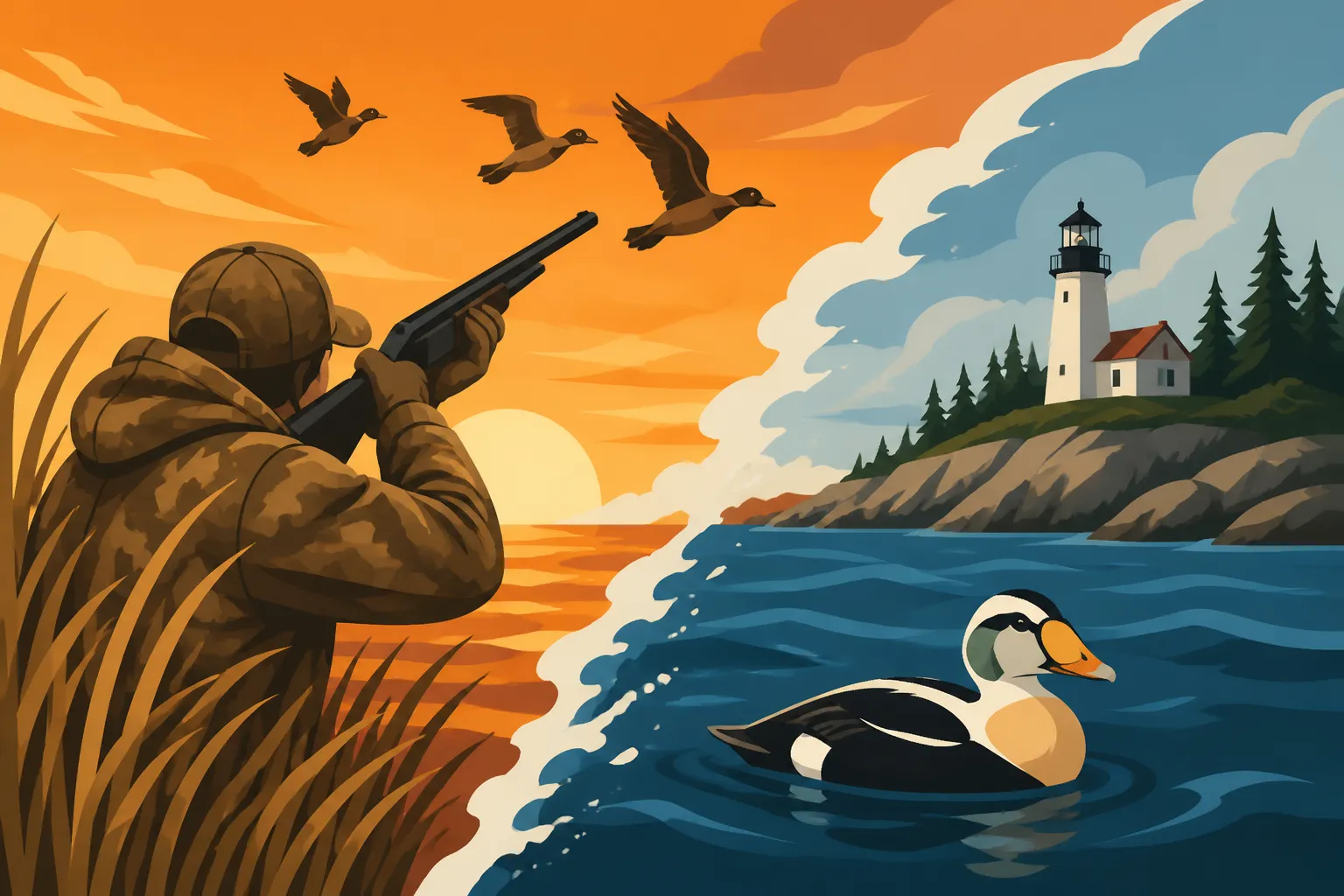
Trying to make sense of Maine's sea duck hunting regulations, especially that "split season," can feel like navigating a dense fog bank without a compass. It's not just a simple open and close date; there are nuances that can leave even seasoned waterfowl hunters scratching their heads. This guide is here to clear up the confusion, break down the specific dates and reasons behind the split season, and offer practical advice to help you successfully hunt eiders, scoters, and long-tailed ducks along Maine's rugged coast.
Unraveling Maine's Sea Duck Split Season Structure
Maine's sea duck season isn't a monolithic block of dates; it's a carefully structured affair designed to provide hunting opportunities while responsibly managing these hardy waterfowl. The split season can be a bit of a head-scratcher, but once you understand the logic behind it, it makes a lot more sense. It essentially carves the season into two distinct periods, often with a break in between, influenced by migration patterns, breeding cycles, and hunter pressure.
Deciphering the Coastal and Inland Zones
First things first, let's talk about zones. While sea ducks are, by definition, birds of the ocean, Maine’s waterfowl regulations delineate specific zones that impact all migratory bird hunting, including sea ducks. The critical distinction for sea duck hunters is understanding the specific boundaries for the "Coastal Zone." Unlike many other states that might have broader zones, Maine's Coastal Zone is explicitly defined and is where the vast majority of sea duck hunting takes place. You'll find a clear delineation for the Maine Sea Duck Coastal Zone Line, typically defined by a line running inland from various points along the coast, encompassing tidal waters and near-shore areas. Hunting sea ducks successfully often means focusing your efforts directly within this Coastal Zone, as their preferred habitat, diet, and behavior are intrinsically linked to the saltwater environment. While you might occasionally see a straggler inland, your best bet, and where the split season truly applies, is along the rocky shores, ledges, and open waters of the coast.
Key Dates for the Early and Late Segments
The "split" refers to two distinct periods within the overall sea duck season. Historically, Maine has opened its sea duck season in early October, often around the first or second week, then closed it for a period, only to reopen later in the year, typically in November, and run through mid-January. For instance, a common split might look something like this:
- Early Segment: Early October to early November (e.g., October 1 to November 7)
- Closed Period: Mid-November to mid-December (e.g., November 8 to December 14)
- Late Segment: Mid-December to late January (e.g., December 15 to January 31)
Please note: These dates are examples and can shift slightly each year. It's absolutely crucial to consult the official Maine Department of Inland Fisheries & Wildlife (MDIFW) regulations booklet or their website for the precise, most current dates before planning any hunt. You can also use online resources like GoHunt to quickly verify season dates and check for any last-minute changes or announcements, ensuring you're always hunting legally. For the full picture on all waterfowl, it's worth reviewing the Maine Duck Season Split Dates as well, as some of those considerations influence sea duck timing.
| Season Segment | Typical Start Date | Typical End Date | Primary Conditions | Duck Behavior Considerations |
|---|---|---|---|---|
| Early Segment | Early October | Early November | Milder weather, less ice, more open water. | Birds may be less wary, still dispersing. |
| Late Segment | Mid-December | Late January | Cold, potential for significant ice, rough seas. | Birds concentrated, more wary, stronger flying. |
Understanding Species-Specific Regulations within the Split
It’s not just about when you can hunt; it’s also about what you can hunt and how many. Maine, like all states, has specific daily bag limits and possession limits that apply to different species of sea ducks, and these limits are consistent across both segments of the split season. For example, the Maine Sea Duck Bag Limit is often quite generous for species like common eiders but more restricted for scoters and long-tailed ducks.
You'll need to know your birds to avoid inadvertently exceeding a specific species limit. For instance, while you might be able to take a certain number of eiders, the Maine Scoter Daily Limit or Maine Long-Tailed Duck Daily Limit will likely be much lower. Identification is paramount, especially when birds are flying fast over choppy water or coming into a decoy spread. Make sure you can confidently tell the difference between a king eider, common eider, black scoter, surf scoter, white-winged scoter, and a long-tailed duck, both in flight and on the water, to ensure you comply with the law. This attention to detail is part of being a responsible and ethical sea duck hunter.
The Biological Rationale Behind the Split Season
You might wonder why Maine doesn't just have one continuous sea duck season like some other places. It often feels like the Department is just trying to make things complicated, but trust me, there's sound biological reasoning behind it. These regulations are crafted based on extensive research and monitoring of migratory bird populations by state and federal wildlife agencies.
Managing Migratory Patterns and Population Health
Sea ducks, particularly species like eiders, scoters, and long-tailed ducks, undertake significant migrations. While many common eiders nest along the Maine coast, other sea ducks are merely winter residents, arriving from northern breeding grounds as temperatures drop. The early segment of the season often coincides with the arrival of the first significant pushes of migratory birds, offering hunters a chance at these "fresh" ducks before they've settled into their wintering patterns or become too wary.
The closed period, usually in late November and early December, often aligns with peak migration periods for some species, as well as a time when ducks are settling into specific wintering areas. This break can reduce hunting pressure during a critical phase of their annual cycle, allowing birds to acclimate to their wintering grounds without constant disturbance. It also gives MDIFW biologists a chance to assess local populations without the immediate impact of ongoing hunting. The late segment then opens when many of these birds are firmly established, presenting different hunting challenges and opportunities, particularly as ice conditions push birds into more predictable, open-water locations. This adaptive management helps ensure the long-term health and stability of sea duck populations.
Hunter Opportunity Versus Conservation Needs
The split season is a delicate balance between providing ample hunting opportunities for the thriving sea duck populations that visit or reside in Maine and adhering to critical conservation principles. Maine boasts a robust population of sea ducks, particularly eiders, making it a premier destination for this unique style of waterfowl hunting. The state understands the draw of Sea Duck Hunting the Maine Coast and aims to maximize hunter access.
However, conservation is always at the forefront. The U.S. Fish and Wildlife Service, in conjunction with state agencies, sets harvest frameworks based on population assessments. The split season structure allows Maine to utilize its allocated hunting days strategically. For example, by having an early season, hunters can target less-pressured birds. The mid-season closure then offers a respite, which might be particularly beneficial for specific species that are more vulnerable to continuous pressure or are simply passing through. The late season capitalizes on the large numbers of birds that have settled in for the winter. This nuanced approach allows for effective wildlife management, helping to ensure that future generations can also enjoy the thrill of a sea duck hunt.
How Weather and Ice Conditions Influence Duck Movements
Maine's weather is famously dynamic, especially along the coast. The difference between October and January can be like night and day, and these changes dramatically influence where sea ducks are and how they behave. The early season, with generally milder temperatures and less ice, means ducks are often spread out over a larger area. They might be found feeding over expansive coastal flats, around rocky islands, or along a Reading a Ledge for a Morning Sea Duck Flight. The opportunities are broader, but also more dispersed.
As winter truly sets in, particularly during the late season, ice becomes a major factor. Tidal creeks, sheltered coves, and even large bays can freeze solid, forcing sea ducks into smaller, more concentrated areas of open water. This can lead to fantastic hunting opportunities if you can find these ice-free refuges, but it also means dealing with much harsher conditions. Strong winds, heavy seas, and dangerously cold temperatures are commonplace. Understanding these weather patterns, and how they dictate where sea ducks feed and rest, is paramount to success. Tools like GoHunt can provide valuable weather forecasts and historical data to help you predict these shifts and plan your hunts accordingly, especially when considering Hunting Scoters in Maine's Open Water which tend to prefer rougher conditions.
Strategies for Success During Each Season Segment
Hunting sea ducks during Maine's split season isn't a one-size-fits-all endeavor. The conditions, bird behavior, and available habitat change dramatically between the early and late segments, requiring hunters to adapt their tactics.
Early Season Tactics for Coastal Shoals and Ledges
When the early season kicks off, typically in October, the Maine coast is still relatively mild, and the open water, while certainly chilly, isn't yet choked with ice. This means sea ducks are often more dispersed and less wary than their late-season counterparts. It's a prime time for targeting birds feeding over shallower coastal shoals, mussel beds, and rocky ledges that are exposed or partially submerged.
Your approach during this time often involves scouting for concentrations of birds actively feeding. Eiders, especially, will often be found in large rafts. Setting up a decoy spread, such as a large blob of black and white decoys, near a known feeding area or along a flight path between feeding and resting grounds can be incredibly effective. Consider a relatively calm day for Decoying Eiders Off the Maine Coast where your spread can be seen from a distance without being thrashed by waves. A well-concealed boat or shore blind is essential. You might find success hunting from small islands or rocky points, especially if you can set up quickly and quietly. The birds haven't been harassed as much, so they might be more forgiving of slight imperfections in your hide. Don't overlook calmer, protected areas near the mouths of rivers or large bays, particularly if they have accessible ledges or mussel beds.
Late Season Approaches for Iced-In Harbors and Open Water
The late segment of the sea duck season, from mid-December through January, is a completely different beast. Winter has set in with a vengeance, bringing frigid temperatures, powerful storms, and significant ice formation. This is when the true grit of a Maine sea duck hunter is tested, but it also offers some of the most concentrated hunting opportunities.
Ice is your biggest scouting tool in the late season. Look for areas where ice has locked up most of the sheltered water, forcing sea ducks into the remaining open pockets. This could be in major tidal rivers, the open ocean beyond the ice line, or areas where strong currents prevent freezing, like the mouths of harbors or rips. When Hunting Scoters in Maine's Open Water, they often seem to thrive in the rougher, colder conditions further offshore. You'll often need a larger, more robust boat, capable of handling rough seas and breaking through thin ice. Layout boats can be incredibly effective during this period, allowing you to get right into the heart of the birds' feeding areas in open water, but they require significant safety precautions. Shore blinds become harder to use effectively due to ice accessibility, but if you can find an ice-free point overlooking a crucial piece of open water, it can be deadly. Expect birds to be much warier; meticulous concealment and realistic decoy spreads are paramount. For those who brave the elements, the rewards of big, beautiful sea ducks in pristine winter plumage are well worth the effort.
Adapting to Changing Sea Duck Behavior
Sea ducks, like all wildlife, are constantly adapting to their environment and hunting pressure. What worked last week might not work this week. In the early season, birds are often less wary, sometimes even curious. They might decoy readily to simple spreads. As the season progresses into the late segment, after weeks of hunting pressure and brutal weather, they become incredibly smart and cautious. They'll flare at the slightest hint of movement, circle high, and often shy away from anything that looks unnatural.
This means you need to be flexible. If birds aren't working your spread, try moving it. Change its configuration. If a large, static blob isn't cutting it, try a more active spread with some movement on the water, or perhaps a smaller, more realistic group of decoys. Pay attention to how the birds approach and where they shy away. Are they circling wide? Are they looking directly at your blind? These clues are invaluable. Also, consider the tide. Sea ducks often feed intensely on a falling or rising tide, and a specific current might concentrate their food sources, making a particular spot hot for only a few hours. Using mapping tools like those from GoHunt to study bathymetry and current lines can give you an edge in predicting these feeding hotspots. Remember, every day on the water is a learning experience, and the most successful sea duck hunters are those who are constantly observing, experimenting, and adapting their approach.
Essential Gear, Safety, and Legal Considerations
Sea duck hunting is one of the most demanding forms of waterfowl hunting, requiring specialized gear, an unwavering commitment to safety, and a thorough understanding of the regulations. Neglecting any of these can lead to a miserable, or even dangerous, experience.
Decoys, Boats, and Cold-Weather Apparel
Your gear choices are critical when pursuing sea ducks in Maine.
- Decoys: Unlike puddle ducks, sea ducks prefer large, high-contrast decoys. Big black and white eider decoys, often in numbers of a dozen or more, are standard. You'll want sturdy decoys that can withstand constant abuse from waves and salt water. Consider a mix of drakes and hens, and add a few scoter or long-tailed duck decoys if those species are prevalent in your area. For long-line rigging, heavy weights and durable lines are a must to keep your spread from drifting away in strong currents or heavy seas.
- Boats: A reliable boat is non-negotiable. It needs to be seaworthy, capable of handling choppy coastal waters, and appropriately sized for your hunting party and gear. Many hunters use sturdy V-hull boats, skiffs, or specialized sea duck boats. A stable platform for shooting, retrieving, and safely operating in cold, wet conditions is paramount. Make sure your boat is well-maintained, with a reliable motor (and a backup motor or oars/paddles), and all required safety equipment. If you're considering a Layout Boat Hunting the Maine Coast, understand the inherent risks and always hunt with a tender boat and an experienced crew.
- Cold-Weather Apparel: This is where you absolutely cannot skimp. Maine winter weather can be brutal, and being wet and cold in a boat on the ocean is a recipe for hypothermia. Invest in high-quality, layered clothing. Waterproof and windproof outer layers are essential. Think insulated waders, a warm waterproof jacket, waterproof gloves or mittens (with backups!), a warm hat, and thermal base layers. Hand warmers and toe warmers are your friends. Remember, if you get wet, your body temperature will drop rapidly, so a change of dry clothes in a waterproof bag is a smart idea.
Navigating Maine's Sea Duck Regulations and Blaze Orange
Beyond the split season dates and bag limits, there are other crucial regulations to be aware of.
- Licenses and Stamps: You'll need a valid Maine hunting license, a federal duck stamp (available at post offices or online), and a Maine migratory bird hunting permit (HIP certification). Always carry proof of these licenses. Remember to purchase your Maine Federal Duck Stamp Requirement and get your Maine HIP Certification for Bird Hunters well in advance.
- Blaze Orange: This is a common point of confusion for waterfowl hunters. While Maine has strict blaze orange requirements during the firearms deer season, these do not apply to waterfowl hunting from a blind or boat. However, if you are walking to or from your hunting location on land where other hunting (like deer hunting) is allowed, you must wear blaze orange. It's always a good idea to have a blaze orange hat or vest stashed in your pack for transit, just to be safe.
- Weapon Restrictions: Make sure your shotgun is plugged to hold no more than three shells (one in the chamber, two in the magazine). Only non-toxic shot (steel, bismuth, tungsten, etc.) is allowed for waterfowl hunting. Lead shot is strictly prohibited.
- Retrieval: While you can retrieve downed birds from private land without explicit permission, you generally cannot trespass with a firearm to do so. Understanding Retrieving Game From Private Land in Maine is important.
Always double-check the current year's MDIFW hunting regulations booklet. Don't rely on information from previous years or hearsay. Online resources like GoHunt can help you quickly access and understand the regulations.
Critical Safety Practices for Open Water Hunting
Sea duck hunting is inherently risky due to the marine environment and cold weather. Safety must be your absolute top priority.
- Life Jackets (PFDs): Wear your PFD! It’s not just a good idea; it can save your life. Modern inflatable PFDs are comfortable and don't impede shooting.
- Weather Monitoring: Never, ever take chances with the weather. Check marine forecasts before you go, and keep an eye on conditions throughout the day. Winds can pick up rapidly, and fog can roll in unexpectedly. If conditions turn rough, head for shore. There's no duck worth risking your life for.
- Boat Maintenance & Equipment: Ensure your boat is in top working order. Carry all required safety equipment: flares, a whistle, a first-aid kit, anchor with sufficient rode, bailer, fire extinguisher, and extra fuel. A VHF marine radio is essential for communication, and a GPS unit (even on your phone with a marine app) can be a lifesaver in fog or unfamiliar waters.
- Buddy System: Never hunt alone. Always go with at least one other person. Having a partner means someone is there to help in an emergency.
- Hypothermia Awareness: Know the signs of hypothermia (shivering, confusion, clumsiness) and how to prevent and treat it. Dress in layers, stay dry, and bring warm drinks and high-energy snacks.
- Float Plan: Always leave a float plan with someone on shore, detailing where you're going, who's with you, and when you expect to return. This allows rescuers to know where to look if you don't check in.
By being meticulously prepared, understanding the regulations, and prioritizing safety, you can truly enjoy the unique and exhilarating experience of Hunting the Split Sea Duck Season along Maine's beautiful and wild coast.
Disclaimer
Please remember that hunting regulations, season dates, and bag limits are subject to change. Always consult the most current official Maine Department of Inland Fisheries & Wildlife (MDIFW) regulations before planning or undertaking any hunting activity. This article is for informational purposes only and should not be considered a substitute for official legal guidance or professional safety instruction.