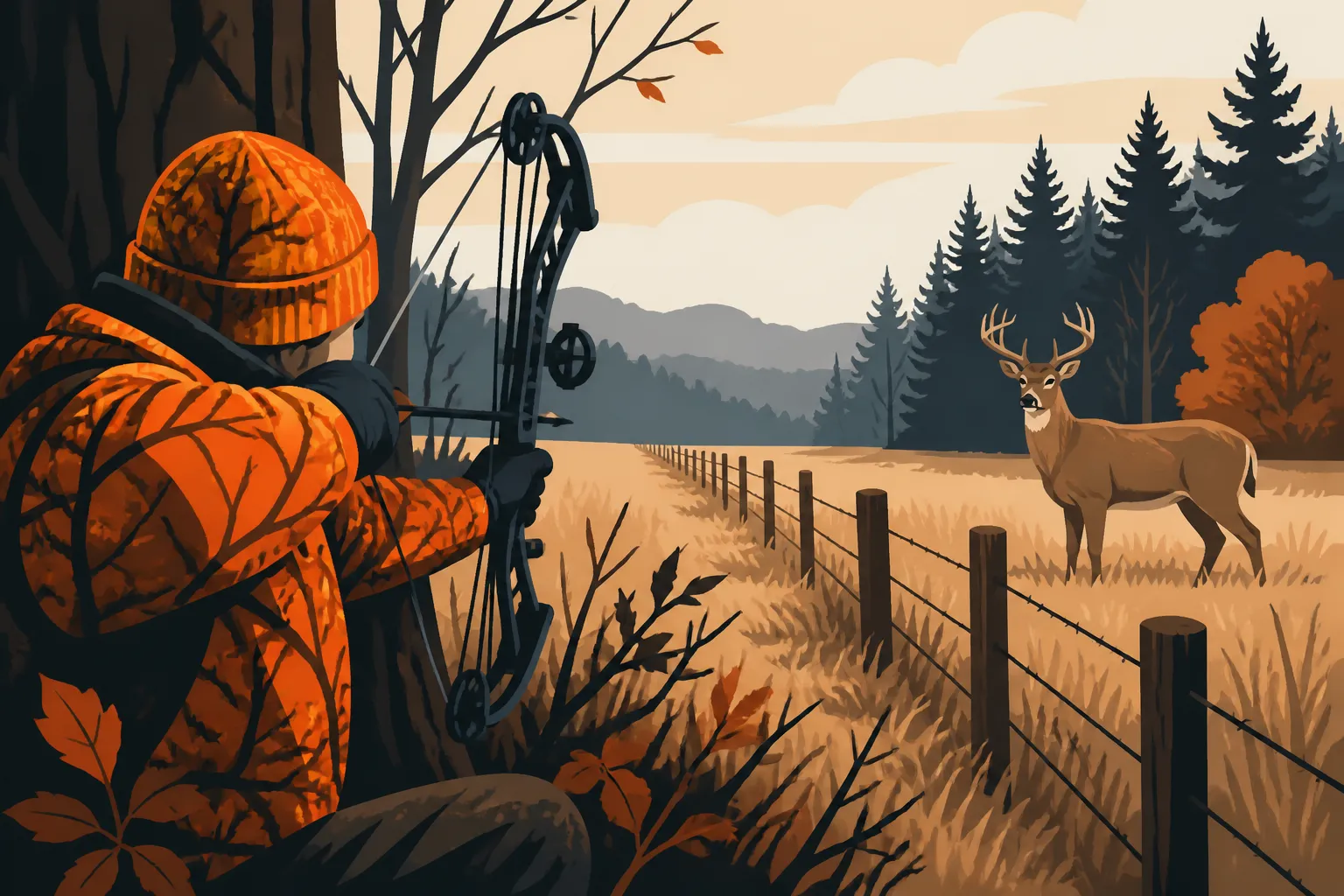
Working a Fencerow for Late-Season Deer
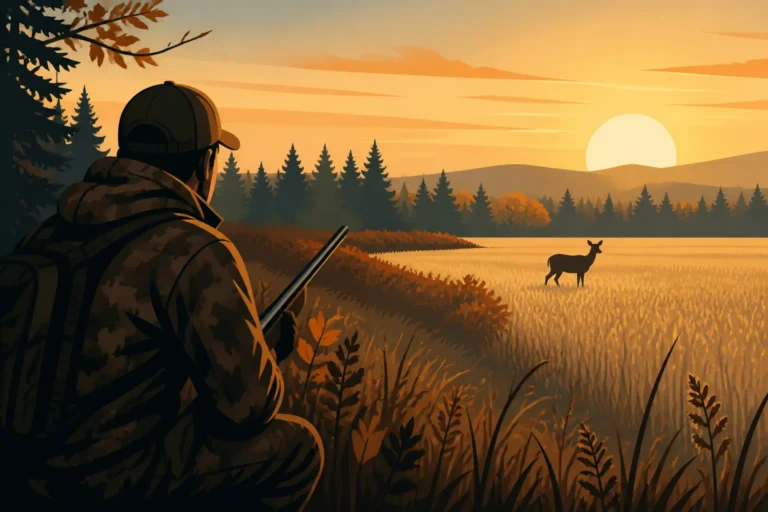
You know that feeling when December rolls around in Maine, the leaves are long gone, and the woods feel… empty? You’ve been putting in the miles, braving the cold, and the deer just seem to vanish. It's a common frustration for late-season hunters when the landscape changes and traditional spots go quiet. But what if I told you that some of the most overlooked, yet productive, late-season deer havens are often right under our noses, or rather, along the edges of our fields? This guide is all about unraveling the mystery of working a fencerow for late-season deer in Maine, turning those seemingly barren stretches into your next successful hunt.
Why Fencerows Are Late-Season Deer Magnets
When the snow flies and the temperatures plummet, deer behavior shifts dramatically. Their priorities narrow to survival: finding adequate food, shelter from the biting winds and cold, and a safe travel route. Fencerows, those often forgotten lines of overgrown brush, small trees, and ancient stone walls, become absolutely critical pieces of habitat in this equation. They're more than just property markers; they're lifelines.
Thermal Cover and Security
Think about those brutal Maine winter winds. They cut right through open woods, chilling you to the bone in minutes. Deer feel that too, perhaps even more acutely. A dense fencerow, especially one choked with evergreens, thick brush, or even just a substantial tangle of deciduous branches, acts as a natural windbreak. It creates a pocket of warmer, calmer air that deer crave. They're not just looking for a place to hide; they're looking for thermal refuge. You'll often find them bedded down right on the leeward side of a thick fencerow, soaking up any available sunlight and conserving precious energy. This is a prime example of why understanding where Maine bucks bed in big timber is important, but also how smaller features like fencerows offer crucial alternatives when temperatures drop.
Beyond the warmth, fencerows offer a surprising amount of visual security. After the last leaf has fallen, the woods become much more open, and deer feel exposed. A fencerow, particularly if it's got some height or width, allows deer to move, feed, and bed without feeling like they're on display. They can duck in and out, remaining concealed from casual observation, giving them the confidence they need to move during daylight hours, even with hunting pressure peaking during Maine's four-week firearms deer season.
Residual Food Sources
By late season, most of the easy pickings like acorns and fallen apples are long gone or buried under snow. What’s left are often overlooked, tenacious food sources that persist in the tougher conditions. Fencerows are notorious for harboring these forgotten buffets. Think about wild rose hips, bittersweet berries, persistent crabapples, and even the occasional standing corn stalk or leftover greens from an unharvested field that the farmer couldn't get to. These might not be high-calorie feasts, but every little bit counts for a deer trying to maintain condition in the cold.
Furthermore, the edges of fields bordering fencerows often have waste grain from corn, soybeans, or even hayfields. As the snow deepens, deer will paw through it, trying to get at these buried treasures. A fencerow adjacent to an agricultural field, or even just a fallow field that holds some low-growing browse, can be a magnet for deer, especially if they’re looking for late-season food sources for Maine whitetails. Don't underestimate the appeal of browse found within the fencerow itself—young saplings, brambles, and woody stems can be a vital food source when other options are scarce.
Natural Travel Corridors
Deer are creatures of habit and efficiency. They prefer to move along paths of least resistance that also offer security. Fencerows are nature's highways in the late season. They connect woodlots, offer cover between fields, and guide deer from bedding areas to feeding grounds and back again. Imagine a deer needing to move from a thick cedar swamp on one side of an open field to a standing corn plot on the other. They're not going to stroll across the middle of the field in broad daylight if they can help it. Instead, they'll hug that fencerow, using its cover to remain unseen.
These fencerows often act as natural funnels, much like a narrow strip of timber connecting two larger woodlots. Understanding how to scout and hunt a funnel between two woodlots can directly translate to fencerow success. They can direct deer movement in predictable ways, creating perfect ambush points for a patient hunter. A mature buck, especially, will often utilize these secure corridors to avoid detection, making them prime spots for intercepting those elusive late-season giants.
Scouting and Interpreting Fencerow Sign
You can’t just walk up to any old fencerow and expect to find deer. Successful late-season hunting, especially around these linear features, demands meticulous scouting. It's about becoming a detective, reading the subtle clues that deer leave behind, and understanding why they’re using a particular stretch of cover.
Identifying Active Travel Routes
The key to successful fencerow hunting is pinpointing the specific paths deer are taking within or along them. This isn't just about finding a random track; it's about identifying consistent travel lanes. Look for well-worn trails, especially where the brush is thinnest or where deer have naturally pushed aside vegetation over repeated use. Pay close attention to points where the fencerow crosses a small ditch, a dip in the terrain, or a break in a stone wall—these are often bottleneck points that concentrate deer movement.
When the ground is soft or has a dusting of fresh snow, tracks will be your best friend. Follow them to see where they lead. Are they entering a field, or simply moving along the fencerow itself? Are there multiple sets of tracks converging, indicating a popular crossing point? Utilize tools like the GoHunt app or other mapping software to trace these potential routes on satellite imagery before you even step foot in the woods. These apps can help you visualize how a fencerow connects different habitat types, offering clues about why deer might be using it. If you're lucky enough to get some fresh precipitation, reading Maine mud for fresh deer movement can provide invaluable, up-to-the-minute intelligence.
Locating Feeding and Bedding Areas
Once you’ve identified travel routes, the next step is to figure out where the deer are going. Within the fencerow itself, look for signs of feeding: nipped branches, pawed-up ground (especially under any remaining fruit trees or berry bushes), and scat. If you find a concentration of fresh browse, you know you’re in a dining area.
For bedding, search for flattened areas in dense brush, often on the leeward side of the fencerow, protected from the prevailing wind. These beds will often have fresh deer hair, especially during late season when their winter coats are thick. During warmer, sunnier days, deer might bed on the sunny side to soak up warmth. On frigid, windy days, they'll burrow deep into the thickest cover available. Understanding the interplay of these factors is crucial. The GoHunt app, with its topographic and aerial layers, can help you visualize these protected spots and potential food sources that might otherwise be hidden from ground-level view.
Using Technology for Efficient Scouting
In this modern age, we have some incredible tools at our fingertips to make scouting more efficient. Digital mapping apps are indispensable for working fencerows. Before you even leave your truck, you can use satellite imagery to identify promising fencerows – look for those that are particularly dense, connect two woodlots across an open field, or border standing crops. You can mark potential stand locations, observe terrain changes, and even note prevailing wind directions on a given day.
Trail cameras, strategically placed, can confirm deer activity and patterns. Place them on well-used trails within the fencerow or at entry/exit points to adjacent fields. Be sure to check your state's regulations on trail camera use for hunting. Another great feature of many hunting apps is the ability to track wind and thermals in Maine hill country, allowing you to plan your approach and stand placement to minimize your scent signature. Remember, scouting Maine private land before season is always a good idea, and these apps can help you do it effectively and respectfully.
| Fencerow Sign | What It Indicates | Best Time to Find It | Significance for Late Season |
|---|---|---|---|
| Worn Trails | Consistent travel path, high traffic | Any time, but clearest on bare ground or light snow | Primary travel corridors for deer between areas |
| Fresh Tracks | Recent deer movement, direction of travel | After fresh snow or rain | Confirms current usage and specific routes |
| Nipped Branches/Bite Marks | Browsing activity, feeding area | Any time, but most visible on woody browse in winter | Identifies crucial late-season food sources |
| Scat (Pellets) | Deer present, often near feeding or bedding | Any time, fresher pellets mean recent activity | Confirms deer are spending time in the area |
| Flattened Beds | Bedding location, usually thermal or security cover | After snow melts, or on bare ground | Reveals preferred resting spots during cold weather |
| Rub Lines/Scrapes (older) | Historical buck activity (can indicate future use) | Early season, but old rubs/scrapes can persist | While old, can indicate historically favored buck routes |
Strategic Hunting Approaches for Fencerows
Once you've done your homework and identified an active fencerow, it's time to think about how you'll hunt it. This isn't a one-size-fits-all situation; different fencerows, different conditions, and even different deer behaviors call for varied approaches.
Stand Placement and Setup
For stand hunting, whether it’s a treestand or a ground blind, placement is absolutely paramount. You want to be close enough to intercept deer without being easily detected. Look for mature trees within or along the fencerow that offer good concealment and a clear shot lane. Consider the sun’s position, especially in the late season when the sun is low in the sky; you don’t want to be silhouetted or have the sun glaring off your gear.
If using a treestand, focus on points where the fencerow narrows, turns, or offers an obvious crossing point. Also, consider the terrain. If the fencerow runs along a ridge, the deer might travel just below the crest, using the topography for additional cover. For ground blinds, especially when hunting the muzzleloader close in mid-December, brushing in a blind on a field edge can be incredibly effective. Make sure the blind is well-camouflaged and set up early to allow deer to get used to its presence. Don't forget your entry and exit routes—these are just as important as your stand location itself to avoid spooking deer.
Still-Hunting and Driving Tactics
Sometimes, a static stand isn't the most effective strategy, especially if deer aren't moving predictably or if the fencerow is long and winding. Still-hunting a fencerow can be incredibly productive, particularly if you’re stealthy and patient. Move slowly, taking one or two steps, then pausing to scan intently, listening for any tell-tale crunch of snow or rustle of leaves. Focus on the thickest parts of the fencerow, as deer will often hold tight, relying on their camouflage until you're almost on top of them. This is often an effective way for still-hunting Aroostook County farmland or other agricultural areas where fencerows are common.
For longer, dense fencerows, especially ones that connect two larger blocks of cover, a small deer drive with three or four hunters can be very effective. The "drivers" move slowly and deliberately through the fencerow, pushing deer towards "posters" positioned at strategic escape routes or pinch points. The key here is not to rush; a slow, quiet push is more likely to move deer out calmly, giving posters a better shot, rather than sending them rocketing out of cover. Remember to communicate clearly and safely, especially when posting a drive around a woodlot or fencerow.
Considering Wind and Thermals
No matter your hunting method, neglecting wind and thermals is a recipe for disaster. Deer have an incredible sense of smell, and any slight drift of your scent will send them packing. In late season, with sparse cover, this is even more critical. Always approach your chosen fencerow and set up your stand or blind so the wind is blowing your scent away from where you expect deer to approach.
Thermals, which are rising and falling air currents, play a significant role, especially in hilly or broken terrain. In the mornings, as the sun warms the earth, thermals tend to rise. In the evenings, as the air cools, they tend to fall. If your fencerow is on a slight incline, for example, your scent might be carried uphill in the morning and downhill in the evening. Combining knowledge of Wind and Thermals in Maine Hill Country with real-time conditions will help you make smarter decisions about when and where to hunt a specific fencerow. Checking a reliable weather app, or even an app like GoHunt which often integrates weather and wind data, is a must before every hunt.
Overcoming Common Fencerow Hunting Challenges
Hunting fencerows isn't without its difficulties. Just like any other hunting scenario, you'll encounter obstacles that require a flexible mindset and a bit of perseverance.
Dealing with Hunting Pressure
Fencerows, especially those adjacent to agricultural fields or accessible private land, can sometimes draw a fair amount of attention from other hunters. This increased pressure can make deer more nocturnal or cause them to move through these corridors faster and more cautiously. If you suspect high pressure, try to hunt fencerows that are harder to access, or those that connect larger, overlooked parcels of land. Sometimes, simply walking an extra quarter-mile past where most hunters stop can make all the difference.
Another strategy is to adapt your hunting times. While many hunters are in their stands right at dawn and dusk, consider hunting midday, especially if the weather is particularly cold or nasty. Deer often feel secure enough to move between bedding and feeding areas during these quieter periods, utilizing the cover of the fencerow. If you are hunting on a small private tract, be especially mindful of other hunters and respect their space.
Adapting to Changing Weather Conditions
Maine weather in the late season is notoriously unpredictable. One day it's a brisk, sunny 25 degrees, the next it's a driving blizzard. These changes significantly impact deer behavior and, by extension, how you should hunt fencerows. Heavy snow can limit deer movement, concentrating them in the thickest, most protected fencerows. After a fresh snowfall, deer might move more to find newly exposed food sources, making it an excellent time for still-hunting.
Extreme cold snaps will push deer into the densest thermal cover, and they'll be less inclined to move long distances. Focus on fencerows with evergreen components or very thick deciduous growth that offers superior wind protection. On particularly windy days, deer will often move to the leeward side of the fencerow, where the wind is broken. Being adaptable to these shifting conditions is a hallmark of a successful late-season hunter.
Ethical Considerations and Landowner Relations
Fencerows, by their very nature, often delineate property boundaries. This makes landowner relations absolutely critical. Before hunting any fencerow on private land, even if it appears unposted, always seek permission. Knocking on doors in Aroostook farm country or other agricultural regions, and having a respectful conversation with landowners, can open up a wealth of hunting opportunities. Remember, Maine has an implied-permission tradition, but getting explicit permission builds trust and ensures you’re not trespassing. Always carry proof of your license, which you can purchase through Maine's online portal, and any necessary permits.
If a fencerow is marked with "Posted" signs, those mean strictly no trespassing without explicit permission. Even if you only intend to use a ground blind on posted-free land, it’s best to verify. If you harvest a deer near a property line, be aware of the rules for retrieving game from private land in Maine, which typically require you to obtain permission before entering. Maintaining good relationships with landowners isn’t just good manners; it’s essential for preserving hunting access for everyone.
Disclaimer
Please ensure you are familiar with and adhere to all current Maine hunting laws and regulations. Hunting seasons, bag limits, and specific rules for methods and areas can change. Always check the latest Maine Department of Inland Fisheries & Wildlife (MDIFW) regulations before heading afield. Stay safe, be ethical, and happy hunting!