Maine Migratory Bird Certification
It's an age-old frustration for waterfowl and migratory bird hunters: you've got your shotgun, your decoys, your waders, maybe even your trusty retriever, but before you can even think about hitting that beaver flowage at dawn, there's a little piece of paper, or rather, a digital certification, standing in your way. It’s not just your basic hunting license; it's that often-overlooked, yet absolutely critical, migratory bird certification. This guide is here to untangle the nuances of Maine's requirements, ensuring you’re legal and ready for every season, from spring gobblers to late-season sea ducks.
Why Migratory Bird Certification is Essential for Hunters
When you're out there, glassing the horizon for a flock of scoters or listening for the distant gobble of a spring tom, the last thing you want is a run-in with a game warden because of a technicality. Migratory bird hunting, unlike deer or moose, falls under a unique blend of federal and state regulations. This dual oversight means there's an extra layer of responsibility for hunters, and the Migratory Bird Harvest Information Program (HIP) certification is a cornerstone of that.
Federal Mandates and State Implementation
It might feel like just another hoop to jump through, but the need for migratory bird certification actually stems from some pretty serious federal wildlife management efforts. The U.S. Fish and Wildlife Service (USFWS) is tasked with managing migratory bird populations across North America, a massive undertaking that spans international borders. To do this effectively, they need accurate data on how many birds are being harvested each year. This isn't just a guess; it's a critical component of setting season lengths, bag limits, and conservation strategies. Without this data, management decisions would be based on incomplete information, potentially harming bird populations or limiting hunting opportunities unnecessarily.
So, while Maine is the state where you’re pulling the trigger, the why behind this certification is federal. Every state that allows migratory bird hunting participates in the HIP program. Maine, like other states, implements this federal mandate by requiring all migratory bird hunters to register annually. This isn't just about collecting a fee; it's about collecting data on you, the hunter, and the types of birds you intend to hunt. This data helps federal and state biologists understand harvest trends, population health, and the overall impact of hunting on species like ducks, geese, woodcock, snipe, coots, rails, and even wild turkeys. Yes, turkeys, although many states handle them separately, are considered migratory for this purpose, particularly in spring.
The Importance of Accurate Hunter Data
Imagine trying to manage a massive natural resource without knowing who is using it or how. That’s essentially what wildlife agencies would face without programs like HIP. The information you provide when you get certified is anonymous but aggregated, forming a statistical picture of hunting pressure and species-specific harvests. For example, if a particular species of duck, like the American black duck, shows declining numbers in aerial surveys, the harvest data from HIP helps biologists determine if hunting pressure is a contributing factor in certain regions. Conversely, if a species is thriving, this data supports maintaining or even expanding hunting seasons.
This is why, when you fill out the HIP survey questions, it's crucial to be as accurate as possible about what you intend to hunt. It's not a commitment that you will hunt ducks, but rather an indication of your hunting interests. Do you plan on hunting ducks and geese? Upland migratory birds like woodcock or snipe? Doves? Even if you don't end up going out for a particular species, your initial declaration helps create a more robust dataset. This data ultimately benefits hunters by ensuring sustainable seasons and healthy bird populations for generations to come. Without it, we risk arbitrary restrictions or, worse, unintended harm to the very wildlife we cherish.
Understanding the Harvest Information Program (HIP)
The Harvest Information Program (HIP) is the backbone of migratory bird certification. It’s a nationwide program designed to collect harvest data from migratory bird hunters. While you might just see it as a quick series of questions when you buy your license, it’s far more significant than that. It’s the mechanism through which the U.S. Fish and Wildlife Service gathers the critical information needed to make informed decisions about migratory bird management.
What HIP Certification Entails
At its core, HIP certification requires every individual who plans to hunt migratory game birds in a given state to identify themselves as a migratory bird hunter to that state's wildlife agency. This isn't about getting a separate physical tag to wear, but rather about being registered in the system. When you complete your Maine Migratory Bird Certification, you're essentially telling the Maine Department of Inland Fisheries and Wildlife (MDIFW) that you intend to hunt these species. The key component of this registration is answering a series of survey questions about your previous year's hunting activities for various migratory bird categories. For example, you might be asked if you hunted ducks last year, and if so, approximately how many you harvested.
These questions are designed to help the USFWS create a sampling frame. They don't track your individual harvest numbers; instead, they use your answers to randomly select a small percentage of hunters for more detailed harvest surveys later in the season. These selected hunters might receive a mail survey asking for more precise details about their hunting efforts and success. This two-tiered approach allows for efficient data collection without burdening every single migratory bird hunter with extensive reporting requirements. So, while your initial survey responses are quick, they feed into a much larger, scientifically robust data collection system.
Species Covered Under HIP in Maine
It’s easy to think of "migratory birds" as just ducks and geese, especially when you're looking at the vast coastal stretches or the numerous inland wetlands that Maine offers. However, the HIP program in Maine, and federally, covers a broader spectrum of species. Understanding which birds fall under this umbrella is crucial for ensuring you're properly certified for your intended hunts.
Here’s a breakdown of the primary categories of migratory game birds requiring HIP certification in Maine:
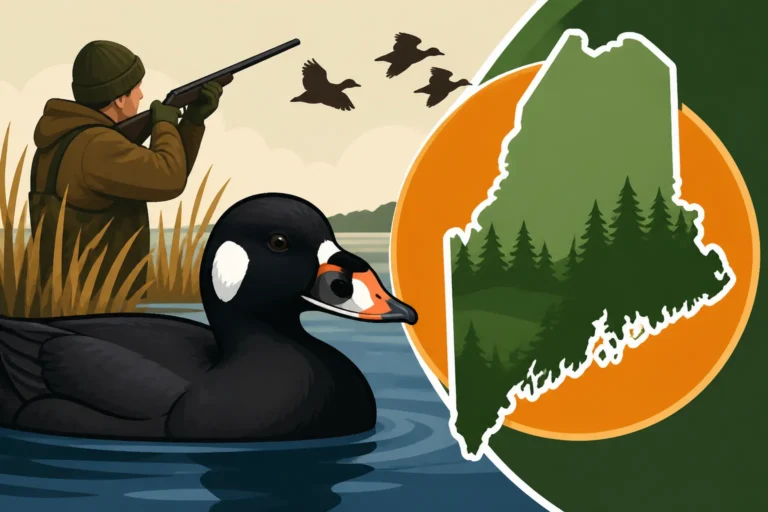
- Ducks (including Sea Ducks): This is probably what first comes to mind. From puddle ducks like mallards and black ducks in inland marshes to the hardy eiders, scoters, and long-tailed ducks that brave Maine’s rugged coast, all duck species require HIP certification. If you're planning on Decoying Eiders Off the Maine Coast or Hunting Scoters in Maine's Open Water, this certification is non-negotiable.
- Geese: Both Canada Geese and Snow Geese (though Snow Geese are less common in huntable numbers in Maine) are covered.
- Woodcock and Snipe: These often-overlooked upland migratory birds are a favorite among pointing dog enthusiasts. Maine is a significant migration corridor for woodcock, and snipe offer a unique hunting challenge.
- Rails and Gallinules: While not as widely pursued as ducks or woodcock, these marsh birds are also migratory and require certification.
- Coot: Often found alongside ducks in various wetlands, coots are also part of the migratory bird group.
- Doves: While Maine historically has not had a dove season, recent rule changes could potentially introduce one in the future. If a season were established, doves would also fall under HIP.
- Wild Turkeys: This is where it can get a little confusing for some. While turkeys are resident game birds in many respects, the USFWS considers them migratory for data collection purposes. Therefore, in Maine, if you plan to hunt turkeys (whether it's Spring Turkey Hunting in Maine or Hunting Maine's Generous Fall Turkey Season), you must also get your migratory bird certification. This is a detail that often trips up new turkey hunters.
It’s important to remember that this certification is required in addition to your regular Maine Hunting Licenses and What They Cost and your Maine Federal Duck Stamp Requirement if you are hunting ducks or geese. Think of it as a specific demographic survey you need to complete before pursuing these unique species.
How to Obtain Your Maine Migratory Bird Certification
Getting your Maine Migratory Bird Certification isn't overly complicated, but it's a step you absolutely cannot skip if you plan to hunt any migratory game birds. It’s an annual requirement, meaning you need to complete it every year, even if you did it last season. Maine has made the process quite accessible, typically integrating it with the regular license purchasing system.
Online Certification Process
The easiest and most common way to get your migratory bird certification in Maine is online, directly through the Maine Department of Inland Fisheries and Wildlife (MDIFW) website. This is often done when you’re purchasing your annual hunting license or any specific permits, like your turkey permit or if you're a non-resident purchasing your Maine Nonresident License Options.
Here’s generally how it works:
- Access the MDIFW Licensing Portal: You'll navigate to the official Maine.gov licensing page or the MDIFW section for online licenses. Many hunters use the streamlined system to purchase all their tags at once.
- Select Your Licenses: As you add your basic hunting license, migratory bird hunting license (if applicable), and federal duck stamp to your cart, you’ll typically be prompted to complete the HIP certification.
- Answer the Survey Questions: This is where you’ll answer those brief questions about your hunting activities from the previous season. For example, "Did you hunt ducks last year? If so, how many did you harvest (approximate)?" You'll go through similar questions for geese, woodcock, snipe, rails, and turkeys. Be honest and as accurate as possible. Even if you didn't hunt a particular species, indicate that.
- Confirm and Complete: Once you've answered all the questions, you'll confirm your entries. There is usually no additional fee for the HIP certification itself; it's simply a data collection process. It will then be added to your license profile, and you'll receive a confirmation, which may be printed directly on your physical license or available as a digital record.
Many hunters find platforms like GoHunt invaluable for staying on top of these requirements. While GoHunt primarily focuses on big game draw odds and scouting, its comprehensive tools often integrate or link directly to state licensing portals, reminding you of critical steps like HIP certification or a Maine Federal Duck Stamp Requirement when planning your season. It's a handy way to keep all your ducks (pun intended!) in a row.
In-Person or Phone Certification
While online is the most convenient, you can also complete your migratory bird certification in person or sometimes over the phone, especially if you’re purchasing your license at a physical vendor.
- Authorized License Agents: Maine has numerous authorized license agents across the state, including many general stores, sporting goods shops, and town offices. When you purchase your Maine Resident License Options or other permits from these agents, they will walk you through the HIP certification process on their terminal. You'll answer the survey questions directly to them, and they'll enter the data into the MDIFW system. Your license will then print with the HIP endorsement clearly marked.
- MDIFW Offices: You can also visit an MDIFW regional office during business hours to purchase licenses and complete the certification. While less common for most hunters due to convenience, it’s an option for those who prefer direct assistance.
- Phone: In some cases, MDIFW might offer a phone-in option, especially for renewals or simple certifications. However, the online portal or an authorized agent are typically the primary methods.
No matter how you obtain it, the critical part is ensuring that your migratory bird certification is current before you step into the field to hunt any of the covered species. A momentary lapse in memory can lead to a violation, and nobody wants that.
Common Questions and Pitfalls Regarding Certification
Even seasoned hunters can sometimes get tripped up by the nuances of migratory bird certification. It’s easy to overlook, especially when you’re juggling multiple seasons, different tags, and the myriad of regulations that come with hunting in Maine. Let’s tackle some of the most common questions and pitfalls to help you avoid any unwelcome surprises in the field.
When to Get Certified and How Often
This is one of the most frequently asked questions: "When do I need to get my HIP certification?" The answer is simple but crucial: annually, before you hunt any migratory game birds for the current license year.
Maine's license year typically runs from January 1st to December 31st. So, if you plan to hunt spring turkeys in May, you'll need to complete your HIP certification for that calendar year before you go afield. The same applies if you’re heading out for woodcock in September or sea ducks in December. It’s not a one-and-done thing that lasts for several years. Every new license year means a new HIP certification.
A common pitfall is hunters assuming their certification from the previous fall automatically carries over. It doesn't. Or, thinking that because they hunted ducks in October, they don't need to certify again for next spring's turkey season. Again, you do. Always verify your current year's hunting license explicitly states you have the migratory bird certification (often listed as "HIP" or "Migratory Bird Validation"). Many states will print this right on your license. If you're using a digital license through an app, ensure the endorsement is visible there. Double-checking this simple detail can save you a headache later.
What Happens If You Forget or Make an Error
Forgetting your migratory bird certification can turn a great hunting day into a frustrating one. The consequences for hunting migratory game birds without proper certification can vary, but generally, it's considered a violation of state and federal hunting laws.
- Fines: The most common consequence is a fine. These can range from modest to significant, depending on the discretion of the game warden and the specifics of the violation.
- Loss of Privilege: In more severe cases, or for repeat offenders, you could face the temporary or permanent loss of your hunting privileges.
- Confiscation of Game: Your harvested game could be confiscated. Imagine successfully bagging that limit of black ducks only to lose them because you forgot a simple, free certification.
Errors in the survey are generally less punitive, assuming they were honest mistakes and not an attempt to mislead. For instance, if you accidentally stated you hunted ducks last year when you didn't, it’s usually not a major issue as long as you did complete the certification itself. The system relies on aggregated data, so minor inaccuracies from individual hunters are absorbed in the larger statistical model. However, intentionally providing false information could be a more serious offense.
The best defense against these pitfalls is proactive planning. When you purchase your main hunting license for the year, make it a habit to also complete your migratory bird certification. Many online portals, like the MDIFW's, prompt you for it, making it easy to do it all at once. Tools and apps that help you manage your hunting licenses, like those that integrate with your GoHunt profile or other mapping software, can often serve as a good reminder as well. A simple check of your license before the season opens ensures you're good to go.
Maintaining Your Certification and Staying Informed
Once you've navigated the process of getting your Maine Migratory Bird Certification, the good news is that maintaining it is relatively straightforward. However, staying informed about any changes and understanding its annual nature are key to ensuring you're always legal in the field.
Annual Renewal Reminders
As we’ve discussed, the migratory bird certification is an annual requirement. This means that every calendar year, you'll need to re-certify. There isn't a complex renewal process like with a driver's license; it simply means when you purchase your new hunting license for the upcoming year, you'll complete the HIP survey again.
Many hunters combine this task with their other annual license purchases. For example, if you're a die-hard waterfowl hunter, you'll likely renew your Maine Hunting Licenses and What They Cost and purchase your Maine Federal Duck Stamp Requirement around late summer or early fall, just before duck season really kicks off. At that point, the system will prompt you to complete the HIP certification. Similarly, spring turkey hunters should remember to complete it when they acquire their turkey permits for the new year.
It’s easy to forget if you only hunt migratory birds sporadically or if you're planning on Hunting Maine's Generous Fall Turkey Season but not necessarily ducks. Set a reminder on your phone, jot it down in your hunting planner, or make a note on your calendar. Many state wildlife agencies, including MDIFW, might send out email reminders if you’re subscribed to their newsletters, which can be a valuable resource for staying on top of regulations and season dates, including Maine Duck Season Split Dates and Maine Sea Duck Season and Zones.
Keeping Up With Regulation Changes
Wildlife regulations are dynamic, constantly adapting to population changes, environmental factors, and new scientific data. This is particularly true for migratory birds, which are managed across vast geographical areas. While the core requirement of HIP certification generally remains stable, the specific questions or categories in the survey could occasionally be updated. More importantly, understanding what species are covered and how they are managed can change.
For instance, bag limits for certain species, like those for Maine Duck and Goose Bag Limits or specific limits for Maine Eider Daily Limit, Maine Scoter Daily Limit, or Maine Long-Tailed Duck Daily Limit, are subject to annual review and can change. New hunting opportunities, such as the potential for a dove season, could also arise.
Here are ways to stay informed:
- Official MDIFW Website: This is your absolute best source for the most current regulations. Before any season, make it a habit to visit the MDIFW website and review the official migratory game bird hunting law booklet.
- USFWS Migratory Bird Program: For a broader federal perspective, the USFWS website provides valuable context and information on the status of migratory bird populations and the decisions that drive regulations.
- Hunting Forums and Communities: Online forums and local hunting clubs can be great places to discuss regulations and learn from other hunters, but always cross-reference information with official sources.
- Hunting Apps: Many modern hunting apps, like GoHunt, offer regulatory overlays or links to official state resources. While they might not replace reading the full law book, they can provide quick access to season dates and bag limits for popular species and WMDs, or information about Maine Wildlife Management Areas where you might hunt.
By consistently renewing your certification and actively staying abreast of the latest regulations, you're not just avoiding legal trouble; you're contributing to the sustainable management of North America's incredible migratory bird resources. Happy hunting!
Migratory Bird Certification Checklist
To make sure you're always ready for the season, here’s a handy checklist to run through before you head out for any migratory bird hunt in Maine.
| Item | Requirement | Status (Check Annually) | Notes |
|---|---|---|---|
| Maine Hunting License | Valid for the current calendar year. | [ ] | Required for all hunting. Check Maine Resident License Options or Maine Nonresident License Options. |
| Maine Migratory Bird Certification (HIP) | Completed annually (usually online or at license agent) and current for the calendar year. | [ ] | Essential for ALL migratory birds, including turkeys, ducks, geese, woodcock, snipe, etc. |
| Federal Duck Stamp | Valid and signed across the face. | [ ] | Required for hunting ducks, geese, and brant (ages 16+). See Maine Federal Duck Stamp Requirement. |
| Maine Migratory Waterfowl Stamp | Required for hunting ducks, geese, and brant. | [ ] | Maine's state duck stamp, separate from the federal. |
| Hunter Education | Completed, or possess a valid Apprentice Hunter License (if applicable). | [ ] | A one-time requirement for new hunters. |
| Proof of Certification | Carry your valid license/permits with HIP endorsement (physical or digital). | [ ] | Game wardens can and will check for proper documentation. |
| Regulations Review | Familiarize yourself with current season dates, bag limits, and rules. | [ ] | Check MDIFW website for Maine Duck and Goose Bag Limits and specific species limits. |
Disclaimer
Please note that this guide provides general information and interpretations of Maine's hunting regulations regarding migratory bird certification. While every effort has been made to ensure accuracy, hunting laws and regulations are subject to change. It is the sole responsibility of each hunter to review and comply with the most current official regulations published by the Maine Department of Inland Fisheries and Wildlife (MDIFW) and the U.S. Fish and Wildlife Service (USFWS) before engaging in any hunting activities. Always consult the official Maine hunting law booklet for the most up-to-date and complete information.