Maine Landowner Relations Program
It can be incredibly disheartening to pull up to a favorite hunting spot, a place you've enjoyed for years, only to find fresh "No Trespassing" signs dotting the tree line. This growing trend of diminishing access to private land is a real and understandable frustration for many Maine hunters. This comprehensive guide will delve deep into the Maine Landowner Relations Program, explaining its purpose, how it works to foster mutual respect between landowners and outdoor enthusiasts, and how both parties can actively participate in ensuring the future of hunting access across our beautiful state.
Understanding Maine's Unique Tradition of Private Land Access
Maine has long prided itself on a unique, almost unspoken, agreement between landowners and the public: access to vast tracts of private land for outdoor recreation, including hunting. This tradition, deeply woven into the fabric of our state's culture, has historically set Maine apart from many other states where private land access is far more restricted. But like all traditions, it's not static, and it faces increasing pressures.
Implied Permission: A Historic Norm
For generations, Maine operated on a system of "implied permission." This meant that unless land was explicitly posted with "No Trespassing" signs or fenced off, it was generally understood to be open for public use, including hunting, fishing, and trapping. This wasn't a formal law, but a widely accepted social contract. Hunters, anglers, and hikers were expected to be respectful, leave no trace, and conduct themselves ethically. Landowners, in turn, were usually content to share their property, understanding that these activities were part of the Maine way of life. This unique situation fostered a deep connection to the land for many, allowing for extensive recreational opportunities across the state, from the deep woods of Aroostook to the coastal forests of Downeast. You can learn more about How Maine's Implied-Permission Tradition Works and why it's so fundamental to our outdoor heritage.
The Shifting Landscape: Increasing Posted Land
However, in recent decades, this implied permission has eroded significantly. More and more "No Trespassing" signs are appearing, and access is becoming a serious concern for both state wildlife agencies and hunters alike. Several factors contribute to this shift: increased population, changing land ownership patterns, rising absentee landowners who may not understand or appreciate the tradition, and unfortunately, instances of landowner misconduct. As our communities grow and development pushes further into traditional hunting grounds, the friction points between private property rights and public access inevitably increase. It's not uncommon to see prime hunting areas, once open, now completely shut off, forcing hunters to seek new grounds or compete for limited public access points.
The Impact of Misconduct on Access
One of the most significant drivers behind the increase in posted land is irresponsible behavior by a small segment of outdoor users. Littering, property damage, disrespecting crops or livestock, unauthorized vehicle use, and even outright poaching are serious offenses that can sour a landowner's willingness to allow public access. A single negative incident can lead an entire family, or even a community, to close off their land to everyone. Imagine being a farmer in Aroostook County, working hard all season, only to find tire tracks through your hayfield or trash left near your woodlot. That kind of disregard immediately translates into "No Trespassing" signs. This is why understanding and adhering to Maine Trespass and Permission Law is so critical for everyone who ventures outdoors.
The Genesis and Goals of the Landowner Relations Program
Recognizing the escalating challenge of private land access, the Maine Department of Inland Fisheries and Wildlife (MDIFW) spearheaded the creation of the Maine Landowner Relations Program. This initiative wasn't born out of thin air but rather out of a clear and present need to preserve a fundamental aspect of Maine's outdoor heritage.
Addressing Growing Tensions
The MDIFW, along with various outdoor organizations and landowner groups, observed a worrying trend: a widening disconnect and increasing tension between those who own the land and those who wish to recreate on it. Hunters felt frustrated by dwindling options, while landowners felt disrespected and unheard. There was a clear communication breakdown and a lack of consistent understanding regarding rights and responsibilities. The program was specifically designed to act as a bridge, to mend these strained relationships, and to provide resources that could prevent conflicts before they even started. It's about proactive solutions rather than reactive damage control.
Fostering Mutual Respect and Understanding
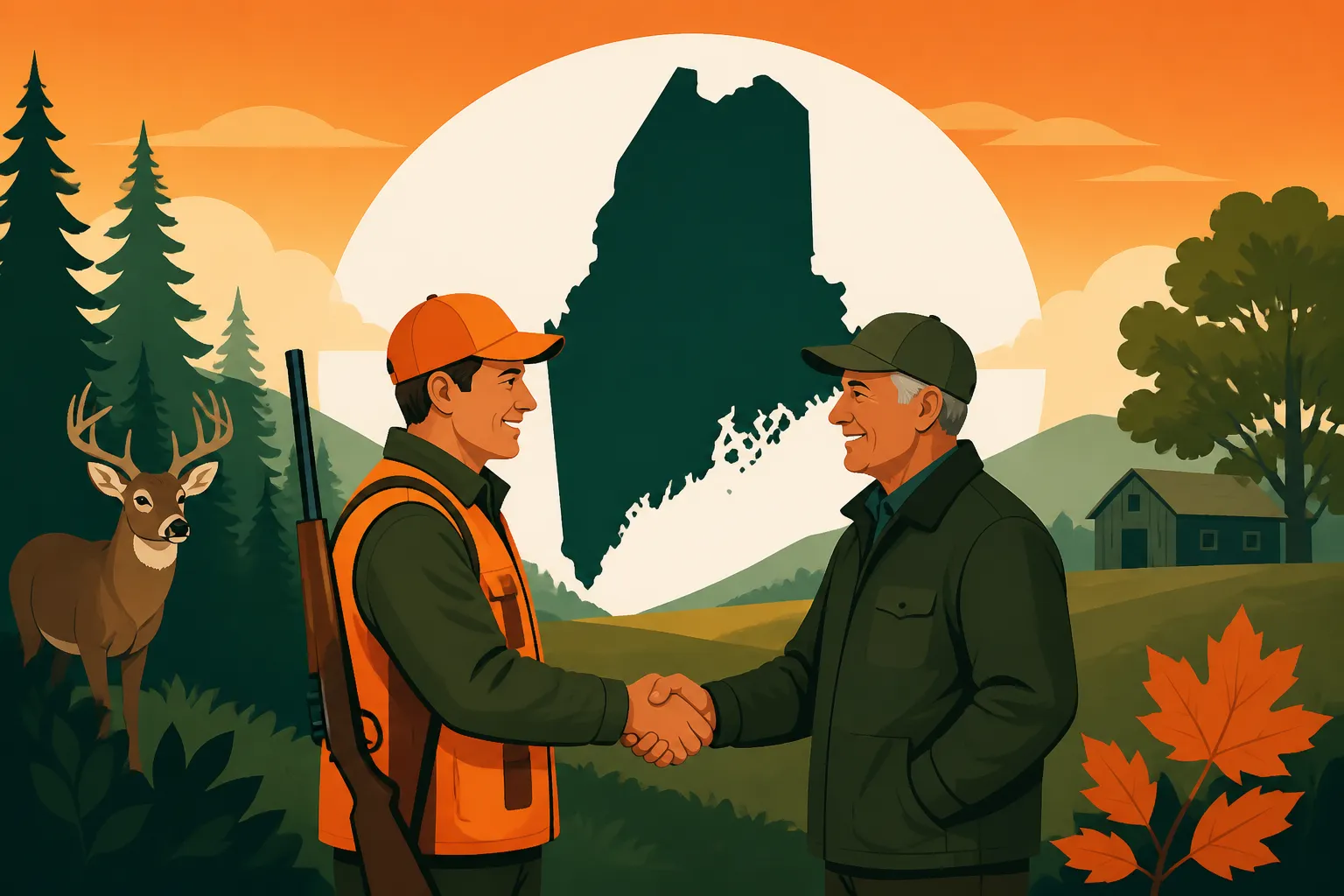
At its core, the program's primary goal is to foster an environment of mutual respect. It acknowledges that landowners have the right to control their property and that hunters have a responsibility to be good stewards. It aims to educate both parties on their roles and responsibilities, emphasizing that shared access is a privilege, not a right, on private land. This means teaching hunters to always seek permission, especially when in doubt, and to leave the land in better condition than they found it. For landowners, it means understanding the long-standing tradition of shared use and recognizing the benefits of allowing responsible recreation. The goal is to move beyond mere tolerance to a place of genuine appreciation for what each party brings to the table.
Ensuring Future Generations Can Hunt
Ultimately, the long-term vision of the Maine Landowner Relations Program is to secure access for future generations of hunters and outdoor enthusiasts. If current trends continue, many younger hunters might never experience the freedom of exploring Maine's vast private timberlands or knocking on a farmhouse door for permission to hunt a woodlot. By promoting responsible behavior and nurturing positive relationships today, the program hopes to instill a culture where landowners feel comfortable keeping their gates open and where hunters understand the immense value of that generosity. It's an investment in the future of our hunting heritage, ensuring that the wild lands of Maine remain accessible for those who cherish them.
Key Components and Initiatives of the Program
The Maine Landowner Relations Program isn't just a mission statement; it's an active, multi-faceted effort with several key components designed to facilitate better interactions and address issues head-on. These initiatives provide practical tools and resources for both landowners and outdoor recreationalists.
Education and Outreach for Both Parties
A cornerstone of the program is its robust educational and outreach efforts. MDIFW actively works to inform both landowners and the public about their rights, responsibilities, and best practices for respectful land use. This includes distributing educational materials, participating in community events, and maintaining an online presence with helpful guidelines. For hunters, this means emphasizing the importance of ethical conduct, knowing the regulations, and understanding the nuances of asking for Do You Need Written Permission in Maine? or simply navigating What Posted Land Means in Maine. For landowners, it involves clarifying trespass laws, explaining liability protections, and offering resources to manage access effectively without feeling overwhelmed. This continuous dialogue is crucial for preventing misunderstandings that can often lead to access issues.
Conflict Resolution and Mediation Services
One of the most valuable aspects of the Landowner Relations Program is its role in conflict resolution. When disputes arise between landowners and those using their property, the MDIFW can step in to mediate. This might involve facilitating conversations, explaining legal provisions, or even investigating complaints. The program aims to resolve issues amicably before they escalate into legal action or, worse, the permanent closure of land. This service provides a neutral third party that can help bridge communication gaps and find common ground, ensuring that minor incidents don't become major access barriers. It's a lifeline for both parties when tensions run high.
Enforcement and Reporting Tools
Beyond education and mediation, the program also supports the enforcement of state laws regarding trespass and property damage. MDIFW game wardens are actively involved in investigating complaints and ensuring that those who violate the trust of landowners are held accountable. For hunters, this means understanding their obligation to report illegal activities or irresponsible behavior they witness. The Maine Hunting App, for instance, has features that can help identify property boundaries, and tools like GoHunt or OnX Hunt can be invaluable for understanding who owns what, minimizing accidental trespass. The program encourages everyone to be part of the solution by utilizing these resources to report issues promptly and accurately, safeguarding access for everyone who plays by the rules.
How Landowners Can Benefit from the Program
For private landowners, the Maine Landowner Relations Program offers tangible benefits and resources that can help them manage their property, protect their interests, and feel more comfortable maintaining a tradition of open access. It's not just about what they give, but what they gain in peace of mind and support.
Protecting Property Rights While Granting Access
A common concern for landowners is the fear of losing control over their property or facing liability if someone gets hurt. The program helps clarify these points, reassuring landowners that granting recreational access does not diminish their property rights. Maine law, specifically Title 14, Section 159-A, offers significant liability protection to landowners who allow free recreational use of their land. This statute essentially states that a landowner is generally not liable for injuries to recreational users unless there's a willful or malicious failure to guard or warn against a dangerous condition, or for an injury suffered when the landowner charges for access. Understanding these protections can alleviate a lot of anxiety, allowing landowners to feel more secure in their decision to keep their land open.
Access to Educational Resources and Signage
The program provides landowners with direct access to educational materials, including information on trespass laws, liability, and best practices for managing recreational use. They can also receive free "Landowner Courtesy" signs from the MDIFW. These signs, rather than simply stating "No Trespassing," often convey a message of "Please Ask Permission" or "Respect Private Property." This subtle shift in messaging can be incredibly effective, turning a hard "no" into an invitation for dialogue, fostering the mutual respect the program aims for. Imagine a sign that says, "Welcome to our family land. Please enjoy responsibly and leave no trace." It’s a far cry from a stern red and white "Keep Out" sign.
Resolving Issues Through IDIFW Support
Should issues arise, such as property damage, littering, or disrespectful behavior, landowners are not left to deal with it alone. The Landowner Relations Program acts as a direct line to MDIFW, providing assistance in resolving conflicts. This might involve a game warden visit, educational outreach to the offending party, or formal mediation. Knowing there’s a state agency dedicated to supporting them and addressing their concerns can empower landowners to maintain access rather than simply resorting to posting their land completely. For landowners who feel overwhelmed or frustrated, this direct support is invaluable in navigating difficult situations and upholding the integrity of their property.
| Hunter's Responsibilities | Landowner's Rights & Considerations | |
|---|---|---|
| Before Entering Property | Obtain permission (especially on posted or cultivated land), understand property boundaries (using tools like GoHunt or Maine Hunting App), know local and state regulations. | Post land clearly if prohibiting access, understand liability protections for recreational use, decide who can access and for what activities. |
| During Use of Property | Respect property (no littering, damage to structures, fences, crops), avoid disturbing livestock, close gates, respect privacy, park vehicles responsibly. | Expect respectful behavior, communicate expectations to users, have a plan for addressing violations, contact MDIFW if issues arise. |
| After Leaving Property | Leave no trace, ensure all gates are closed, report any observed irresponsible behavior or violations, thank the landowner if permission was granted. | Evaluate continued access based on user conduct, consider benefits of open access (wildlife management, good will), re-post or update signs as needed. |
| Legal Framework | Adhere to Maine Trespass Laws, Maine Hunter Education Requirements, and wildlife regulations. | Protected by Maine's recreational use statute (Title 14, Section 159-A), can enforce trespass laws and seek restitution for damages. |
How Hunters Can Support and Utilize the Program
The success of the Maine Landowner Relations Program hinges just as much on hunters' actions as it does on landowners' willingness to participate. As hunters, we have a profound responsibility to be the best ambassadors for our sport, actively contributing to a positive relationship with private landowners.
The Hunter's Role in Responsible Access
Every hunter has a critical role to play in preserving access. It starts with respect: respect for the land, respect for the landowner, and respect for the tradition of hunting itself. This means consistently practicing ethical behavior in the field. Don't leave trash, don't damage property, don't block access roads, and always, always close gates behind you. If you encounter property that looks cultivated or occupied, or if there's any doubt, make the effort to Knocking on Doors in Aroostook Farm Country or any other area to ask for permission. A friendly face and a polite request go a long way. Even if permission is denied, a respectful interaction leaves a positive impression, fostering goodwill for the next hunter.
Using Tools Like the Maine Hunting App and GoHunt
Modern technology offers powerful tools to help hunters be more responsible and informed. The official Maine Hunting App, developed by the MDIFW, provides access to regulations, reporting features, and often even mapping capabilities that can show public land boundaries. Beyond that, private land mapping applications like GoHunt or OnX Hunt are invaluable resources. These apps allow hunters to clearly identify property lines, landowner names, and often even contact information. Using such tools minimizes the risk of accidental trespass and allows hunters to scout potential areas more effectively, knowing exactly whose land they are on. Imagine being able to confirm boundaries before setting up a stand; that kind of certainty is a game-changer for respectful hunting on private lands.
Reporting Violations and Building Trust
One of the most important, yet often overlooked, ways hunters can support the Landowner Relations Program is by reporting observed violations. If you witness someone littering, destroying property, or poaching, it's not "snitching" to report it; it's protecting our shared access and upholding the integrity of our hunting community. The MDIFW's Warden Service relies on public assistance to enforce laws and address irresponsible behavior. By promptly and accurately reporting incidents, hunters actively demonstrate their commitment to responsible land use, thereby building trust with landowners. This collective vigilance reinforces the idea that hunters are allies, not adversaries, in maintaining clean, safe, and accessible private lands. Remember, every act of irresponsibility by one hunter reflects poorly on all of us. When you need to Retrieving Game From Private Land in Maine, having a good relationship with landowners beforehand can make all the difference.
Challenges and Future Outlook for Private Land Access in Maine
While the Maine Landowner Relations Program has made significant strides, the challenges to maintaining private land access are ongoing and complex. The landscape of land ownership and recreational use is constantly evolving, requiring continuous adaptation and innovation from all stakeholders.
Navigating Population Growth and Development
Maine is experiencing growth, particularly in its southern and coastal regions. As more people move to the state, and as development expands, pressure on open land increases exponentially. Smaller parcels are bought and sold, often by new landowners who may not share Maine's traditional implied permission ethos. These newer residents might purchase land specifically for privacy, or they may simply be unfamiliar with hunting culture. This demographic shift, coupled with continued suburban sprawl, means fewer large, unposted tracts of land are available. The program must continually find ways to educate these new landowners and integrate them into Maine's outdoor community, demonstrating the benefits and protections involved in allowing access. It's a delicate balance of welcoming new neighbors while preserving long-held traditions.
Sustaining Funding and Volunteer Engagement
Like many state-funded initiatives, the Landowner Relations Program relies on consistent funding and, importantly, robust volunteer engagement. Game wardens and MDIFW staff are stretched thin, covering vast territories and numerous responsibilities. The program's educational outreach and mediation services require dedicated resources that can sometimes be challenging to secure. Furthermore, fostering positive landowner relations is an ongoing effort that benefits immensely from community involvement and the commitment of outdoor groups. Sustaining this momentum requires continued advocacy for funding and a renewed emphasis on recruiting and supporting volunteers who can serve as local ambassadors for responsible outdoor ethics. Without sustained investment, the program's reach and impact could diminish.
Innovating for Continued Success
Looking to the future, the Maine Landowner Relations Program must remain dynamic and innovative. This means exploring new technologies for mapping and communication, developing fresh educational materials that resonate with diverse audiences, and potentially forging new partnerships with land trusts, timber companies, and conservation organizations. Perhaps there are new incentive programs for landowners, or expanded mentorship programs for new hunters focused on landowner etiquette. Continued success will involve constant evaluation, adapting strategies to changing demographics and land use patterns, and never losing sight of the program's fundamental goal: to keep Maine's private lands open for responsible hunting and recreation for generations to come. The effort to secure access is never truly "finished"; it's a perpetual commitment to our shared outdoor future.
Disclaimer
Please remember that hunting regulations and landowner laws can change. Always consult the official Maine Department of Inland Fisheries and Wildlife (MDIFW) website and current hunting law book for the most up-to-date and accurate information before heading afield. This guide is for informational purposes only and does not constitute legal advice.