Minimum Age for Unsupervised Maine Hunting
It can be incredibly confusing to navigate hunting regulations, especially when it comes to who can hunt, when, and with what level of supervision. Many new hunters and parents of aspiring young outdoors enthusiasts in Maine find themselves scratching their heads, wondering at what age a hunter can truly head into the woods completely on their own. This guide is here to untangle the specifics of Maine's hunting laws, focusing on the minimum age requirements for unsupervised hunting and the steps to get there.
Demystifying Maine's Age Requirements for Solo Hunters
The legal age for a hunter to take to the Maine woods entirely by themselves is a critical piece of information for anyone involved in the sport. It’s not just about knowing a number; it’s about understanding the progression of skill, safety, and responsibility that leads to independent hunting privileges. Maine's Department of Inland Fisheries and Wildlife (MDIFW) has clear guidelines, but they can sometimes feel a bit buried in the regulations handbook.
The Core Rule: When Can You Hunt Alone?
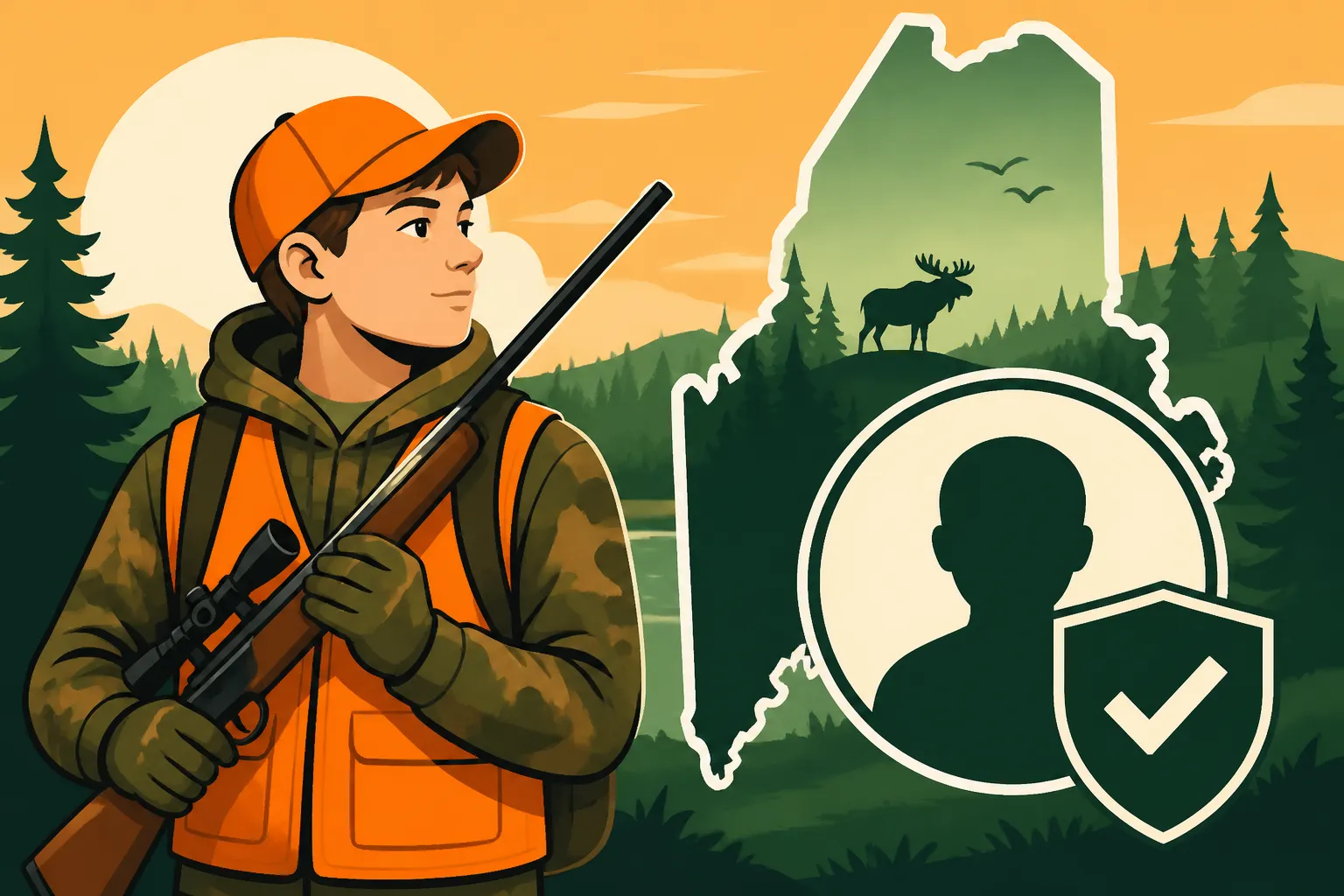
In Maine, a person generally must be 16 years of age or older to hunt without direct adult supervision. This isn't just an arbitrary number; it's the age at which the state recognizes an individual as having the maturity and the requisite knowledge to make independent, safe, and ethical decisions in the field. Prior to turning 16, every hunter, regardless of their skill level or experience, is required to be accompanied and directly supervised by an adult. This adult must be at least 18 years old and hold a valid Maine hunting license or have held one in any prior year.
This rule applies to all types of hunting across the state, whether you're after deer in the mid-coast region or chasing upland birds in Aroostook County. It’s a foundational safety measure, ensuring that younger hunters have the benefit of an experienced eye and a guiding hand to help them navigate complex situations, understand game behavior, and prioritize safety above all else. For instance, a 15-year-old might be an excellent shot, but the decision-making process for tracking a deer through dense cover or judging safe shot angles in a busy woodlot requires a level of experience that comes with time and mentorship.
Why These Rules Exist: Safety and Responsibility
The regulations concerning youth hunting are rooted deeply in safety, wildlife conservation, and fostering responsible stewardship of natural resources. Hunting is an inherently serious activity that involves firearms, sharp objects, and navigating challenging outdoor environments. A momentary lapse in judgment can have severe consequences, not only for the hunter but also for others in the vicinity and the wildlife itself.
The requirement for supervision for hunters under 16 provides a crucial period of apprenticeship. During these formative years, young hunters learn not just how to shoot, but how to identify game, understand wildlife biology, read terrain, track animals, and, most importantly, practice safe firearm handling and ethical hunting practices. The mentor acts as a real-time instructor, correcting mistakes, answering questions, and instilling the profound respect for wildlife and the land that defines responsible hunting. This supervised learning curve minimizes the risk of accidents and helps prevent poor decisions that could lead to wasted game or violations of hunting laws. It's an investment in the future of hunting, ensuring that the next generation is well-equipped to carry on the tradition safely and ethically.
The Stepping Stone: Maine's Mentored Youth Hunting Program
Before a young person can legally hunt on their own in Maine, they typically participate in some form of mentored hunting. The state has an excellent program designed to ease new, young hunters into the sport under the watchful eye of an experienced adult. This isn't just a suggestion; for those under 16, it's often the only legal way to hunt certain species.
How the Mentored Program Works
Maine's Mentored Youth Hunting Program allows youth as young as 10 to hunt various game animals, provided they are accompanied by a qualified mentor. The mentor must be at least 18 years old and hold a valid hunting license. The relationship is strictly defined: the mentor must remain within direct visual and voice contact of the mentee at all times, ensuring immediate intervention if needed. The mentee does not need to have completed a hunter education course to participate in this program, as the mentor is responsible for ensuring safe and ethical practices. This is a fantastic way for families to introduce the next generation to hunting without the initial barrier of a full hunter education course.
This program is outlined in detail within the state's hunting regulations and is a cornerstone of how Maine cultivates new hunters. It bridges the gap between theoretical knowledge and practical application, allowing kids to experience the thrill and challenge of hunting firsthand while still receiving constant guidance. For example, a 12-year-old on their first deer hunt with their grandfather might learn more about still-hunting in a light drizzle and the importance of checking shooting lanes in real-time than they ever could from a textbook. It’s this hands-on, immediate feedback that makes the mentored program so invaluable. You can learn more about the specifics of the Maine Mentored Youth Hunting Rules to ensure you're compliant.
Specifics of the Youth Deer Hunt Weekend
One of the most exciting opportunities for young hunters in Maine is the dedicated Youth Deer Hunt Weekend. This special weekend, usually held annually just before the regular firearms deer season, allows eligible youth hunters (under 16) to hunt deer. The rules for this weekend are similar to the general mentored hunting program: the youth must be accompanied by a licensed adult mentor, and all other deer hunting regulations (like bag limits, WMD rules, and antlerless permit requirements) apply.
This weekend is a huge draw and a fantastic opportunity to get young hunters afield with less pressure from other hunters. Imagine a 14-year-old sitting in a blind with their parent on a crisp October morning, glassing a field edge for deer, knowing that the woods are largely reserved for them and other youth hunters. It's a memory in the making and a powerful way to foster a love for the outdoors. Even if they don't harvest a deer, the experience of being out there, observing nature, and understanding the rhythm of the hunt is incredibly impactful. Details regarding Maine Youth Deer Hunt Rules are updated annually, so it's always wise to check the current regulations before planning your trip.
The Role of the Mentor: More Than Just Supervision
The mentor's role in Maine's youth hunting initiatives cannot be overstated. They are not merely chaperones; they are teachers, guides, and ethical compasses. Beyond simply ensuring legal compliance, a good mentor instills a deep respect for wildlife, conservation, and responsible firearm handling. They teach patience, observation skills, tracking techniques, and the importance of shot placement. More than that, they share the intangible aspects of hunting – the quiet solitude, the appreciation for nature's beauty, and the profound connection to where our food comes from.
The mentor is responsible for:
- Direct control and instruction: Guiding the youth through every step of the hunt.
- Firearm safety: Ensuring the youth handles firearms safely at all times.
- Ethical conduct: Teaching proper shot selection, avoiding wounding animals, and respecting game.
- Legal compliance: Making sure the youth understands and follows all hunting laws, including tagging and registration.
- Field dressing and tracking: Providing guidance on how to properly handle a harvested animal.
It's a huge responsibility, but also an incredibly rewarding one. Mentors are shaping the future of hunting in Maine, one young hunter at a time. The program also offers an Maine Apprentice Hunter License Rules option for those new to hunting, which allows an individual to hunt under the direct supervision of a licensed hunter without first completing a hunter education course, providing another pathway for supervised learning regardless of age.
Earning Independence: Hunter Education and Licensing
The path to unsupervised hunting in Maine is paved with education and proper licensing. These are the critical steps that demonstrate a hunter has gained the necessary knowledge and understanding to hunt safely and legally on their own.
Completing Maine's Hunter Education Course
For anyone wishing to hunt independently in Maine, completing a state-certified hunter education course is non-negotiable. This course covers a broad spectrum of topics essential for safe and ethical hunting, including firearm safety, hunting ethics, wildlife identification, basic survival and first aid, game care, and an in-depth review of Maine's hunting laws. It's a comprehensive program designed to equip hunters with the knowledge needed to make responsible decisions in the field.
The course is typically offered in various formats, including traditional in-person classes and online options with a required field day. While the online component can be convenient, the field day is crucial for hands-on experience with firearm handling, shooting proficiency, and practical application of safety rules under the guidance of certified instructors. This ensures that even those who learn quickly from textbooks get essential practical training. If you're wondering Who Needs Maine Hunter Education or are considering Taking Maine Hunter Education Online, the MDIFW website is your best resource for current schedules and requirements. Once successfully completed, this course grants you the certification needed to purchase an adult hunting license.
Obtaining Your First Hunting License
Once a hunter reaches the age of 10 and has successfully completed their hunter education course (or is participating in the mentored program), they can purchase a junior hunting license. This license allows them to hunt under supervision until they turn 16. However, to hunt unsupervised, the hunter must be 16 years of age or older and possess a valid adult hunting license.
The process for purchasing a license is straightforward. You can usually do it online through the MDIFW licensing portal, at various licensing agents across the state, or by mail. When applying for your first adult license, you'll need to provide proof of your hunter education completion. For residents, a Maine Resident License Options covers the general hunting license, while non-residents have their own specific options. It’s also wise to consider Maine's Maine Hunting Licenses and What They Cost each season, as fees can vary. Many hunters find using platforms like GoHunt helpful for quickly accessing regulations, licensing information, and even scouting tools, making the administrative side of hunting a bit easier to manage.
Different Licenses and Their Age Implications
Maine offers a variety of hunting licenses, and while the core age for unsupervised hunting remains 16, some specific permits and tags have additional implications. For example, if you're interested in Muzzleloader Deer Hunting in Maine, you'll need a specific muzzleloader permit in addition to your regular hunting license. There are no additional age requirements for these permits beyond the general hunting license rules, meaning a 16-year-old with a valid hunting license can obtain a muzzleloader permit and hunt during that season, provided they follow all associated regulations.
Similarly, for other specialized hunts like bear or turkey, while the base hunting license covers some aspects, additional permits might be required. The key is always the base hunting license, which acts as your foundational permission to hunt, and then specialized permits build upon that. For instance, turkey hunting requires a specific turkey permit, regardless of age once you're licensed, and bear hunting has its own unique permit structure. These permits ensure proper management of game populations and provide data for wildlife biologists. Keep in mind that for a 16-year-old, the primary hurdle for any of these specialized hunts is holding that initial, valid adult hunting license.
| Age Group | Supervision Required? | Hunter Education Required? | License Type (Typical) | Notes |
|---|---|---|---|---|
| Under 10 | Yes (Strict) | No | No hunting license | Cannot handle firearms unless in approved range setting. |
| 10-15 | Yes (Direct) | No (Mentored Program) | Junior Hunting License | Can participate in Maine Mentored Youth Hunting Rules. |
| 10-15 | Yes (Direct) | Yes | Junior Hunting License | After completing hunter ed, still needs supervision until 16. |
| 16+ | No | Yes | Adult Hunting License | Can hunt independently. Eligible for all permits (moose, bear, etc.). |
Real-World Scenarios and Practical Advice
Understanding the legal minimum age is one thing, but applying that knowledge in the diverse and challenging landscapes of Maine, while also considering individual readiness, is another. Becoming an unsupervised hunter means embracing full responsibility for your actions, your safety, and your impact on the environment.
Navigating Different Game Seasons
Once you've hit 16 and completed your hunter education, you're officially eligible to participate in Maine's various hunting seasons without a mentor. This opens up a world of possibilities, from the intense focus of Bowhunting Maine's Long Archery Season in early fall to the chill of Muzzleloader Deer Hunting in Maine in December, or the tactical calling during Spring Turkey Hunting in Maine. Each season, however, comes with its own set of unique rules, equipment requirements, and environmental challenges.
A 16-year-old might be legally able to hunt deer during the firearms season, but the conditions and pressures in November can be vastly different from a quiet archery hunt in October. The presence of other hunters, variable weather, and the need for quick, sound decisions when game appears all factor into the experience. Similarly, hunting waterfowl along the coast, a type of Sea Duck Hunting the Maine Coast, demands specialized gear, knowledge of tides and currents, and specific safety protocols for watercraft. While legally permitted, a young solo hunter needs to be well-versed in the particular nuances of each hunt they undertake. Tools like GoHunt can be invaluable for cross-referencing season dates, bag limits, and WMD-specific regulations to ensure you're always legal and prepared.
Beyond the Law: Maturity and Decision-Making
While 16 is the legal threshold for unsupervised hunting, it's crucial to remember that legal eligibility doesn't always equate to practical readiness. Hunting independently demands a high level of maturity, self-reliance, and sound decision-making skills. There's no mentor to double-check your safety zone, confirm target identification, or offer a second opinion on a blood trail.
Consider a scenario where a young hunter, legally able to hunt alone, tracks a deer into a dense cedar swamp as dusk approaches. A mature, experienced hunter might know when to back out and return in the morning, prioritizing safety over immediate recovery. A less experienced or overly ambitious young hunter might push too hard, risking getting lost, injured, or making a poor decision in low light. Parents and young hunters themselves should honestly assess their comfort level and practical skills. Are they proficient with a compass and map, or a GPS? Can they confidently field dress an animal? Do they know basic first aid? Can they handle being alone in potentially remote areas for extended periods, especially if the weather turns? These are all questions that need thoughtful answers, even when the law says "go."
Planning Your First Solo Hunt
For a young hunter stepping into unsupervised hunting for the first time, careful planning is paramount. It’s not just about grabbing your rifle and heading out the door. Here's a quick checklist to consider:
- Know Your Regulations: Double-check all relevant regulations for the specific game, weapon, and Wildlife Management District (WMD) you'll be hunting. The Maine's Antlerless Permit System is a good example of specific regulations that can vary by WMD.
- Scout Thoroughly: Familiarize yourself with the area you plan to hunt. Understand property lines, potential hazards, and game movement patterns. Using resources like GoHunt or other mapping apps can help you pinpoint Scouting Maine Private Land Before Season or Hunting a North Maine Woods Checkpoint Tract effectively.
- Check Your Gear: Ensure all equipment is in top working order – firearms cleaned and sighted in, clothing appropriate for the weather, a sharp knife, first aid kit, and navigation tools.
- Tell Someone Your Plan: Always inform a trusted adult where you are going, your expected return time, and who to call if you don't check in.
- Practice Safety: Rehearse firearm safety rules mentally. Always treat every firearm as if it's loaded, keep the muzzle in a safe direction, keep your finger off the trigger until ready to shoot, and be absolutely sure of your target and what's beyond it.
- Pack Essentials: Beyond hunting gear, carry water, snacks, a headlamp, fire-starting materials, and communication devices (recognizing cell service can be spotty in much of Maine).
- Post-Harvest Plan: Have a clear plan for Field Dressing a Deer in Cold Weather and Dragging a Deer Out of a Cedar Swamp, and understand the Maine Deer Registration Requirements including how to report your harvest.
Embarking on a solo hunt is a significant milestone, a true test of the skills and ethics learned during years of mentored experiences. It's a journey into greater independence, responsibility, and a deeper connection with Maine's wild places.
Disclaimer
The information provided in this guide is for informational purposes only and does not constitute legal advice. Hunting laws and regulations in Maine can change, and it is the responsibility of every hunter to consult the most current regulations published by the Maine Department of Inland Fisheries and Wildlife (MDIFW) before participating in any hunting activity. Always prioritize safety and ethical hunting practices.