Filling a Two-Bear License Year
Getting two bears in a single hunting season in Maine sounds like a dream for many, but the reality can feel daunting. You've heard whispers about a "two-bear limit," and maybe you've even picked up a bear permit, but actually filling it twice? That's a whole different ballgame. It's a challenging endeavor that requires dedication, strategic planning, and often, the willingness to embrace different hunting or trapping methods, but it's absolutely achievable if you understand the rules and maximize your opportunities in Maine's abundant bear country. This guide will walk you through exactly how to navigate the regulations and tactics to pursue a second bear in the Pine Tree State.
Understanding Maine's Two-Bear Bag Limit
Many hunters are surprised to learn that Maine offers the possibility of taking two black bears in a single license year. It's not as simple as shooting two over bait, though. The rules are specific, designed to allow for various harvest opportunities while managing the state's robust bear population. It really boils down to utilizing different legal methods or distinct seasons, ensuring that each bear contributes to careful management.
How a Two-Bear Opportunity Arises
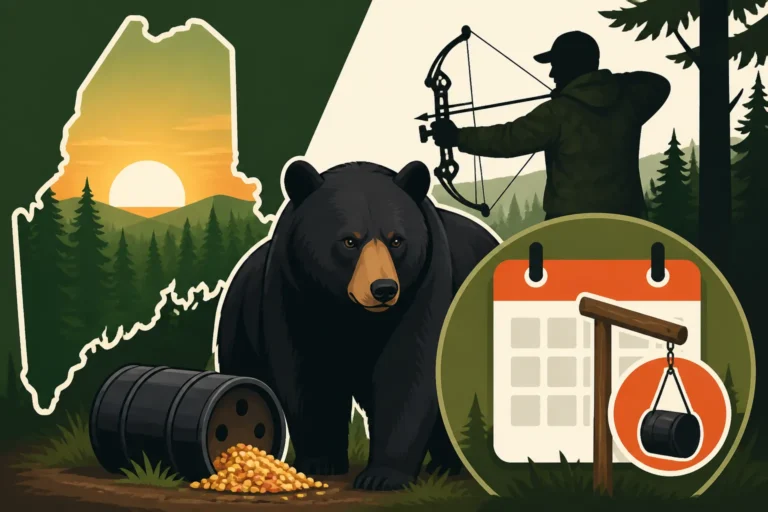
The concept of a "two-bear license year" in Maine usually means harvesting one bear through a hunting method (like baiting or hounding) and then taking a second bear through trapping, or vice versa. It’s a common misconception that you can simply shoot two bears over the same bait pile, but that's not how it works. Maine's regulations are designed to provide diverse harvest opportunities rather than doubling up on a single approach. For example, you might successfully take a bear early in September during the baiting season. With your bear permit still active, you could then purchase a trapping license and set traps later in the fall. Alternatively, some hunters might participate in a guided hound hunt in October, harvest a bear, and then utilize the late-season trapping opportunity. The key here is the method and the timing. It’s not about having two separate bear tags; it’s about one permit allowing you to take up to two bears using distinct, legal methods within the same license year. This nuance is crucial for anyone hoping to maximize their chances.
The Different Seasons and Methods for Bear
Maine's diverse bear hunting and trapping seasons offer a unique staggered approach that allows for the two-bear opportunity. Each method has its own specific timeframe and set of rules, and understanding these is paramount. The first opportunity often comes with the baiting season, which typically opens in late August and runs through most of September. This is a very popular method, especially for non-residents and those looking for a more stationary hunt. Many outfitters specialize in Baiting Black Bears Legally in Maine during this period.
Following the baiting season, the hound season kicks off in mid-September and continues into late October. This method is incredibly active and exciting, involving tracking bears with trained dogs, which you can learn more about by exploring Hunting Bear With Hounds in Maine. Then, running concurrently with the hound season and extending well into November, is the trapping season. Trapping is a highly effective, albeit more labor-intensive, method that can be very productive, especially in remote areas. Some individuals even combine a bear hunting endeavor with a trapline, a strategy which can lead to that coveted second bear. The flexibility of these overlapping and sequential seasons is what makes the two-bear limit a realistic goal for dedicated individuals.
Strategizing for Your Second Maine Bear
Successfully taking a second bear requires a shift in mindset from simply getting a bear. It's about maximizing the distinct opportunities Maine provides and adapting your tactics to the available methods and changing seasonal conditions.
Leveraging Different Methods
The absolute core of filling a two-bear license year in Maine lies in embracing different legal methods. If you punched your tag over a bait site in September, your next move isn't to find another bait site. Instead, you'll need to pivot. Perhaps you've always wanted to experience Hunting Bear With Hounds in Maine; the hound season offers a completely different, fast-paced challenge, often targeting bears that are still active and feeding heavily. Outfitters specializing in hound hunts have dogs trained to track and tree bears, providing an exciting and highly effective way to tag your second animal. This requires a different set of skills, equipment, and often, a guide.
Alternatively, the trapping season provides a highly effective, often less physically demanding, method for securing that second bear. Trapping requires significant knowledge of bear behavior, habitat, and regulation, as you'll need to know about Trapping Black Bears in Maine, including specific trap types, setback distances, and daily checking requirements. Many hunters who might not have the time or resources for a dedicated hound hunt find trapping to be a more accessible route for a second bear, especially if they have some experience with furbearer trapping. It's about analyzing which method best suits your time, budget, and skillset after your first successful harvest. This strategic pivot is what truly defines a two-bear hunter.
Timing Your Efforts
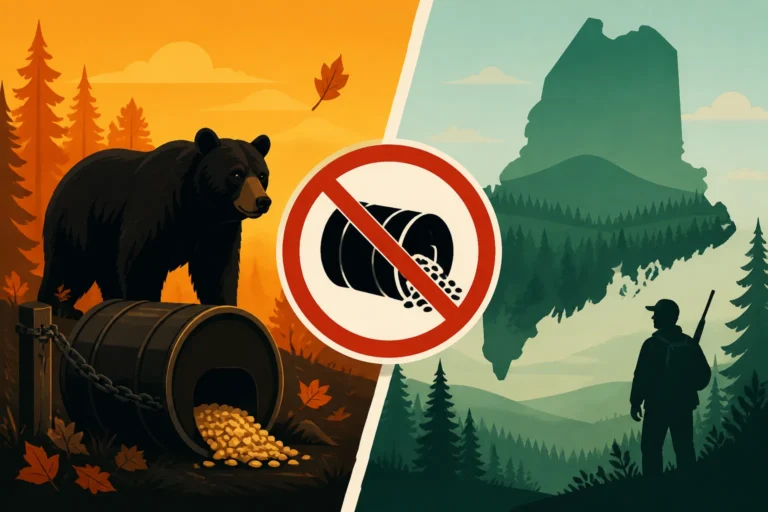
Timing is absolutely everything when you're trying to fill a two-bear license in Maine. The staggered nature of the seasons is your biggest ally. The bait season, which often closes around What Ends Maine's Bait Season on September 26, is typically your first crack at a bear. If you manage to tag one during this early period, you still have ample time to prepare for the next phase. As the bait season wraps up, the hound season is in full swing, offering another chance well into October. This overlap is crucial; a hunter could theoretically fill their first tag on the last day of bait season and be out with hounds the very next day.
But the real extended opportunity comes with the trapping season, which often runs through October and well into November. This means a hunter could take a bear with bait in early September, then utilize the latter part of the hound season in October, or more commonly, switch to trapping throughout October and November. The late fall is often when bears are really putting on weight for winter, making them active, though they might be less concentrated than over bait. Planning your pursuit to align with these distinct windows, knowing When Maine's Bear Hound Season Closes and how long you have left, is paramount for securing that second animal. Tools like the GoHunt app can be invaluable for quickly checking season dates and regulations on the fly, ensuring you're always within the legal window for your chosen method.
Practical Considerations and Logistics
Going for a second bear isn't just about strategy; it's also about understanding the nitty-gritty details of licenses, permits, and what happens after you've successfully harvested two animals. Neglecting these practical aspects can quickly derail your efforts.
Licensing and Permit Requirements
Before you even dream of taking a second bear, you need to ensure you're squared away with the proper Maine hunting and trapping licenses. This is where things can get a little confusing, so let's break it down. First, you'll need your basic Maine Hunting Licenses and What They Cost, which is your foundation. On top of that, you'll need a specific Maine Bear Permit. This permit, which has a separate fee, is what allows you to take up to two bears in a calendar year, provided you use legal methods. It's not two permits; it's one permit that grants the two-bear opportunity.
Now, if your plan involves trapping for your second bear, you'll also need to purchase a Maine Trapping License. This is a completely separate license from your hunting license and bear permit. It requires its own set of fees and, for residents, typically an apprentice period or proof of prior trapping experience. Non-residents also have specific requirements, so it's critical to review the Maine Department of Inland Fisheries and Wildlife (MDIFW) regulations carefully. GoHunt's licensing features can help you navigate these requirements, but always double-check with the official MDIFW website. Don't forget that if you're hunting with hounds, you'll also need to be aware of the specific regulations for Maine Hound Season Dates and any additional permit requirements for dogs or guides. It's a bit of a paperwork puzzle, but getting it right ensures your hard work isn't in vain.
Here's a quick overview of the typical licenses and permits needed for bear in Maine:
| Method Used | Required Licenses/Permits | Notes |
|---|---|---|
| Hunting (Baiting) | Basic Hunting License + Bear Permit | Allows one bear via bait, can pursue second via other methods with same permit. |
| Hunting (Hounds) | Basic Hunting License + Bear Permit | Allows one bear via hounds, can pursue second via other methods with same permit. |
| Trapping | Basic Hunting License + Bear Permit + Trapping License | Allows one bear via trapping, can pursue second via other methods with same permit. Trapping license is separate. |
| Two Bears (Mixed) | Basic Hunting License + Bear Permit (plus Trapping License if applicable) | One bear taken by hunting method, one by trapping method, within the same license year. |
Post-Harvest Procedures for Two Bears
Okay, so you've done it! You've successfully harvested your first bear, and against all odds, you've managed to put a second one on the ground. Congratulations! But the job isn't over. Just like your first bear, that second animal still needs to be legally registered and checked in. Maine has very specific requirements for Maine Deer Registration Requirements and Handling a Bear Harvest Check-In, and these apply equally to your second bear. You'll need to report your harvest to the MDIFW, either online through their integrated system or by visiting an authorized registration station. This process typically involves providing details about the harvest, including the date, location (WMD), and method used. The wildlife department will also collect biological data, such as sex, weight, and a tooth for aging the bear. This data is vital for wildlife management, helping the state understand Maine Bear Population Estimate and trends.
Logistically, having two bears in one season presents its own set of challenges. You’ll need a robust plan for field dressing, extracting, and processing both animals. If you're deep in the North Woods, getting one bear out can be tough enough; two will require even more manpower, equipment, and forethought. Consider refrigeration or freezing capacity for both hides and meat. Finding a trusted meat processor or taxidermist who can handle two large animals in relatively short order is key. If you harvested a bear early in the season and kept the hide for a full rug, the second bear might be destined for a skull mount or just the meat. Planning ahead for these scenarios, especially if you're utilizing services like a guide or sporting camp, will save you a lot of stress and ensure both harvests are handled properly. Remember, the goal is not just to fill the tag, but to respectfully and legally utilize the animal.
Maximizing Your Chances for a Double Harvest
Achieving the two-bear limit in Maine is a testament to perseverance and adaptability. It means more than just being in the woods; it means actively scouting, understanding bear behavior across different seasons, and possibly investing in additional resources or knowledge.
Persistent Scouting and Monitoring
You know the old saying: "You can't shoot a bear if you don't know where they are." This holds doubly true when you're aiming for a second animal. Successful two-bear hunters aren't just showing up; they're constantly scouting. This means hitting the woods long before any season opens to identify active feeding areas, travel corridors, and potential den sites. Think about what bears are eating at different times of the year. Early season, it might be berries and mast crops. Later, as the season progresses, they'll be looking for high-calorie foods to pack on winter weight. Utilizing trail cameras in areas known for bear activity, even after your first harvest, can give you real-time intelligence on new bears moving into an area or changes in their patterns.
Remember, bears have enormous home ranges, especially in the vastness of the North Maine Woods. A bear you found in September might be miles away by November. Being proactive and using tools like the GoHunt app to overlay public land data with recent satellite imagery can help you identify promising new areas for your second attempt. Don't be afraid to change locations entirely after your first success. The area you hunted for your first bear might be pressured, or the food source that attracted them might be gone. Finding fresh sign, even in an area you hadn't considered initially, is critical for maximizing your odds. Persistence in scouting is the unsung hero of many successful double harvests.
Adapting to Seasonal Changes and Bear Behavior
Bear behavior changes dramatically throughout the fall, and understanding these shifts is essential for a successful second harvest. Early in the season, during the baiting period, bears are often predictable, concentrated around reliable food sources. They're trying to put on weight, and if you're offering an attractive bait, they'll often become regular visitors. This is When Maine's Bear Bait Season Closes becomes critical, as their patterns will change rapidly once baits are removed.
As the season progresses into October and November, natural food sources become scarcer, and bears become more spread out and less predictable. Their focus shifts from consistent feeding to a frantic search for whatever high-calorie foods remain before denning. This might mean hitting oak ridges for acorns, checking old apple orchards for late drops, or cruising logging roads for any remaining berries. If you're using hounds, the cooler weather means dogs can run longer, and scent trails hold better. If you're trapping, understanding where bears might travel between shrinking food sources or near potential denning sites becomes paramount. You might consider checking Maine Bear Den Study Findings for insights. A bear that was active during the warm days of September might be hunkered down in a thick cedar swamp by late November. Adjusting your tactics, from stand placement to trap locations, to reflect these seasonal changes in behavior is the mark of a truly successful two-bear hunter.
Considering Professional Guidance
For many hunters, especially those new to Maine or to different bear hunting methods, professional guidance can be the key to filling a two-bear license. A Registered Maine Guide brings invaluable experience, local knowledge, and often, the necessary equipment for specialized hunts like hounding or trapping. If you've taken your first bear over bait, but don't own a pack of hounds or have extensive trapping experience, hiring a guide for your second opportunity can drastically improve your chances.
Guides often have established relationships with landowners for access, detailed knowledge of specific areas, and the ability to adapt quickly to changing conditions. They understand Maine's Three-Method Bear Season intimately and can advise on the best strategies for a second bear, whether that means a dedicated hound hunt or helping set and check a trapline. While there's an investment involved in What a Guided Bear Hunt Costs, the expertise and increased likelihood of success often make it a worthwhile consideration for those truly committed to achieving a two-bear year. They can also assist with the demanding logistics of field dressing and extraction, which is especially helpful when dealing with a second large animal.
Disclaimer
Please note that hunting regulations, license requirements, and season dates are subject to change. Always consult the most current official regulations published by the Maine Department of Inland Fisheries and Wildlife (MDIFW) before planning and undertaking any hunting or trapping activities. This content is for informational purposes only and should not be considered legal advice.