Maine Junior Hunting License Rules
It can feel overwhelming trying to navigate the rules and regulations around getting your child involved in hunting, especially when you want to make sure they're safe, legal, and truly enjoying the experience. This comprehensive guide is here to break down everything you need to know about Maine's Junior Hunting License rules, ensuring a smooth path for young hunters and their mentors alike.
Understanding Maine's Commitment to Youth Hunters
Maine has always had a rich tradition of hunting, and ensuring that this heritage continues for future generations is incredibly important. The state understands that introducing young people to the outdoors, to the responsibilities of hunting, and to the conservation ethic early on is crucial.
Why Youth Hunting is Prioritized in Maine
Across the country, we’ve seen a decline in hunter participation, and Maine is actively working to counter that trend. By creating specific avenues and benefits for youth hunters, the Maine Department of Inland Fisheries and Wildlife (MDIFW) aims to make hunting accessible and appealing to the next generation. It’s not just about filling tags; it’s about fostering a deep connection to the land, an understanding of wildlife management, and the development of responsible outdoor citizens. When youth participate, they become stakeholders in conservation, learning firsthand the importance of sustainable practices and the role hunters play in funding wildlife initiatives. Without new hunters, the future of these programs becomes uncertain, making every young hunter a vital part of Maine's outdoor legacy.
The Philosophy Behind Junior Licenses
The core idea behind Maine's junior hunting license isn't just to grant permission, but to provide a structured, educational, and safe entry point into the hunting world. Unlike adult licenses, which assume a baseline of knowledge and experience, junior licenses are inherently tied to mentorship and education. The state recognizes that a young hunter's first experiences are foundational. Therefore, the rules are designed to ensure that these formative years are guided by experienced, responsible adults, minimizing risk while maximizing learning opportunities. It’s about building confidence, teaching patience, and instilling ethical decision-making, rather than simply issuing a piece of paper. This philosophy helps new hunters develop the skills and judgment necessary to eventually hunt independently and safely.
Eligibility and Requirements for a Maine Junior Hunting License
If you have a youngster eager to hit the woods, understanding the specific age, education, and supervision requirements is your first step. Maine has clear guidelines to ensure safety and proper training are paramount.
Age Brackets and Associated Privileges
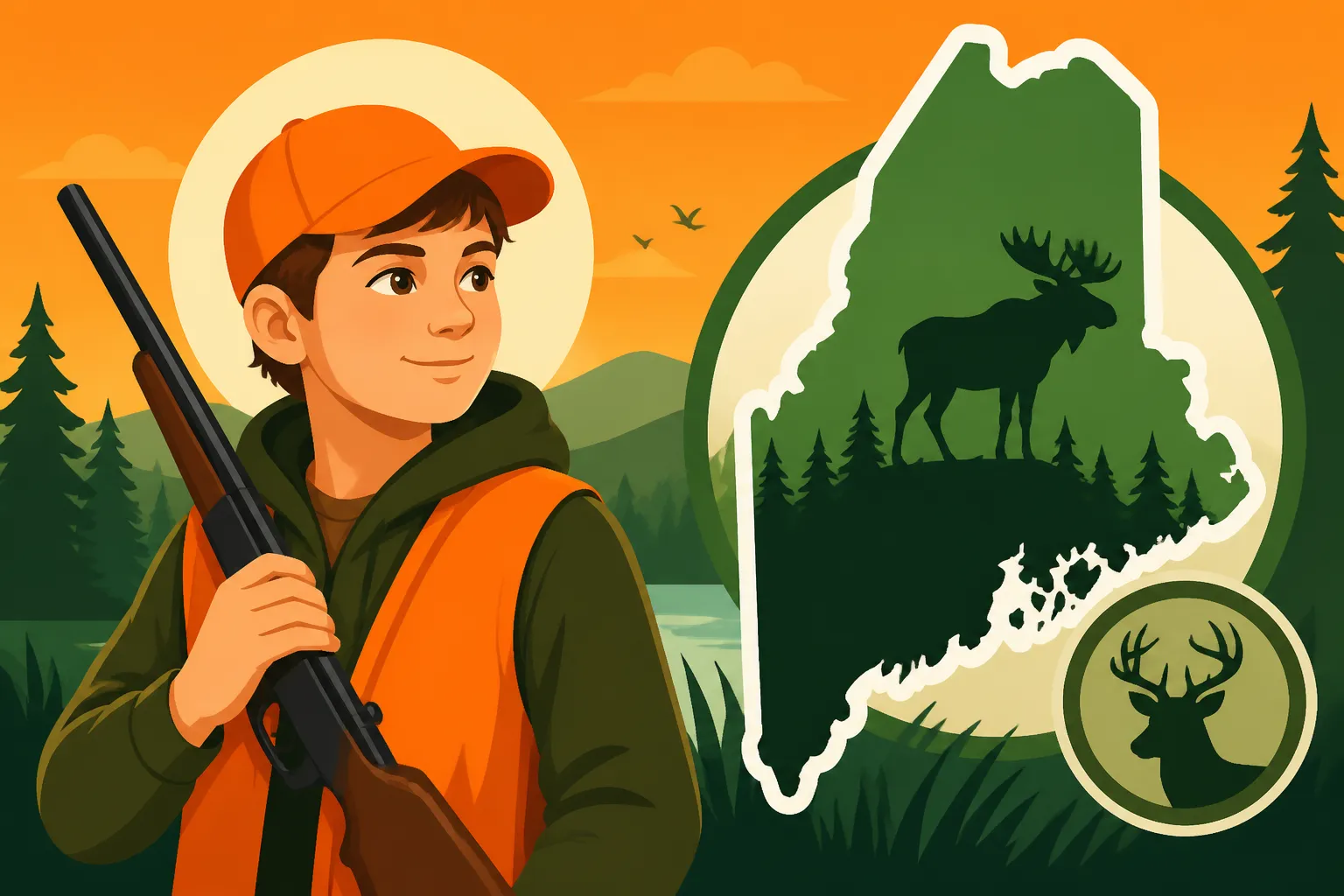
In Maine, a Junior Hunting License is specifically designed for residents and non-residents who are 10 to 15 years old. This age bracket is considered a critical time for learning, where young hunters can absorb information and develop skills under close supervision. Once a junior hunter obtains this license, they are generally allowed to hunt all legal game species, just like an adult, but with the crucial caveat of direct adult supervision. For instance, a 12-year-old with a junior license can participate in the regular firearms deer season, provided they meet all other requirements and are accompanied by an appropriate mentor.
Before they can even apply for this license, however, all young hunters must first complete an approved hunter education course. This course covers firearm safety, responsible hunting practices, wildlife identification, and state hunting laws. It's a foundational step that every hunter, regardless of age, must take. You can find more information about these crucial courses by looking into the Maine Hunter Education Requirements. For those who might not have completed their hunter education yet, there's also the option of an Apprentice Hunter License, which allows hunters of any age (including those over 15 who haven't taken hunter education yet) to hunt under strict mentorship, acting as a stepping stone.
Mandatory Mentorship: Staying Safe in the Field
The bedrock of Maine's junior hunting program is mandatory mentorship. A junior hunter (aged 10-15) must be accompanied and directly supervised by a licensed adult who is 21 years of age or older. This isn't just about having an adult nearby; it's about active, hands-on guidance. The mentor must be someone who holds a valid Maine hunting license for the same species being hunted (or a lifetime license), and they must maintain visual and voice contact at all times. This means they need to be close enough to communicate clearly and intervene if necessary, ensuring the young hunter's safety and adherence to all regulations.
For practical purposes, this often means walking side-by-side or being in the same blind. There’s a distinct difference between supervising from a distance and being truly present in the moment. The mentor is responsible for the junior hunter's actions and is expected to actively teach, guide, and ensure safe firearm handling. The rules for How Close a Maine Mentor Must Stay are quite specific for a reason – they prioritize safety above all else. When planning your youth hunt, resources like GoHunt can be invaluable for reviewing specific regulations and ensuring both mentor and mentee are fully prepared for the outing. This emphasis on close mentorship ensures that critical lessons are learned in real-time and that any potential risks are immediately addressed.
Obtaining and Utilizing Your Junior Hunting License
Once you understand the requirements, the next step is actually getting that license in hand and knowing how to make the most of it. The process is straightforward, and Maine offers some fantastic opportunities for young hunters.
Step-by-Step Application Process
Getting a Maine Junior Hunting License is a relatively simple process once the hunter education requirement is met. The most common and convenient way for residents and non-residents to purchase a license is through the Maine Department of Inland Fisheries and Wildlife (MDIFW) online portal. This digital platform allows you to apply, pay, and often print a temporary license right from home. For those who prefer an in-person transaction, licenses can also be purchased from authorized license agents located throughout the state, often at sporting goods stores, town offices, or bait shops.
When applying, you'll need to provide proof of age (like a birth certificate or state ID) and proof of hunter education completion. The cost for a junior license is typically lower than an adult license, reflecting Maine's effort to encourage youth participation. For residents, the cost is quite modest, and for non-residents, while slightly higher, it still represents a great value for access to Maine's vast hunting opportunities. You can find detailed information on the Maine Resident Base License Cost and Maine Nonresident Base License Cost for current pricing. The GoHunt platform can also be helpful for quick access to the online portal or for locating nearby license agents, making the application process even smoother. Remember to carry proof of your license on your person, either digitally or a physical copy, whenever you are hunting.
Specific Rules and Considerations for Junior Hunters
While junior hunters gain access to most of Maine's hunting seasons, there are specific rules and considerations to keep in mind, many of which are designed to enhance their experience and safety. Generally, junior hunters follow the same daily bag limits and season dates as adult hunters for most species. This means if it's deer season, they're allowed to pursue deer during the designated Maine Firearms Season Dates or Maine Archery Season Dates, always under the mentor's watchful eye.
One of the most important safety rules, especially during the firearms seasons, is Maine's blaze orange requirement. All hunters, including juniors, must wear blaze orange clothing. For children, it's often wise to have them wear even more than the minimum legal requirement to maximize their visibility to other hunters. For full details on these safety requirements, check out Maine Blaze Orange Requirements.
Beyond the general rules, Maine also offers fantastic opportunities specifically for youth. The "Youth Deer Weekend" is a prime example, providing a special two-day window just for junior hunters (aged 10-16) to hunt deer prior to the regular firearms season. This exclusive window, usually in late October, offers less crowded conditions and a unique chance for young hunters to gain valuable experience. You can find more information about these unique opportunities, including exact dates, by looking up Hunting the Youth Deer Weekend or Maine Youth Deer Hunt Dates. These Maine Special Youth Hunt Windows are truly a gift to young hunters, giving them a focused, lower-pressure environment to learn and succeed. GoHunt can be a great resource for checking these specific youth-only dates and any special regulations that might apply to them, helping you plan your junior hunter's exciting season.
Beyond the License: Fostering Responsible Young Hunters
The license is just the beginning. The real work, and the real joy, comes from nurturing a deep understanding and respect for hunting in your young apprentice.
The Importance of Practical Experience
Hunter education courses are vital, but they are just the classroom theory. The actual woods are the practical laboratory where true understanding blossoms. Getting a junior hunter out frequently, even if it's just for scouting or short sits, builds their patience, observation skills, and resilience. It's in these moments that they learn to read sign, understand wind direction, and appreciate the nuances of wildlife behavior. This isn't just about pursuing game; it's about fostering an ethical approach to hunting, which includes respect for the animal, the environment, and other people.
Teaching them to leave no trace, to follow game laws even when nobody is watching, and to always prioritize a clean, ethical shot are lessons best taught by example. Moreover, instilling respect for property rights and the importance of good landowner relations is crucial. Understanding Maine Landowner Relations Program and the proper etiquette for Asking a Maine Landowner for Permission are invaluable lessons that extend beyond hunting, teaching broader lessons about community and responsibility. These real-world experiences solidify the values that make a responsible hunter.
Preparing for the Hunt: Gear and Safety
When hunting with a junior, preparation takes on an even greater importance. Ensuring they have properly fitting gear, from warm layers to comfortable boots, will make their experience far more enjoyable and productive. One of the most critical aspects is selecting the right firearm or bow for their size and strength. A firearm that is too heavy or has too much recoil can quickly discourage a young shooter. Many manufacturers offer youth models specifically designed with shorter stocks and lighter builds.
Safety protocols need to be drilled into memory: always treat every firearm as if it's loaded, always keep the muzzle pointed in a safe direction, always keep your finger off the trigger until ready to shoot, and always be sure of your target and what's beyond it. These "four rules of gun safety" are non-negotiable. Regular practice at a shooting range helps build proficiency and confidence. It's also essential to discuss the Minimum Age for Unsupervised Maine Hunting with them so they understand the progression of their hunting journey. Utilizing resources like GoHunt can help you research appropriate youth gear, find ranges, or plan hunts where safety is paramount. The mentor's constant reinforcement of these safety practices is what turns knowledge into ingrained habits, ensuring a lifetime of safe hunting.
Maine Junior Hunting License Quick Reference
| Requirement | Details |
|---|---|
| Age | 10 to 15 years old (both residents and non-residents) |
| Hunter Education | Mandatory for license purchase (unless using an Apprentice Hunter License path) |
| Mentorship | Required; licensed adult (21+), maintains visual & voice contact |
| Hunting Privileges | Generally same as adult for most species (deer, bear, turkey, etc.) |
| Special Opportunities | Youth Deer Weekend, specific youth hunt windows |
| Blaze Orange | Mandatory during firearms seasons (even more recommended for youth) |
| License Cost | Reduced fee compared to adult licenses |
| Purchase Location | MDIFW online portal or authorized license agents |
Disclaimer
Please remember that hunting laws and regulations can change. While this guide provides comprehensive information based on current knowledge, it is always your responsibility to consult the official Maine Department of Inland Fisheries and Wildlife (MDIFW) website or their current hunting law book for the most up-to-date and specific regulations before heading afield.