Hunting the Youth Deer Weekend
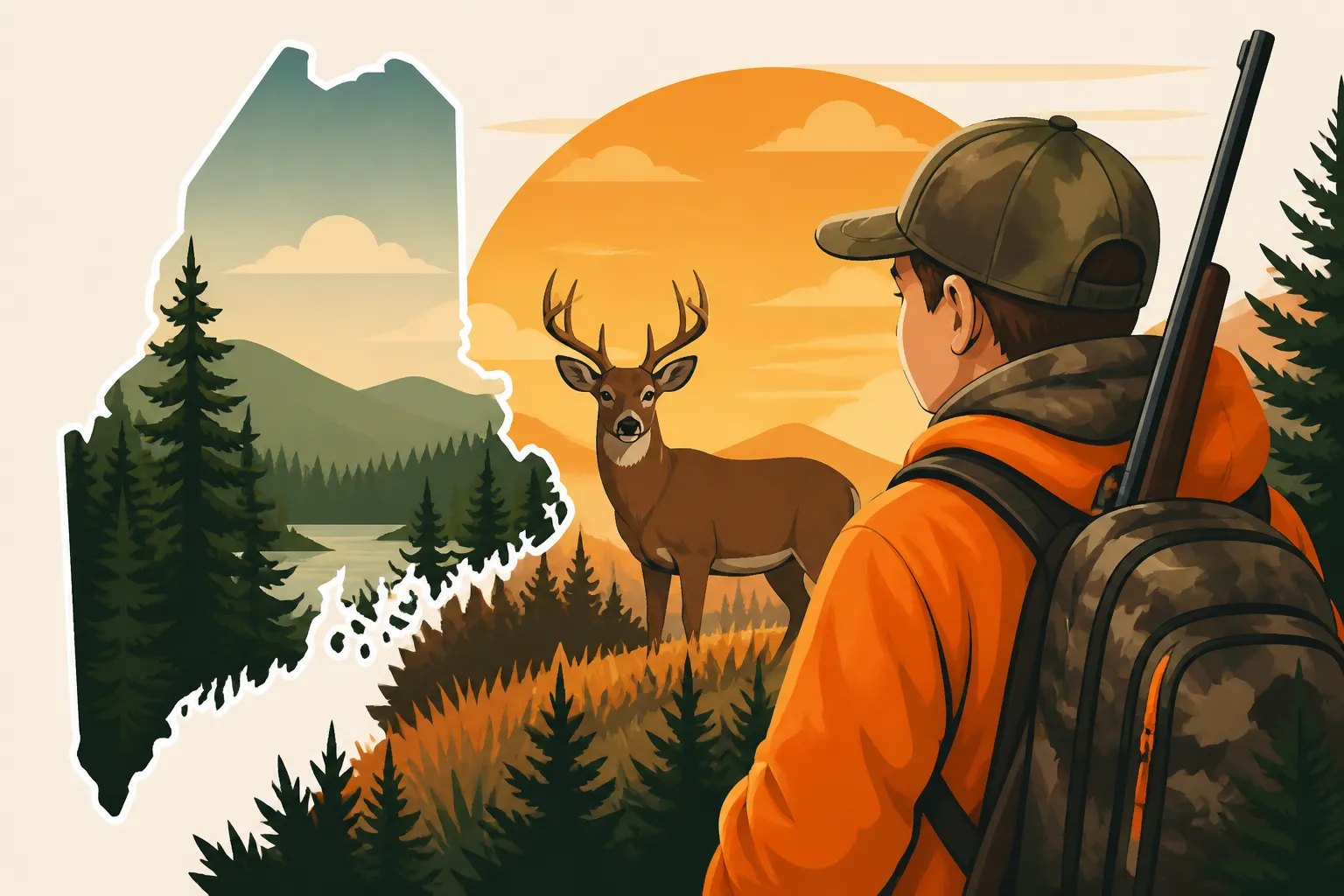
For many of us who grew up in the Maine woods, the deer hunt was a rite of passage, a tradition passed down through generations. But getting our young ones involved today can feel like navigating a maze of regulations, gear choices, and the pressure of making that first hunt memorable, not frustrating. This comprehensive guide is designed to cut through the confusion, offering clear, empathetic advice to help you prepare for, enjoy, and make the most of Maine's special Youth Deer Weekend.
Understanding Maine's Youth Deer Weekend Regulations
Maine's Youth Deer Weekend is a truly special opportunity, setting aside a dedicated period specifically for young hunters to experience the excitement of deer hunting without the added pressure of a crowded woods. It's a chance for them to learn, build confidence, and create lasting memories. But before you head out, understanding the specific rules and requirements is paramount to ensuring a safe and legal hunt.
Eligibility and Licensing for Young Hunters
The first step, naturally, is making sure your young hunter is eligible. In Maine, the Youth Deer Weekend is open to junior hunters aged 10 to 16 years old. If your child is 10 or 11, they need to have successfully completed a hunter safety course. For those aged 12 to 16, they also need to pass the course, but they also have the option of participating in the Maine Mentored Youth Hunting Rules program, which allows them to hunt without having taken the course, provided they are directly supervised by an adult mentor. This mentored program is fantastic for easing new hunters into the sport, letting them get a feel for it before committing to the full hunter safety course. Regardless of age within this range, every youth hunter must possess a valid Maine hunting license. This isn't just a formality; it’s a crucial step that ensures they are recognized by the state and covered by all relevant regulations. You can check the specific requirements and purchase licenses through the Maine Department of Inland Fisheries & Wildlife (MDIFW) website or at a local licensing agent. Don't leave this to the last minute; secure that license well in advance to avoid any unnecessary stress on the big weekend.
Season Dates and WMD Considerations
The dates for Maine's Youth Deer Weekend are typically set for the Saturday preceding the opening day of the regular firearms deer season for Maine residents. This means it often falls in late October, offering pleasant hunting conditions before the deeper cold sets in. It's usually a two-day event, providing ample opportunity over a weekend. It's critical to verify the exact dates each year, as they can shift slightly. You'll find this information readily available on the MDIFW website, usually updated well before the season.
Another key factor is understanding the Wildlife Management Districts (WMDs). Maine is divided into numerous WMDs, and while the Youth Deer Weekend generally has consistent rules across many of them, specific regulations can vary. For example, some WMDs might allow an antlerless deer without an additional permit for youth hunters, while others might require an Applying for a Maine Antlerless Permit. It's your responsibility to know the rules for the specific WMD you plan to hunt in. This is where a resource like the MDIFW's online WMD map or the annual hunting law book becomes invaluable. A little homework here can prevent a lot of headaches later on. Knowing your WMD's specifics can also inform where you decide to hunt, especially if you're targeting an antlerless deer to help fill the freezer.
Legal Weapons and Supervision Requirements
During the Youth Deer Weekend, young hunters are generally permitted to use the same legal firearms that are allowed during the regular Maine Firearms Season Dates. This typically includes shotguns, rifles, and muzzleloaders, provided they meet the specific caliber and gauge requirements. Crossbows are also permitted for those who have completed the appropriate crossbow education or meet specific eligibility criteria. It's crucial that the chosen weapon is appropriate for the youth's size and strength, and that they are entirely comfortable and proficient with it. We'll dive more into practice later, but the legal aspect is clear: if it's legal for a regular firearms season, it's generally legal for the youth weekend, assuming the youth is trained to use it.
The supervision requirement is non-negotiable and designed for safety. Any junior hunter afield must be accompanied by an adult, 18 years of age or older, who holds a valid Maine hunting license. This adult is considered the "mentor." The mentor must be in a position to "immediately control" the youth hunter, which typically means being within sight and normal voice communication. This isn't just about walking alongside; it's about active supervision, offering guidance, ensuring safe firearm handling, and providing support. The mentor cannot carry a firearm or bow for the purpose of hunting deer during this specific youth weekend, even if they have a valid license themselves. Their role is solely to mentor. This allows the young hunter to be the primary participant, truly owning their hunt. This rule is crucial; it emphasizes that the weekend is for the youth, fostering their independence and skill development under careful watch.
Preparing for the Hunt: Gear and Scouting
The success and enjoyment of a youth hunt extend far beyond just showing up on the designated weekend. Proper preparation, from the right gear to thorough scouting, lays the foundation for a positive experience, regardless of whether a deer is harvested. It’s about building good habits and fostering a love for the outdoors.
Essential Gear for Young Hunters
Outfitting a young hunter doesn't mean buying the most expensive, top-of-the-line gear, but it does mean thoughtful selection for comfort, safety, and function. The very first consideration is appropriate clothing. Layering is key in Maine, where mornings can be crisp and afternoons surprisingly warm. Think moisture-wicking base layers, insulating mid-layers, and a quiet, waterproof outer shell. Crucially, they must wear the required amount of Maine Blaze Orange Requirements to be visible to others. This isn't just a legal mandate; it's a vital safety measure.
Footwear is another non-negotiable. Ill-fitting or uncomfortable boots can quickly ruin a hunt. Invest in waterproof, insulated boots that provide good ankle support. Beyond clothing, consider a small, comfortable backpack for them to carry their own snacks, water, and perhaps a small first-aid kit. A pair of binoculars, even a compact set, can make them feel more engaged and help them spot game. For very young hunters, a lightweight shooting stick can be invaluable for steadying their aim. And, of course, the rifle or shotgun itself needs to fit. A shorter stock and lighter recoil are often preferred for youth models. For researching and selecting suitable gear, especially when looking at the latest lightweight options or youth-specific clothing, many hunters use platforms like GoHunt to compare products and read reviews.
Here's a quick checklist for essential youth hunting gear:
| Item | Key Considerations |
|---|---|
| Hunting License | Must be valid for the current year. |
| Blaze Orange | Hat & vest, meeting Maine's minimum coverage. |
| Layered Clothing | Moisture-wicking base, insulating mid, quiet outer. |
| Waterproof Boots | Comfortable, insulated, good ankle support. |
| Appropriate Weapon | Youth model if possible, low recoil, good fit. |
| Ammunition | Correct caliber/gauge, proper load for deer. |
| Ear Protection | Crucial for range and field. |
| Eye Protection | At the range, good practice in the field. |
| Backpack | Small, comfortable, for water, snacks, essentials. |
| Water Bottle | Hydration is vital. |
| Snacks | Keep energy levels up and spirits high. |
| Compass/GPS/Map | Teach navigation basics. |
| First-Aid Kit | Small, easily accessible. |
| Folding Knife | For field dressing (mentor use). |
| Optional: Binoculars | Engages them, helps spot game. |
| Optional: Shooting Stick | Improves accuracy for smaller or less steady shooters. |
Pre-Season Scouting with Kids
Scouting isn't just about finding deer; it's about teaching your child how to read the woods, understand animal behavior, and appreciate the natural world. This is arguably one of the most important parts of preparing a young hunter. Start weeks, even months, before the season. Take walks in the woods you plan to hunt. Point out deer tracks, rubs, and scrapes. Explain why deer might use a particular travel corridor or why a certain patch of woods might be a good bedding area. Show them where Late-Season Food Sources for Maine Whitetails might be, even if those specific sources aren't active during youth weekend, to illustrate the concept.
Involve them in looking at aerial maps and topo maps. Explain how features like ridges, drainages, and swamps create natural funnels. Many modern hunting apps, like those found when you search on GoHunt, offer detailed satellite imagery and property line overlays, which can be fantastic educational tools for teaching young hunters about terrain and public/private land boundaries. Let them use these tools to identify potential stand locations or areas where deer might feed. When you're physically scouting, discuss entry and exit routes that minimize disturbance. If you're planning to use a stand, have them help you clear shooting lanes and consider the wind direction. This hands-on experience transforms the "hunting spot" from an abstract idea to a place they intimately know and understand. It also helps manage expectations; even if you don't see a deer during scouting, you're building invaluable knowledge.
Practicing with Their Chosen Weapon
Proficiency and confidence with their firearm are non-negotiable for a safe and ethical hunt. This means dedicated practice sessions at the range, long before the Youth Deer Weekend. Start with a .22 rifle to master fundamental marksmanship skills: breath control, trigger squeeze, and sight picture. Once they're consistent, transition to the actual hunting rifle or shotgun they'll be using. Emphasize safety protocols every single time: always treat every firearm as if it's loaded, keep the muzzle pointed in a safe direction, keep your finger off the trigger until ready to shoot, and be sure of your target and what's beyond it.
Practice shooting from various positions they might encounter in the field – off-hand, kneeling, sitting, and from a rest. If you plan to hunt from a ground blind or a treestand, practice shooting from those setups. The goal isn't just to hit the target, but to consistently place shots accurately within the vital zone. Don't push them too hard. Keep sessions fun and positive. Celebrate small improvements. Use a smaller caliber rifle for more repetitions if recoil becomes an issue with the hunting rifle. Familiarity breeds confidence, and a confident young hunter is a safer, more effective hunter. Discuss shot placement in detail, using a 3D deer target if possible, so they understand exactly where to aim for a humane harvest.
On the Ground: Tactics for Youth Deer Hunting
Once the preparations are complete and the special weekend arrives, it's time to put those skills and plans into action. Hunting with a youth is a unique experience that requires patience, flexibility, and a focus on the process, not just the outcome.
Still-Hunting and Stand Hunting Strategies
Choosing the right hunting strategy often depends on the youth's age, attention span, and the terrain you're hunting. For younger, more energetic kids, still-hunting might be a good option. This involves moving very slowly and deliberately through the woods, stopping frequently to scan and listen. It's a fantastic way to teach them to observe, to notice subtle changes in the landscape, and to identify deer sign. During a still-hunt, you can point out tracks, droppings, and browse lines, making it an interactive learning experience. You might discuss Still-Hunting Aroostook County Farmland or even Still-Hunting Western Maine Mountain Slopes for different terrains. The key is to keep it slow, quiet, and not overdo it. Short, focused bursts of movement followed by extended periods of quiet observation work best.
For older youth or those with more patience, stand hunting can be incredibly effective. This involves sitting quietly in a pre-scouted location, often a treestand or ground blind, overlooking a food source, a travel corridor, or a bedding area. A comfortable Using a Ground Blind on Posted-Free Land or a safe, well-placed treestand can allow for longer sits. Remember, comfort is critical for youth hunters. A warm seat, proper clothing, and an occasional quiet snack can make a big difference. Explain why you chose this particular spot – maybe it's a funnel between two woodlots, or perhaps it's a Scrape Lines Along a Logging Road. Discuss wind direction and how it impacts deer movement and your scent. These patient sits teach discipline and the art of observation, and they often yield better results for seeing deer, which can be a huge morale boost for a young hunter.
Making the Shot and Ethical Recovery
The moment of truth is often the most intense part of the hunt, and it's where your role as a mentor truly shines. Before a deer even appears, reiterate the importance of positive identification: confirming it's a deer, not another animal, and making sure it's a legal deer for the specific WMD you're in. Emphasize shot placement: aiming for the vital zone behind the shoulder for a quick, humane harvest. Many young hunters experience "buck fever" or intense excitement, leading to rushed decisions. Your calm guidance is essential.
If a shot is taken, immediately confirm if the deer went down or if it ran. If it ran, note the direction and any visual cues like a tail flick or body language. Even if you think it's a clean miss, assume it's a hit and begin a careful blood trail search. Teach your child how to Tracking a Deer in Fresh Maine Snow if conditions allow, or how to systematically search for blood, hair, and disturbed earth. Patience is paramount here. Give the deer time if you suspect a gut shot, typically an hour or more, before taking up the trail. This is a critical lesson in ethical hunting: our responsibility to the animal extends long after the shot. Recovering the deer together, even if it's challenging, reinforces the gravity and respect inherent in hunting.
Safety First: Instilling Good Habits
Safety is not just a rule; it's a mindset that needs to be deeply ingrained in every hunter, especially youth. During the Youth Deer Weekend, with heightened excitement, it's even more crucial. Start every outing with a safety briefing. Review the four fundamental rules of firearm safety:
- Treat every firearm as if it's loaded.
- Always point the muzzle in a safe direction.
- Be sure of your target and what is beyond it.
- Keep your finger off the trigger until ready to shoot.
These aren't just words; they need to be practiced until they are second nature. Emphasize blaze orange and its importance. Discuss safe zones of fire if you're hunting with multiple people, even if it's just you and your child. When walking, ensure the firearm is unloaded or on safe, with the muzzle pointed downrange or up, away from others. When sitting in a stand, discuss safe handling and placement of the firearm. Practice safe climbing into a treestand, using a safety harness consistently.
Beyond firearms, teach general woods safety: how to use a compass or GPS, what to do if you get separated (stay put!), and how to handle encountering other hunters or non-hunters. Instill respect for the land, wildlife, and other people using the outdoors. These lessons aren't just for youth weekend; they are lifelong habits that make hunting safe, responsible, and enjoyable for everyone.
After the Harvest: Processing and Registration
When a young hunter successfully harvests a deer, it's a monumental moment filled with pride, excitement, and a touch of awe. But the hunt doesn't end when the deer hits the ground. There are important steps that follow to ensure the meat is handled properly and the harvest is legally recorded.
Field Dressing and Transporting the Deer
The first crucial step after a successful harvest is proper field dressing. This needs to happen as quickly as possible to cool the meat and prevent spoilage. This is an excellent teaching opportunity for your young hunter. Explain why field dressing is important – removing the internal organs helps the carcass cool down rapidly, which is vital for meat quality, especially in Maine's varied October temperatures. Walk them through the process, even if they're not doing the cutting themselves. Point out the anatomy, explaining what each organ does. This connects the animal they harvested with its biological function. For example, you can demonstrate the process of Field Dressing a Deer in Cold Weather or warmer conditions, adapting your technique to the environment.
Once field dressed, the next challenge is getting the deer out of the woods. This can be the most physically demanding part of the hunt, especially for smaller deer or difficult terrain like a Recovering a Deer From a Cedar Swamp. Involve your youth in the plan. Can you use a game cart? Do you need to quarter the deer? Explain the physics of dragging, using ropes, and taking breaks. It’s a team effort that builds character and shared accomplishment. For example, if you're hunting in the North Maine Woods, the distance to a vehicle can be substantial, requiring careful planning. The experience of transporting the deer, while tough, instills a deeper appreciation for the effort involved in putting venison on the table.
Registering the Youth's Harvest
In Maine, every legally harvested deer must be registered. For the Youth Deer Weekend, this is particularly important as it's a record of their first official harvest. Maine offers several convenient ways to register: online through the MDIFW website or app, or at one of the many physical registration stations throughout the state. It's often a good idea to visit a physical station if possible, as it adds to the traditional hunting experience. Many youth feel a special sense of accomplishment seeing their deer weighed and officially recorded.
The important thing is to make sure your youth's name is on the tag and that they are the one doing the actual registration, with your guidance. This reinforces that they harvested the animal. Be prepared to provide details such as the WMD where the deer was taken, the date, and the type of deer (buck or antlerless). This is also a good time to discuss the importance of harvest data for wildlife management. The information collected during registration helps MDIFW monitor deer populations and make informed decisions about future seasons and bag limits. Understanding this connection helps young hunters see their role in conservation.
Celebrating the Experience and Learning Lessons
Beyond the physical tasks, the moments after a successful hunt are crucial for solidifying the experience and instilling lifelong values. Take time to celebrate with your young hunter. High-fives, pictures, and sharing the story of the hunt are vital. This isn't just about bagging an animal; it's about the entire journey, the effort, the patience, and the success. Consider starting some Maine Deer Camp Traditions if you haven't already, creating a ritual around the harvest.
This is also a prime opportunity for reflection. Talk about what went well and what could have been done differently. Did they make a good shot? Were they patient enough? What did they learn about deer behavior? Did they remember all the safety rules? These conversations turn a single event into a profound learning experience. It's about gratitude for the animal, respect for the land, and the joy of sharing an outdoor tradition. Turning the deer into food, whether you butcher it yourself at camp or take it to a local processor, further connects them to the cycle of life and the value of sustainable harvesting.
Maximizing the Youth Hunting Experience
Making the Youth Deer Weekend truly special and impactful goes beyond just following the rules and executing the hunt. It's about fostering a passion, building resilience, and creating an environment where every experience, successful or not, is a valuable lesson.
Choosing the Right Hunting Location
Selecting the ideal hunting location for a youth hunter is crucial for maximizing their chances of success and keeping them engaged. While the North Maine Woods offers incredible hunting opportunities, its vastness and often challenging terrain might be overwhelming for a first-timer. For youth, often smaller, more accessible private land parcels or easily navigable public lands closer to home can be better choices. Consider areas with a known, healthy deer population where you're more likely to encounter deer sign and potentially spot deer. Hunting a field edge, a standing apple orchard, or a beaver flowage edge at dusk often provides more open sight lines and a higher chance of seeing deer movement compared to thick, dense cover.
If you have access to private land, that can be ideal as it often means less hunting pressure and more control over the hunting environment. For example, Hanging a Stand on a Private Land Field Edge can be a fantastic way to introduce stand hunting in a comfortable setting. If public land is your only option, look for smaller, less-pressured parcels or areas within larger Wildlife Management Areas (WMAs) that are known to hold deer. Resources like GoHunt can be invaluable for identifying land features, assessing terrain, and locating potential hunting spots, especially by analyzing satellite imagery for funnels, cover, and food sources. The goal is to choose a spot that offers a balance of comfort, safety, and a reasonable chance of seeing deer, which is a massive motivator for young hunters.
Mentoring Beyond the Hunt
The Youth Deer Weekend is just one step in a lifelong journey. Your role as a mentor extends far beyond those two days. It's about nurturing their interest in the outdoors, teaching them about conservation, and helping them develop into responsible stewards of our natural resources. Take them shed hunting in the spring, teaching them to When Maine Bucks Shed Antlers and how to read tracks. Involve them in scouting for next season, even if it's just a walk in the woods with no guns. Teach them about Maine's CWD-Free Cervid Herd and the importance of healthy wildlife populations.
Encourage them to participate in other outdoor activities, like fishing, hiking, or wildlife photography. The more they connect with nature, the more they'll appreciate the interconnectedness of ecosystems and the role hunting plays in management. Discuss ethical considerations, the importance of fair chase, and the responsibility that comes with being a hunter. Share stories of your own hunts, both successes and failures. The goal is to build a foundation of knowledge, skills, and values that will serve them well, whether they pursue hunting for a lifetime or simply develop a deep respect for the natural world.
Dealing with Unsuccessful Hunts
Let's be realistic: not every hunt ends with a deer on the ground. In fact, many don't. And for a young hunter, an unsuccessful hunt can be disheartening. This is where your mentorship truly shines. It's essential to manage expectations from the outset. Explain that hunting isn't always about harvesting an animal; it's about the experience, the time spent in nature, the challenge, and the learning. "Success" can be seeing deer, spotting other wildlife, identifying tracks, or simply enjoying quality time together in the woods.
When a hunt doesn't yield a deer, focus on the positives. "We saw that fox today, wasn't that cool?" or "You were so quiet and patient in the stand, I was really impressed." Talk about what you observed and what you learned, even if it was just learning where the deer weren't. Reframe it as a scouting trip for next time. "We know deer aren't using this area right now, so next time we'll try that ridge over there." The key is to keep it fun and positive. A discouraged young hunter is less likely to want to go out again. Remind them that every hunter, even the most seasoned veteran, has far more unsuccessful hunts than successful ones. It's part of the challenge and the allure of hunting, and it builds resilience that extends far beyond the woods.
Disclaimer
Please note that hunting regulations, license requirements, and season dates are subject to change by the Maine Department of Inland Fisheries & Wildlife (MDIFW). While this guide provides comprehensive information, it is your responsibility to consult the official MDIFW website or the current Maine Hunting & Trapping Laws book for the most up-to-date and accurate regulations before engaging in any hunting activities. Always prioritize safety and ethical hunting practices.