How Many Coyotes Maine Has
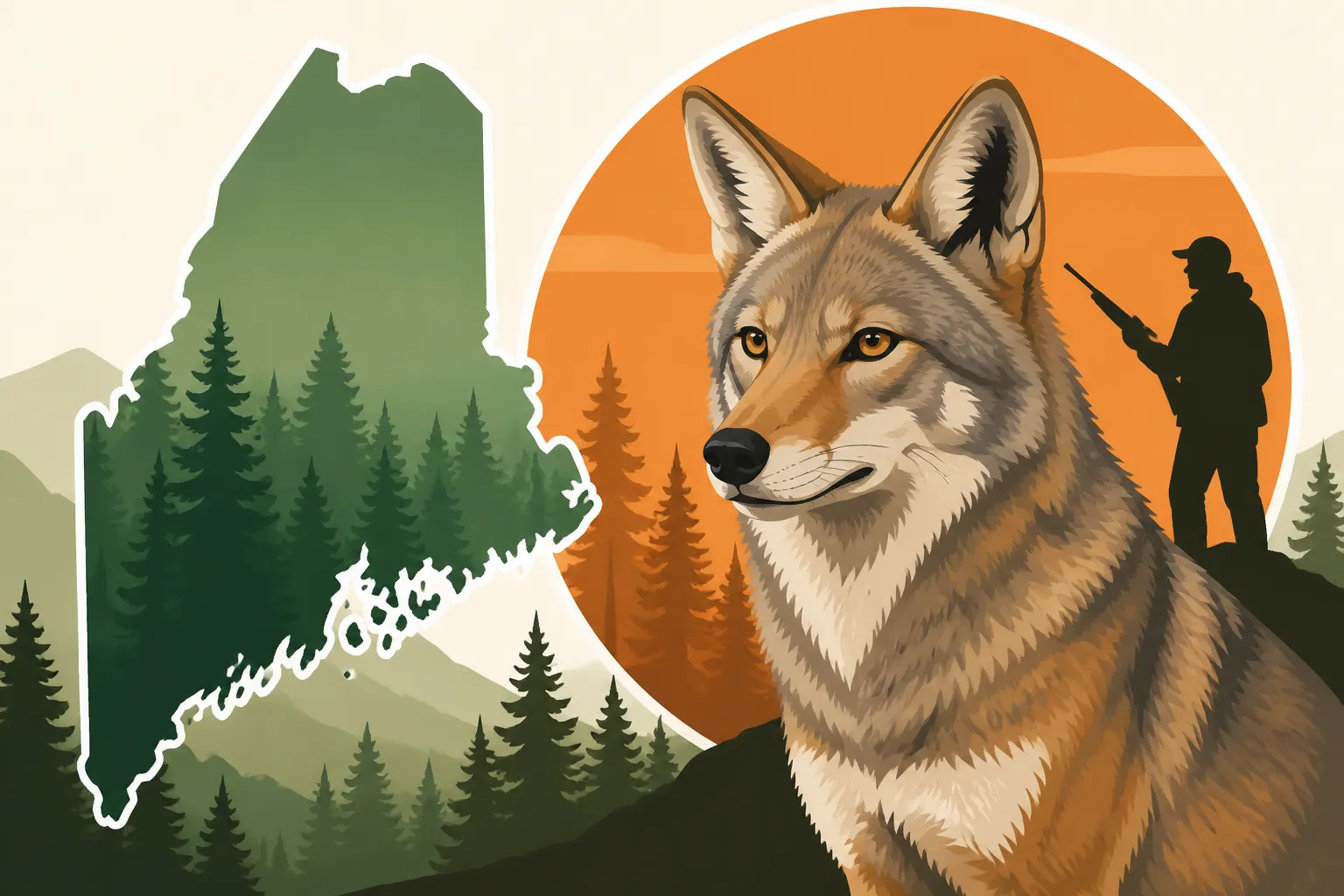
It's a question many hunters, landowners, and even just folks living in rural Maine ask themselves, often with a mix of fascination and frustration: just how many coyotes are actually out there? You hear the howls at night, you see tracks in the snow, and sometimes, you catch a glimpse of that lean, grey shadow darting across a field. It feels like they're everywhere, and trying to get a handle on their exact numbers can feel like trying to nail jello to a tree. This guide aims to shed some light on the reality of Maine's coyote population, exploring why precise counts are so difficult and what biologists and hunters understand about their presence in our beautiful state.
The Elusive Nature of Counting Coyotes in Maine
When we talk about counting wildlife, especially a species as intelligent and adaptable as the coyote, it's never a simple matter of a head count. Coyotes aren't like deer that gather in fields or moose that stand out against a snowy backdrop for aerial surveys. They are incredibly wary, often nocturnal or crepuscular, and possess an uncanny ability to blend into their surroundings and avoid human detection. This inherent elusiveness makes traditional census methods, like direct visual counts from aircraft or ground surveys, practically impossible to conduct with any real accuracy across an entire state as vast and varied as Maine.
Imagine trying to count every individual fox or bobcat in a dense spruce thicket – it's a monumental task. Coyotes take that challenge to another level. They roam extensive territories, sometimes dozens of square miles, and their movements are often opportunistic, following food sources or avoiding perceived threats. A coyote you hear howling one night might be miles away the next, making tracking individual animals for population estimates extremely challenging. Because of this, wildlife biologists don't typically provide an exact, fixed number for Maine's coyote population. Instead, they rely on a suite of indicators and scientific methods to estimate population trends and densities in different regions, giving us a clearer picture of their overall status rather than a specific digit. We know they're here, we know they're widespread, but pinning down "how many" is a far more complex question than it first appears.
Understanding Maine's Coyote Population Estimates and Indicators
Since direct headcounts are largely impractical, wildlife agencies and researchers in Maine employ a variety of indirect methods to gauge the health and size of the coyote population. These methods aren't about getting an exact number, but rather about understanding population trends – whether numbers are increasing, decreasing, or remaining stable in particular areas over time. It's like taking the pulse of the population rather than counting every red blood cell.
One of the primary indicators comes from harvest data. Each year, licensed hunters and trappers take a certain number of coyotes. This data, when analyzed over many years, can provide insights into population fluctuations. For instance, a significant increase or decrease in harvest numbers might suggest a corresponding change in the overall population, although hunter effort and weather conditions can also influence these figures. While this doesn't tell us how many are left, it helps establish a baseline for trends. These numbers often suggest a healthy, robust population that can withstand consistent hunting and trapping pressure, particularly in areas where deer populations are high.
Another tool in the biologist's kit involves scent station surveys or track counts. These involve setting up stations with bait or scent lures and monitoring for coyote visits, or simply walking established transects and counting tracks after a fresh snowfall. This provides an index of relative abundance – more tracks or visits suggest higher coyote activity and potentially greater density in that specific area. Researchers also use remote camera data, strategically placing trail cameras in known coyote habitats to capture images or video. The frequency of coyote sightings on these cameras over a specific period can contribute to density estimates. Beyond that, biological studies, which might include live-trapping, collaring, and tracking individual coyotes, offer invaluable data on survival rates, reproductive success, and dispersal patterns, all of which feed into broader population models. When you're using digital tools like GoHunt to scout new areas, understanding the terrain and what these indicators might suggest can give you an edge in predicting coyote movement.
Key Factors Driving Coyote Distribution and Dynamics in Maine
Maine's landscape is a patchwork of dense forests, agricultural lands, and increasingly, suburban fringes. This diverse environment, coupled with various ecological and human factors, heavily influences where coyotes thrive and how their populations behave. Coyotes are the ultimate opportunists, and their distribution across the state is a direct reflection of these dynamic elements.
First and foremost is prey availability. Coyotes are generalist predators, meaning they'll eat just about anything they can catch. In Maine, this includes white-tailed deer, particularly fawns, which can be a significant food source. Where deer populations are healthy, you're likely to find more coyotes. But they don't stop there. Snowshoe hare, wild turkeys, various small rodents like voles and mice, and even insects or berries when other food is scarce, all contribute to their diet. Maine Coyote Diet in Farm Country often includes small livestock, which brings them into conflict with human interests. This adaptability means they can maintain strong populations even if one particular prey species experiences a downturn. If there's food, a coyote can likely find a way to survive and reproduce.
Habitat structure and change also play a crucial role. While coyotes can live almost anywhere, they tend to do well in areas with a mix of open country (for hunting) and dense cover (for denning, resting, and concealment). Logging operations, for instance, create new clear-cuts and regenerating forests that can initially boost deer and small game populations, thereby attracting coyotes. As these areas grow back, they continue to provide excellent cover. The expansion of suburban areas, while seemingly pushing wildlife out, can also create new niches for coyotes, offering easy access to discarded food, pets, and abundant small prey like rabbits and squirrels that thrive in fragmented landscapes. Tools like GoHunt can help you analyze satellite imagery to identify these prime habitat mixes, which are key to understanding Maine Coyote Range and Density.
Finally, human activity significantly impacts coyote dynamics. Hunting and trapping seasons are designed, in part, to manage coyote numbers and reduce conflicts. Maine has a year-round coyote hunting season, reflecting the state's approach to managing this prolific predator. Night Hunting Rules for Maine Coyotes also contribute to the unique challenges and opportunities for hunters. While these efforts can suppress local populations, coyotes are incredibly resilient, often compensating for losses with larger litters or increased survival rates for young. Disease outbreaks, like sarcoptic mange, can also cause localized, temporary dips in population, but coyotes often bounce back once the disease pressure lessens. Understanding these factors helps us see that coyote numbers aren't static; they are in constant flux, shaped by the environment and our interactions with it.
The Eastern Coyote: Maine's Resilient Apex Predator
The coyote you encounter in Maine isn't quite the same as its smaller, purely western cousin. Maine's Eastern Coyote (often referred to as Canis latrans var.) is a fascinating product of historical migrations and interbreeding. As coyotes expanded their range eastward from the Great Plains into the forested northeast, they encountered a different environment and, more importantly, remnant populations of wolves, and to some extent, domestic dogs. Over decades, through natural selection and hybridization, the Eastern Coyote emerged.
This genetic cocktail has resulted in a larger, more robust animal than the western coyote. Eastern Coyotes typically weigh more, can be longer-legged, and often exhibit a heavier skull and jaw structure. This increased size and strength allow them to take down larger prey, including adult deer, especially during harsh winter conditions or when fawns are vulnerable. This makes them Maine's primary terrestrial predator, a crucial component of the ecosystem that helps manage deer numbers and keep other small game populations in check. Their presence significantly influences White-Tailed Deer Across Maine dynamics, particularly in wintering areas where deer are concentrated.
However, this larger size and adaptability also mean greater challenges for humans, particularly farmers and pet owners. While primarily wild game hunters, coyotes will readily prey on vulnerable livestock like sheep, goats, and poultry, as well as domestic pets left unattended. This creates understandable frustrations and economic losses for those living and working in rural areas. For hunters, the Eastern Coyote presents a formidable quarry. Learning their habits, understanding their vocalizations, and mastering tactics like Coyote Calling Maine Farm Country are essential for successful hunting. Their intelligence and keen senses make them incredibly challenging to pursue, reinforcing their status as a truly wild and resilient animal that is a permanent, integral part of Maine's wildlife landscape.
Coyote Population Indicators in Maine: A Snapshot
| Indicator Type | What It Measures | How It's Used | Trends Often Suggest |
|---|---|---|---|
| Harvest Data | Number of coyotes taken by hunters/trappers | Annual reports, long-term trends in take rates | Generally stable to robust population that can sustain pressure |
| Track/Scat Counts | Frequency of coyote signs in specific areas | Relative abundance index, habitat use | Higher activity in mixed forest/field habitats |
| Scent Stations | Frequency of visits to baited sites | Regional activity levels, presence/absence | Widespread presence across most of Maine |
| Remote Cameras | Frequency of coyote images/videos captured | Local density estimates, activity patterns | Significant presence, especially nocturnal activity |
| Public Sightings | Citizen reports of coyote encounters | General distribution, human-wildlife conflict hotspots | Increasing visibility in suburban/fringe areas |
| Biological Studies | Survival, reproduction, dispersal rates | Detailed population modeling, impact of management strategies | High adaptability, resilient breeding rates |
The key takeaway from all these indicators is that Maine has a healthy, widespread coyote population. While exact numbers are elusive and fluctuate regionally and seasonally, there's no doubt that these intelligent and adaptable predators are a well-established and permanent fixture in our state's ecosystems.
Disclaimer
This article is for general informational purposes only and does not constitute professional advice. Laws, prices and regulations vary by location and change over time. Consult a qualified professional for guidance on your specific situation.