Why CWD Testing Continues Despite No Cases
It can feel a little confusing, can't it? You hear all the buzz about Chronic Wasting Disease (CWD) in other states, the devastating impact it has on deer and moose, and then you're asked to participate in ongoing testing here in Maine, even though we haven't had a single confirmed case. It makes you wonder, "Why all the fuss if we're clear?" This guide is here to shed some light on exactly why Maine’s proactive and vigilant CWD testing program is not just a good idea, but an absolutely crucial defense for our beloved wildlife and our cherished hunting heritage.
Understanding the Threat: What is CWD and Why Maine Cares So Much?
Before we dive into why we test, let's make sure we're all on the same page about what CWD actually is. It’s a serious topic, and understanding its nature really puts Maine's efforts into perspective.
The Insidious Nature of Chronic Wasting Disease
Chronic Wasting Disease is a nasty neurological disease that affects cervids – that's deer, elk, moose, and caribou. It's caused by abnormal proteins called prions, not a virus or bacteria, which makes it incredibly hard to fight. These prions essentially cause the animal's brain to slowly degrade, leading to symptoms like drastic weight loss, stumbling, listlessness, and behavioral changes. The worst part? It's always fatal. There's no cure, no vaccine, and once an animal contracts it, it's a death sentence.
What makes CWD so uniquely terrifying for wildlife managers and hunters alike is its persistence and how it spreads. Infected animals shed these prions through saliva, urine, and feces, contaminating the environment. These prions can then remain infectious in the soil for years, even decades, meaning an area can become a long-term reservoir for the disease. If CWD were to ever establish a foothold in Maine's deer or moose populations, it wouldn't just be a temporary setback; it would be a generational fight with no easy answers. The thought of losing our healthy herds is something that keeps many of us up at night.
Maine's Pristine Status: A Lucky Anomaly
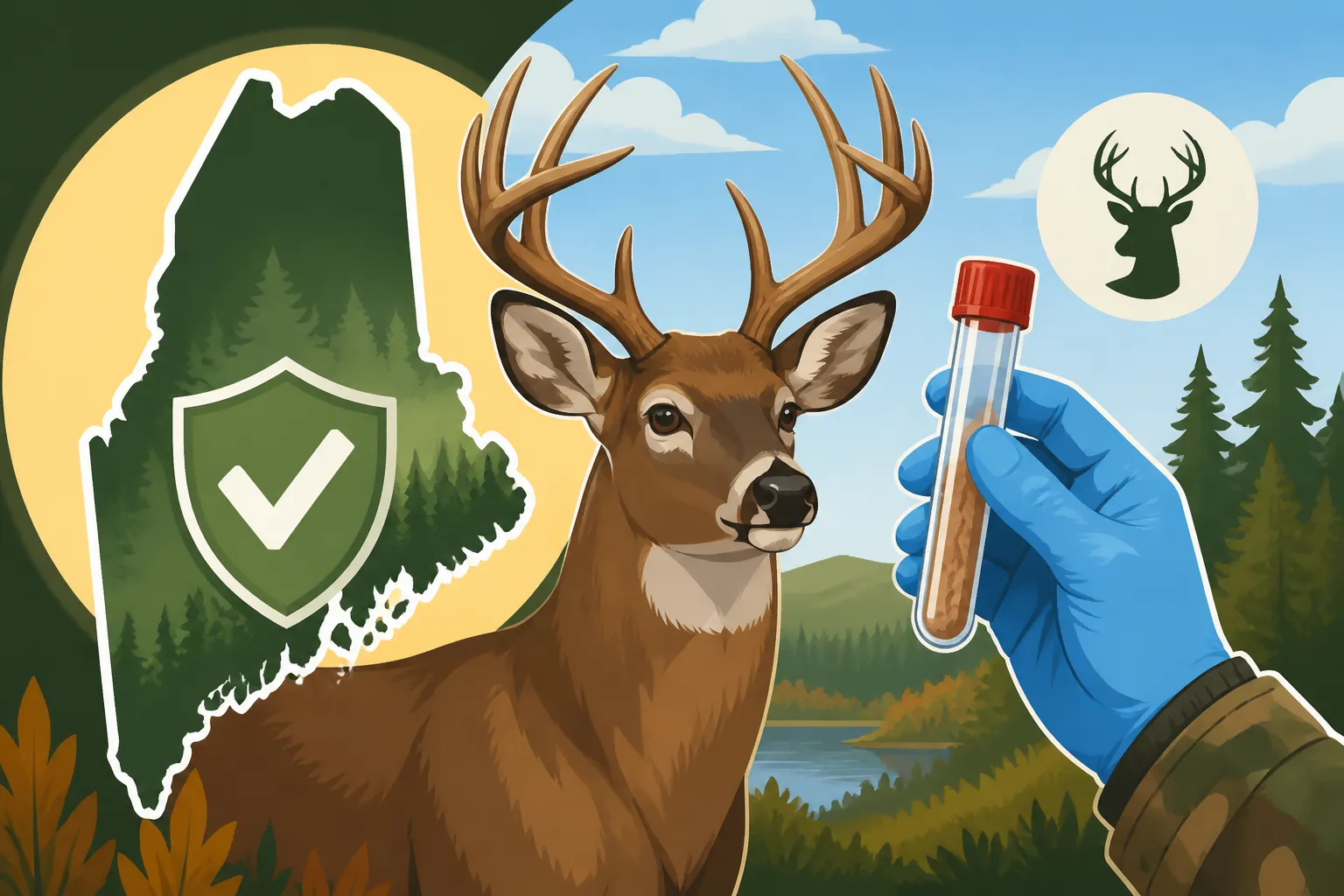
Maine stands out, thankfully, as one of a handful of states in the Lower 48 that has never had a confirmed case of Chronic Wasting Disease. This isn't just a point of pride; it's a critical advantage we desperately want to maintain. Our pristine status means our deer and moose populations are currently free from this devastating illness, safeguarding their health and the future of hunting in our state. You can read more about Maine's CWD-Free Status Explained.
This CWD-free designation is a massive asset. It means our venison is considered safe, our hunting economy remains robust, and our wildlife managers aren't constantly battling a public health and ecological crisis. Hunters, anglers, and outdoor enthusiasts all benefit from this. It's a testament to both geographic isolation and, more importantly, a vigilant, proactive approach by the state and its citizens. We often hear about the challenges facing our wildlife, so having this clean bill of health is something we can all celebrate, but it also underscores the immense responsibility we have to protect it.
Proactive Defense: The Logic Behind Continuous Testing
So, if we're CWD-free, why keep testing? The answer lies in prevention, early detection, and learning from the unfortunate experiences of other states. It’s about building a robust shield, not just waiting for the enemy to arrive.
Early Detection is Everything
Imagine a tiny, invisible spark landing in a dry forest. If you see it immediately, you can stamp it out. If it smolders unnoticed for days, you're facing a wildfire. CWD is similar. The incubation period for CWD can be incredibly long – often 18 to 24 months, sometimes even longer – before an animal shows any visible symptoms. This means an infected animal could be shedding prions into the environment, contaminating food sources and soil, long before anyone suspects anything is wrong.
This long incubation period is precisely why early detection is paramount. If CWD were to slip into Maine, the sooner we find the first case, the better our chances of containing it to a small area and potentially even eradicating it. Waiting until animals are obviously sick and dying means the disease has already had a significant head start, making control efforts exponentially more difficult and expensive. It’s about being proactive, not reactive, and that proactive stance involves consistent, widespread testing. This vigilance helps protect our Maine Deer Herd Size.
Sentinel Surveillance and Targeted Testing
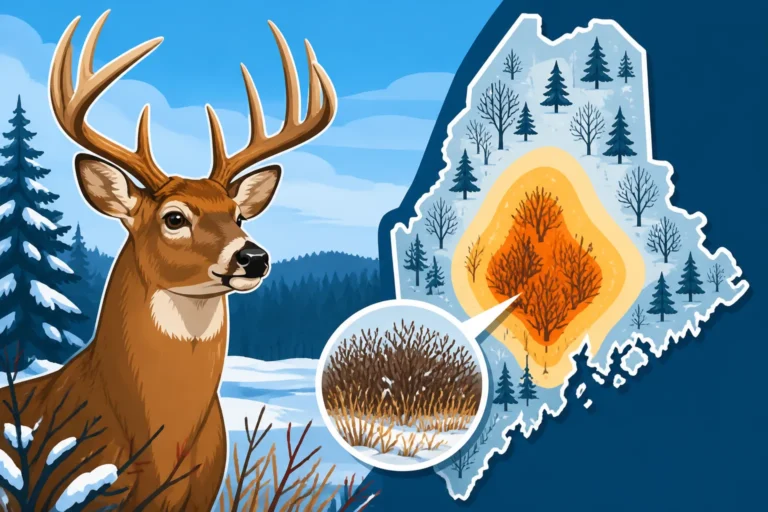
Maine's CWD testing isn't just random; it's a strategic, carefully planned effort known as sentinel surveillance. This involves focusing testing efforts on specific areas and situations where CWD is most likely to first appear or spread. For example, the state collects samples from:
- Road-killed deer and moose: These animals are often taken to check stations, and their samples provide valuable data.
- "Sick" or "wasting" animals: Any deer or moose observed by the public or reported by hunters that exhibit CWD-like symptoms are prioritized for testing. This is where public involvement becomes critical; a quick report can be a game-changer.
- Hunter-harvested samples: During deer season, samples are collected at various registration stations or designated drop-off points. This provides a broad cross-section of the population, especially from areas with higher deer densities.
- Areas near state borders: Given that CWD is present in neighboring states and provinces, particular attention is paid to border regions, recognizing that animal movement or even human-assisted transfer could introduce the disease.
This systematic approach, utilizing various collection methods and focusing on high-risk scenarios, maximizes the chances of detecting the disease quickly if it ever arrives. GoHunt users, for instance, can often find information related to where samples are being collected or what zones are being prioritized for surveillance, helping hunters stay informed and participate.
Learning from Other States' Hard Lessons
One of the strongest arguments for continued CWD testing in Maine is simply looking at what has happened in other states. Across the country, areas that initially had CWD in just a few animals have watched it explode, becoming endemic and nearly impossible to control. Once CWD takes hold, it can lead to:
- Significant population declines: Entire deer herds can be decimated over time.
- Changes in hunting regulations: Drastic measures like mandatory testing, carcass export bans, and even culls become necessary.
- Economic impacts: Hunting-related tourism and businesses suffer.
- Public health concerns: While there's no direct evidence of CWD transmitting to humans, the CDC recommends not eating meat from CWD-positive animals, creating uncertainty and worry.
Maine understands these struggles intimately, and we don't want to repeat them. The proactive testing program is an investment in preventing these nightmarish scenarios, protecting our wildlife, and ensuring that our hunting traditions, from Spring Turkey Hunting in Maine to Maine's Four-Week Firearms Deer Season, can continue for generations to come. It’s far less costly to prevent a problem than to try and fix it once it’s taken root.
The Benefits Beyond Just CWD Detection
While CWD is the primary driver, the ongoing surveillance program provides a wealth of other valuable information that benefits Maine's wildlife management in numerous ways. It’s not just a single-purpose effort.
Monitoring Overall Herd Health
When biologists and technicians collect samples for CWD testing, they're not just looking for prions. They're also gathering data that contributes to a broader understanding of the overall health of our cervid populations. This can include:
- Parasite loads: Information on parasites like winter ticks, which are a serious concern for our moose population, can be gleaned from samples. Understanding the prevalence and impact of these parasites helps wildlife managers develop strategies for population control and habitat improvement. The struggle with Why Winter Ticks Are Killing Maine Moose Calves is a prime example of where comprehensive health monitoring is critical.
- Disease surveillance: Beyond CWD, samples can be screened for other emerging or existing diseases that could impact deer or moose. This acts as an early warning system for other potential threats.
- Age and sex data: Collected samples often allow for the determination of the animal's age and sex, providing crucial demographic data for population models. This helps biologists understand birth rates, mortality rates, and overall herd structure, informing decisions about antlerless permits and hunting quotas.
- Nutritional status: In some cases, samples can provide indicators of an animal's nutritional health, reflecting the quality of their habitat and food sources.
This comprehensive data allows the Maine Inland Fisheries and Wildlife (MDIFW) to make more informed decisions, better manage our resources, and respond effectively to challenges, ensuring our wildlife populations remain robust and healthy.
Protecting Maine's Hunting Heritage and Economy
Let's be honest, hunting is a huge part of Maine's identity, both culturally and economically. Thousands of residents and nonresidents alike look forward to deer season, moose season, and bear season every year. Our healthy cervid populations are the backbone of this tradition. A CWD outbreak would not only be a biological disaster but also an economic one, potentially devastating local businesses that rely on hunting tourism, from sporting camps to local diners and gas stations.
Continuing to test, even without cases, is an investment in preserving this heritage and the economic vitality it brings. It's about demonstrating due diligence to hunters, consumers of venison, and the broader public that Maine is doing everything in its power to keep its wild spaces pristine. This assurance is invaluable. When hunters feel confident in the health of the game they pursue, and when the public trusts the integrity of our wildlife management, everyone benefits. For hunters planning their trips, resources like GoHunt can provide up-to-date information on testing locations and guidelines, helping them stay compliant and contribute to these vital conservation efforts. Whether you're interested in Moose Hunting Maine's North Woods or Hunting Maine's Generous Fall Turkey Season, knowing the state is protecting the animals you pursue is paramount.
How Hunters Play a Vital Role
As hunters, we're not just consumers of wildlife resources; we're often the first line of defense and vital partners in conservation. Our actions on the ground are critical to Maine's ongoing success in remaining CWD-free.
What You Can Do to Help
Your participation in Maine's CWD surveillance program is invaluable. It’s a collective effort, and every hunter can make a difference. Here are some key ways you can contribute:
- Report Sick or Unusually Behaving Animals: If you see a deer or moose that appears emaciated, is stumbling, seems unusually tame, or is exhibiting other strange behaviors, do not hesitate to report it to the MDIFW. Take note of the location and time, and if possible, snap a photo or video from a safe distance. Your observation could be the first clue.
- Participate in Voluntary Testing: If you harvest a deer or moose, especially in areas where MDIFW requests samples, please consider participating. It might add a few minutes to your processing time, but it provides crucial data points. These samples are the eyes and ears of the state's surveillance program. You might find information on Maine's Chronic Wasting Disease Monitoring and specific drop-off locations through online resources like GoHunt.
- Proper Carcass Disposal: This is extremely important. If you process your deer at home, dispose of any unused carcass parts (bones, brain, spinal cord, etc.) in a landfill, not in the woods. This prevents the potential spread of prions if, by some chance, an animal you harvested was infected but untested.
- Stay Informed: Keep up with the latest regulations and recommendations from MDIFW. Things can change, and being knowledgeable helps you make responsible choices in the field.
| Action Item | Why It Matters |
|---|---|
| Report Sick Animals | Early detection is key to containing a potential outbreak quickly. |
| Participate in Testing | Provides crucial data for surveillance and helps determine herd health. |
| Proper Carcass Disposal | Prevents potential environmental contamination if prions are present. |
| Adhere to Importation Rules | Critical barrier to preventing CWD from entering Maine from infected areas. |
| Stay Informed | Ensures you're always following the latest guidelines and best practices. |
Understanding Carcass Importation Rules
Perhaps the single most critical thing hunters can do to protect Maine from CWD is to strictly adhere to carcass importation rules. CWD has most often spread to new areas through the transportation of infected deer, elk, or moose parts. If you hunt in another state or province where CWD is present, you cannot bring certain high-risk parts back into Maine.
Generally, this means you can only bring back de-boned meat, antlers (with no brain tissue attached), hides (without the head), and clean skulls. Brain and spinal cord tissue are the highest risk for CWD prions. Traveling through a state that has CWD with an intact deer carcass is a major risk. Always check the specific regulations for both the state you are hunting in and Maine before you travel. These rules are not about making your life harder; they are a vital biological barrier to keep CWD out of our state. Protecting Maine's CWD-Free Cervid Herd depends on every hunter taking these regulations seriously, especially if you're hunting in regions near Maine's Nearest Confirmed CWD Cases.
Disclaimer
This article is for general informational purposes only and does not constitute professional advice. Laws, prices and regulations vary by location and change over time. Consult a qualified professional for guidance on your specific situation.