Hunting Downeast Coastal Maine
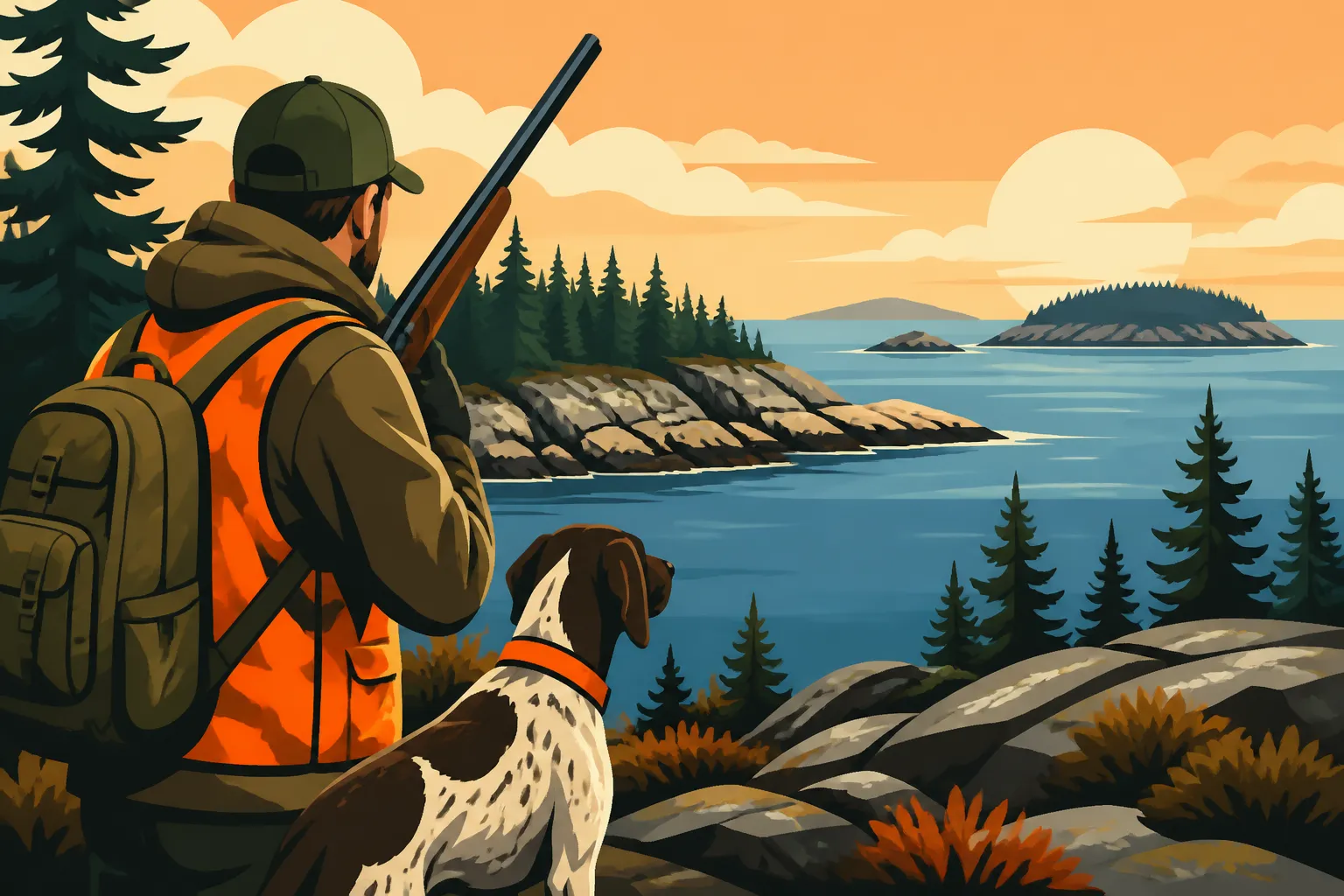
Hunting the Downeast coast of Maine presents a truly unique challenge and an incredibly rewarding experience for those willing to embrace its rugged beauty. It's not your typical vast timberland or rolling farm country hunt, and sometimes that can feel a bit daunting, like you're constantly trying to read a landscape that speaks a different language. But fear not, my fellow outdoor enthusiasts, because this comprehensive guide is here to unravel the mysteries of hunting this specific corner of our beloved state, helping you navigate the unique terrain, understand the local wildlife, and unlock the incredible opportunities that lie along Maine's stunning Downeast shoreline.
Understanding the Downeast Coastal Landscape for Hunters
The Downeast region of Maine isn't just a geographical area; it's a distinct ecological zone that demands a different approach from hunters. Forget the sprawling hardwood ridges of western Maine or the endless spruce-fir forests of the North Woods for a moment. Here, the ocean's influence is constant, shaping everything from the vegetation to the very air you breathe, and it creates a hunting experience unlike anywhere else in the state.
Unique Terrain and Vegetation
When you picture Downeast, you might imagine rocky shorelines and crashing waves, and you'd be right – that's a huge part of it. But inland from those immediate coastal edges, the terrain quickly transforms into a fascinating mosaic of habitats. You'll encounter dense spruce and fir forests, often referred to as "spruce thickets" or "cedar swamps," which are incredibly difficult to move through silently but offer unparalleled cover for game. These evergreen strongholds absorb sound and scent, making close-quarters encounters common and still-hunting a true test of patience and skill.
Interspersed with these evergreen woods are vast stretches of blueberry barrens, particularly in Washington County. These low-lying, often treeless or sparsely treed areas are vital to wildlife, offering both food and cover at different times of the year. In the spring and summer, they burst with berries, but by hunting season, they become a patchwork of dead stalks and low-growing shrubs, providing excellent concealment for deer, especially if there are scattered islands of pines or small hardwood stands within them. Think of them as natural low-rise blinds, but ones that can also swallow you whole if you don't pay attention to your footing. Then there are the mixed hardwoods, often found on slightly higher ground, providing mast crops like acorns and beechnuts, though these can be less consistent the closer you get to the coast. Add in tidal marshes, salt ponds, and even small islands, and you have a truly diverse landscape. This complexity means that deer, in particular, often have small home ranges but can disappear into seemingly impenetrable cover in an instant, making traditional long-range glassing difficult.
Coastal Weather and Tides
The weather on the Downeast coast is a beast of its own, dictated largely by the Atlantic Ocean. Hunters accustomed to inland conditions might be surprised by the sheer variability. You can start a crisp October morning with bright sunshine, only for a thick, cold fog to roll in off the ocean within an hour, reducing visibility to mere yards. Winds can be relentless, especially along exposed shorelines or across the barrens, making it challenging to set up effectively or even hear game approaching. These winds also carry scent for miles, so understanding their direction and how they swirl around coastal features is absolutely paramount.
Beyond just the daily weather, the tides play an enormous role in Downeast hunting, particularly for waterfowl and deer that utilize coastal fringes. A marsh that is dry and walkable at low tide might be a vast, impassable expanse of water just six hours later. Islands that are accessible by foot or ATV across a sandbar at certain tides become completely cut off. For deer hunters, this means understanding how deer use the intertidal zone, browsing on marine vegetation or using exposed mud flats as travel corridors during low tide. For sea duck hunters, timing your hunt with the tides is everything for optimal decoy spreads and bird movement. Always, and I mean always, check the marine forecast and local tide charts before heading out. Don't rely on your memory; the ocean waits for no one, and getting caught by a rising tide on an unfamiliar marsh can quickly turn dangerous.
Prime Game Species in Downeast Coastal Maine
While Maine is renowned for its diverse big game, the Downeast coast offers a particular set of species that thrive in its unique environment. It’s not just about what you can hunt, but understanding how these animals adapt to the salty air, dense cover, and fluctuating tides that define this region. Each species presents its own set of challenges and, ultimately, its own unique rewards.
Whitetail Deer in Coastal Coverts
The whitetail deer population in Downeast Maine, particularly closer to the immediate coast and islands, often presents a different challenge than those found further inland. While you might not encounter the sheer numbers seen in some central or southern Maine WMDs, the deer that call these coastal coverts home are often masters of evasion. They inhabit incredibly thick spruce and fir forests, often intertwined with cedar swamps, which provide them with excellent thermal cover and protection from predators. Moving through these areas quietly is nearly impossible, making still-hunting an art form. You'll often find deer using these dense stands as bedding areas, only emerging to feed in the blueberry barrens, mixed hardwoods, or agricultural fields at dawn and dusk.
These coastal deer also have a unique diet. Beyond typical browse, they've been known to nibble on beach plums, various coastal shrubs, and even certain types of marine vegetation exposed at low tide. This makes scouting for food sources a bit different here. Look for subtle signs along the edges of clear-cuts, where new growth provides tender forage, or investigate old apple orchards that might be tucked away near the coast. When planning your hunt, consider their movement between these dense bedding areas and their preferred feeding grounds. Deer here tend to be more secretive and less prone to travel vast distances, especially once hunting pressure begins. Patience, understanding wind currents, and meticulous attention to detail on tracks and browse are far more effective than trying to cover miles. You'll find yourself slowly picking apart the landscape, piece by piece, rather than sweeping it with your binoculars.
Waterfowl Hunting Opportunities
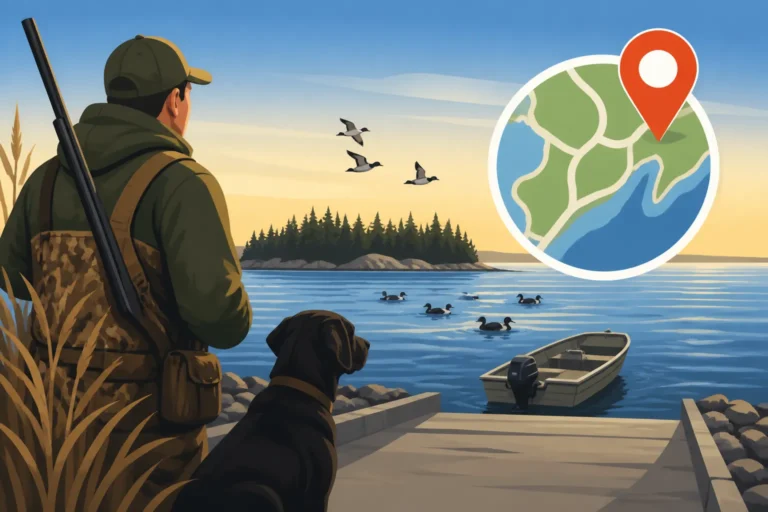
If there’s one hunting opportunity that truly defines the Downeast coast, it's waterfowl, especially sea ducks. Maine is famous for being a premier destination for Sea Duck Hunting the Maine Coast, and the Downeast region is at the heart of it. Eiders, scoters, and long-tailed ducks (formerly oldsquaws) winter here in vast numbers, offering thrilling, often rugged, hunting experiences. Imagine setting out before dawn in a boat, the salty spray hitting your face, heading for a rocky ledge or a favored cove to set a massive spread of decoys. These birds are tough, fast, and offer some of the most challenging wing-shooting you’ll find. Decoying Eiders on a Falling Tide or Hunting Scoters in Maine's Open Water are quintessential Downeast experiences, demanding specialized gear and a good understanding of marine conditions.
But it’s not just sea ducks. The countless estuaries, tidal marshes, and protected coves also offer fantastic opportunities for puddle ducks like black ducks and mallards, and various diver species. These areas provide abundant food sources and shelter from the open ocean. Further inland, along freshwater rivers and ponds that eventually feed into the ocean, you’ll also find opportunities for inland duck and even goose hunting. It’s a diverse waterfowl paradise, but it requires adaptability. A day spent chasing eiders on the open water might involve heavy seas and biting winds, while a morning jump-shooting black ducks in a protected marsh might be surprisingly calm. Always be prepared for drastic changes in weather and water conditions, and remember that safety on the water is paramount.
Upland Birds and Small Game
While the big game and waterfowl often steal the spotlight, the Downeast coast holds its own for upland birds and small game, providing a different pace and challenge. Ruffed grouse and American woodcock can be found in surprising numbers, particularly in the mixed growth areas, alder runs, and younger clear-cuts further back from the immediate shoreline. These birds thrive where there’s a good mix of dense cover for protection and open areas for feeding. Grouse Hunting Maine Alder Runs is a classic pursuit, and you'll find plenty of opportunities here. The woodcock, especially during their fall migration, utilize the damp, brushy coverts, often near waterways or in the transitional zones between wetlands and uplands. If you have a good bird dog, these coverts can offer fast-paced action.
Snowshoe hare are another excellent small game species in the Downeast region. Their preferred habitat of dense conifer thickets, often found near swamps or along the edges of blueberry barrens, is abundant here. Sticking to the deeper, snow-covered woods where the hares are most active can provide a fun and challenging hunt, especially if you enjoy Snowshoe Hare Hunting With Beagles. For those interested in predator control, coyotes are prevalent throughout the Downeast landscape, often following deer trails and scavenging along the coastal edges. Calling coyotes, especially during the colder months when their fur is prime, can be a rewarding endeavor. All these species add layers of opportunity to the Downeast hunting experience, offering options even when big game might be proving elusive.
Navigating Land Access: Public vs. Private
One of the biggest hurdles, and frankly, frustrations, for hunters in Downeast Coastal Maine is understanding and securing land access. Unlike the vast, often interconnected public lands of the American West, or even the extensive working forests of Maine's interior, the Downeast region is a patchwork of private parcels, small public holdings, and various conservation easements. It’s a mosaic that can feel daunting to decipher, especially for those not familiar with Maine's unique traditions.
Maine's Implied Permission and Posted Land
Maine operates on a unique principle often referred to as "implied permission" when it comes to land access for outdoor recreation. What this means, in essence, is that if a piece of private land is not explicitly posted with signs prohibiting entry, the public is generally assumed to have permission for activities like hunting, fishing, and hiking. This tradition is deeply ingrained in Maine's culture, a reflection of generations living closely with the land and neighbors. However, this is not a free-for-all, and it comes with significant responsibilities.
The flip side, and the crucial element to understand, is "posted land." If a landowner does not want public access, they must clearly mark their property with signs stating "No Trespassing" or "Private Property." These signs are typically placed at intervals of no more than 100 feet along the property boundary and at all principal access points. Ignoring these signs is illegal and constitutes trespassing. For the Downeast hunter, this means you can’t simply assume access; you must actively look for posting. While implied permission is wonderful, the growing trend of development and absentee landowners means more land is being posted. Therefore, the best practice, and one that upholds Maine's Maine Landowner Relations Program, is always to seek explicit permission, even if the land isn't posted. A quick knock on the door, a friendly conversation, and an offer to share any harvest go a long long way in maintaining these vital relationships. You’ll find that landowners here appreciate the respect and often have valuable insights into local game movement.
Public Reserved Lands and Wildlife Management Areas
While a significant portion of Downeast Maine is privately owned, there are important public access points in the form of Public Reserved Lands and Wildlife Management Areas (WMAs). These are invaluable resources for hunters. Public Reserved Lands are managed by the Maine Bureau of Parks and Lands, often for multiple uses including recreation and timber harvesting. Examples might include portions of the Narraguagus River Corridor Public Reserved Land or the Machias River Corridor. These areas can offer significant acreage for hunting, but access points may be limited, and the terrain can be challenging. It’s not always a clearly marked trail system, and often involves bushwhacking or navigating old logging roads.
Wildlife Management Areas, like the Narraguagus River WMA, are specifically managed by the Maine Department of Inland Fisheries & Wildlife (MDIFW) to enhance wildlife habitat and provide public hunting opportunities. These areas are usually well-known for certain species, like waterfowl or deer, and often have designated parking and access points. The challenge, especially in the Downeast region, is that these public parcels can be smaller and more fragmented than in other parts of the state, often nestled amidst private holdings. This is where tools like onX Hunt become absolutely indispensable. Using a mapping application on your phone or GPS with property line overlays allows you to instantly identify public lands, understand their boundaries, and see how they relate to surrounding private parcels. This isn't just a convenience; it's a necessity for ethical and legal hunting in a mixed-ownership landscape, ensuring you stay within legal bounds and avoid inadvertent trespassing. GoHunt also offers similar mapping tools and resources to help hunters identify these crucial access points.
Industrial Timberlands and Easements
Beyond the traditional public and private dichotomy, large tracts of land in the Downeast region are owned by industrial timber companies. These lands are primarily managed for timber production, but many companies traditionally allow public access for recreation, including hunting, often for a nominal day-use or annual fee. Some of these industrial lands are also part of conservation easements, where the landowner has sold certain development rights to a conservation organization, ensuring public access in perpetuity, even if the land remains privately owned.
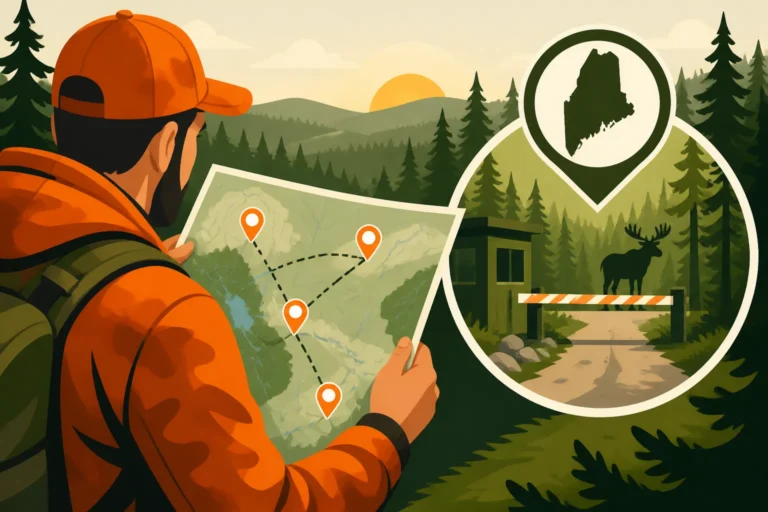
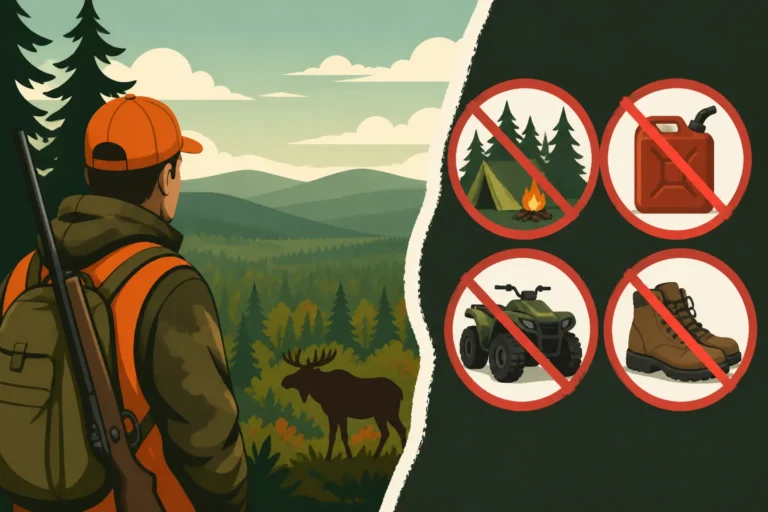
Access to these timberlands typically involves a network of private logging roads. Sometimes, these roads are open to the public, while others are gated, requiring permission or a fee to access. It's vital to research the specific company and their policies before planning a hunt, as rules can change seasonally or based on logging operations. For example, some gates might be open during specific hunting seasons but closed at other times. Respecting these rules, especially regarding vehicle access and avoiding active logging sites, is paramount to maintaining these important access opportunities. These working forests can be prime habitat, offering a mosaic of clear-cuts, young growth, and mature timber that deer, moose, bear, and grouse all utilize. Understanding the logging cycle and how it affects game movement is a skill in itself. Always assume that if there’s a gate, there’s a reason, and if in doubt, inquire with the landowner or company directly. It’s always better to ask permission than to seek forgiveness, especially when it comes to Maine's timber company lands.
Effective Hunting Tactics for the Downeast Environment
Hunting Downeast Coastal Maine isn't just about knowing where to go; it's about how you hunt when you get there. The unique terrain, dense vegetation, and coastal influence demand specific tactics that might differ significantly from those used in other parts of the state or country. Adaptability is key, and often, a slower, more deliberate approach yields the best results.
Still-Hunting Thick Spruce and Cedar Swamps
If you've spent much time hunting wide-open hardwoods or pine plantations, the thought of still-hunting Downeast spruce and cedar swamps might sound like a nightmare. And honestly, it can be. These areas are dense, dark, and often wet underfoot, making silent movement incredibly challenging. But this is precisely where deer feel most secure, particularly when hunting pressure mounts. Still-hunting in these thick coverts is less about spotting a deer at a distance and more about slowly, painstakingly picking apart the terrain, looking for subtle flickers of an ear, a patch of brown fur, or the tell-tale horizontal line of a deer's back in a sea of vertical trees. You're effectively hunting "inches" rather than "yards."
Your movement must be agonizingly slow – a step, then pause for several minutes, scanning every shadow, listening intently. Every sound you make is amplified in the quiet, damp air, so pay extreme attention to dry twigs, crunchy leaves, or slippery moss underfoot. Use the wind to your advantage, keeping it in your face or quartering. The dense cover here often creates swirling air currents, so be extra diligent with a wind checker. In these close quarters, every advantage counts. Focus on edges where the thick stuff meets slightly more open ground, or look for natural travel corridors within the swamp. Deer use these narrow paths, often barely visible to the human eye, to move through the densest cover. This kind of hunting requires immense patience and mental fortitude, but when a deer finally materializes silently just yards away, it's an unforgettable and often incredibly successful experience. It's essentially still-hunting Downeast coastal cover at its finest.
Hunting Downeast Blueberry Barrens
The blueberry barrens of Downeast Maine, particularly extensive in Washington County, offer a completely different set of hunting opportunities and challenges. While they might seem open and devoid of cover, they are incredibly important to deer and other wildlife. For deer, the timing of your hunt is crucial. In the early season, the new growth in the barrens provides excellent forage, attracting deer. Later in the season, after the leaves have fallen and the blueberries have been harvested, the low-lying woody stems provide excellent bedding cover, particularly if interspersed with islands of thicker conifers or hardwood stands. Deer will often bed down right in the middle of these seemingly open areas, relying on their camouflage and the low vegetation to conceal them.
Hunting these barrens often involves glassing edges from a distance at dawn and dusk, much like you would a traditional field. However, once deer move into the barrens themselves, a slow still-hunt or even a strategic push can be effective. Look for funnels created by small woodlots, rocky outcrops, or changes in elevation. Deer will use these features to navigate the vastness. Because the barrens can be very open, wind direction is even more critical than in timber, as your scent will carry far. Utilizing elevation changes, even subtle ones, can give you a crucial vantage point. Sometimes, positioning yourself on a slightly higher knoll overlooking a large expanse of barren can allow you to spot deer moving into or out of the cover. It’s also important to consider that hunting pressure can quickly make deer nocturnal in these exposed areas. Therefore, early morning or late evening hunts, focusing on transition zones, are often your best bet for Hunting Downeast Blueberry Barrens.
Coastal Marsh and Island Hunting
For waterfowlers, or even adventurous deer hunters, the coastal marshes and small islands off the Downeast shore present unique and exhilarating opportunities. However, these hunts demand a high level of preparation and respect for the marine environment. Access is almost exclusively by boat or kayak, requiring careful planning around tides, weather, and navigating potentially shallow or rocky waters. For sea ducks, this might mean motoring miles offshore to set up near ledges or feeding grounds. For marsh birds, it's about finding hidden creeks or channels that allow access to productive feeding flats.
Understanding tidal movements is absolutely critical. Not only does it dictate when you can access certain areas, but it also influences bird behavior and where they feed or raft up. For deer, low tide might expose new browse or travel corridors, while high tide pushes them back into the higher ground on the mainland or larger islands. Safety is paramount here. Cold water is an ever-present danger, and even a calm morning can quickly turn dangerous with a sudden change in wind or weather. Always wear a PFD, have redundant communication devices, and know your boat and its limits. If you're Hunting a Coastal Island for Waterfowl, inform someone of your plans, including your exact location and expected return time. Scouting these areas involves not just looking for game sign, but also studying charts, identifying safe landing spots, and understanding currents. The rewards of a successful coastal marsh or island hunt, with the wild ocean as your backdrop, are truly something special, but they are earned through diligence and caution.
Essential Gear and Safety for Coastal Hunts
Hunting in Downeast Coastal Maine isn't just a physical challenge; it's a gear challenge too. The coastal environment can be relentless, throwing everything from biting winds and driving rain to thick fog and freezing spray at you. Being improperly equipped is not just uncomfortable; it can be dangerous. Prioritizing the right clothing, reliable navigation, and robust safety measures isn't optional; it's absolutely essential.
Clothing and Footwear for Coastal Conditions
The number one rule for clothing on the Downeast coast is layering, and then more layering. Even if the forecast calls for a mild day, the proximity to the ocean means dampness is always a factor, and a sudden wind shift can drop the effective temperature dramatically. Start with a moisture-wicking base layer to pull sweat away from your skin – cotton is truly rotten in this environment. Follow that with insulating layers like fleece or wool, building up to the level of warmth you anticipate needing. Your outer layer is where you absolutely cannot compromise: it needs to be completely waterproof and windproof. A good quality rain suit that can withstand sustained downpours and driving spray is worth its weight in gold. Look for durable materials that won't tear easily as you push through spruce thickets or navigate rocky shorelines.
Footwear is equally critical. Forget your breathable, lightweight hikers unless you plan to stick to well-maintained trails (which are few and far between here). You need truly waterproof boots with excellent traction. Muck boots or knee-high rubber boots are often the preferred choice, especially when navigating wet marshes, crossing shallow streams, or dealing with damp forest floors. Ensure they are comfortable for long walks and provide good ankle support, as the terrain can be uneven and rocky. Warm socks, preferably wool or synthetic, are a must, and carrying an extra pair in your pack is a smart move. Nothing saps morale faster than cold, wet feet. Consider the demands of Cold-Weather Sitting Strategy in Maine as well; when you're static for hours, insulation becomes even more important.
Navigation and Communication
Venturing into the Downeast woods or coastal areas without reliable navigation is asking for trouble. While many hunters rely solely on their smartphones these days, cell service can be incredibly spotty, even non-existent, in many remote Downeast locations. Therefore, a dedicated GPS device is highly recommended as a primary navigation tool, or at least a robust backup. Familiarize yourself with how to use it before your hunt. Even better, invest in a hunting specific mapping app like onX Hunt or GoHunt, which allows you to download offline maps of your hunting area. This means you can navigate even without cell signal, viewing property lines, topo maps, and satellite imagery. Mark your truck, treestand, or any significant landmarks to ensure you can always find your way back.
Beyond knowing where you are, being able to communicate in an emergency is paramount. A satellite communicator, like a Garmin inReach or Zoleo device, is an excellent investment for truly remote hunts. These devices allow you to send texts, check weather forecasts, and, most importantly, send an SOS signal with your exact location even when out of cell range. Always inform someone of your hunting plans, including your route, expected return time, and hunting area. The Downeast woods can be vast, and coastal areas unforgiving. Should you find yourself injured, lost, or needing to Blood Trailing After Dark in Maine, having a way to call for help could be life-saving. Don't take chances; preparedness in navigation and communication is a hunter's best friend.
Watercraft and Emergency Preparedness
If your Downeast hunt involves any form of water, whether it's sea duck hunting, accessing coastal islands, or crossing a tidal river, the right watercraft and rigorous safety protocols are non-negotiable. This isn't your average pond fishing trip; the ocean demands respect. Choose a boat that is appropriate for the conditions you'll encounter – a sturdy, seaworthy vessel if you're venturing into open coastal waters, or a stable kayak for protected marshes. Always ensure your boat is in excellent working order, with a properly functioning engine, adequate fuel, and all required safety equipment.
Everyone on board must wear a properly fitted Personal Flotation Device (PFD) at all times. Cold water immersion is a serious risk in Maine, even outside of winter. If you capsize or fall overboard, a PFD dramatically increases your chances of survival. Beyond the PFDs, a comprehensive emergency kit should always be on board. This includes a first-aid kit, spare communication devices (VHF radio for coastal waters), flares, a whistle, a knife, a bailing device, and extra warm, dry clothing in a waterproof bag. It's also wise to carry a survival blanket and high-energy snacks. Before every trip, check the marine weather forecast meticulously and be prepared to cancel or postpone if conditions are unfavorable. No game animal is worth risking your life for. Familiarize yourself with local harbors, safe havens, and emergency services. Being overly prepared for water-based hunts is not paranoia; it's common sense in the wild and unpredictable Downeast environment.
Seasonal Considerations and Best Times to Hunt
Just like any other hunting region, the Downeast coast transforms with the seasons, offering different opportunities and presenting unique challenges throughout the fall. What works in September might be entirely ineffective in December, and understanding these shifts is key to a successful and enjoyable hunt.
Early Season Opportunities (Archery/Small Game)
The early season in Downeast Maine, typically starting in September, presents fantastic opportunities, particularly for archery deer hunters and small game enthusiasts. During this time, the weather is often more moderate, though coastal fog can still be prevalent. For deer, the early season means they're still in their summer patterns, often focused on food sources like lush green fields, early mast crops, and the last of the blueberry crop in the barrens. Scouting during late summer can reveal these patterns, showing you where deer are routinely feeding and traveling. When Maine's Archery Season Opens marks a period of less hunting pressure, allowing deer to move more freely during daylight hours, especially in more open areas.
This is also a prime time for upland birds like grouse and woodcock before the heavy leaf fall. The dense cover still provides excellent concealment for the birds, but hunters can enjoy slightly easier walking conditions. Woodcock, in particular, begin their migration through Maine in the early fall, concentrating in their preferred damp, brushy coverts. Hunting Maine's Long Archery Season allows bowhunters a generous window to target deer before the firearm seasons begin. Remember, while the temperatures might be mild, the coastal humidity can make scent control even more critical, as moisture holds scent longer. Always keep an eye on wind direction, especially near the coast, as unpredictable breezes can carry your scent further than you'd expect.
Peak Firearms Season Challenges
November marks the arrival of Maine's firearms deer season, a period of heightened activity and increased hunter presence. This is when many hunters flock to the woods, and the Downeast coast is no exception. While it brings the excitement of the rut, it also means deer patterns can change dramatically in response to pressure. Bucks become more active, moving more frequently in search of does, but they also become warier, often turning nocturnal in heavily hunted areas. Hunting the Rut in Early November requires adapting your tactics to capitalize on this increased movement, often focusing on travel corridors, pinch points, and traditional scrape lines.
The challenge in the Downeast during firearms season is dealing with the dense cover. With so much thick spruce and fir, deer can simply melt away, making it difficult to push them or even spot them at a distance. Hunters here often rely on slow, deliberate still-hunting, drives with a small group of hunters, or setting up on known travel routes between bedding areas and food sources. The weather also becomes a significant factor, with cold snaps, rain, and even early snow being common. Being prepared for rapidly changing conditions is vital. While the coastal influence often keeps temperatures slightly milder than inland, the dampness and wind can make it feel much colder. Stay vigilant, be patient, and understand that deer in Downeast often require close-quarters hunting, even during the peak of the rut.
Late Season and Muzzleloader Hunting
As December rolls around, the Downeast region transitions into the late season, often exclusively for muzzleloader hunters, depending on the Wildlife Management District (WMD). This period brings colder temperatures, often the first consistent snows (though coastal areas can see less accumulation), and a significant drop in hunter pressure. For those willing to brave the chill, late season can offer incredible opportunities. Deer, by this point, are focused almost entirely on finding and conserving energy, meaning they'll be heavily utilizing reliable food sources and the thickest thermal cover available, especially cedar swamps and dense spruce thickets.
Snow on the ground provides an invaluable tool: tracking. While Downeast might not always have the deep, consistent snow of the North Woods, even a few inches can make a massive difference in identifying fresh deer movement. Focusing on Late-Season Food Sources for Maine Whitetails, such as browse in clear-cuts, remaining apples in old orchards, or areas with late-dropping mast, becomes paramount. Deer will often congregate around these limited food sources. Hunting Into the December Muzzleloader Close requires dedication, tough gear, and a strategic mindset. Sitting long hours in the cold can be brutal, but if you're positioned correctly near a prime food source or a known bedding area, the rewards can be significant. Deer, though wary, are driven by survival at this point, and their patterns can become more predictable, making this a favorite time for seasoned Downeast hunters.
Conservation and Responsible Hunting in Downeast Maine
Hunting in Maine, especially in a unique and cherished region like Downeast, comes with a profound responsibility beyond just filling a tag. It’s about being a good steward of the land, respecting the communities that call this area home, and ensuring that the hunting tradition continues for generations to come. Conservation and ethical conduct are not just regulations; they are a mindset.
Respecting Landowners and Local Communities
Maine's hunting tradition is deeply intertwined with its system of private land access, and nowhere is this more evident than in the Downeast region, with its mix of working forests, small farms, and coastal properties. The "implied permission" system, while generous, relies entirely on the good behavior of hunters. Unfortunately, a few bad apples can spoil the barrel, leading to more and more landowners posting their property and restricting access. To prevent this, hunters must go above and beyond to show respect.
This means asking for permission, even if the land isn't posted, whenever possible. A friendly conversation, an introduction, and a promise to be respectful can open doors that might otherwise remain closed. Always close gates, pack out all your trash (and perhaps a little extra), avoid driving on soft roads, and never damage property. If you harvest an animal on private land, consider offering some of the meat to the landowner – it's a small gesture that builds immense goodwill. Beyond individual landowners, being respectful of local communities means being mindful of noise, leaving access points clear, and representing hunters in a positive light. Many small Downeast towns depend on tourism, including hunting tourism, and fostering positive relationships ensures that hunters remain welcome. Maine's Maine Landowner Relations Program is designed to help bridge this gap and promote understanding between landowners and recreational users. Embracing its principles helps everyone.
Wildlife Management and Environmental Awareness
Responsible hunting in Downeast Maine also means actively participating in and supporting sound wildlife management practices. This starts with understanding and adhering to all local and state hunting regulations, including bag limits, season dates, and legal methods. These rules aren't arbitrary; they are carefully crafted by wildlife biologists to ensure sustainable populations for the future. Staying informed about changes in regulations or conservation initiatives is part of being an ethical hunter.
Beyond the rules, environmental awareness means understanding the impact of your actions on the broader ecosystem. The Downeast coast is a sensitive environment, with fragile coastal marshes, unique plant communities, and crucial habitats for both game and non-game species. Be mindful of disturbing nesting birds, damaging sensitive vegetation, or impacting water quality. Avoid leaving behind any trace of your presence, whether it's spent shell casings, plastic wrappers, or even excessive flagging tape. Consider the long-term health of the wildlife and their habitat. This might mean choosing to pass on a smaller animal, or actively participating in habitat improvement projects if the opportunity arises. We are privileged to hunt in such a beautiful and wild place, and it is our collective responsibility to ensure that the Downeast coast remains a vibrant ecosystem for all its inhabitants, both wild and human, for generations to come.
Here's a quick comparison of some hunting characteristics between Downeast Coastal Maine and the more familiar North Maine Woods:
| Feature | Downeast Coastal Maine | North Maine Woods |
|---|---|---|
| Primary Habitat Type | Dense spruce/fir thickets, blueberry barrens, coastal marshes, mixed hardwoods, rocky shorelines | Vast, unbroken spruce/fir/hardwood forests, large logging operations, lakes, rivers |
| Main Game Species | Whitetail Deer, Sea Ducks (Eiders, Scoters, Long-tailed Ducks), Black Ducks, Grouse, Woodcock, Snowshoe Hare, Coyote | Moose, Whitetail Deer, Black Bear, Grouse, Woodcock, Snowshoe Hare, Coyote |
| Land Access | Mix of implied permission private land, posted land, small WMAs, industrial timberlands (some with fees), conservation easements | Extensive industrial timberlands (mostly gated, fee-based access through checkpoints), some public reserved lands |
| Hunter Pressure | Can be high in accessible areas, lower in dense cover/remote coastal spots, high for popular sea duck areas | Generally lower density, but concentrated at gates/camps; specific roads see more traffic |
| Navigation Challenge | Spotty cell service, intricate property lines, tidal influences, dense cover for ground navigation | Very limited cell service, vastness, complex logging road networks, easy to get turned around |
| Weather Challenges | Coastal fog, high winds, dampness, sudden temperature shifts, cold ocean water, rapid tide changes | Deep cold, heavy snow, remote conditions, sudden blizzards, challenging driving conditions on logging roads |
| Unique Opportunities | Sea duck hunting, deer in coastal cover, hunting blueberry barrens, marsh bird hunting | Moose hunting, remote bear hunting, large unbroken tracts of wilderness, extensive tracking snow |
Disclaimer
This article is for general informational purposes only and does not constitute professional advice. Laws, prices and regulations vary by location and change over time. Consult a qualified professional for guidance on your specific situation.