What Happens If Weather Cancels Your Hunt
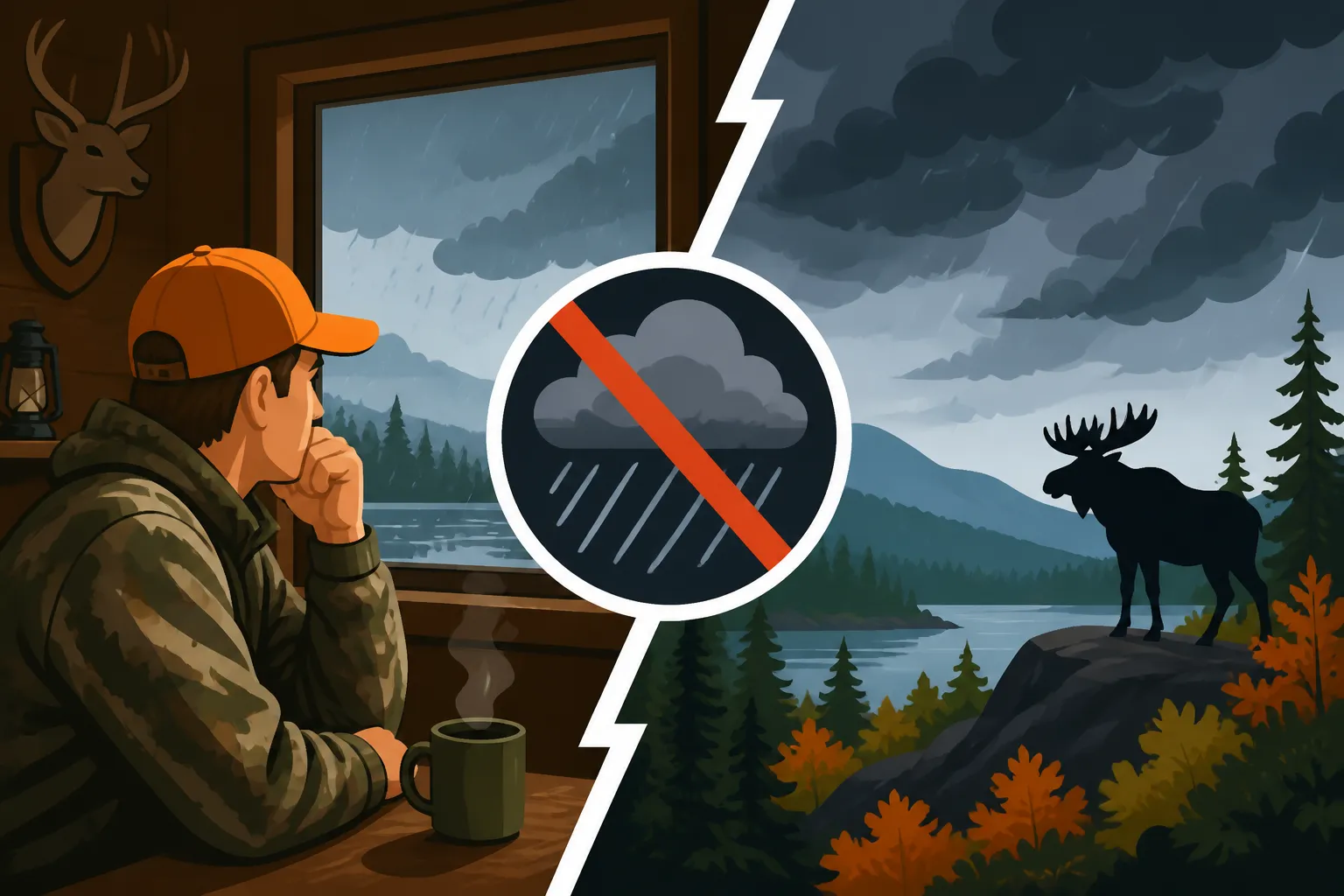
There’s nothing quite like the excitement of counting down the days to a long-planned Maine hunting trip, whether it's for a majestic moose deep in the North Woods or sea ducks crashing waves off the rugged coast. But then, the dreaded weather forecast pops up, threatening to derail everything. It's a gut-wrenching feeling when you realize that factors completely out of your control—a sudden blizzard, a torrential downpour, or hurricane-force winds—could mean your carefully planned adventure might not happen at all. This guide is here to walk you through the often-confusing landscape of weather-related cancellations, helping you understand your options, navigate outfitter policies, and prepare for the unexpected so you're not left out in the cold.
Understanding Weather-Related Cancellations in Maine Hunts
When you book a guided hunt in Maine, you're not just paying for access; you're often paying for an experience that's intrinsically linked to the unpredictable natural world. Weather isn't just an inconvenience; it can be a genuine safety concern or make a hunt impossible.
Types of Weather That Force Cancellations
Maine's weather is famously diverse and can change on a dime, especially during hunting seasons. What might be an inconvenience for a deer hunter still-hunting a woodlot could be a complete show-stopper for a sea duck hunter.
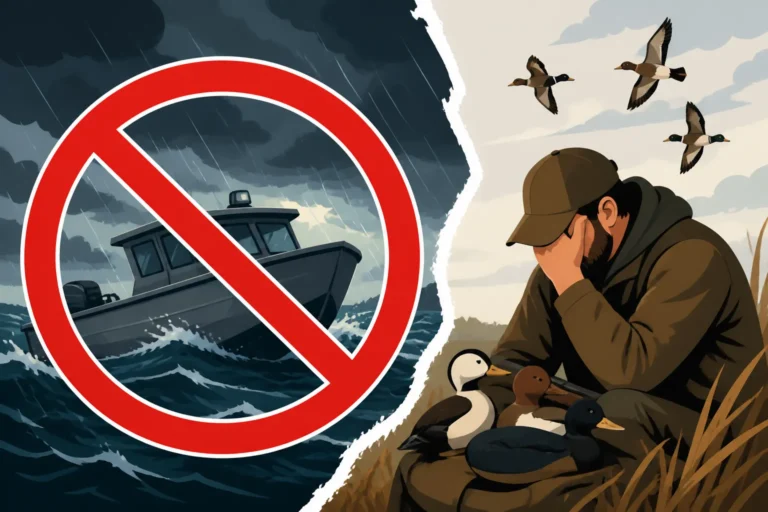
For instance, consider a late-season deer hunt in December. A sudden, heavy snowfall could mean roads to your hunting area become impassable, or it could create unsafe tracking conditions, particularly in remote areas. On the other hand, for those dreaming of Sea Duck Hunting the Maine Coast, a gale warning with high seas isn't just uncomfortable; it's genuinely dangerous. Outboard motors can fail, boats can capsize, and hypothermia can set in quickly. Reputable guides won't risk their lives, or yours, for a duck. Similarly, a thick fog blanketing the coastline can make navigation impossible, effectively grounding any planned outing.
Moose hunts in the deep North Woods, especially those requiring fly-in access to a remote sporting camp, are acutely sensitive to weather. Persistent low clouds or heavy rain can make flying unsafe, stranding you either at the airstrip waiting to go in or at camp waiting to get out. Even bear hunts, which often involve baiting or hounds, can be impacted. Excessive heat can make hounds reluctant to run, while severe thunderstorms can make being in the woods a lightning hazard. It’s not just about comfort; it's about the fundamental safety and feasibility of the hunt itself.
Outfitter's Discretion vs. Hunter's Choice
It's crucial to understand the difference between an outfitter cancelling a hunt and a hunter deciding not to go. When a guide or outfitter cancels, it's typically due to conditions that make the hunt unsafe, illegal, or simply impossible to conduct effectively and ethically. This is often at their sole discretion, and their decision is usually based on years of experience navigating Maine's wilderness.
If you, as the hunter, decide to cancel because you don't like the look of the forecast, even if the guide deems conditions safe enough to proceed, that falls under a different category. Your decision to cancel for personal comfort or preference often means you're forfeiting deposits or payment according to the outfitter's standard cancellation policy. This is why having a clear understanding of the outfitter's specific Maine Outfitter Cancellation and Weather Policies before you book is paramount. You need to know when they will call it quits versus when you can call it quits without losing your entire investment. Many outfitters, especially those working with species like moose or sea ducks that require specific conditions, will clearly state what constitutes a "weather cancellation" on their end.
Navigating Outfitter Policies and Your Rights
Dealing with a cancelled hunt can be incredibly frustrating, especially after investing time, money, and emotional energy into the anticipation. Knowing what to expect from your outfitter regarding their cancellation policy is your best defense.
The Fine Print of Cancellation Policies
Every reputable outfitter will have a cancellation policy, and it's your responsibility to read it carefully before putting down a deposit. These policies typically cover various scenarios, including weather. What happens next largely depends on what was agreed upon.
Common Scenarios and Responses:
| Scenario | Typical Outfitter Response (General) |
|---|---|
| Outfitter Initiated – Unsafe Conditions | Most ethical outfitters will offer to reschedule the hunt (rebook) for a later date, often within the same season or the following season. A full refund is less common but can happen, especially if rescheduling isn't feasible for either party. |
| Outfitter Initiated – Impossible Conditions | Similar to unsafe conditions, rebooking is the primary option. For example, if a severe storm washes out the only road to a Booking a Remote Fly-In Camp, making it inaccessible for days, the hunt simply cannot proceed as planned. |
| Hunter Initiated – Dislike of Forecast | Unless specifically covered by a generous clause, this usually results in forfeiture of the deposit or a percentage of the total fee. The outfitter held a spot for you and likely turned away other clients. |
| Hunter Initiated – Personal Emergency | Some outfitters might offer a one-time reschedule, often with a rebooking fee. This is less about weather and more about life happening. |
| Partial Hunt Completed | If weather interrupts a hunt already underway, the outfitter might offer a partial credit towards a future hunt, but a pro-rata refund for unused days is rare. The guide has already invested time and resources. |
It's common for a deposit to be non-refundable. Outfitters rely on these funds to cover initial planning, scout new areas, maintain equipment, and essentially hold your spot on their calendar. Losing a deposit stings, but it's part of the financial risk involved in booking any high-demand service. Platforms like BookYourHunt often provide a transparent overview of outfitter cancellation policies, making it easier for hunters to compare before committing. Similarly, when you're comparing What a Guided Moose Hunt Costs, remember that the policy details are just as important as the price tag.
The Rebooking and Refund Conundrum
When a hunt is cancelled by the outfitter due to weather, the most common solution offered is rebooking. This means your deposit or payment rolls over to a new date, often in the next available opening or the following season. For many hunters, this is a perfectly acceptable outcome, especially if they value the experience with that particular guide. It's a chance to still get their hunt in, just a bit later. If you find yourself needing to rebook, remember that flexibility on your part can be a huge asset. Don't expect your guide to simply drop everything; they're working with a packed schedule. For more specific insights on this, you might find Rebooking a Maine Hunt for Next Season helpful.
However, sometimes rebooking isn't an option. Maybe your schedule simply doesn't align, or perhaps you're a nonresident hunter with limited travel windows. In these cases, you might pursue a refund. Be prepared for this to be a tougher conversation. Most outfitters are small businesses, and full refunds for weather cancellations can significantly impact their livelihood, especially if it's a recurring issue. While some guides may offer a partial refund as a goodwill gesture, a full refund might only be offered in extreme circumstances or if explicitly stated in their policy. Understanding Getting a Refund From a Maine Outfitter details this further. It's always best to have this discussion with your outfitter as calmly and respectfully as possible. They are usually trying to do right by their clients, even when Mother Nature throws a wrench in the plans.
Mitigating Risks and Preparing for the Unexpected
While you can't control the weather, you can certainly control how well you prepare for its potential impact on your hunt. A little foresight can save you a lot of headache and heartache.
The Power of Trip Insurance
This is perhaps the single most important piece of advice when booking a significant hunting trip, especially one that involves considerable expense like a What a Guided Bear Hunt Costs or a far-flung adventure to Hunting the Allagash Wilderness Waterway. Trip insurance, often available from third-party providers, can cover non-refundable costs if your trip is cancelled for covered reasons.
What to Look For in a Policy:
- Weather-Related Cancellation: Ensure the policy explicitly covers cancellations due to severe weather that prevents the outfitter from operating or prevents you from reaching the destination (e.g., flight cancellations, road closures).
- Outfitter Default: Some policies cover situations where the outfitter has to cancel due to unforeseen circumstances on their end (though often not due to their own discretion about weather unless it meets specific criteria).
- Medical Emergencies: Always a good idea to have this coverage for remote hunts.
- "Cancel For Any Reason" (CFAR) Option: This is often an add-on and costs more, but it provides the most flexibility, allowing you to cancel for virtually any reason and recoup a percentage (often 50-75%) of your non-refundable costs. This is the ultimate peace of mind for those who simply don't want to hunt in miserable conditions, even if the guide is willing to go.
Many hunters overlook trip insurance, seeing it as an extra expense. However, when you consider the investment in licenses, travel, gear, and the outfitter's fees, that insurance premium can be a small price to pay for protecting your entire investment. If you're a nonresident, especially, investigating Travel Insurance for a Nonresident Hunting Trip should be high on your pre-trip checklist.
Asking the Right Questions Upfront
Before you ever sign a contract or send a deposit, engage in a thorough conversation with your prospective guide or outfitter about their weather policy. Don't assume; ask specific questions.
Key Questions to Pose:
- "What specific weather conditions would cause you to cancel or postpone a hunt?"
- "If you cancel due to weather, what are my options for rebooking or receiving a refund?"
- "What is your policy if I decide to cancel due to the forecast, even if you still plan to hunt?"
- "Is there any flexibility if the weather only impacts part of my planned trip?"
- "Do you recommend specific trip insurance providers that cover your operations?"
Don't be shy about these questions. A professional, experienced guide will have clear answers and appreciate your thoroughness. If a guide is vague or dismissive, that's a red flag. Consulting resources like GoHunt or other reputable hunting platforms can sometimes give you a sense of an outfitter's reputation regarding these matters before you even make the call. For further guidance on selecting an outfitter, see Vetting a Maine Hunting Outfitter and Questions to Ask a Maine Outfitter.
Flexibility and Communication Are Key
Once you've booked your hunt, maintain open lines of communication with your guide, especially as the date approaches and weather forecasts become more accurate. They may reach out to you with updates, or you might need to reach out to them.
Being flexible with your schedule can also significantly increase your chances of still getting a hunt in, even if it's delayed. If an outfitter offers to shift your hunting dates by a day or two because of an incoming storm, and you can accommodate it, that's often a better outcome than a full cancellation. The more adaptable you are, the more options the outfitter might be able to offer. For instance, if you've booked a specific week for Moose Hunting Maine's North Woods and a blizzard hits, being able to push it to the next week (if slots are open) could save your trip. This proactive approach and good relationship can make a world of difference when Mother Nature decides to throw a curveball.
What to Do if Your Hunt is Cancelled
So, the inevitable happens, and your Maine hunt is called off due to inclement weather. Take a deep breath. While it’s disappointing, there are immediate steps you can take to manage the situation effectively.
Immediate Contact and Documentation
As soon as you receive notification of a cancellation, or if you feel conditions warrant one and your guide hasn't yet contacted you, the first step is always clear, calm communication. Reach out to your outfitter to confirm the cancellation and discuss the next steps. It's often helpful to follow up any phone calls with an email to create a written record of what was discussed, including rebooking dates, refund possibilities, or any credits offered. This documentation can be vital if there are any misunderstandings later, or if you need to file a claim with your travel insurance. Remember, if you booked through a service like BookYourHunt, they might have a mediation process or client support that can help facilitate communication and resolution.
Assessing Your Financial Options
Once the immediate communication is handled, turn your attention to the financial implications. If you purchased trip insurance, this is the moment to contact your provider. Review your policy carefully to understand what is covered and what documentation you'll need from your outfitter (e.g., a written confirmation of cancellation due to weather). Be prepared to fill out forms and provide details about your expenses.
If you don't have insurance, or if your policy doesn't cover the specific circumstances, you'll need to work directly with your outfitter. As discussed, rebooking is the most common solution. If a refund is your only option, refer back to the outfitter's stated policy. In situations where there’s a dispute or if you feel the outfitter isn't honoring their agreement, you might explore avenues like contacting the Maine Department of Inland Fisheries and Wildlife for guidance, or perhaps even a consumer protection agency. However, starting with direct, polite negotiation is almost always the best first approach.
Planning for Future Hunts and Learning from Experience
A cancelled hunt is never ideal, but it's also a learning experience. Use this opportunity to refine your future planning.
- Review your outfitter choice: Did your outfitter handle the situation professionally and fairly? This experience can inform future decisions when Hiring a Registered Maine Guide.
- Re-evaluate insurance needs: If you didn't have trip insurance, or if your policy fell short, consider a more robust plan for your next big adventure.
- Build in buffer time: For critical trips, especially those to remote areas, consider arriving a day early or building in a flexible travel day at the end. This can allow for minor weather delays without derailing your entire schedule.
- Stay informed: Keep an eye on long-range forecasts, not to panic, but to be prepared for potential changes.
Ultimately, while the disappointment of a cancelled hunt is real, remember that it's often a necessary decision for safety. By being prepared, understanding policies, and communicating effectively, you can minimize the negative impact and look forward to rescheduling your incredible Maine hunting experience.
Disclaimer
This article is for general informational purposes only and does not constitute professional advice. Laws, prices and regulations vary by location and change over time. Consult a qualified professional for guidance on your specific situation.