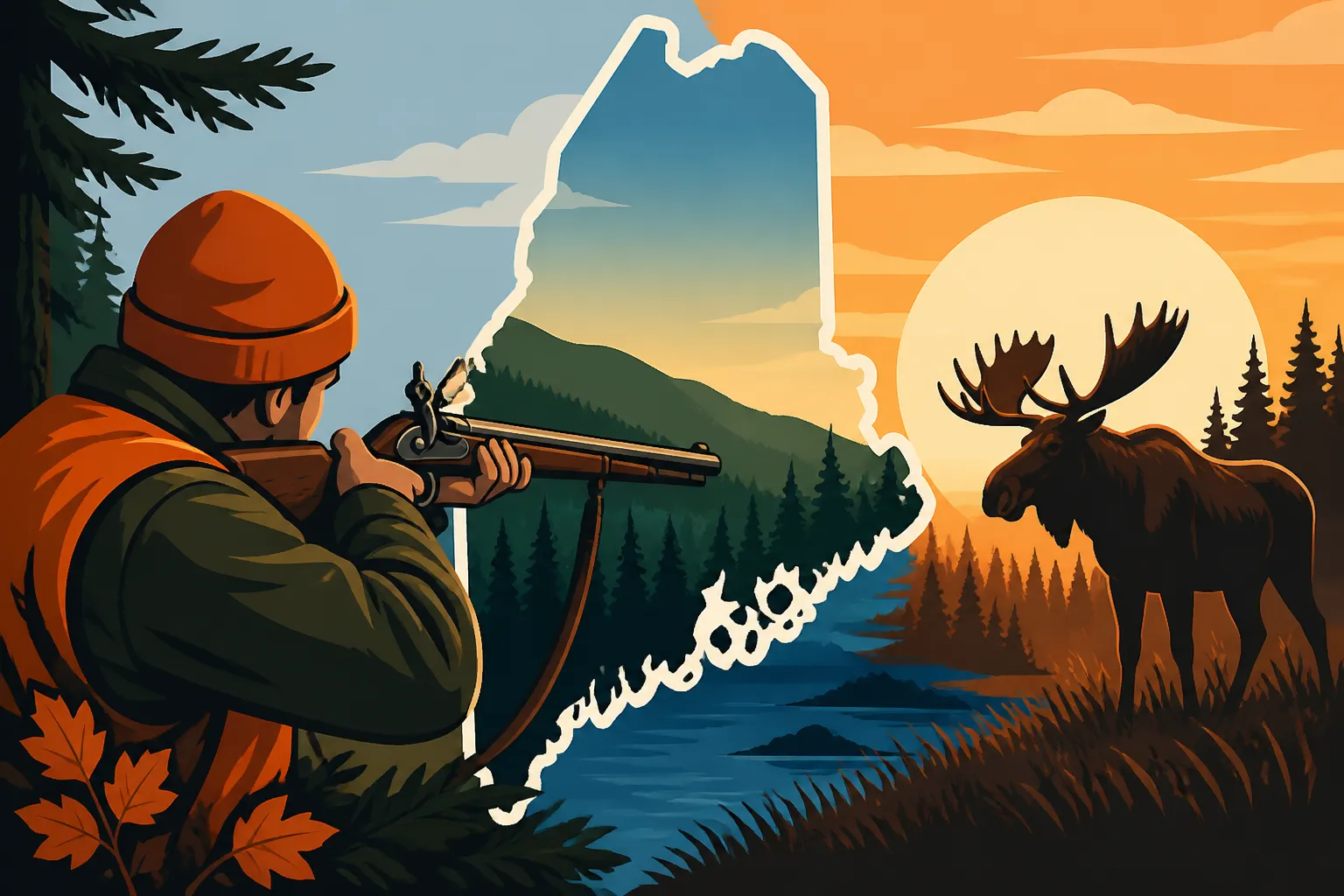
Hunting a Muzzleloader Tag After Firearms Closes
When the last shotgun or rifle blast echoes through the Maine woods and the general firearms season officially closes, many hunters pack up their gear, sighing as they anticipate the long wait until next fall. But for a dedicated few, this is merely the signal for a new chapter to begin: the late-season muzzleloader hunt. Stepping into the woods with a muzzleloader after the main rush has ended presents a unique set of challenges, from colder temperatures and often deep snow to wary, pressured deer. This guide is designed to equip you with the knowledge and strategies needed to successfully pursue whitetails with your muzzleloader during this prime, yet often overlooked, window of opportunity.
Understanding Maine's Muzzleloader Season Structure
Maine's hunting calendar is meticulously laid out, and while the general firearms season gets most of the attention, the muzzleloader season offers a fantastic extension to deer hunting. It's a chance to get back out there when the woods are quieter, often covered in a fresh blanket of snow, providing both hurdles and unique advantages.
Key Dates and WMD-Specific Regulations
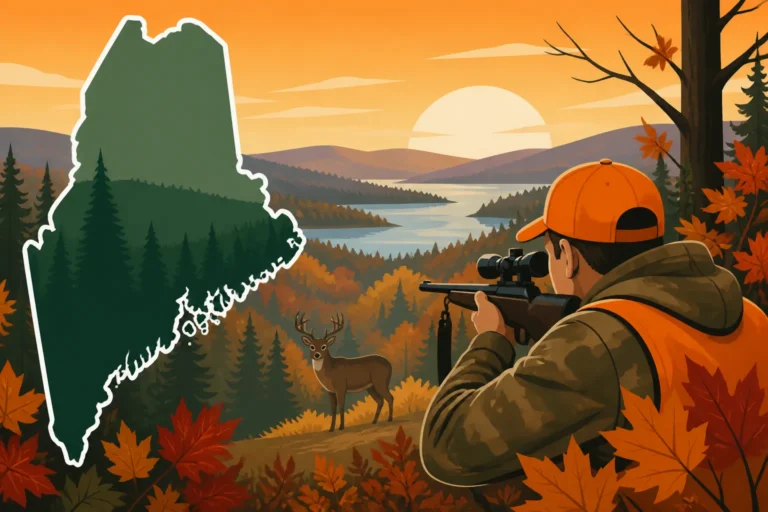
The muzzleloader season in Maine typically kicks off right after the general firearms deer season concludes, usually running for about one to two weeks, often extending into mid-December. However, it's absolutely crucial to remember that these dates can, and sometimes do, shift slightly from year to year. Always, and I mean always, consult the most current Maine Hunting & Trapping Laws summary published by the Maine Department of Inland Fisheries and Wildlife (MDIFW) before planning your hunt. You'll find specific details on Maine Muzzleloader Season Dates by WMD right there in the official regulations. This isn't just a suggestion; it's a non-negotiable step to ensure you're hunting legally and ethically.
Furthermore, it’s important to understand that not all Wildlife Management Districts (WMDs) have identical seasons or antlerless permit allocations during this late window. While some WMDs allow you to harvest any deer on your regular deer hunting license, others may have specific requirements or extended opportunities for antlerless deer if you possess an additional antlerless permit. Knowing Which WMDs Get Extended Muzzleloader Season can dramatically impact your hunting strategy and success. For instance, some northern WMDs, with their harsher winters and lower deer densities, might have different rules compared to the more populated southern WMDs where deer populations are more robust. A quick check on the MDIFW website, or even using a mapping application like GoHunt, can provide vital, up-to-the-minute information about your chosen hunting area.
Permit Requirements and Tagging
For the most part, if you possess a valid Maine resident or non-resident big game hunting license and a deer permit, you're good to go for the muzzleloader season within the specified dates and WMDs. However, the nuances come into play with antlerless deer. If you're hoping to fill an antlerless tag, you'll need to have successfully drawn an antlerless deer permit (often called an "Any-Deer Permit") for the specific WMD you plan to hunt. The Maine Antlerless Permit System is a lottery, and if you've been lucky enough to draw one, the muzzleloader season can be an excellent time to fill it, especially if you haven't had success during the earlier firearms season.
It’s also worth noting that non-residents will need to purchase the appropriate Maine Hunting Licenses and What They Cost before heading into the woods. The process is straightforward, whether you're buying online or in person at a licensed agent. Once you've harvested a deer, the same registration requirements apply as during the regular firearms season. You'll need to register your deer with the MDIFW, usually at a designated registration station or, increasingly, through their online portal or mobile app. Don't let the simplicity of the muzzleloader season make you complacent about these critical regulatory steps; adherence ensures the longevity of our hunting traditions.
Strategic Advantages of Late-Season Muzzleloader Hunting
While many hunters lament the end of the firearms season, those who embrace the muzzleloader understand that late season offers distinct advantages that can lead to success. The woods transform, and so does deer behavior, creating new opportunities.
Quieter Woods and Less Pressure
One of the most significant benefits of hunting after the general firearms season is the dramatic decrease in human activity. The woods, which might have been buzzing with truck traffic, four-wheelers, and hunters walking every ridge and hollow just a week or two prior, suddenly become eerily quiet. This reduction in pressure is a game-changer for deer. After weeks of being hounded by hunters, whitetails that had gone completely nocturnal or retreated into the densest, nastiest cover will often begin to relax slightly. They might extend their feeding patterns into daylight hours, or move more boldly between bedding and feeding areas. This window offers a genuine chance to encounter a mature buck that has survived the gauntlet of rifle season, now feeling a bit safer as hunter numbers dwindle.
This newfound quiet often allows for more effective still-hunting. Without competing noise from other hunters, you can move slower, listen more intently, and pick up on subtle cues like rustling leaves, antler rubs, or fresh tracks that might have been drowned out during peak season. It’s a truly immersive experience, offering a solitude that’s hard to find during the busy opening weeks of hunting season. The challenge of Hunting the Muzzleloader Close in Mid-December means embracing the calm, using the silence to your advantage, and moving with extreme stealth.
Identifying Late-Season Food Sources and Bedding Areas
As December rolls in and temperatures drop, deer priorities shift dramatically. The rut is largely over, and their focus becomes solely on survival: finding abundant, high-calorie food sources and secure bedding areas to conserve energy. This makes pinpointing these critical resources paramount to late-season success. Gone are the days of deer grazing in open fields; now, they seek out specific, nutrient-rich forage that can sustain them through the cold.
Think about areas with persistent hard mast, like oak ridges, if there’s any left after a good mast year. But more reliably, focus on browse: cedar swamps (where they also find thermal cover), young clear-cuts with regenerating saplings, and even agricultural fields if permitted and accessible. Late-Season Food Sources for Maine Whitetails often include things like leftover apples in an abandoned orchard, brassicas planted in a food plot, or the tender tips of hemlock and cedar in dense stands. Use an app like GoHunt to analyze aerial imagery for these types of habitat. Deer will not waste energy moving farther than necessary, so look for bedding areas (thick conifer stands, south-facing slopes, cedar swamps) that are in close proximity to these food sources. The deep snow can make this easier, as deer will leave obvious tracks leading from cover to food, creating predictable travel corridors. Understanding how deer utilize Reading a North Woods Deer Yard is also critical, as these dense conifer stands offer essential shelter from harsh winter weather and deep snow.
Essential Gear and Preparation for Maine Muzzleloader Hunting
Hunting in Maine in December, especially with a muzzleloader, demands meticulous preparation and specialized gear. The weather can be unforgiving, and the reliability of your firearm becomes absolutely critical when you might only get one shot.
Cold-Weather Clothing and Safety Essentials
First and foremost, you need to dress for success, and in December Maine, that means dressing for cold. Layering is your best friend. Start with a moisture-wicking base layer to manage sweat, add insulating layers like fleece or wool, and top it off with a waterproof, windproof outer shell in blaze orange or blaze pink. Remember, How Much Blaze Orange Maine Requires is a minimum, but more is always better for safety. Wool is your friend, especially for socks, hats, and gloves, as it retains warmth even when wet. Good, insulated, waterproof boots are non-negotiable; cold, wet feet will send you home faster than anything. Hand warmers, a thermos of hot coffee or tea, and high-energy snacks are also vital for staying comfortable and focused during a Cold-Weather Sitting Strategy in Maine.
Beyond clothing, safety gear takes on extra importance. A GPS unit or a reliable mapping app (like GoHunt, which works offline) is essential for navigation, especially if snow covers familiar trails. A headlamp with extra batteries, a fire-starting kit, a knife, a first-aid kit, and enough water (insulated to prevent freezing) are standard backcountry essentials. Carrying a communication device like a satellite messenger or a fully charged cell phone (with a portable charger) is also wise, as cell service can be spotty in vast areas of Maine. The colder temperatures mean that any injury or getting lost can quickly become a much more serious situation.
Optimizing Your Muzzleloader and Ammunition
Your muzzleloader itself requires careful attention. Modern in-line muzzleloaders with 209 primers are generally more reliable in cold, damp conditions than traditional flintlock or percussion cap models, though dedicated traditionalists make those work too. Whichever you choose, ensure it's in perfect working order. Clean it thoroughly, lubricate it properly, and double-check all screws and connections.
When it comes to ammunition, consistency is key. Practice shooting your exact load (powder, bullet, primer) in cold weather conditions if possible, to see how temperature affects performance and point of impact. For powder, pre-measured pellets can be convenient and help prevent moisture issues in the field, but loose powder offers more flexibility for fine-tuning loads. For bullets, saboted projectiles (like Hornady SST, Barnes Expander, or PowerBelt Aerolite) are popular for their accuracy and energy retention, but ensure your twist rate stabilizes them. Waterproof your powder, caps, and primers meticulously. Many hunters use electrical tape to seal the muzzle and breech plug to prevent moisture ingress, removing it quietly just before a shot. A quick-loader tube with a pre-measured charge and bullet is invaluable for a fast second shot, should you be so lucky. Don't forget your loading rod, a cleaning patch, and a bullet starter.
| Muzzleloader Gear Essential | Why It's Crucial for Late Season | Pro Tip |
|---|---|---|
| Waterproof, Insulated Boots | Cold, wet feet are a hunt-ender; deep snow and slush are common. | Size up to accommodate thick wool socks and toe warmers. |
| Layered Clothing System | Regulate body temperature; crucial for warmth during sits and breathability during walks. | Avoid cotton. Prioritize wool or synthetic moisture-wicking base layers. |
| Muzzleloader (In-Line) | Generally more reliable ignition in cold, damp conditions. | Practice with your exact cold-weather load; waterproof your powder and primers. |
| Quality Optics (Scope/Binoculars) | Low light conditions are common; clear glass is vital for identification and shot placement. | Choose optics with good light gathering capabilities and fog-proof coatings. |
| Mapping Device (GPS/App) | Snow can obscure landmarks; vital for navigation and property boundaries. | Download offline maps with GoHunt. Carry a portable charger for phones. |
| High-Energy Snacks & Hot Beverage | Maintain energy and core temperature during long, cold waits. | Pack calorie-dense snacks. A thermos of hot soup or coffee can be a game-changer. |
| Emergency Fire Starter Kit | Life-saving in a true survival situation if you get lost or injured. | Include waterproof matches, a lighter, and a fire starter (like petroleum jelly cotton balls). |
Tactics for Success: Locating and Harvesting Deer
With your gear dialed in and your mind focused, it's time to talk tactics. Late-season muzzleloader hunting demands patience, stealth, and a deep understanding of deer behavior in winter conditions.
Still-Hunting and Tracking in Snow
One of the most effective methods for late-season muzzleloader hunting is still-hunting, especially if there's fresh snow on the ground. The quiet hush of a snowy woods muffles your footsteps, allowing you to move with incredible stealth. Focus on moving very slowly, stopping frequently to scan the woods ahead, looking for deer parts (ears, legs, horizontal lines) that break up the vertical lines of trees. Pause for several minutes, letting your eyes adjust, and listen intently.
Fresh snow is a tracker's best friend. It reveals exactly where deer have been, when they were there, and often, where they're going. Focus on areas with good cover near known food sources. If you find fresh tracks, especially a large, solitary track (often indicating a buck), don't just follow blindly. Instead, try to anticipate the deer's next move. Deer will often circle back to use the wind to their advantage, or bed down with good visibility of their back trail. By following tracks slowly and carefully, constantly checking the wind, and using terrain to conceal your approach, you significantly increase your chances of a close-range encounter. Mastering Tracking a Deer in Fresh Maine Snow is an art form that pays dividends in late season.
Stand Placement Near Food and Cover
While still-hunting is excellent for covering ground and finding fresh sign, sometimes a well-placed stand is the best option, particularly if you've identified a consistent pattern of deer movement between food and bedding. With the decrease in hunter pressure, deer might become slightly more predictable in their movements, especially around crucial late-season food sources.
Look for pinch points, funnels, or natural travel corridors that connect dense thermal cover (like a cedar swamp or thick spruce stand) with a preferred food source. This could be a small draw, a narrow strip of timber between two open areas, or an edge along a clear-cut where new growth is accessible. Consider setting up a ground blind, especially if you can brush it in naturally, as climbing stands can be more difficult to set up quietly in frozen trees. Remember that deer movement might be later in the morning and earlier in the afternoon during cold weather, so adjust your sit times accordingly. The goal is to intercept deer as they move to or from their primary feeding areas. If you're targeting a specific area like Aroostook farmland, applying Still-Hunting Aroostook County Farmland principles can be adapted for strategic stand placement, focusing on field edges and woodlots.
Calling and Scent Control
While calling isn't as prevalent in late season as it is during the rut, subtle social calls can still be effective. A soft doe bleat or a light grunt might pique the curiosity of a passing deer, or even stop one for a shot. Avoid aggressive calling, as deer are highly alert and wary after the firearms season. Think about mirroring natural deer sounds, not trying to lure them from a mile away.
Scent control remains paramount, perhaps even more so in late season. With deer focused on survival and avoiding danger, your human odor is a glaring red flag. Use scent-eliminating sprays, wash your hunting clothes in scent-free detergent, and store them in airtight containers. Pay close attention to wind direction, as the frigid air can carry scent far and wide. Always approach your stand or hunting area from a downwind direction, and be prepared to adjust your strategy if the wind shifts. While not a magic bullet, diligent scent control, combined with good wind management, reduces the chances of a wary whitetail busting you before you even know it's there.
When you do manage to harvest a deer, the challenges don't end there. Knowing how to efficiently perform Field Dressing a Deer in Cold Weather is crucial, and understanding how to effectively Recovering a Deer From a Cedar Swamp can save you a lot of headache and hard work, especially with heavy snow on the ground. The late season can be tough, but the rewards of a successful hunt are immeasurable.
Disclaimer
Hunting carries inherent risks, including but not limited to injury, illness, or death. Always prioritize safety, adhere to all local, state, and federal hunting regulations, and ensure you have the proper licenses and permits. The information provided in this guide is for informational purposes only and should not replace professional instruction or official hunting regulations. Hunters are responsible for their own safety and for understanding and following all applicable laws.