Maine Nonresident Turkey Permit Cost
Hunting wild turkeys in Maine as a nonresident can feel like navigating a maze of regulations and fees, especially when you're trying to figure out exactly what it's going to cost you just to get started. It's not always as simple as a single permit fee, and understanding the various licenses required is crucial to avoid any unwelcome surprises or delays when you're geared up and ready to hit the woods. This guide will meticulously break down the actual costs for a nonresident turkey permit, clarify the additional licenses you'll need, and offer a clear roadmap to ensure you're fully prepared for your Maine turkey adventure.
Understanding Maine's Nonresident Turkey Permit Structure
When you're planning a turkey hunt in the beautiful state of Maine, especially as a nonresident, it’s important to understand that the "turkey permit" isn't a standalone item. It's more like an endorsement or an add-on to a foundational hunting license. This structure is common in many states, but it can still be a point of confusion for those unfamiliar with Maine's specific system.
The Base Hunting License Requirement
Before you can even think about purchasing a turkey permit, every nonresident hunter in Maine must first acquire a valid base hunting license. This license establishes your general eligibility to hunt in the state and is a prerequisite for any specialized permits, including those for turkey. The cost for this base license varies significantly between residents and nonresidents, reflecting the state's approach to managing its wildlife resources and generating revenue from out-of-state visitors who benefit from Maine's abundant game populations.
For nonresidents, the price for a full-season hunting license is substantially higher than for residents. This makes sense when you consider that residents contribute to the state's conservation efforts and wildlife management through other taxes and fees throughout the year. As of recent regulations, a nonresident hunting license will typically run you around $115.00 for the calendar year. This initial investment covers your general hunting privileges but doesn't, by itself, grant you the right to hunt a specific species like turkey. That comes next. Remember, this base license is your foundational ticket into the woods for any legal hunting activity. You can learn more about specific details on the various Maine Nonresident License Options available.
Specifics of the Nonresident Turkey Permit
Once you have your base hunting license in hand, you're then eligible to purchase the specific turkey permit. This is where the actual "turkey permit cost" comes into play. For nonresidents, the turkey permit is an additional fee on top of your base license. It’s important to note that this permit often covers the calendar year, encompassing both the spring and fall turkey seasons, but always double-check the specific regulations for the current year, as they can occasionally be adjusted.
The nonresident turkey permit typically costs around $20.00. So, when you combine the base hunting license (approx. $115.00) with the turkey permit (approx. $20.00), you're looking at a total minimum cost of around $135.00 to legally pursue wild turkeys in Maine as a nonresident. This fee directly supports the state's wild turkey management programs, which have been incredibly successful in restoring robust turkey populations across much of Maine. These funds go towards habitat improvement, population surveys, research, and enforcement, all of which benefit hunters.
Spring Versus Fall Season Differences
Maine offers both a spring and a fall wild turkey hunting season, each with its own set of regulations and bag limits. The good news for nonresidents is that the single turkey permit you purchase usually covers both seasons within the same calendar year. This means you don't typically need to buy a separate permit if you decide to come back for a fall hunt after participating in the spring season, assuming your initial permit is still valid.
However, while the permit itself generally covers both, the rules surrounding when and where you can hunt, and how many birds you can harvest, vary significantly between seasons and by Wildlife Management District (WMD). For instance, Maine's WMD-Based Turkey Bag Limits dictate how many birds you can take. In the spring, you’re usually restricted to bearded birds only, and the bag limit can be one or two birds depending on the WMD. In contrast, the fall season often allows for the harvest of either sex, and some WMDs have more generous bag limits, such as a Hunting a Five-Bird Fall Turkey District. These distinctions are critical for ethical and legal hunting, so always consult the most current Maine Department of Inland Fisheries and Wildlife (MDIFW) regulations booklet before heading out.
Navigating the Application and Purchase Process
Getting your licenses and permits shouldn't be the hardest part of your hunt, but it's where many hunters, especially nonresidents, can trip up. Maine has made strides to simplify the process, but understanding your options and what information you'll need upfront will save you a lot of headache.
Online Versus In-Person Purchase Options
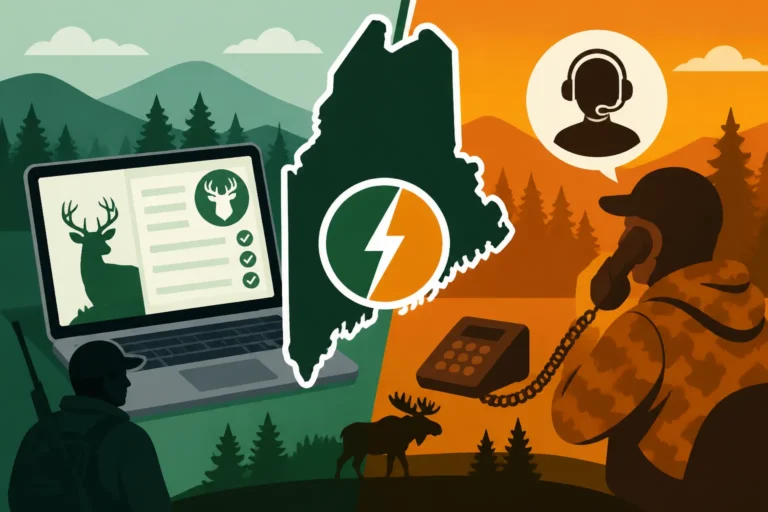
Maine provides several convenient ways for nonresidents to purchase their hunting licenses and turkey permits. For many, the most straightforward and popular method is through the state's online portal. This allows you to purchase your licenses from the comfort of your home, print them out, and be ready to go before you even cross the state line. The online system is generally user-friendly, walking you through the steps from selecting your base license to adding the specific turkey permit. Be sure to check that all your information is accurate before finalizing the purchase.
Alternatively, you can purchase your licenses and permits in person at various authorized agents across the state. These typically include sporting goods stores, some general stores, and town offices. This can be a good option if you prefer a physical interaction, have questions you want to ask a local, or if you simply find yourself in Maine without having purchased your licenses beforehand. Just remember, smaller towns might have limited hours or fewer agents available, so plan accordingly if you choose this route.
Required Documentation for Nonresidents
One of the most common hurdles for nonresident hunters is proving their hunter education compliance. Maine, like most states, requires proof of having completed a recognized hunter education course. If you’ve completed a course in another state or province, Maine generally accepts it through reciprocity. However, you'll need to be able to show documentation of this. This could be your hunter education card, a past hunting license from another state that clearly indicates hunter education completion, or a digital record. It’s always best to carry a physical copy and have a digital backup on your phone.
In addition to hunter education proof, you'll need a valid government-issued photo ID (like a driver's license or passport) and your personal information (name, address, date of birth, etc.). If you've hunted in Maine before, having your previous license information can sometimes streamline the process as well. While the process of Carrying Proof of License on Your Phone is generally accepted, it's always wise to have a physical copy of your licenses and permits in case of technology failure or poor reception in remote areas.
Understanding Application Deadlines and Validity
Unlike some Western states with complex lottery systems for certain big game, Maine's turkey permits are generally available for over-the-counter purchase without a specific application deadline for the permit itself. However, you need to be mindful of the season dates. You can't hunt before the season opens, and you certainly can't hunt after it closes. The key is to purchase your license and permit before you go afield.
Most Maine hunting licenses and permits are valid for the calendar year, meaning they expire on December 31st of the year they were purchased, regardless of when you bought them. This is an important detail, especially if you're planning a late fall hunt and purchase your license early in the spring. It's also critical to distinguish this from specific big game lottery applications, like those for moose, which do have strict application deadlines far in advance of the hunt. For turkeys, it's about being ready before the season opens. To ensure you're squared away, it’s worth reviewing the Maine Spring Turkey Permit Rules and Maine Fall Turkey Permit Rules as soon as you start planning your trip.
Beyond the Permit Cost: Other Considerations for Nonresident Turkey Hunters
While understanding the exact cost of your nonresident turkey permit is a critical first step, it's just one piece of the larger puzzle. A successful and enjoyable nonresident turkey hunt in Maine involves much more than just the license fees. You'll want to consider all the other aspects that go into planning such a trip, from gear to logistics, to truly budget and prepare effectively.
Hunter Education Requirements
We touched on it briefly, but it's worth reiterating: hunter education is non-negotiable for most nonresident hunters. If you were born after January 1, 1974, you must show proof of having successfully completed an approved hunter education course from any state or province. There are exceptions, such as if you held a valid adult hunting license in any state or province prior to January 1, 1974, or if you are hunting under Maine’s Maine Apprentice Hunter License Rules, which allow new hunters to try hunting under the direct supervision of an experienced hunter.
For those needing to complete a course, many states offer online hunter education options, often followed by a field day. Maine also recognizes these courses, provided they meet specific criteria. It's vital to get this sorted out well in advance of your trip, as scrambling to find a course or produce documentation at the last minute can derail your hunt. The Maine Hunter Education Requirements are clearly laid out on the MDIFW website, and it's your responsibility as a hunter to meet them.
Mentored Youth Hunting Opportunities
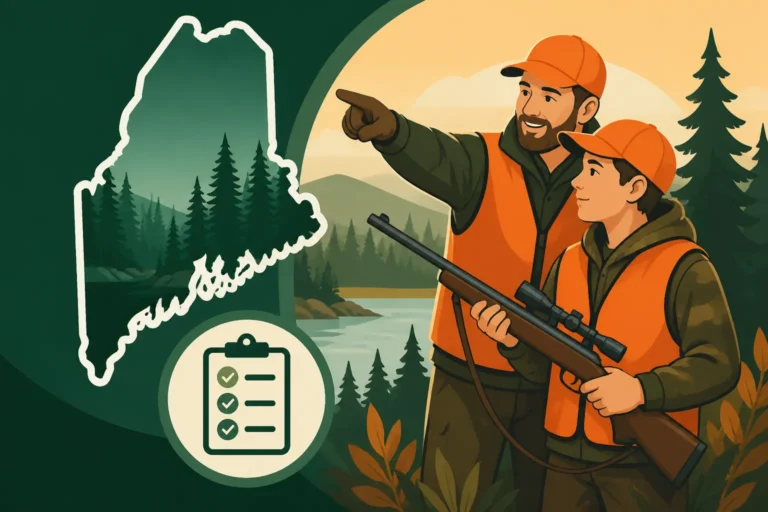
Maine is quite progressive when it comes to introducing the next generation to hunting, offering a great program for mentored youth hunters. If you're a nonresident looking to bring a young aspiring hunter with you, Maine allows youth under the age of 16 to hunt without first completing a hunter education course, provided they are accompanied by a licensed and experienced adult hunter. The adult must be 18 years or older and hold a valid Maine hunting license. The mentor must remain within direct visual and voice contact with the youth at all times while hunting.
This is a fantastic way to share the outdoors and instill hunting ethics in young people without the immediate barrier of a hunter education course. However, even under the mentored youth rules, the adult mentor needs to understand all bag limits and regulations for the youth, including any specific WMD rules. This program is typically outlined in the Maine Youth Deer Hunt Rules, but the principles often extend to other species like turkey. It's a testament to Maine's commitment to preserving its hunting heritage.
Budgeting for a Maine Turkey Hunt
Beyond the permit cost, a nonresident turkey hunt can quickly add up. You’ll want to consider several other categories when planning your budget:
- Travel: This includes gas if you're driving, or flights if you're coming from further away. Don't forget potential tolls or ferry costs if your destination is an island or very remote.
- Lodging: Are you camping, staying in a hotel, or renting a cabin? Prices can vary wildly depending on the season and location. For instance, remote camps in the North Woods will have a different price point than a hotel in a town like Bangor or Augusta.
- Gear: Do you have all the necessary turkey hunting equipment? This could include a shotgun, camouflage, decoys, calls (like those for Calling an Early May Gobbler Off the Roost), a ground blind (perhaps for Brushing In a Blind on a Field Edge), and appropriate clothing for varying Maine weather conditions.
- Food and Supplies: Groceries, restaurant meals, snacks, and any incidental supplies you might need while you're there.
- Guide Services: While not always necessary for turkey hunting, especially on public lands or with good Scouting Maine Private Land Before Season, some nonresidents opt to hire a Booking a Guided Maine Turkey Hunt for their first trip or to access private land. This is a significant additional cost, but it can greatly increase your chances of success and provide invaluable local knowledge.
- Meat Processing/Taxidermy: If you're successful, factor in the cost of processing your turkey and potentially having a mount done if you harvest a trophy bird.
Considering all these elements will give you a much more realistic picture of the total investment for your Maine turkey hunting adventure.
Utilizing Resources for Planning
Effective planning is paramount for a successful nonresident hunt. Beyond the official MDIFW website, there are several resources that can help you understand the landscape, regulations, and where to find birds. Digital mapping applications, like those available through GoHunt, can provide invaluable satellite imagery, property line information (especially useful for Finding Maine Property Lines), and terrain features that can help you identify potential turkey habitat and access points. These tools can highlight changes in vegetation, potential roosting areas, and travel corridors, saving you precious scouting time.
Another excellent resource is online hunting forums and social media groups dedicated to Maine hunting. These platforms often provide real-time information, anecdotal success stories, and general advice from local hunters who are happy to share their knowledge. Just remember to always verify any information with official sources. Finally, don't underestimate the value of simply calling the MDIFW regional offices with specific questions; the wardens and biologists are there to help ensure you have a safe and legal hunt. For specific WMD boundaries and turkey densities, GoHunt's robust mapping features can be incredibly helpful for identifying potential hotspots.
Here's a quick breakdown of typical costs:
| Item | Maine Resident Cost (Approx.) | Maine Nonresident Cost (Approx.) | Notes |
|---|---|---|---|
| Base Hunting License | $26.00 | $115.00 | Required for all hunting activities. |
| Turkey Permit | $10.00 | $20.00 | Valid for spring and fall seasons in the calendar year. |
| Total Minimum Cost | $36.00 | $135.00 | Excludes any additional permits or stamps. |
| Federal Duck Stamp | $25.00 | $25.00 | Required for waterfowl hunting, not turkey. |
| Archery Permit | $14.00 | $44.00 | Required for archery deer hunting, not turkey. |
| Muzzleloader Permit | $14.00 | $44.00 | Required for muzzleloader deer hunting, not turkey. |
Costs are approximate and subject to change by the Maine Department of Inland Fisheries and Wildlife. Always consult the official MDIFW website for the most current pricing.
Remember, a successful hunt often hinges on thorough preparation. GoHunt and similar resources, combined with official state information, can be your best friends in planning. Whether you're planning a full spring hunt hoping to get a gobbler off the roost or a strategic fall hunt focused on Breaking Up a Fall Turkey Flock, being fully informed about costs and regulations will set you up for a great experience in the Maine woods.
Disclaimer
Please note that hunting regulations, license fees, and season dates are subject to change by the Maine Department of Inland Fisheries and Wildlife. This guide is intended for informational purposes only and should not replace consulting the official MDIFW website or contacting the department directly for the most current and accurate information before planning your hunt.