Shipping a Trophy Home From Maine
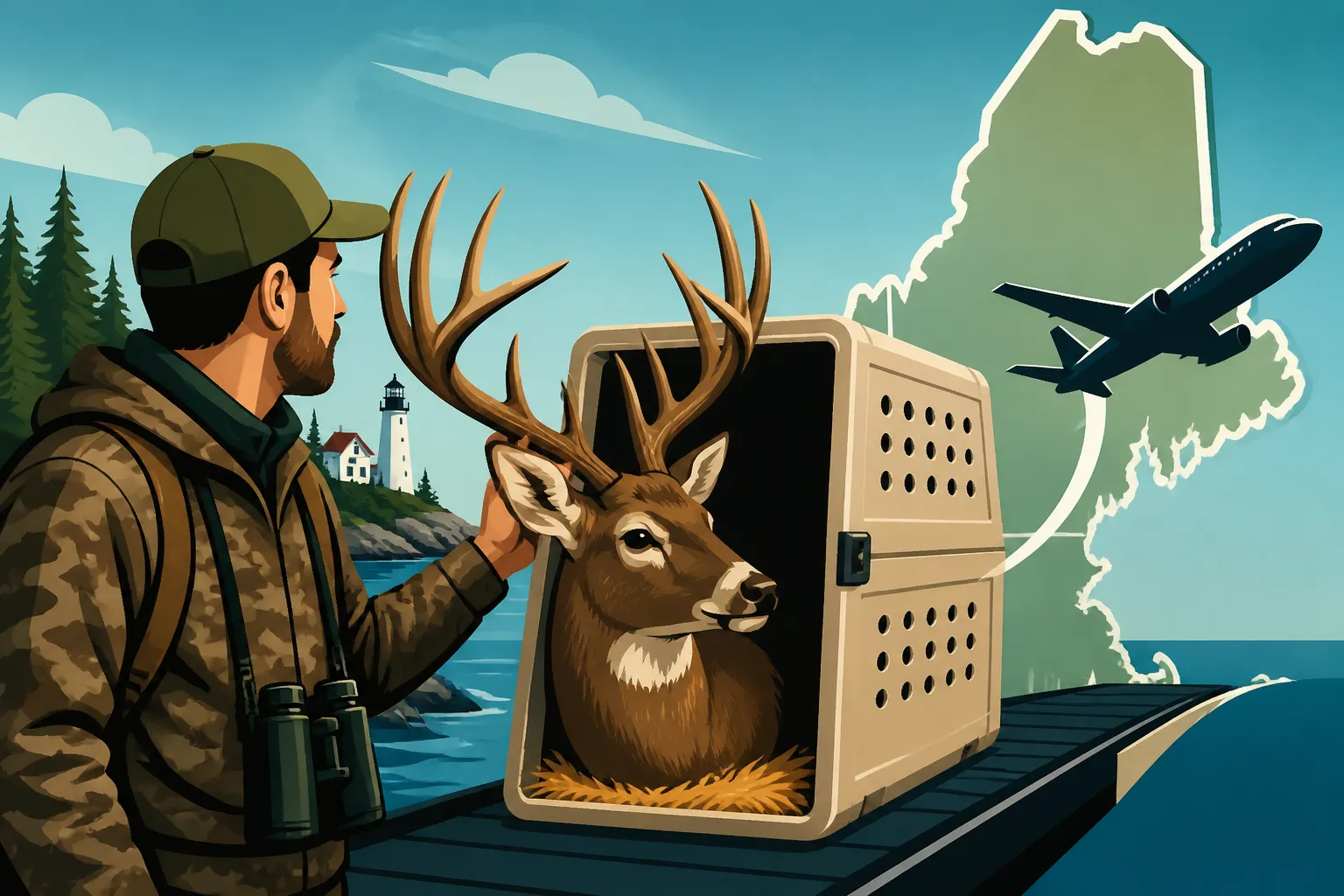
You've just wrapped up an incredible hunt in Maine, maybe a colossal moose, a magnificent whitetail buck, or even a formidable black bear, and the adrenaline is still coursing. That feeling of accomplishment is second to none! But then the reality hits: how do you get this incredible trophy, a testament to your hard work and skill, back home safely and legally? The logistics can quickly transform excitement into a heap of anxiety, especially when you're a long way from home. This guide will meticulously walk you through the entire process of preparing, packing, and shipping your prized Maine hunting trophy, ensuring it arrives in perfect condition, no matter how far away "home" is.
Initial Field Prep: Setting the Stage for a Successful Journey
The journey of your trophy from the Maine woods to your wall begins the moment you make that ethical shot. Proper field preparation isn't just about preserving the meat; it's absolutely critical for ensuring your hide and antlers (or skull) remain in pristine, taxidermy-ready condition. Skimping on these first steps can lead to irreversible damage, and trust me, you don't want to explain to your taxidermist that the hide is "a little off."
Field Dressing and Basic Caping for the Taxidermist
After you've tagged your animal and fulfilled all registration requirements, the first order of business is typically field dressing. This removes heat from the carcass, which is paramount for meat preservation but also a crucial first step for the hide. For caping, which is the process of skinning the head and neck for a shoulder mount, precision here can save your taxidermist a lot of repair work later. Many hunters, especially those from out-of-state, opt for their guide to handle this intricate task. A good Registered Maine Guide will have the experience and proper tools to do it right. If you're tackling it yourself, take your time. You'll want to make relief cuts around the base of the antlers, down the back of the neck, and around the brisket to ensure enough cape material. The goal is to leave plenty of hide for your taxidermist to work with – it’s always easier to cut off excess than to try and add more. Make sure to keep the cape clean, wiping away any blood or dirt immediately. For larger game like moose, this process can be incredibly labor-intensive, and having an extra set of hands or even considering where to get help with Field Dressing a Moose in the North Woods can be a game-changer. For deer, while smaller, the principles remain the same; a clean, careful cape is key, especially if you're dealing with Field Dressing a Deer in Cold Weather.
Temporary Storage and Freezing for Transport
Once the caping is complete, whether you're bringing the hide to a local Maine taxidermist or shipping it home, proper temporary storage is non-negotiable. The number one enemy of a fresh hide is heat and moisture, which quickly lead to hair slippage. After caping, you should immediately salt the hide generously on the flesh side, ensuring every inch is covered. This draws out moisture. Once salted for a good 24-48 hours, you can then fold it up, flesh-to-flesh, and get it into a freezer. Antlers, if you're doing a skull mount or just transporting them, should also be kept clean and dry. For skulls, simmering to clean them is an option, but often freezing them whole (if space allows) is best for later processing by your taxidermist.
It’s often easiest to find a local butcher or processing facility that can freeze your hide and antlers solid. They might even have vacuum sealing capabilities, which is excellent for long-term preservation and preventing freezer burn. If you’re at a remote sporting camp or staying in a hotel with a small freezer, you might be limited. Some hunters carry large coolers and dry ice for this initial transport phase to a proper freezer. Remember, even if you’re only driving a few hours, a well-frozen, salted cape is your best insurance policy against spoilage. Always think ahead about how you'll manage this critical step, especially if you’re staying in a remote part of the North Woods where freezer space might be a premium. Knowing what to do and where to go to ensure the hide is kept in good shape can really relieve some of the stress after the shot.
Navigating the Taxidermy Decision: Maine Local or Home State?
This is often where the first big fork in the road appears for out-of-state hunters. Do you trust your magnificent Maine trophy to a taxidermist here in the Pine Tree State, or do you take on the challenge of getting it back to your trusted taxidermist back home? Both options have their merits and their challenges.
Advantages of Using a Local Maine Taxidermist
Opting for a local Maine taxidermist can often simplify the immediate logistics. You can drop off your hide, antlers, or skull directly from the field, eliminating the need for complex shipping arrangements on your end. Many Maine taxidermists have built stellar reputations for their work on local game, truly understanding the nuances of Maine whitetails, moose, and bear. They often have established relationships with local butchers and guides, making the initial hand-off seamless. For instance, if you've been on a guided hunt booked through a service like BookYourHunt, your guide might even have a preferred local taxidermist they work with regularly, streamlining the process even further.
Furthermore, a local taxidermist is already familiar with Maine's specific game registration laws and potential CWD testing requirements, although Maine currently remains Maine's CWD-Free Status Explained. This familiarity can provide peace of mind regarding compliance. They can handle the entire process from raw cape to finished mount, and then typically arrange shipping the completed trophy to your home state. This means you only deal with one set of logistics – getting the finished product, rather than the raw materials. It's a "set it and forget it" kind of approach, letting you focus on reliving the hunt rather than worrying about frozen hides.
Working with Your Home State Taxidermist from Afar
For many hunters, there’s a deep trust and relationship built with their local taxidermist back home. You know their work, you know their style, and perhaps they’ve mounted other trophies for you. It’s completely understandable to want your Maine trophy to join the others from the same skilled hands. If this is your preference, the primary challenge becomes getting the raw materials (the properly caped hide and antlers/skull) from Maine to your home state in pristine condition.
This means you’ll be responsible for the initial field prep, proper salting, and freezing, as discussed earlier. You'll then need to package it securely for shipping. Communication with your home state taxidermist is key from the moment you decide to use them. They can provide specific instructions on how they prefer the cape prepared, what cuts to make, and how to pack it. Some hunters even coordinate directly with their taxidermist, who might have specific shipping company recommendations or even be able to arrange a pickup from a commercial freezer location in Maine. Using resources like GoHunt to research potential logistical partners, or even just general advice, can be helpful here. Just remember that the responsibility for the condition of the trophy when it arrives falls squarely on your shoulders.
The Logistics of Shipping: Permits, Packaging, and Carriers
Once you’ve decided who will do the taxidermy, the actual shipping of either the raw trophy components or the finished mount becomes the next hurdle. This phase is where many hunters, especially those new to out-of-state hunting, get tripped up. Don’t underestimate the details here; proper handling prevents costly mistakes and potential legal issues.
Essential Permits and Documentation for Interstate Transport
Transporting wildlife across state lines, whether it's raw or finished, isn't as simple as mailing a package. You are legally required to have proper documentation proving legal harvest. In Maine, this means your tag, registration certificate, and your hunting license. When you register your deer or moose, ensure you get all necessary paperwork. Keep multiple copies, both digital and physical, in a waterproof bag. It's not just about getting it out of Maine; some states have import requirements for wildlife, especially concerning Chronic Wasting Disease (CWD), even though Maine is CWD-free. While Maine doesn't have CWD, other states might still require specific documentation or even restrict certain parts (like brain or spinal tissue) from being imported. Always check the regulations of your destination state before shipping.
When dealing with migratory birds, like a magnificent sea duck you harvested off the coast, additional federal permits might come into play, specifically your Federal Duck Stamp and HIP certification. Even for antlers, if you're shipping them separately, a copy of your tag and registration should accompany them. This foresight ensures you avoid any unexpected delays or fines from wildlife officials during transit. Think of it like carrying your passport when crossing international borders – you wouldn't leave home without it.
Packing Your Trophy for the Long Haul
Whether you're shipping a frozen cape and antlers or a finished mount, the packing process is critical for protection. For frozen capes, they need to be rock-solid frozen and then placed in heavy-duty plastic bags, often double-bagged to prevent any leakage as it thaws, which it inevitably will slightly during transit. These bags then go into a sturdy, insulated shipping container – a heavy-duty cooler or an insulated cardboard box designed for shipping perishables. Dry ice can extend the frozen period significantly, but it requires special handling and labeling for shipping, as it’s considered a hazardous material by some carriers.
For antlers, especially large moose antlers, crating is almost always necessary. A custom-built wooden crate provides the best protection. Pad any vulnerable points and secure the antlers so they don't shift inside the crate during transit. For finished mounts, professional taxidermists typically use custom-fitted wooden crates filled with foam or other protective padding. The goal is to prevent any movement, rubbing, or impact that could damage the delicate features of the mount.
Here's a quick comparison of packing methods:
| Trophy Component | Preferred Packing Method | Key Considerations |
|---|---|---|
| Raw Cape (Frozen) | Double-bagged, insulated cooler/box | Dry ice (handle with care), leak-proof, solid freeze |
| Antlers/Skulls | Sturdy wooden crate, ample padding | Prevent movement, protect fragile points |
| Finished Mount | Custom wooden crate, fitted foam/padding | No internal movement, protect delicate features |
Choosing a Reputable Shipping Carrier
This is where your research really pays off. For raw capes and antlers, you're looking for carriers that handle perishable goods or oversized freight. UPS and FedEx Freight often have services for this, but you must declare the contents accurately and follow all their specific packing and labeling guidelines. Do not try to sneak a frozen hide through standard parcel services; it will likely be confiscated or delayed, spoiling your trophy. Specialized wildlife shipping companies or refrigerated freight services are often the best bet, though they can be more expensive. They are experienced in handling sensitive cargo and adhering to all relevant regulations. Some taxidermists have preferred carriers or can even arrange shipping for you, which can be a huge time and headache saver.
For finished mounts, most taxidermists will arrange shipping through art and antique movers or specialized freight companies that handle delicate items. These companies understand the value and fragility of a taxidermy mount and will ensure it’s properly insured and handled with care. Always get a tracking number, and if possible, choose a service with temperature control for raw hides to prevent excessive thawing, although this can be quite pricey. Whether it's a finished mount or raw materials, remember that you're shipping a piece of art and a valuable memory. Don't cheap out on the shipping – the cost of repairing damage or replacing a lost trophy far outweighs the savings. A trusted guide, perhaps found on platforms like BookYourHunt, can often provide invaluable advice on local shipping services or contacts who specialize in this.
Cost Considerations and Potential Pitfalls
Let's be realistic: getting a trophy home isn't a cheap endeavor. Beyond the hunt itself, there are several layers of expenses that accumulate. Understanding these costs upfront helps you budget and avoid unpleasant surprises.
Breaking Down the Expenses
The total cost of shipping a trophy home can vary wildly based on the size of the animal, the type of mount, your choice of taxidermist, and the distance it needs to travel. Here’s a breakdown of common expenses:
- Taxidermy Fees: This is often the largest single cost. Whether you use a Maine taxidermist or one back home, expect to pay for the artistry involved. Prices vary by species and mount type (shoulder, full body, rug). Processing Meat Near a North Woods Camp might be a separate cost to consider if you're having the meat handled locally as well.
- Field Prep/Caping Services: If your guide performs detailed caping beyond basic field dressing, there might be an additional fee. Some butchers also offer this service.
- Salting/Freezing/Crating: Costs for professional salting, freezing, and building a custom crate for raw components or antlers will add up.
- Shipping for Raw Materials: This includes insulated containers, dry ice, and the carrier fees for sending a frozen cape and antlers. This can range from a few hundred dollars for a deer cape to well over a thousand for a moose.
- Shipping for Finished Mount: If your taxidermist ships the completed mount, these costs will be factored into their final bill. Specialized freight for delicate items is typically more expensive than standard parcel services.
- Permit Fees (if applicable): While Maine itself might not charge an export fee, if your destination state has an import permit or inspection fee, factor that in.
It's wise to get detailed quotes from your chosen taxidermist and potential shipping companies early in the planning process. Don't be afraid to compare options. Many hunters use platforms like GoHunt not just for hunt planning but also to seek advice from other hunters on logistical challenges and cost-saving tips for post-harvest needs. Always get everything in writing to avoid any misunderstandings.
Protecting Your Investment: Insurance and Contingency Plans
Your trophy isn't just a piece of decor; it's a priceless memory. Losing it or having it damaged during transport would be devastating. This is where insurance and contingency planning come into play. When shipping, always ensure your package is adequately insured for its replacement value. If using a taxidermist to ship the finished mount, confirm their insurance coverage and what it entails. Ask questions like: "What happens if the mount is damaged?" or "What is the claims process?"
A robust contingency plan also means having backup contact information for everyone involved: your guide, the local butcher/freezer service, the taxidermist, and the shipping company. What if your flight is delayed and you can't pick up the frozen hide as planned? What if the shipping company reroutes your package? Having clear communication channels and knowing who to call can make a stressful situation much more manageable. Think about potential weather delays, especially if shipping during extreme heat or cold. These factors can impact transit times and the integrity of a frozen cape. Your Maine Deer Registration Requirements and other harvest documentation are also part of this protection; ensure you have copies both with the shipment and separate, in case the original documents are lost. The peace of mind that comes from knowing you've thought through these possibilities is invaluable when you're celebrating your success.
Disclaimer
This article is for general informational purposes only and does not constitute professional advice. Laws, prices and regulations vary by location and change over time. Consult a qualified professional for guidance on your specific situation.