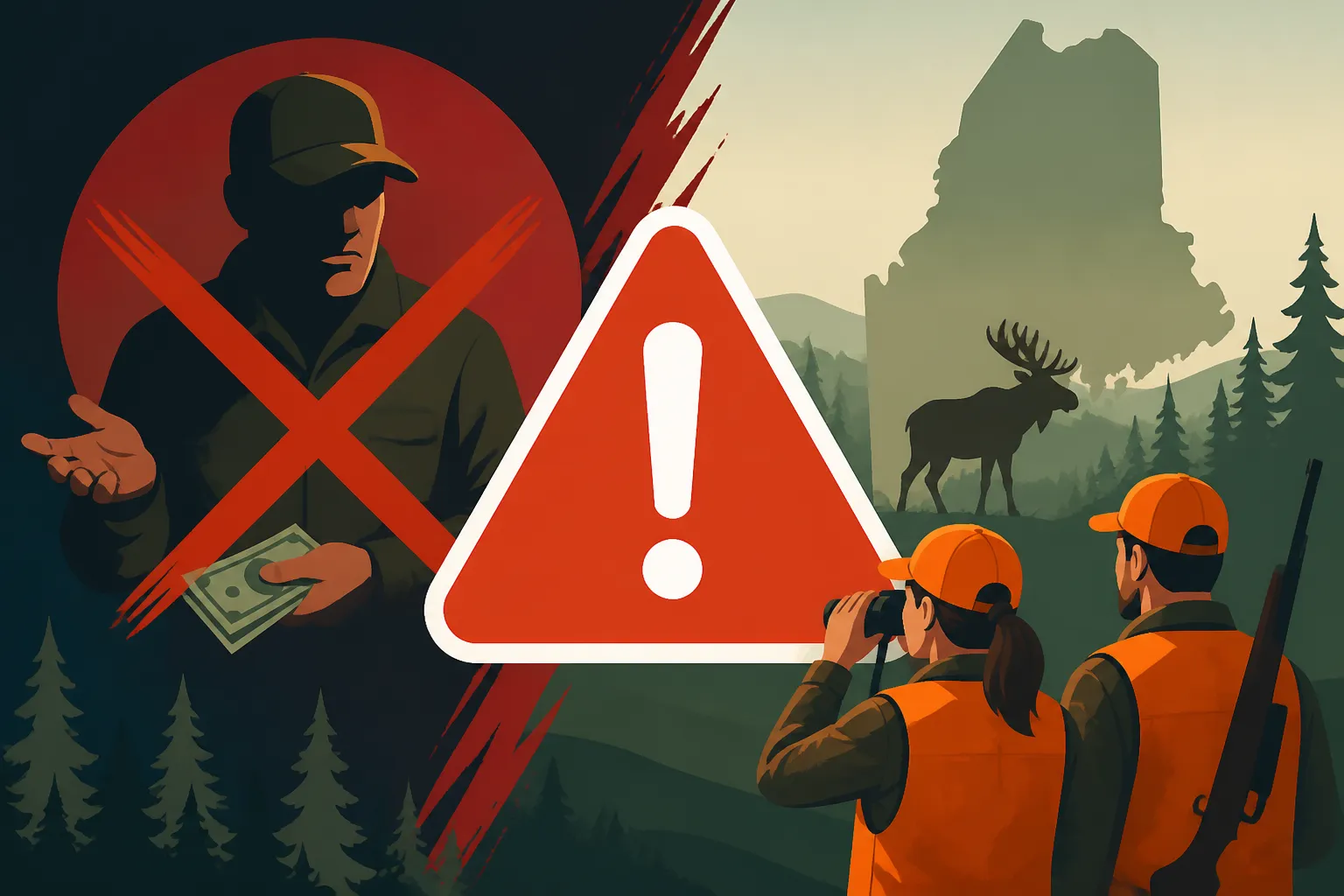
Warning Signs of an Unlicensed Maine Outfitter
Oh boy, heading out on a Maine hunting trip is often the culmination of months, sometimes years, of dreaming and planning. You've pictured yourself deep in the North Woods, calling in a gobbler, or sitting on a coastal ledge waiting for sea ducks. But nothing can spoil that dream faster than realizing you've put your trust and hard-earned money into an unlicensed outfitter. It's a frustrating, often costly, and sometimes dangerous mistake that many hunters don't even realize they're making until it's too late. This guide is all about equipping you with the knowledge to spot the warning signs and protect your hunt, your wallet, and your peace of mind.
Understanding Maine's Guiding Regulations
When you're planning a trip to the vast woods and waters of Maine, you might encounter all sorts of folks offering to take you hunting or fishing. While many are honest, dedicated outdoorspeople, the reality is that anyone offering to guide for hire in Maine is required to hold a specific license: they need to be a Registered Maine Guide. This isn't just a fancy title; it's a legal designation that carries significant responsibilities and, frankly, protects you, the client.
Why Licensing Matters
Think of it this way: you wouldn't hire an unlicensed electrician to rewire your house, right? Or an unlicensed doctor to perform surgery? While hunting might seem less critical on the surface, the truth is, a guide is responsible for your safety in potentially remote and challenging conditions, for ensuring you hunt legally, and for delivering the experience you've paid for. An unlicensed guide operates outside the law, without any oversight from the state's regulatory bodies. This means they often lack proper training in first aid, wilderness survival, navigation, and state hunting regulations. If something goes wrong—an injury, a lost hunter, or even a run-in with a game warden over an illegal activity—you have little to no recourse. Your entire trip could be jeopardized, and you could even face legal consequences yourself for participating in an illegal guided hunt. It’s a gamble that's simply not worth taking when you consider the potential downsides.
Furthermore, an unlicensed guide often doesn't carry the necessary liability insurance. If you get hurt on their watch, or if your property is damaged, you could be left footing the bill for medical expenses or replacements. Reputable, licensed guides invest in this insurance precisely because they understand the inherent risks of outdoor activities and want to protect their clients. For an in-depth look at what goes into becoming an official guide, check out How to Become a Registered Maine Guide.
What a Registered Maine Guide Is
A Registered Maine Guide isn't just someone who knows the woods well. They are individuals who have met strict requirements set by the Maine Department of Inland Fisheries and Wildlife (MDIFW). This includes passing written and oral exams covering extensive knowledge of Maine's hunting and fishing laws, wildlife identification, woodcraft, water safety, first aid, and emergency procedures. They also undergo background checks and must carry appropriate insurance.
There are different categories of Maine Guides, too, such as Hunting, Fishing, Recreation, and Sea Kayaking. A guide specializing in hunting, for example, has demonstrated specific expertise in hunting techniques, game species, and all the regulations pertaining to them. When you hire a Registered Maine Guide, you're not just paying for their knowledge of where the deer are; you're paying for their proven competence, their commitment to safety, and their adherence to the law. It’s a quality assurance stamp that provides a level of comfort and security that an unlicensed individual simply cannot offer. Understanding the specifics of this credential can help you make an informed decision when booking your next adventure; you can learn more by reading What a Registered Maine Guide License Requires.
Red Flags in Their Communication and Online Presence
In today's digital age, even the most backwoods guide usually has some form of online presence or communicates primarily through email and phone. This interaction, or lack thereof, can be a major indicator of their legitimacy. Pay close attention to how they present themselves and what information they readily share—or withhold.
Vague or Missing License Information
One of the most telling signs of an unlicensed outfitter is their reluctance or inability to clearly state their Registered Maine Guide license number. A legitimate guide is proud of their credentials and will often display their license number prominently on their website, business cards, and even in email signatures. If you're sifting through potential outfitters and find one that's elusive about their licensing, or uses vague terms like "experienced outdoorsman" instead of "Registered Maine Guide," consider that a significant red flag.
When you ask directly, a licensed guide will provide their license number without hesitation, understanding that it's a necessary step for client verification. An unlicensed individual, on the other hand, might deflect, get defensive, or claim it's "not important for a small operation." Don't fall for these excuses. Your safety and legal standing are absolutely important, and a guide’s license is fundamental to both. Many reputable services like BookYourHunt or GoHunt work diligently to verify their listed guides, but even then, it's always smart to double-check independently.
Poor Online Footprint or Suspicious Reviews
In our connected world, most legitimate businesses, including hunting outfitters, have some form of professional online presence. This usually includes a dedicated website, social media pages, or listings on reputable booking platforms like GoHunt. A complete lack of an online footprint, or a very poorly constructed one with broken links, generic photos, or inconsistent information, should raise an eyebrow. It suggests a lack of professionalism and transparency.
Even more critical are the reviews. If an outfitter has no reviews at all, or only a handful of overly enthusiastic, vaguely worded reviews that seem too good to be true, proceed with caution. Be wary of reviews that avoid mentioning specific guide names or license numbers. Conversely, look out for a pattern of negative reviews, especially those that mention issues with safety, legal compliance, or clients feeling misled. It’s not uncommon for legitimate businesses to have a few mixed reviews, but a consistently problematic pattern is a definite warning. Take the time to really scrutinize what previous clients are saying, or not saying, about their experiences.
Unusually Low Prices or "Too Good to Be True" Deals
Everyone loves a good deal, but when it comes to guided hunts, a price that seems significantly lower than the competition should trigger your alarm bells. There's a reason reputable guides charge what they do: it covers their extensive training, insurance, equipment maintenance, fuel, scouting time, and often years of invested knowledge in a particular area. When an outfitter is dramatically undercutting standard rates, it’s worth asking how they're able to do so.
Often, it’s because they're cutting corners on legal requirements like licensing and insurance, which are significant overheads for legitimate operations. They might be operating on a shoestring budget, using substandard equipment, or simply offering a subpar, potentially illegal, experience. While it's tempting to save a few dollars, remember the old adage: "you get what you pay for." A bargain price could very well mean you're sacrificing safety, legality, and the quality of your entire hunting adventure. When you see a "deal" that seems too good to be true, it almost always is. Research What a Guided Maine Deer Hunt Costs or Average Cost of a Guided Bear Hunt typically runs to gauge legitimacy.
Questionable Practices During Booking and Planning
The process of booking your hunt should be clear, professional, and reassuring. Any deviation from standard business practices can signal that you're dealing with someone who isn't operating above board. This is where your financial commitment is made, so due diligence here is paramount.
Demanding Cash-Only Payments or Large Upfront Deposits
While some smaller, legitimate guides might prefer cash for certain payments, an insistent "cash-only" policy, especially for large upfront deposits, is a major warning sign. This practice can be a tactic to avoid leaving a paper trail, which is often favored by unlicensed operators who want to fly under the radar. Reputable outfitters usually accept various forms of payment, including checks, credit cards, or online transfers, offering you a secure and traceable record of your transaction.
Furthermore, be cautious about demands for unusually large upfront deposits, especially those that are non-refundable and not clearly detailed in a contract. While deposits are standard practice to secure bookings, they should be reasonable and clearly outlined in terms of what they cover and under what circumstances they are refundable or transferable. A legitimate guide will want to protect their business, but they'll do so through clear, professional terms, not by pressuring you into untraceable payments. Be sure to understand Maine Deer Hunt Deposit Requirements before committing funds.
Lack of Formal Contract or Itinerary
A professional outfitter will always provide a detailed contract or booking agreement outlining the terms of your hunt. This document should specify dates, services included (lodging, meals, transportation, guide services), payment schedules, cancellation policies, and liability waivers. It protects both you and the guide by clearly setting expectations and responsibilities. If an outfitter prefers to handle everything with a handshake and vague verbal promises, walk away. This lack of formal documentation leaves you vulnerable if any disputes arise or if they fail to deliver on their promises.
Equally important is a clear itinerary. While plans can always change due to weather or wildlife movement, a legitimate guide will provide a general schedule for your trip, detailing daily activities, meeting points, and what you should expect. A lack of specific plans or a reluctance to provide details about the structure of your hunt is another red flag. It can indicate disorganization, inexperience, or a deliberate attempt to keep their operations opaque. When vetting a potential guide, always insist on written documentation for your booking. Learning Questions to Ask a Maine Outfitter can prepare you for these crucial conversations.
Inability to Provide References or Proof of Insurance
Any established, professional guide or outfitter should be able to provide you with references from past clients who can speak to their experience, professionalism, and success rates. If they hesitate, claim privacy issues, or simply cannot provide any client testimonials beyond what might be on their website, that's a serious concern. Personal references are invaluable for verifying a guide's reputation and the quality of their service.
Even more critical is proof of insurance. As mentioned earlier, liability insurance protects both you and the guide in case of an accident. A legitimate guide will carry this and should be able to provide proof of coverage if requested. An unlicensed operator will almost certainly not have this, leaving you completely exposed to financial risk if an injury occurs. Never rely on verbal assurances; always ask for tangible proof of both references and insurance before committing to any booking. It’s a foundational aspect of Vetting a Maine Hunting Outfitter.
What to Do If You Encounter a Suspect Outfitter
Discovering that an outfitter might be unlicensed can feel disheartening, especially if you've already invested time and emotion into planning your hunt. However, it's crucial to act decisively to protect yourself and to contribute to the integrity of Maine's guiding industry.
Verifying a Guide's Credentials
The first and most important step is to verify their credentials directly. Don't just take their word for it. The Maine Department of Inland Fisheries and Wildlife (MDIFW) maintains a public database of all Registered Maine Guides. This is your go-to resource.
You can usually find a guide verification tool on the MDIFW website, or by contacting them directly. You'll typically need the guide's full name and possibly their license number. If their name doesn't appear in the database, or if the license number they provided doesn't match, you have confirmed your suspicion: they are likely operating without a legal license. This simple step can save you a world of trouble. Remember, a legitimate guide will welcome your diligence; an unlicensed one will try to make you feel like you're being overly suspicious. Platforms like BookYourHunt also often display guide credentials, providing an extra layer of confidence, but direct verification with the state is always the gold standard.
Reporting Suspected Unlicensed Activity
If you confirm that an individual is operating as a guide without a valid Maine license, it's important to report them. This isn't about being punitive; it's about protecting future hunters, upholding the law, and maintaining the high standards of Maine's guiding community. Unlicensed guiding undermines the professionalism of legitimate guides who have invested time, money, and effort to comply with state regulations.
You can report suspected unlicensed activity directly to the Maine Department of Inland Fisheries and Wildlife. They have wardens and enforcement personnel who investigate such claims. When reporting, provide as much detail as possible: the individual's name, contact information, website or social media presence, dates of proposed trips, and any evidence you have of them offering guiding services for compensation. Your anonymous tip can prevent others from falling victim to scams or unsafe practices. This is an important part of ensuring that Maine remains a safe and enjoyable destination for all hunters, and you can find more information on how to alert authorities by looking into Reporting a Poacher in Maine, which covers general wildlife violations.
By taking these steps, you not only safeguard your own hunting adventure but also contribute to the responsible and legal operation of the guiding industry in the great state of Maine.
Disclaimer
This article is for general informational purposes only and does not constitute professional advice. Laws, prices and regulations vary by location and change over time. Consult a qualified professional for guidance on your specific situation.