The Maine Resident-Only Day Explained
The first crack of dawn on a Saturday in late October, when the woods are finally open to residents for deer hunting before the main firearms season kicks off, is a feeling many of us cherish. It's a day often misunderstood, where folks worry about accidentally breaking a rule or not making the most of this exclusive opportunity. This guide is here to unravel all the details about the Maine Resident-Only Day, ensuring you understand its purpose, eligibility, and how to make it a successful and ethical part of your hunting season.
Understanding Maine's Resident-Only Deer Day
For many Mainers, this special day is more than just an extra day in the woods; it’s a tradition, a right, and a quiet nod to the deep-rooted hunting heritage we share. It’s a chance to pursue whitetails with less pressure from out-of-state hunters and often with crisp, early fall conditions. Understanding the nuances of this day is key to enjoying it fully.
What is the Resident-Only Day and When Does It Happen?
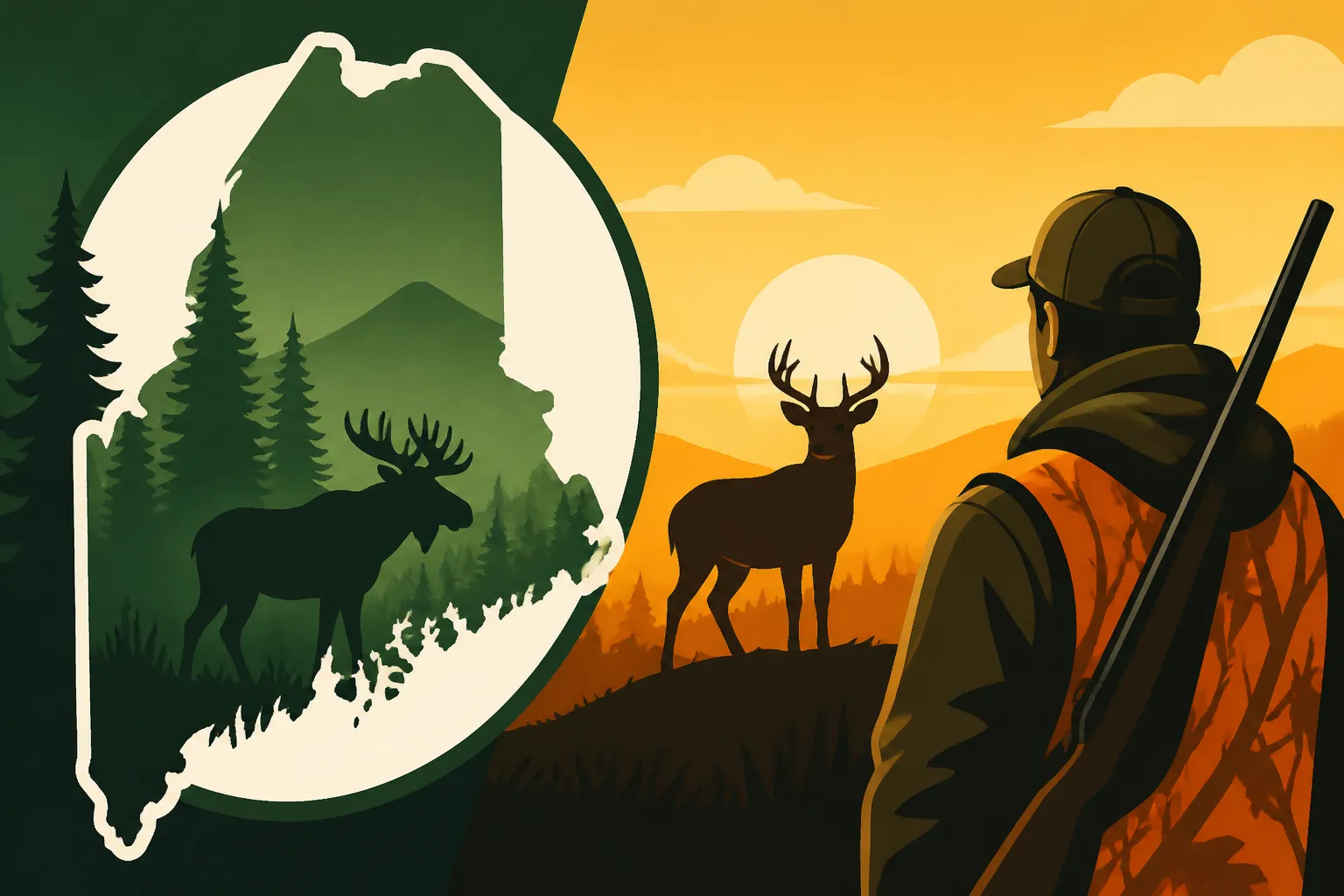
The Maine Resident-Only Day is a designated Saturday set aside annually, typically the last Saturday in October, exclusively for Maine residents to hunt deer with firearms. This day serves as a precursor to the general firearms season, which traditionally opens the following Monday for both residents and non-residents. It’s a full day, from half-hour before sunrise to half-hour after sunset, just like any other legal hunting day. For example, if October 26th falls on a Saturday, that would likely be the day. It’s not a full weekend, just that one specific Saturday, making it a truly unique opportunity. This special allowance means that for that single day, the woods are populated solely by those of us who call Maine home, creating a distinct atmosphere that many residents greatly appreciate. It’s a short window, so knowing the exact date, which you can always confirm with the Maine Department of Inland Fisheries & Wildlife (MDIFW) regulations, is crucial for planning.
The Rationale Behind This Special Hunt
Why does Maine have a Resident-Only Day for deer hunting? The primary reason is to provide an exclusive opportunity for resident hunters. It's a recognition of the significant contributions Maine residents make to the state's conservation efforts and economy throughout the year. It allows us to get out there a little earlier, sometimes before significant hunting pressure builds up, and connect with the land in a way that feels distinctly ours. This day can also help spread out hunting pressure, even if slightly, before the full influx of hunters arrives for the regular Maine's Four-Week Firearms Deer Season. It’s about more than just giving residents an extra day; it fosters a sense of community and stewardship among those who live here year-round, contributing to the health of our deer herd and local economies. It’s a nod to the fact that we pay our taxes, our licenses, and our time to manage these resources.
Historical Context and Evolution
The concept of a resident-only day isn't new, but its specific implementation and the reasons behind it have evolved over time. Historically, many states, including Maine, have sought ways to balance access for both resident and non-resident hunters while prioritizing their own citizens. The Resident-Only Day emerged as a way to do just that, offering a tangible benefit to residents without significantly impacting the overall deer harvest goals or the economic benefits brought by non-resident tourism during the full season. It reflects a long-standing tradition of valuing local engagement in wildlife management. Over the years, this day has become deeply ingrained in the hunting culture of Maine, cherished by generations of hunters as a unique kick-off to the much-anticipated deer season. It's a testament to the MDIFW's commitment to its resident hunters, ensuring they have a special moment in the woods to call their own.
Eligibility and Regulations for the Resident-Only Day
Understanding who can hunt and under what rules is paramount. There’s nothing worse than heading out with excitement only to realize you’ve misunderstood a crucial detail. This section breaks down everything you need to know to hunt legally and ethically on Resident-Only Day.
Who is Eligible to Participate?
To participate in the Maine Resident-Only Day, you must hold a valid Maine resident hunting license. This means you have to meet the state's residency requirements, typically involving living in Maine for a certain period and demonstrating intent to make Maine your permanent home. For new residents, it’s crucial to understand these rules before purchasing a Maine Resident License Options. Your proof of residency might be checked, so always carry proper identification along with your hunting license. Youth hunters who are residents can also participate, often under specific mentorship guidelines if they haven’t completed hunter education. Remember, this day is strictly for residents, so non-residents, even if they own property in Maine, are not permitted to hunt deer with firearms on this particular Saturday. If you're unsure about your residency status, it's always best to contact MDIFW directly to clarify.
Permitted Weapons and Bag Limits
On the Resident-Only Day, hunters are permitted to use legal firearms for deer hunting, just as they would during the general firearms season. This typically includes rifles, shotguns, and muzzleloaders, provided they meet specific caliber and gauge requirements outlined in the state regulations. While archery season usually precedes this, crossbows also fall under the firearms regulations for this day, provided the hunter is properly licensed for their use.
Regarding bag limits, the Resident-Only Day adheres to the standard deer bag limit for the year, which is generally one deer per hunter. This could be an antlered buck or, if you possess a valid Any-Deer Permit for the specific Wildlife Management District (WMD) you are hunting in, an antlerless deer. It’s important to remember that this day does not grant an additional deer tag; it simply opens the season earlier for residents. You must still adhere to the Maine Deer Registration Requirements after harvesting an animal. Always double-check the current year's regulations for any changes, especially concerning WMD-specific antlerless permits.
Here’s a quick comparison of the Resident-Only Day versus the main Firearms Season:
| Feature | Maine Resident-Only Day (Typically Last Saturday of Oct) | General Maine Firearms Season (Starts the Following Monday) |
|---|---|---|
| Eligibility | Maine Residents ONLY | Maine Residents AND Nonresidents |
| Permitted Weapons | Legal firearms (rifle, shotgun, muzzleloader, crossbow) | Legal firearms (rifle, shotgun, muzzleloader, crossbow) |
| Bag Limit | One deer (buck or antlerless with permit) | One deer (buck or antlerless with permit) |
| Antlerless Permits | Required as per WMD rules | Required as per WMD rules |
| Hunting Pressure | Generally lower, primarily local hunters | Higher, with influx of non-resident hunters |
| Key Advantage | Early access, potentially less disturbed deer | Extended season duration |
| Focus | Exclusive resident opportunity | General deer hunting |
Important Rules and Restrictions to Remember
Beyond eligibility and weapon types, there are other critical rules to keep in mind. All standard hunting regulations apply, including blaze orange requirements, which mandate wearing specific amounts of hunter orange clothing while hunting. You also need to be aware of safety zones around dwellings and public roads, as well as rules regarding hunting from vehicles or public ways. It's not a free-for-all; it's a regulated hunting day. Additionally, the rules regarding tagging and transportation of harvested deer are the same as any other season. You cannot hunt on Sunday in Maine, so even if the Resident-Only Day is on a Saturday, the following Sunday remains off-limits for hunting. Consult the official MDIFW hunting law book every year; ignorance of the law is never an excuse. Even if you're a seasoned hunter, a quick glance at the current regulations can prevent an unintended violation. Platforms like GoHunt often update their resources to reflect the latest state regulations, making it easier to stay informed.
Strategic Advantages and Considerations for Maine Residents
This exclusive day offers unique opportunities, but also requires thoughtful planning to make the most of it. Many hunters view it as a prime chance to tag a deer before the general season pressure increases.
Maximizing Your Chances on This Unique Day
The Resident-Only Day often provides a slightly less pressured environment. Deer might be less wary, not having been pushed by a significant number of hunters yet. This can be a huge advantage, especially for still-hunters or those who prefer to scout and set up in less disturbed areas. It’s a great day to focus on areas that will see heavy pressure later in the season, such as logging roads or popular public access points. You might find deer still in more predictable patterns, perhaps still focused on late-season food sources before the first real snows hit. If you’ve been doing your homework and scouting, this is your chance to capitalize on that information before others move in. Consider hunting a funnel between two woodlots or a thick cedar swamp edge where deer might be bedding. This early access can be particularly fruitful if you're targeting a specific buck you've been monitoring, as their patterns might still be relatively undisturbed.
Scouting and Preparation for Success
Preparation is paramount, even for just one day. Treat this day like opening day of any season. This means scouting well in advance. Look for fresh deer sign, recent rubs and scrapes, and active feeding areas. Understanding Where Maine Bucks Bed in Big Timber or which food sources are hot at that specific time of year can make all the difference. Many hunters utilize mapping apps like GoHunt or the Scouting With the Maine Hunting App to pinpoint property lines, identify potential pinch points, and understand topography. This digital scouting, combined with boots-on-the-ground reconnaissance, gives you the edge. Ensure your gear is ready, your rifle is sighted in, and you know your chosen hunting area intimately. Knowing your entry and exit routes, especially if you’re planning to Hanging a Stand on a Private Land Field Edge, is critical. Remember, this isn't just a practice run; it's a serious hunting opportunity.
Ethical Hunting Practices and Respecting Land
While it's a day for residents, the principles of ethical hunting remain unchanged. Always respect private property boundaries. Maine has a strong tradition of implied permission on unposted land, but if land is clearly posted, you need permission. Even on public land or land managed by timber companies, showing respect for the environment and other users is key. This means packing out what you pack in, being mindful of noise, and, most importantly, making clean, ethical shots. Recovering your game diligently is a non-negotiable part of hunting, and knowing how to Blood Trailing After Dark in Maine can be a crucial skill, especially if you hit a deer late in the day. Our behavior on this day reflects on all Maine hunters, so let's set a positive example. Remember, access to hunting land is a privilege, not a right, and maintaining good landowner relations is vital for the future of hunting in Maine.
Common Questions and Misconceptions
Despite its long-standing presence, the Maine Resident-Only Day can still generate questions and sometimes, outright misunderstandings. Let’s clear up some of the most frequent queries.
Clarifying Residency and License Requirements
One of the biggest areas of confusion often revolves around what truly constitutes a "Maine Resident" for hunting license purposes. Simply owning property in Maine or visiting frequently does not make you a resident in the eyes of the law. You typically need to maintain a permanent home here for a specified period (often at least three months prior to applying for a license), register your vehicles here, pay Maine income taxes, and generally establish Maine as your primary domicile. If you're a college student, military personnel, or have dual residency, the rules can get a little more intricate, so always check the MDIFW website or call them directly. Furthermore, possessing a valid Maine Hunter Education Requirements certificate is mandatory for most hunters born after January 1, 1964, regardless of residency, so don't forget that crucial piece of paperwork. The license year in Maine runs from January 1st to December 31st, so ensure your license is current for the fall season.
Addressing Common Misunderstandings About the Hunt
A common misconception is that the Resident-Only Day offers an additional deer tag, separate from the season limit. As we covered, this is not true; it’s an earlier opportunity to fill your regular season tag, not a bonus tag. Another misunderstanding is regarding weapon types; some new hunters might mistakenly think it’s an archery-only day, but it is indeed open to firearms. Others might assume it’s a statewide free-for-all on deer, but all WMD-specific antlerless permit rules still apply, meaning if you don't have an Any-Deer Permit for your zone, you can only harvest an antlered deer. Finally, always remember the Sunday hunting ban in Maine. No matter how good the sign or how clear the weather, the woods are closed to Sunday hunting. This includes the day immediately following the Resident-Only Saturday. Planning your hunt and adhering to all regulations will ensure a safe, legal, and enjoyable experience. Using up-to-date resources like the official MDIFW regulations and the information available through platforms like GoHunt can help dispel these myths and keep you on the right side of the law.
Disclaimer
Please remember that hunting regulations can change annually. Always consult the official Maine Department of Inland Fisheries & Wildlife (MDIFW) hunting law book and website for the most current and accurate information before heading afield. This guide is for informational purposes only and does not supersede state regulations.