Hunting the Allagash Wilderness Waterway
For many of us, the idea of a true wilderness hunt in Maine conjures images of endless forests, remote waterways, and game that has rarely seen a human. But actually planning and executing such a trip can feel like an insurmountable challenge, especially when trying to understand the myriad regulations and logistics of a place as vast and untamed as the Allagash Wilderness Waterway. This guide aims to demystify the process, offering a comprehensive look at what it takes to successfully hunt in one of Maine’s most iconic wild places, from understanding its unique environment to navigating its rules and making the most of your adventure.
Understanding the Allagash Wilderness Waterway's Unique Landscape
The Allagash Wilderness Waterway, often simply called the "Allagash," isn't just a river; it's a 92-mile corridor of lakes, ponds, rivers, and streams that cuts through some of the most remote country in Maine. This nationally recognized natural treasure is managed to preserve its wild character, meaning human impact is minimized, and the landscape remains largely untamed. For a hunter, this translates to an incredible opportunity for solitude and an authentic backcountry experience, but it also presents unique challenges.
The Vastness and Remote Nature
Stepping into the Allagash is like stepping back in time. You won't find bustling towns, grocery stores, or gas stations along much of its length. What you will find are miles upon miles of dense forest, interconnected waterways, and a profound sense of isolation. This remoteness is a double-edged sword: it’s precisely why the hunting is so special, but it also demands a higher level of self-sufficiency, preparedness, and navigation skill. The sheer scale can be daunting; understanding the lay of the land, with its numerous inlets, islands, and dense timber, is crucial. Losing your way isn't just an inconvenience here; it can be genuinely dangerous without proper planning and equipment. You'll quickly learn that a good topographical map and compass, or a reliable GPS unit loaded with detailed mapping like what you'd find on onX Hunt, are not just helpful, they are absolutely essential.
Imagine yourself poling a canoe up a small tributary, the only sounds being the dip of your paddle and the rustle of leaves in the wind. There’s no cell service, no distant hum of traffic, just you and the wild. This is the Allagash. The vastness means game often isn't pressured in the same way it might be closer to more populated areas, but it also means finding that game requires more effort, more tracking, and a deeper understanding of wilderness signs. It's a place where you truly become part of the landscape rather than merely observing it.
Key Habitat Types and Their Influence on Game
The Allagash corridor boasts a diverse array of habitats, each playing a critical role in supporting the region's wildlife. You'll encounter sprawling boreal forests dominated by spruce and fir, particularly in the northern sections, which provide thick cover for deer and moose. Mixed hardwood stands, especially on higher ground or along lake edges, offer mast crops like acorns and beechnuts, drawing in deer, bear, and turkeys. Wetlands, bogs, and cedar swamps are common, acting as crucial deer wintering yards and excellent cover, though they can be notoriously difficult to hunt due to their impenetrable nature.
As you explore, you'll see how these habitats influence game movement and density. Deer might be found browsing in younger clear-cuts adjacent to the waterway, or hunkering down in thick cedar swamps during the colder months, making Recovering a Deer From a Cedar Swamp a real challenge. Moose often frequent the edges of ponds and rivers, feeding on aquatic vegetation, or browse in areas with new growth. Understanding these micro-habitats and their seasonal importance is key to locating game. For instance, a beaver flowage might be a hotspot for various species, offering both water and fresh browse, while a dense spruce stand might be better for still-hunting or setting up a stand overlooking a known game trail. The mosaic of these environments dictates how wildlife utilizes the land, and in turn, how you should approach your hunt.
The Allagash River Corridor
The very heart of the Allagash Wilderness Waterway is the river itself, along with its interconnected lakes and ponds. This corridor acts as a natural highway for wildlife and, consequently, for hunters who choose to explore by canoe or small boat. The river banks are often dense with vegetation, offering excellent cover, and the water provides access to areas that might otherwise be impenetrable on foot. Many hunters choose to paddle in, setting up remote camps along the designated campsites, and then venturing out from there.
The river's flow varies, with some sections offering gentle paddling and others presenting more challenging rapids, especially during high water. This means your watercraft choice and paddling skills are important considerations. Hunting directly from a canoe isn't always practical or legal in all scenarios, but using it as a means of transport to access prime hunting grounds is a time-honored tradition. You'll find deer crossing the river, moose feeding in its shallows, and various waterfowl using its waters. The river shapes the experience entirely, offering both incredible beauty and practical access. Understanding the flow, the portages, and the designated camping areas is fundamental to planning a successful and safe trip down the Allagash. For those interested in extended stays, familiarizing yourself with Camping Along the Allagash Wilderness Waterway is highly recommended.
Navigating the Rules and Regulations for Hunting the Allagash
Hunting in the Allagash Wilderness Waterway isn't like hunting just anywhere in Maine. The Waterway has a unique set of rules layered on top of the general state hunting laws, designed to preserve its wilderness character and ensure public safety. Failing to understand these specific regulations can quickly turn a dream hunt into a frustrating, or even illegal, experience. It’s crucial to do your homework before you ever pack your first piece of gear.
Permits, Fees, and Specific Hunting Zones
First and foremost, the Allagash Wilderness Waterway falls within the broader North Maine Woods region, a vast expanse of privately owned timberland that charges access fees. So, before you even consider specific hunting rules, you’ll need to account for gate fees to enter the North Maine Woods, which can vary depending on whether you're a resident or nonresident, and how long you plan to stay. These fees are vital for maintaining the roads and infrastructure. You can learn more about this system by checking out The North Maine Woods Gate System. Once inside the North Maine Woods, the Allagash Wilderness Waterway itself is managed by the Maine Department of Agriculture, Conservation and Forestry (DACF) and has its own set of rules, including specific regulations for camping and fire permits.
While general hunting licenses and permits, such as your basic hunting license, deer permit, or Maine Moose Permit Cost for Residents, apply as they would elsewhere in the state, there might be specific zones or restrictions within the Waterway related to discharge setbacks from campsites, structures, or portage trails. It’s not uncommon for certain areas immediately adjacent to heavily used public access points or designated camping zones to have stricter regulations regarding hunting or even be closed to hunting for safety reasons. Always consult the most current Allagash Wilderness Waterway rules, available from the DACF, in conjunction with the general Maine Hunting Licenses and What They Cost. It’s a good idea to call the Waterway headquarters directly to clarify any ambiguities regarding hunting within the corridor.
Weapon Restrictions and Season Overlaps
Maine has different legal weapons for different seasons, and while the Allagash doesn't generally impose additional weapon restrictions beyond statewide rules, it's critical to be aware of the overall framework. For instance, during Maine's November Firearms Deer Season, rifles and shotguns are legal. However, if you're hunting during the early archery season, you'll be limited to bows and crossbows, assuming you have the proper permits like those covered in Maine Crossbow Season Eligibility. Understanding these season overlaps and weapon requirements is paramount.
The Allagash experience often involves a canoe or boat, and transporting uncased or loaded firearms in a motorboat (if motorboats are allowed in certain sections) has its own set of state regulations. Always ensure your firearm is cased and unloaded when transporting it by watercraft, especially when moving between hunting areas or through designated public use zones. The quiet nature of the waterway also makes sound carry far, so being mindful of your shots and their potential impact on other users (paddlers, campers) is a crucial aspect of responsible hunting, even if not explicitly a legal restriction. The overall goal is to maintain the wilderness experience for everyone, which sometimes means extra vigilance on a hunter's part.
Camping and Campfire Regulations
A hunting trip into the Allagash almost always involves camping, and the Waterway has very specific rules for this to protect the environment and manage visitor impact. There are designated campsites along the river and lakeshores. You are required to use these sites, and they are usually equipped with a pit privy, fire ring, and picnic table. Dispersed camping (setting up camp just anywhere) is generally not permitted within the Waterway corridor itself. This helps concentrate human impact and allows the rest of the area to remain pristine.
When it comes to campfires, especially during dry periods, there can be restrictions. You might need a fire permit from a park ranger, or fires might be prohibited entirely due to high fire danger. Always check current conditions and regulations before lighting a fire. Gathering dead and down wood for fires is usually allowed at designated sites, but cutting live trees is strictly forbidden. The "Leave No Trace" philosophy is strongly emphasized in the Allagash. This means packing out everything you pack in, leaving your campsite cleaner than you found it, and minimizing your footprint. These regulations aren't just bureaucratic hurdles; they are fundamental to preserving the very wilderness experience that draws hunters to the Allagash. For detailed information on costs and rules, refer to Allagash Waterway Camping Fees.
Prime Game Species and What to Expect
The Allagash Wilderness Waterway, with its expansive forests and diverse aquatic habitats, offers a unique opportunity to pursue several of Maine's prized game species. However, hunting here isn't like walking a woodlot behind your house; it demands specific strategies and a deep understanding of the animals in such a remote setting.
Deer Hunting Challenges and Rewards
Hunting White-Tailed Deer Across Maine in the Allagash can be both incredibly challenging and immensely rewarding. The deer here are often less accustomed to human presence than those in more populated areas, but the sheer vastness and dense cover mean you'll work hard for every opportunity. Unlike agricultural areas where deer might concentrate on specific food plots or field edges, Allagash deer are true wilderness animals, utilizing vast tracts of forest.
Still-hunting is a highly effective tactic in the Allagash, slowly moving through the timber, pausing often to scan and listen. Focus on transition areas: where a spruce stand meets hardwoods, the edges of beaver flowages, or along the banks of the river where deer might browse. You’ll also want to look for signs like rubs, scrapes, and tracks along old logging roads or less-traveled canoe portages. While deer numbers might not be as high as in some southern Maine WMDs, the quality of bucks can be exceptional. These are often mature, smart animals that have survived multiple seasons in tough country. Packing out a deer from a remote Allagash location is a significant undertaking, often requiring a boat or multiple trips, so be prepared for a physically demanding recovery, especially after a successful shot. It's truly a test of grit and wilderness skill.
Moose Hunting in a Remote Setting
For many, the Allagash is synonymous with Moose in Maine's North Woods. If you're fortunate enough to draw one of Maine's highly coveted moose permits, or successfully bid on an Applying for a Maine Moose Permit auction permit, hunting the Allagash can offer an unforgettable experience. The vast, remote habitat is ideal for these giants, with plenty of browse and aquatic vegetation. Moose are frequently seen along the river and lake edges, feeding in shallow waters or browsing on new growth in cuts.
Calling a bull moose in the Allagash is an experience unlike any other. The vastness of the woods means your calls can carry, and the lack of human disturbance often means a less call-shy animal. Hunters often use canoes to access remote areas, then venture into the woods on foot, calling as they go. Early season hunts might find moose concentrating near water sources, while later in the season, during the rut, bulls will be more active in the dense forest searching for cows. The biggest challenge with moose hunting in the Allagash, beyond locating a bull, is the recovery. A downed moose is an immense undertaking, requiring significant effort to quarter and transport, often by boat, back to an accessible point. Many moose hunters in the Allagash choose to hire a Hiring a Registered Maine Guide specifically for this logistical challenge, as they have the expertise and equipment to handle such a large animal in a remote environment.
Upland Birds and Small Game Opportunities
Beyond big game, the Allagash Wilderness Waterway offers fantastic opportunities for Upland Bird and Small Game Hunting in Maine. Ruffed grouse and American woodcock thrive in the diverse habitats, particularly in the mixed woods and along the edges of old logging roads or clear-cuts that are starting to regenerate. Snowshoe hare are also plentiful in the thick spruce and fir stands.
For grouse and woodcock, focus your efforts on the transition zones and younger growth areas. Old logging roads that are growing in, alder thickets along waterways, and the edges of beaver ponds are prime locations. You can walk these areas, or if you have a well-trained bird dog, it can be an invaluable asset in flushing birds from the dense cover. Many hunters combine their big game hunt with a few hours of bird hunting each day, adding another layer of enjoyment to the wilderness experience. Snowshoe hare can be pursued by still-hunting through thickets, looking for their tracks in the snow, or with the aid of beagles who can chase them in circles. Remember that seasons for small game often overlap with big game seasons, but always check current regulations for specific dates and bag limits. The sound of a flushing grouse or the tell-tale zig-zag flight of a woodcock against the backdrop of the Allagash wilderness adds a classic Maine hunting flavor to your trip.
Planning Your Allagash Hunting Expedition: Logistics and Gear
Embarking on a hunting trip to the Allagash Wilderness Waterway requires meticulous planning. This isn't a quick day trip; it's a multi-day immersion in some of Maine's most remote country. Every piece of gear, every meal, and every contingency must be considered well in advance. Underestimating the demands of this environment can lead to serious discomfort or, worse, dangerous situations.
Essential Packing List for a Remote Hunt
When heading into the Allagash, your packing list needs to prioritize durability, functionality, and redundancy. Think layers for clothing, as Maine weather can change dramatically in a single day, especially in the remote North Woods. Waterproof outer layers are non-negotiable, given the frequent rain and the need for water travel. Beyond your hunting specific gear (rifle/bow, ammunition/arrows, optics), consider:
- Shelter: A sturdy, waterproof tent or lean-to designed for three-season (or four-season if hunting late fall) use.
- Sleeping System: A warm sleeping bag rated for temperatures well below what you expect, and an insulated sleeping pad. Cold ground can leach heat quickly.
- Navigation: At least two methods. A reliable GPS unit (and spare batteries!), a topographical map of the specific region you'll be hunting, and a compass. Know how to use all of them. Consider mapping apps like onX Hunt or GoHunt on your phone, but understand that cell service will be nonexistent for much of the waterway, so offline maps are essential.
- Lighting: Headlamp and spare batteries. A backup flashlight is also wise.
- Fire Starters: Waterproof matches, a lighter, and a fire steel. Redundancy is key here.
- First-Aid Kit: A comprehensive wilderness first-aid kit with any personal medications.
- Water Filtration: A reliable water filter or purification tablets. You'll be drinking directly from the waterway or springs.
- Tools: Multi-tool, knife, small saw or axe for firewood.
- Game Processing: Gloves, game bags, sharpening stone, and perhaps a small gambrel if you anticipate a successful moose harvest.
- Communication: A satellite messenger or personal locator beacon (PLB) is strongly recommended, as cell service is virtually non-existent.
Pack everything in dry bags or waterproof containers, especially if traveling by canoe. Even a small capsize can ruin essential gear.
Food, Water, and Resupply Strategies
Planning your food and water is crucial for an Allagash hunt. You won't be stopping at a convenience store. All food must be packed in, and packing it out (including all waste) is a fundamental rule. Focus on lightweight, high-calorie, non-perishable foods. Dehydrated meals are popular, as are energy bars, nuts, dried fruit, and instant oatmeal. Consider foods that provide sustained energy for long days of hiking and paddling.
For water, while the Allagash River itself is relatively clean, treating all water drawn from it is essential to prevent waterborne illnesses. A good quality water filter, like a Sawyer Squeeze or Katadyn BeFree, is vital. Carry a portable water filter or purification tablets, and perhaps a small amount of iodine tablets as a backup. Plan for at least 3-4 liters of water consumption per person per day, more if you’re exerting yourself heavily or during warmer weather. Resupply isn't an option once you're deep in the Waterway; you must carry everything you need for the entire duration of your trip. This requires careful calculation of caloric needs and weight management, especially when combined with your gear.
Mapping and Navigation Tools
In a place as vast and wild as the Allagash, superior navigation is not just a convenience; it's a survival imperative. The terrain can be challenging, with dense forests, numerous waterways that can look similar, and few discernible landmarks in many areas. Relying solely on a smartphone without offline maps is a recipe for disaster, as cell service is largely absent.
Your primary navigation tools should include a high-quality topographical map of your hunting area and a reliable compass. Learn how to use them together for land navigation – a skill that can literally save your life. Supplement this with a durable GPS unit. Mark your campsite, vehicle, and any significant landmarks or game sign you find. Modern hunting apps like onX Hunt offer incredible value with their satellite imagery, property boundaries (critical for understanding where you can hunt versus adjacent timber company lands), and the ability to drop waypoints and track your movements, all available offline. Similarly, dedicated hunting platforms like GoHunt can provide valuable pre-trip planning data. Before you head out, download all relevant map layers for your planned route and hunting areas onto your devices. Ensure all batteries are fully charged, and pack extra sets. It’s also wise to orient yourself daily, comparing your position on the map with the terrain around you, even if you feel confident. Getting disoriented in dense timber, especially as dusk approaches, is a common and dangerous scenario for unprepared hunters.
Accessing the Allagash: Entry Points and Travel
Getting into the Allagash Wilderness Waterway is part of the adventure itself. It’s not as simple as pulling off a paved road; it involves navigating a system of private logging roads and designated entry points, all designed to control access and maintain the wilderness character of the region. Understanding this system is crucial for a smooth start to your remote hunt.
Main Gates and Checkpoints
The Allagash Wilderness Waterway is primarily accessed through the North Maine Woods (NMW) gate system. These are manned checkpoints where you register, pay access fees, and receive information about current conditions and regulations. Depending on which section of the Allagash you plan to hunt, different gates will be your primary entry point. For example, if you're targeting the northern reaches of the Waterway, the St. Francis Gate might be your best bet, providing access from the St. John Valley. For the middle sections, gates further south, such as the Telos Gate out of Millinocket or the Harvey's Gate near Patten, might be more appropriate.
It's vital to know the operating hours of these gates, as they aren't open 24/7. Arriving after hours means waiting until morning. Be prepared to pay cash or check for your fees, as credit card facilities are not always available. At the gate, you'll provide details of your trip, including your planned entry and exit points, the number of people in your party, and your vehicle information. This registration system is not only for revenue but also a critical safety measure, allowing NMW staff to know who is in the woods in case of an emergency. Familiarize yourself with the North Maine Woods rules before you arrive; you can usually find this information on their official website. Knowing Which North Maine Woods Gate to Use will greatly simplify your travel.
Canoe and Watercraft Travel
For many, the quintessential Allagash hunting experience involves traversing the waterway by canoe or other small watercraft. This allows unparalleled access to remote shores, islands, and river bends that are otherwise inaccessible by foot or vehicle. Canoes are robust, quiet, and can carry a significant amount of gear, making them ideal for multi-day expeditions. However, navigating the Allagash by canoe requires skill and preparation.
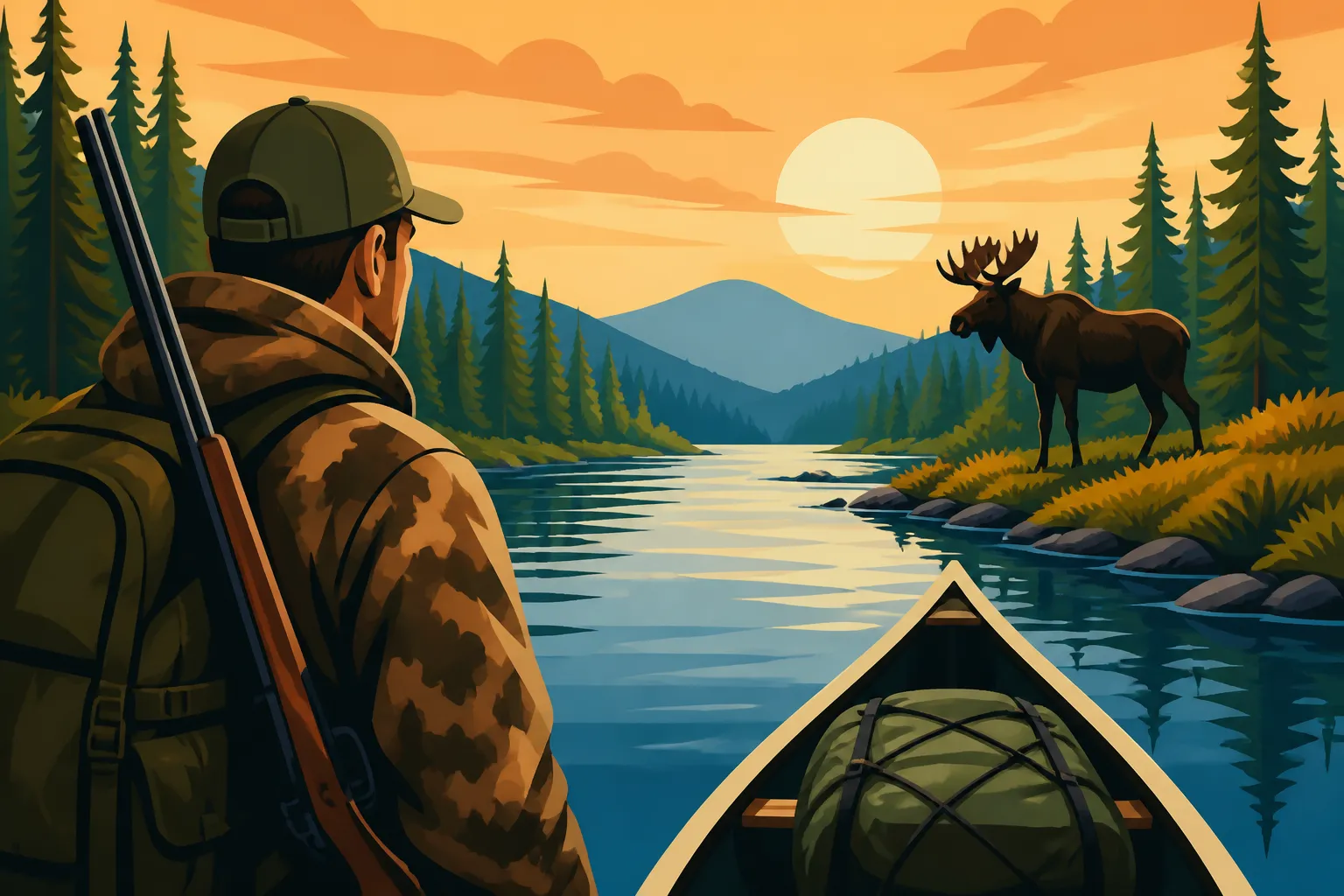
The river's flow varies, and there are sections with rapids, particularly the famous Allagash Falls. Depending on your comfort level and skill, you might need to portage around some of these more challenging spots. Knowing the river stages and conditions is important; early season or after heavy rains, the current can be swift. Ensure your canoe is suitable for wilderness travel and pack your gear in dry bags, secured to the canoe to prevent loss in case of a capsize. Carrying essential repair items for your canoe and paddles is also a smart move. Paddling not only provides access but also offers an incredibly immersive experience, allowing you to observe wildlife along the banks and truly embrace the solitude of the waterway. It's an integral part of Hunting the Allagash Wilderness Waterway Corridor.
Vehicle Access and Limitations
While the Allagash Wilderness Waterway is remote, some limited vehicle access exists, primarily on the periphery or to specific points along the corridor. Logging roads managed by the North Maine Woods often parallel sections of the waterway, providing vehicular access to certain campsites, put-ins, or take-outs. However, driving within the designated Waterway corridor itself is highly restricted to maintain its wild character. These restrictions mean that once you're on the water or deep in the woods, your vehicle becomes an access point, not a means of travel.
You might be able to drive to a specific lake or river access point, unload your canoe and gear, park your vehicle in a designated lot, and then embark on your water journey. Understanding where you can and cannot drive is crucial. Respecting these boundaries not only protects the environment but also keeps you out of trouble with the Waterway authorities. Always consult detailed maps, such as those available on GoHunt or onX Hunt with landowner layers, to clearly distinguish between accessible logging roads and restricted Waterway zones. Remember, the deeper you go into the Allagash, the less vehicle access you'll find, forcing you to rely on muscle power and ingenuity to cover ground and retrieve harvested game.
Ethical Hunting and Conservation in the Allagash
Hunting in the Allagash Wilderness Waterway isn't just about pursuing game; it's about being a steward of an extraordinary natural resource. The remote and pristine nature of the Allagash demands a heightened sense of ethical responsibility and a commitment to conservation. Every hunter plays a role in preserving this unique environment for future generations.
Leave No Trace Principles
The "Leave No Trace" philosophy is more than just a suggestion in the Allagash; it's a fundamental expectation for all users, especially hunters who venture deep into its wild heart. This means packing out everything you pack in, including all trash, food scraps, and spent casings. If it didn't grow there, it shouldn't be left there. This extends to proper disposal of human waste, which usually means digging a cathole well away from water sources and campsites, or utilizing designated privies where available.
Minimizing your impact on campsites is also crucial. Use existing fire rings, avoid building new ones, and collect only dead and down wood for fires. When breaking camp, ensure the site looks as natural as possible, with no evidence of your stay. When tracking or retrieving game, try to minimize disturbance to the vegetation and soil. The goal is for your presence to be virtually undetectable after you've moved on. This commitment ensures that the next group of paddlers or hunters enjoys the same pristine wilderness experience you did, a core tenet of responsible outdoor recreation.
Respecting Wildlife and Other Users
The Allagash is a shared resource, and respecting both its wildlife and other human users is paramount. For wildlife, this means adhering strictly to all hunting regulations, including bag limits, season dates, and legal methods. It also means making ethical shots to ensure a quick, humane harvest and diligently tracking and recovering any wounded game, no matter how difficult the terrain. Understand that you are a visitor in their home, and your actions directly impact their well-being. Additionally, be aware of Maine's CWD-free status; taking precautions against Maine's CWD-Free Status Explained is a key part of responsible hunting to protect the herd.
Regarding other users, the Allagash attracts a diverse group: canoeists, hikers, anglers, and other hunters. While the vastness often means solitude, you will encounter others. Be courteous and respectful. Avoid loud noises that might disturb the peace of the wilderness or spook game for others. Share information about conditions, but always maintain a friendly and helpful demeanor. For example, if you're on a multi-day paddle hunt, be mindful of where you set up camp relative to other designated sites, respecting privacy. A simple wave or nod goes a long way in fostering a positive environment where everyone can enjoy the wild.
Contributing to Waterway Preservation
As a hunter in the Allagash, you have a unique opportunity to contribute to its long-term preservation. This can take many forms, from actively picking up litter left by others (even if it's not yours) to participating in citizen science efforts or supporting conservation organizations. Beyond the physical acts, your conduct sets an example. By demonstrating ethical hunting practices, adhering to regulations, and showing respect for the environment, you become an ambassador for both hunting and wilderness conservation.
Consider getting involved with groups that work to protect Maine's wildlands. Educate yourself and others about the unique ecological values of the Allagash. Report any violations you witness to the proper authorities. The future of places like the Allagash depends on the collective actions of those who cherish it. Hunters, with their deep connection to the land and wildlife, are natural allies in this endeavor. Your responsible actions during your hunt are a direct contribution to keeping the Allagash truly wild and ensuring that the tradition of Hunting the Allagash Wilderness Waterway can continue for generations to come.
Safety First: Essential Considerations for Remote Allagash Hunts
Hunting in the Allagash Wilderness Waterway is an unparalleled experience, but its remote nature elevates the importance of safety. Unlike areas with easy access, help can be hours or even days away. Prioritizing safety is not just about being cautious; it’s about meticulous preparation, smart decision-making, and carrying the right tools to handle emergencies far from civilization.
Emergency Preparedness and Communication
The lack of cell service across much of the Allagash is perhaps the single biggest safety concern. This means your usual smartphone communication is useless in an emergency. Therefore, a satellite messenger (like a Garmin inReach or Zoleo) or a Personal Locator Beacon (PLB) is not just recommended, it's absolutely essential. These devices allow you to send SOS signals to emergency services and, in the case of satellite messengers, communicate via text messages with loved ones or rangers, even when miles from a tower. Ensure your device is charged, registered, and you know how to use it before you leave home.
Beyond communication, have a detailed emergency plan. Share your itinerary, including planned routes, campsites, and expected return dates, with a trusted person who is not on the trip. Pack a comprehensive wilderness first-aid kit and know how to use its contents. Consider taking a wilderness first-aid course. When hunting with a partner, always establish a plan for what to do if you get separated, including rendezvous points and times. Always carry extra food, water purification, and emergency shelter in your daypack, even if you’re just leaving camp for a few hours. Conditions can change rapidly, and a short hunt can quickly turn into an unexpected overnight stay.
Wildlife Encounters and Backcountry First Aid
While the Allagash is teeming with wildlife, most animals will avoid human contact. However, encounters are possible, and knowing how to react is crucial. Black bears are present throughout the Allagash. Practice proper food storage by hanging food or using bear-resistant containers, keeping your camp clean, and never feeding wildlife. If you encounter a bear, make noise and appear large; generally, they will move on. Moose, while typically docile, can be aggressive if harassed or if you get between a cow and her calf. Give them a wide berth. Other potential hazards include porcupines (for your dogs or tires), beavers (potential for aggressive behavior if cornered), and various small mammals that can carry disease.
Backcountry first aid is about being self-reliant. Beyond the basics of cuts and scrapes, be prepared for more serious injuries common in hunting: sprains, fractures, severe bleeding, or even self-inflicted wounds from knives or firearms. Knowing how to splint a limb, apply a tourniquet, or effectively treat hypothermia can make all the difference. Dehydration is also a constant threat in the backcountry, so consistent water intake and electrolyte replenishment are vital. Proper footwear to prevent blisters and twisted ankles is another critical, yet often overlooked, preventative measure. This region demands you be your own first responder until help can arrive.
Weather Challenges and Hypothermia Prevention
Maine weather, especially in the North Woods, is notoriously unpredictable and can change dramatically and rapidly, particularly during the fall hunting seasons. A sunny morning can quickly turn into a cold, driving rain, or even an early snowstorm. Hypothermia is a very real and dangerous threat. It’s not just about freezing temperatures; prolonged exposure to cold and wet conditions, even above freezing, can lead to hypothermia.
Dress in layers made of wool or synthetic materials that insulate even when wet. Avoid cotton, which loses all insulating properties when damp. Always carry a waterproof and windproof outer shell. If you get wet, change into dry clothes as soon as possible. Understand the signs of hypothermia (shivering, confusion, clumsiness, slurred speech) and how to treat it (get warm and dry, provide warm drinks, share body heat if necessary). Wind can dramatically increase the perceived cold, so wind protection is as important as insulation. When traveling by canoe, particularly in colder weather, the risk of capsizing and sudden immersion in frigid water is a serious concern. Consider a dry suit or appropriate cold-weather paddling gear for late-season water travel. Always check the most current weather forecast before your trip, and be prepared for the worst-case scenario. When you’re miles from anything, the weather is your most significant adversary.
Making the Most of Your Allagash Wilderness Experience
Hunting the Allagash Wilderness Waterway is about so much more than just filling a tag. It's an opportunity to disconnect from the modern world, reconnect with nature, and test your skills in a truly wild setting. To truly cherish this experience, you need to embrace all its facets, both the challenges and the profound sense of peace it offers.
Embracing the Solitude
One of the greatest gifts the Allagash offers is solitude. In an increasingly noisy and crowded world, finding true quiet and uninterrupted wilderness is a rare treasure. As hunters, we often seek this quiet as part of the appeal, but in the Allagash, it's amplified. You might go days without seeing another soul, the only sounds being the wind in the pines, the rustle of leaves, or the distant call of a loon. Embrace this solitude; let it wash over you. It provides a unique opportunity for introspection and a deep connection to the natural world that is hard to find elsewhere.
This quiet also translates into a heightened awareness of your surroundings. Your senses sharpen. You notice the subtle movements of squirrels, the distant snap of a twig, or the faint scent of pine. This awareness makes you a more effective hunter, but it also enriches the entire experience. Don't rush; take moments to simply sit, listen, and observe. This is where the magic of the Allagash truly lies – not just in the pursuit of game, but in the profound peace and beauty of its untouched wilderness.
Photography and Journaling
While the primary purpose of your trip might be hunting, the Allagash is a place of breathtaking beauty and countless memorable moments. Don't forget to capture these memories beyond just the harvest shot. Bring a camera – a waterproof, durable one is ideal – and take the time to photograph the stunning landscapes, the wildlife you encounter (even those you don't hunt), the intricate patterns of nature, and the everyday moments of camp life. These visual reminders will become cherished mementos of your adventure.
Similarly, consider bringing a small, waterproof notebook and a pencil for journaling. Jot down observations about animal tracks, weather patterns, or interesting plant life. Describe the challenges you faced and the small victories you celebrated. Record your thoughts and feelings about the solitude, the beauty, and the lessons learned. A journal becomes a personal narrative of your journey, a way to revisit the experience long after you’ve returned home. These records can also be invaluable for planning future trips, reminding you of successful strategies or areas to revisit. The Allagash is a story waiting to be told, and your journal can be its chronicler.
Building Lasting Memories and Skills
An Allagash hunting trip is an investment – of time, effort, and resources – but it pays dividends in lasting memories and honed wilderness skills. Whether you fill your tag or not, the experience of navigating the wild waterways, setting up a remote camp, tracking game through dense forests, and relying on your own resourcefulness will stay with you long after the trip is over. You'll learn valuable lessons about preparedness, perseverance, and respect for the natural world.
These experiences build confidence and competence. You’ll return home a more capable hunter and outdoors person, with a deeper appreciation for the wild places. The stories you'll have to tell, the challenges you overcame, and the quiet moments of beauty you witnessed will become part of your personal legend. Embrace the grind, celebrate the small successes, and learn from every setback. The Allagash isn’t just a destination; it's a teacher, offering a masterclass in wilderness living and hunting. The skills you develop here, from reading the land (Reading Aerial Photos for North Woods Deer) to simply enduring tough conditions (Cold-Weather Sitting Strategy in Maine), will serve you for a lifetime of outdoor pursuits.
Allagash Hunting Quick Reference
| Aspect | Key Consideration | Hunter's Approach |
|---|---|---|
| Access | North Maine Woods Gate System, various entry points | Know gate hours, pay fees (cash/check), register your trip and vehicle. |
| Navigation | Remote, no cell service, dense forest, interconnected waterways | Topo map + compass (must-have skills), GPS with extra batteries, offline mapping apps like onX Hunt. |
| Game Species | Deer, Moose, Bear, Grouse, Woodcock, Snowshoe Hare | Still-hunt for deer, call for moose, focus on habitat transitions for birds. |
| Regulations | State hunting laws + Allagash Waterway specific rules | Check current hunting regulations and DACF Waterway rules for camping, fires, and zones. |
| Camping | Designated sites only, fire rings, pit privies | Use established sites, practice Leave No Trace, check fire restrictions. |
| Safety | Extreme remoteness, unpredictable weather, wildlife | Satellite messenger/PLB, detailed emergency plan, comprehensive first-aid kit, layers. |
| Gear | Durable, waterproof, redundant (fire, navigation) | Quality tent, warm sleep system, water filter, all food packed in/out. |
| Retrieval | Physically demanding, often requires watercraft | Plan for game processing and transport, especially for moose. Consider a guide. |
Disclaimer
This article is for general informational purposes only and does not constitute professional advice. Laws, prices and regulations vary by location and change over time. Consult a qualified professional for guidance on your specific situation.