Hiring a Guide for a Drawn Moose Permit
Drawing a Maine moose permit is often a once-in-a-lifetime dream come true for many hunters, a golden ticket to the vast North Woods. But once the initial excitement wears off, the reality of planning such an immense undertaking can set in, feeling a bit daunting. This guide is here to help you navigate the crucial decision of hiring a Registered Maine Guide, transforming that dream permit into a well-executed, unforgettable hunting experience.
Why Consider a Guide for Your Moose Hunt
You’ve done the hard part – you’ve won the Maine's Once-in-a-Lifetime Moose Lottery and received your coveted permit. Many hunters might think, "Great, I'll just head out there!" But the sheer scale and unique challenges of a Maine moose hunt, especially in the remote northern zones, often make a guide an invaluable asset, even for seasoned outdoorsmen. It's not about lacking skill, it's about optimizing an unparalleled opportunity.
Navigating the Vast North Woods
Maine's moose habitat, particularly in the northern and western regions, is truly immense. We're talking about hundreds of thousands of acres of timberland, some of it actively managed by logging companies, some of it deep wilderness that sees very little human traffic. It's a landscape of dense spruce and fir thickets, vast clear-cuts, winding logging roads, and countless bogs and swamps. If you haven't spent years learning the nuances of specific zones, it’s easy to get lost, spend valuable time on unproductive ground, or miss key access points. A guide's intimate knowledge of their permitted territories, often built over decades, is like having a living, breathing topographical map in your pocket. They know which roads are passable, which cuts hold feed, and where those elusive bull moose might be bedding. This local expertise is simply not something you can gain from a few scouting trips or satellite maps, especially if you're traveling from out of state.
Maximizing Your Limited Opportunity
A Maine moose permit is a precious commodity, something many hunters apply for year after year without success. When you finally draw one, the pressure to make the most of your designated week is immense. You have a limited window, typically seven days, and often you’re allowed to harvest only one moose. This isn't a situation where you want to spend days "learning the ropes" or experimenting with new strategies. A guide helps you hit the ground running, focusing your efforts on high-probability areas and employing proven tactics. They understand the patterns of moose movement specific to the week you're hunting – whether it's the early September calm, the peak of the rut, or the late season dash before snow. This means less wasted time and a significantly higher chance of success, helping you fulfill that dream tag. Think of it as having a mentor who has already made all the common mistakes so you don't have to.
Logistical Support and Experience
Beyond finding the moose, there are significant logistical hurdles to overcome on a Maine moose hunt. From packing the right gear for variable North Woods weather, to navigating private timber company gates (like those in The North Maine Woods Gate System), to the immense task of field dressing and extracting a massive animal, a guide streamlines the entire process. They often provide crucial equipment like ATVs or heavy-duty vehicles for recovery, have established camp setups, and possess the manpower and know-how to handle a successful harvest. Imagine dropping a 1,000-pound animal deep in a cedar swamp – without experienced help and specialized equipment, that could quickly turn into a nightmare, or even an unrecoverable situation. Guides often have a well-oiled system for Field Dressing a Moose in the North Woods and Getting a Moose Out of the North Woods, ensuring your hard-earned meat and trophy are handled properly. This allows you to focus solely on the hunt itself, rather than worrying about all the "what-ifs."
Understanding the Role of a Maine Moose Guide
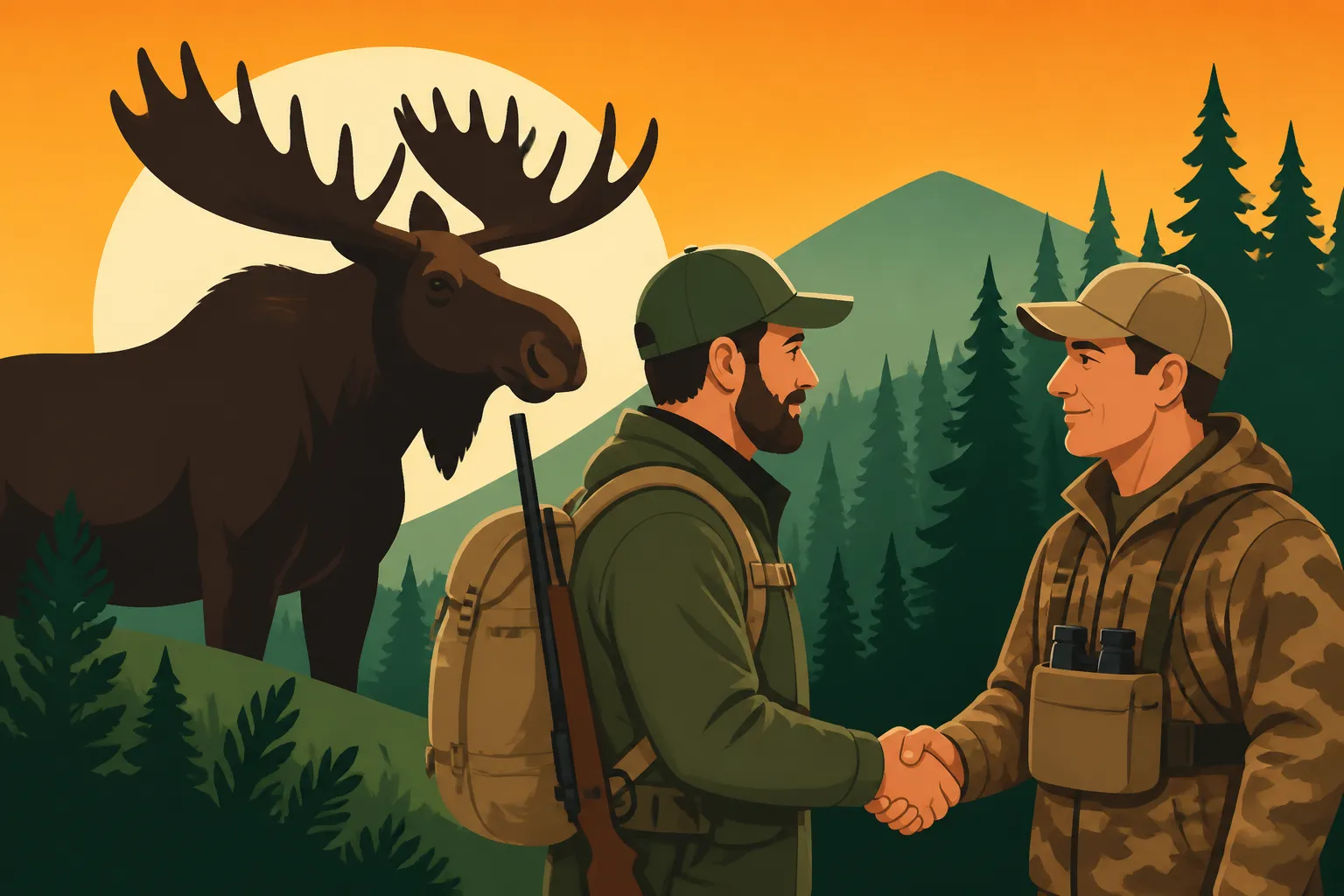
A Registered Maine Guide is far more than just someone who points you to a moose. They are an experienced, licensed professional trained in wilderness safety, navigation, and the specific skills required for a successful and ethical hunt. They are essentially your wilderness steward, ensuring your experience is safe, legal, and as productive as possible.
Expertise in Moose Behavior and Habitat
A good moose guide possesses an encyclopedic knowledge of moose. They understand the animals' seasonal movements, dietary preferences, bedding habits, and reactions to weather changes and hunting pressure. They know how to identify prime feeding areas like clear-cuts with regenerating browse, old apple orchards, or specific types of wetlands. Furthermore, they are masters of calling – whether it's a cow call to pique a bull's curiosity or a bull grunt to challenge a dominant male. Calling a Bull Moose in Late September requires a nuanced understanding of their vocalizations and how to use them effectively. Guides can read tracks, scat, and browse sign to confirm recent activity, distinguishing between old and fresh sign, and using this information to place you in the best possible position for an encounter. Their understanding of the ecosystem is truly profound, allowing them to adapt strategies in real-time based on moose activity and environmental conditions.
Field Dressing and Game Recovery
This is where a guide truly earns their stripes. A mature Maine bull moose is an enormous animal, often weighing over a thousand pounds. Once you've successfully harvested your moose, the real work begins. Guides have the experience and often the specialized tools to efficiently and ethically field dress the animal, cool the meat, and prepare it for transport. This isn't a task for the faint of heart or the inexperienced; proper technique is essential to preserve the meat and ensure respectful handling of the animal. They also have the means to recover the animal from challenging terrain. This could involve winches, ATVs, custom-built game carts, or even calling in additional manpower. Some guides specialize in specific recovery methods, and it's something to discuss upfront. Their efficiency here prevents spoilage and ensures you get every pound of that delicious wild game home.
Permit and Regulatory Compliance
Maine has specific regulations governing moose hunting, from the nuances of your drawn permit to blaze orange requirements, tag validation, and registration procedures. A guide ensures that every aspect of your hunt adheres to state laws. They will advise you on the specifics of your permit, including the designated Wildlife Management District (WMD) and the legal animal (bull or cow) you are allowed to harvest. When a moose is down, they’ll handle the immediate tagging requirements and guide you through the mandatory registration process, which often involves specific check stations or online reporting through the state’s Fish and Wildlife Department. This eliminates the stress of interpreting complex regulations, allowing you to focus on the hunt itself with the confidence that you are always in compliance. A good guide knows the rules inside and out, protecting both you and the resource.
Types of Guided Moose Hunt Packages
Just like moose themselves, guided hunts come in various shapes and sizes, designed to fit different budgets, expectations, and desired levels of involvement. Understanding these options is key to Hiring a Guide for a Drawn Moose Permit that truly aligns with your vision.
Full-Service vs. Semi-Guided Hunts
-
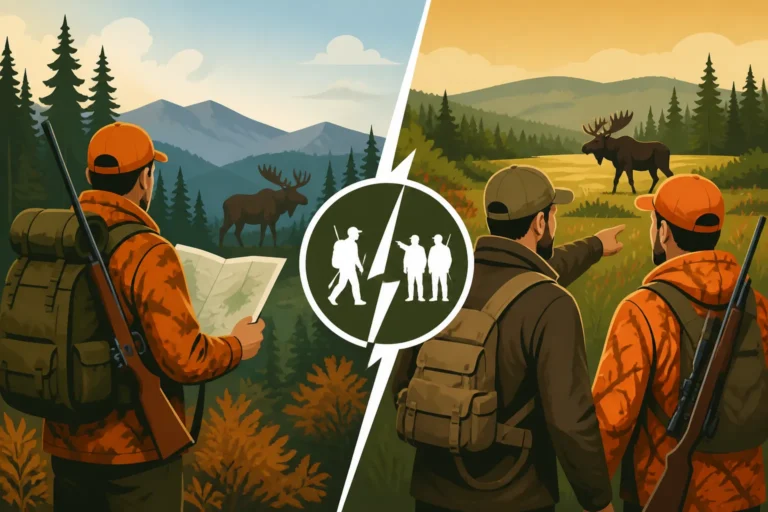
Full-Service Guided Hunt: This is often the most comprehensive option. With a full-service package, your guide typically handles nearly everything. This includes lodging, all meals, transportation within the hunting area, all necessary equipment (such as ATVs, boats, or specialized recovery gear), and, of course, expert guiding throughout your hunt. They'll wake you up, feed you, take you to the best spots, call for moose, assist with tracking and recovery, and ensure your meat is handled properly. These hunts often run from a remote sporting camp or lodge and are designed for hunters who want to immerse themselves fully in the experience without worrying about the logistics. It's truly a "show up and hunt" scenario, ideal for those traveling long distances or hunters who prefer a hands-off approach to the practicalities of the trip. These packages naturally tend to be at the higher end of the cost spectrum, but the value in terms of convenience and expertise is undeniable.
-
Semi-Guided Hunt: A semi-guided hunt offers a middle ground. With this option, the guide will typically provide crucial information, scout areas for you, offer advice on tactics, and mark potential hunting spots on maps or GPS. They might assist with transportation to certain remote areas or help with game recovery once an animal is down. However, lodging, meals, and much of the day-to-day hunting effort (like stand-sitting or still-hunting) might be up to you. This is a great choice for hunters who enjoy a certain level of independence and want to be more hands-on with their hunt but still want the benefit of a guide's local knowledge and critical support for recovery. It's often a more budget-friendly option than a full-service hunt, allowing you to tailor your experience and manage some of the logistics yourself. You might stay in a local motel, cabin, or even camp, and cook your own meals, which can be part of the adventure for many.
Remote Camp vs. Lodge-Based Hunts
-
Remote Camp Hunts: These hunts are all about deep wilderness immersion. Your guide will often take you into a remote, rustic camp accessible only by float plane, ATV, or extended truck travel. These camps are typically basic, providing shelter, heat, and a place to cook, but usually without amenities like electricity or running water. The appeal here is the raw, authentic North Woods experience, getting away from it all and being right in the heart of prime moose country. The days are long, the nights are quiet, and the focus is entirely on the hunt and the wilderness. These camps are strategically located to minimize travel time to prime hunting grounds, maximizing your time afield. They are perfect for hunters seeking adventure and solitude, and who don't mind roughing it a bit.
-
Lodge-Based Hunts: If comfort and amenities are high on your list, a lodge-based hunt might be more your style. These operations typically offer comfortable accommodations, hot showers, prepared meals, and often a social atmosphere with other hunters. After a long day in the woods, returning to a warm lodge and a home-cooked meal can be incredibly appealing. While you'll still be hunting deep in the wilderness, your base camp provides a level of comfort and convenience that a remote tent or cabin cannot. Lodges are great for groups, families, or hunters who appreciate a bit of luxury with their wilderness experience. Many lodges are historic Maine Sporting Camps Explained, offering a deep connection to Maine's hunting heritage. The trade-off might be slightly longer travel times to hunting grounds, but for many, the creature comforts are worth it.
Specialized Techniques (Calling, Spot-and-Stalk)
Some guides excel in specific hunting techniques, which can be a deciding factor based on your preferences.
-
Calling Specialists: Many Maine moose guides are absolute masters of moose vocalizations. They can replicate cow calls, bull grunts, and even rake antlers to simulate a fight, drawing in curious or territorial moose. If you've always dreamed of calling a massive bull into close range, finding a guide renowned for their calling prowess is key. This is especially effective during the rut, typically in late September to early October, when bulls are most responsive to vocal challenges and breeding calls. The thrill of a bull responding to a guide's call and approaching through thick cover is an experience unlike any other.
-
Spot-and-Stalk Experts: In certain open areas, like recent clear-cuts, powerline corridors, or burn areas, guides might specialize in spot-and-stalk tactics. This involves glassing vast tracts of land from a vantage point, identifying a moose, and then carefully planning a stalk to get within shooting range. This requires immense patience, keen eyesight, and a deep understanding of wind, terrain, and moose senses. While less common in the densest parts of the North Woods, it can be an incredibly effective and exciting method in the right habitat, often in areas bordering Hunting Aroostook County Farmland or large timber cuts. Discussing these preferences with potential guides ensures your hunt aligns with your preferred style.
Vetting and Choosing the Right Moose Guide
Selecting the right guide is paramount to the success and enjoyment of your moose hunt. This isn't a decision to be taken lightly; a good guide is more than just a service provider, they become a crucial part of your once-in-a-lifetime experience.
Checking Credentials and References
First and foremost, ensure any guide you consider is a Registered Maine Guide. This isn't just a title; it signifies they've passed rigorous state exams covering navigation, first aid, wildlife identification, and state hunting laws. Don't be shy about asking for proof of their license. Beyond that, ask for references – and make sure they're recent. Talk to past clients about their experience. Ask specific questions:
- How communicative was the guide?
- Did they manage expectations realistically?
- What was the camp like (if applicable)?
- How was game recovery handled?
- Would they hunt with this guide again?
- Were there any hidden costs or surprises?
A reputable guide will be transparent and happy to provide a list of contacts. You can also research outfitters and guides through platforms like BookYourHunt or GoHunt, where you can often find reviews and success rates. These platforms can be a good starting point for your search, allowing you to compare options and read testimonials from other hunters who've been in your shoes. When you're Booking a Guide Before the Moose Lottery Results are even announced, some guides offer conditional bookings, so understanding their policies is critical.
Communication and Expectations
Open and honest communication before you book is absolutely critical. Be upfront about your physical condition, hunting experience, and what you realistically hope to achieve. Conversely, a good guide will be honest about what to expect. They should clearly outline what's included in the package (food, lodging, transportation, equipment, etc.) and what is not included (licenses, tips, meat processing, taxidermy). Ask about their typical daily schedule, hunting methods, and contingency plans for bad weather or unforeseen circumstances. What happens if you fill your tag on day one? What if you don't see a moose by day six? Discussing these scenarios in advance prevents misunderstandings and ensures you both have a shared understanding of the hunt. Remember, hunting is unpredictable, and a guide cannot guarantee a kill, but they can guarantee their best effort.
Booking Process and Contracts
Once you've decided on a guide, ensure you receive a clear, written contract or agreement. This document should detail the dates of your hunt, the agreed-upon price, deposit requirements, cancellation policies, and what's included. Understand their payment schedule – often a deposit is required upfront, with the balance due before or upon arrival. Clarify if the guide works exclusively with your party or if other hunters might be present. Some guides, especially with drawn permits, require you to secure the guide service soon after the lottery results are announced due to high demand. Be sure to understand the specific terms for your permit, such as your designated WMD and legal animal, and ensure the guide is permitted to operate in that area. This protects both you and the guide and ensures a professional relationship.
What to Expect (and What Not To) From a Guided Moose Hunt
Going into your Maine moose hunt with realistic expectations is just as important as choosing the right guide. The North Woods is a wild place, and even with the best guide, there are elements beyond anyone's control.
Daily Schedule and Routine
A typical guided moose hunt day often starts early, well before dawn. You might head out to a pre-scouted area via truck or ATV, then begin still-hunting, calling, or sitting in a strategic location. Mornings are often prime time for moose movement. You'll likely break for a packed lunch in the woods or return to camp if close enough. Afternoons will involve similar tactics, often shifting based on recent sign, weather, or what was learned in the morning. Evenings are for travel back to camp, dinner, sharing stories, and preparing for the next day. This routine will be physically demanding; be prepared for long hours, hiking through tough terrain, and potentially sitting still in cold, damp conditions. The pace is set by the guide, but it's always focused on maximizing your chances. Be ready for early mornings and late nights, especially when trying to pinpoint where Maine Bucks Bed in Big Timber or locate a bull.
Weather, Terrain, and Physical Demands
Maine weather, particularly in September and October, can be incredibly unpredictable. You could experience warm, sunny days, torrential rain, fog, and even early snow all in the same week. Layered clothing is essential, and high-quality waterproof gear is a must. The terrain is equally varied and challenging. Expect to navigate thick brush, uneven forest floors, muddy bogs, and potentially steep hills. A high level of physical fitness is not just recommended, it's almost a prerequisite for a successful and enjoyable moose hunt. You'll be walking, climbing, and potentially dragging or pushing heavy equipment. The North Woods can be unforgiving, and your guide is there to mitigate risks, but your personal preparedness plays a huge role. Discuss your fitness level honestly with your guide so they can plan accordingly.
Success Rates and Realistic Outcomes
While guides significantly increase your odds, hunting is never a guarantee. Moose populations fluctuate, weather can make animals lock down, and sometimes, despite everyone's best efforts, a shot opportunity simply doesn't materialize. Reputable guides will share their past success rates, but these are historical data points, not guarantees for your specific hunt. It's important to remember that a "successful" hunt isn't solely defined by pulling a trigger. The experience of being deep in the Maine wilderness, witnessing wildlife, learning from an expert, and sharing the camaraderie of camp is incredibly rewarding in itself. Focus on the entire journey, not just the outcome. Be prepared for the possibility that you might not fill your tag, but know that you'll have an incredible adventure regardless.
Cost Considerations for a Guided Moose Hunt
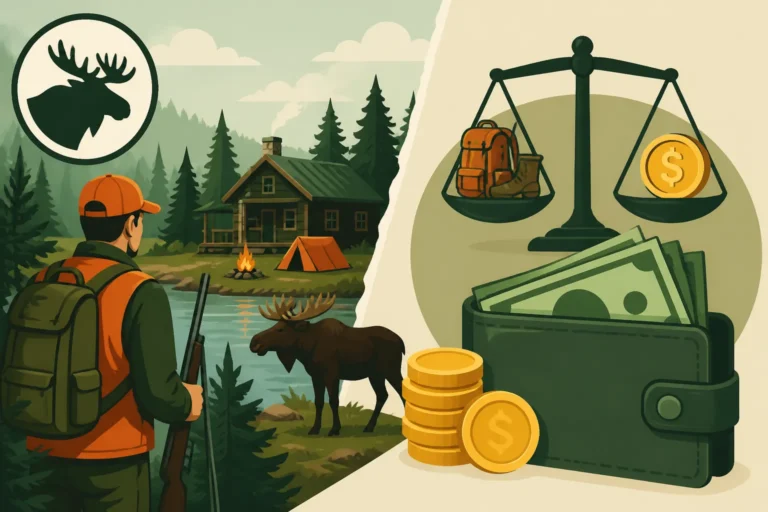
The investment in a guided Maine moose hunt is significant, reflecting the expertise, logistics, and effort involved. Understanding the breakdown of costs is essential for budgeting and making an informed decision. Remember that specific figures will vary greatly between outfitters, so always confirm current rates directly with your chosen guide.
Understanding Package Inclusions
When comparing guided hunt packages, it's crucial to look beyond the headline price and understand exactly what's included. A "full-service" package typically covers:
- Guide Services: The daily rate for your Registered Maine Guide.
- Lodging: Accommodations, whether it's a remote tent camp, rustic cabin, or comfortable lodge.
- Meals: Often three square meals a day, plus snacks and drinks.
- In-Field Transportation: Travel to and from hunting areas within the WMD.
- Game Recovery and Field Dressing: Assistance with processing and getting the animal out.
Some packages might also include initial transportation to camp from a designated pickup point (e.g., Bangor or Greenville), but this is less common. Items generally not included are your Maine Hunting Licenses and What They Cost, your actual moose permit fee (which you've already paid for drawing your tag), meat processing at a butcher, taxidermy services, or alcoholic beverages. Always get a detailed list of inclusions and exclusions in writing to avoid any surprises. Comparing services listed on sites like BookYourHunt or GoHunt can help you understand the standard offerings and spot any gaps.
Additional Expenses and Tipping
Beyond the package price, there are several other costs to factor into your budget.
- License Fees: You'll need a current Maine hunting license, if you don't already have one. For non-residents, this can be a significant cost.
- Travel Costs: Getting to Maine, whether by car or plane, and any associated hotel stays before or after your hunt.
- Meat Processing: Unless you plan to butcher the moose yourself, you'll need to pay a local processor to cut, wrap, and freeze your meat. This can be substantial for an animal the size of a moose.
- Taxidermy: If you plan to mount your trophy, factor in the cost of a shoulder mount or European skull mount and potential shipping.
- Gratuities (Tips): Tipping your guide and any camp staff is customary and expected. This is a significant portion of their income and reflects their hard work. A good rule of thumb is to budget a percentage of the hunt cost, typically in the 10-20% range, given as cash at the end of the trip. The specific amount will depend on your experience and satisfaction.
- Gear: Ensure you have appropriate clothing, footwear, optics, and your firearm or archery equipment. Don't underestimate the cost of quality gear for the North Woods.
- "Extras": Any souvenirs, specialty drinks, or other personal items you might want.
A comprehensive understanding of these potential costs is vital to avoid sticker shock and ensures you can fully enjoy the experience without financial stress.
Comparing Value and Services
It's tempting to simply pick the cheapest guide, but this is a false economy when it comes to a drawn moose permit. Instead, focus on value.
- Reputation and Experience: Does the guide have a long track record of successful and satisfied clients? Do they have deep experience in your specific WMD?
- Inclusions: What level of service are you truly getting? Is it a bare-bones operation where you handle most logistics, or a seamless, all-inclusive experience?
- Communication: How well does the guide communicate before you even arrive? Are they responsive, clear, and professional?
- Personal Connection: Do you feel a good rapport with the guide? You'll be spending a lot of time with this person, so a good personality fit is important.
Don't hesitate to call multiple outfitters, compare their offerings, and discuss your specific needs. Platforms like BookYourHunt or GoHunt can be invaluable for initial research and comparing multiple options side-by-side, giving you a broad overview of the market before you dive into direct conversations. The goal is to find the guide who offers the best combination of expertise, service, and professionalism for your investment, making your Moose Hunting Maine's North Woods trip truly unforgettable.
Disclaimer
This article is for general informational purposes only and does not constitute professional advice. Laws, prices and regulations vary by location and change over time. Consult a qualified professional for guidance on your specific situation.