ATV Rules on North Maine Woods Roads
It's a common dream for many Maine hunters: loading up the ATV, heading into the vast, wild expanse of the North Maine Woods, and zipping down a remote logging road right to your secret hunting spot or to easily retrieve that trophy buck or moose. However, the reality of ATV access in this unique region is often far more complex and regulated than many newcomers, and even some seasoned hunters, might realize. This guide aims to clear up the confusion surrounding ATV rules on North Maine Woods roads, helping you navigate the regulations and ensure your hunting trips are both successful and compliant.
The Unique Landscape of the North Maine Woods and ATV Access
The North Maine Woods (NMW) isn't your typical public land, and understanding its unique management structure is the first step to understanding ATV rules. Many hunters assume that because they pay a gate fee, they're entitled to use any and all roads within. That's simply not the case, and failing to grasp this distinction can lead to fines, confrontation, or even losing access.
Understanding Private Land Ownership and Public Access
The North Maine Woods encompasses over 3.5 million acres of privately owned, undeveloped forestland managed by a consortium of timber companies and private landowners. While these landowners traditionally allow public access for recreation, this access is a privilege, not a right, and comes with specific conditions. The North Maine Woods organization acts as a unified gate system and management entity, facilitating this access while ensuring the land remains productive for timber harvesting and sustainable for wildlife.
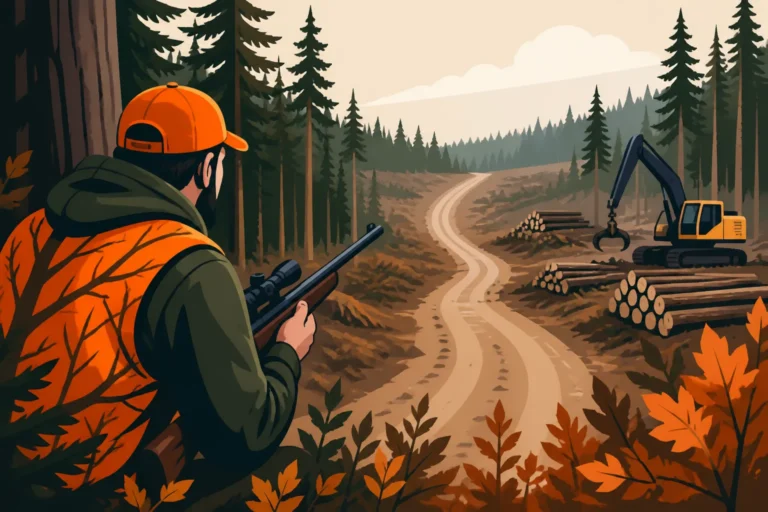
When you drive through one of the NMW gates, like the Telos Gate near Millinocket or the St. Francis Gate up in the valley, you're essentially paying for access for your vehicle (truck, car) to travel on designated logging roads. This fee helps fund road maintenance, waste management, and the overall administrative costs of keeping such a vast, private area open. It’s crucial to remember that these are active industrial forests, not state or national parks. The roads are primarily built and maintained for heavy logging equipment, not recreational ATV traffic. You can learn more about navigating these entry points in our guide to the North Maine Woods Gate System.
Why ATV Rules Exist in a Remote Area
You might wonder why a place so vast and seemingly wild needs strict rules for ATVs. The reasons are numerous and critical for the long-term health and accessibility of the NMW. First and foremost, environmental impact is a major concern. Unrestricted ATV use can lead to trail erosion, habitat destruction, and the spread of invasive species, especially in sensitive wetland areas or along streams.
Secondly, safety is paramount. Active logging operations mean heavy machinery, log trucks, and workers are constantly on these roads. An ATV, often smaller and less visible, can be a significant hazard, especially around blind corners or on narrow stretches. Road maintenance is also a factor; ATVs can degrade road surfaces designed for much heavier, slower traffic, leading to increased costs for landowners. Finally, managing conflicting uses – balancing the needs of hunters, anglers, campers, and loggers – requires clear guidelines. The NMW aims to preserve the remote character of the region while still allowing various forms of recreation, which means carefully controlling activities like off-road vehicle use.
Specific ATV Regulations on North Maine Woods Roads
Navigating the NMW with an ATV requires a precise understanding of what's allowed and what's not. The biggest misconception often revolves around the nature of the roads themselves. Just because a road is open to your truck doesn't mean it's open to your ATV.
Designated ATV Trails vs. Logging Roads
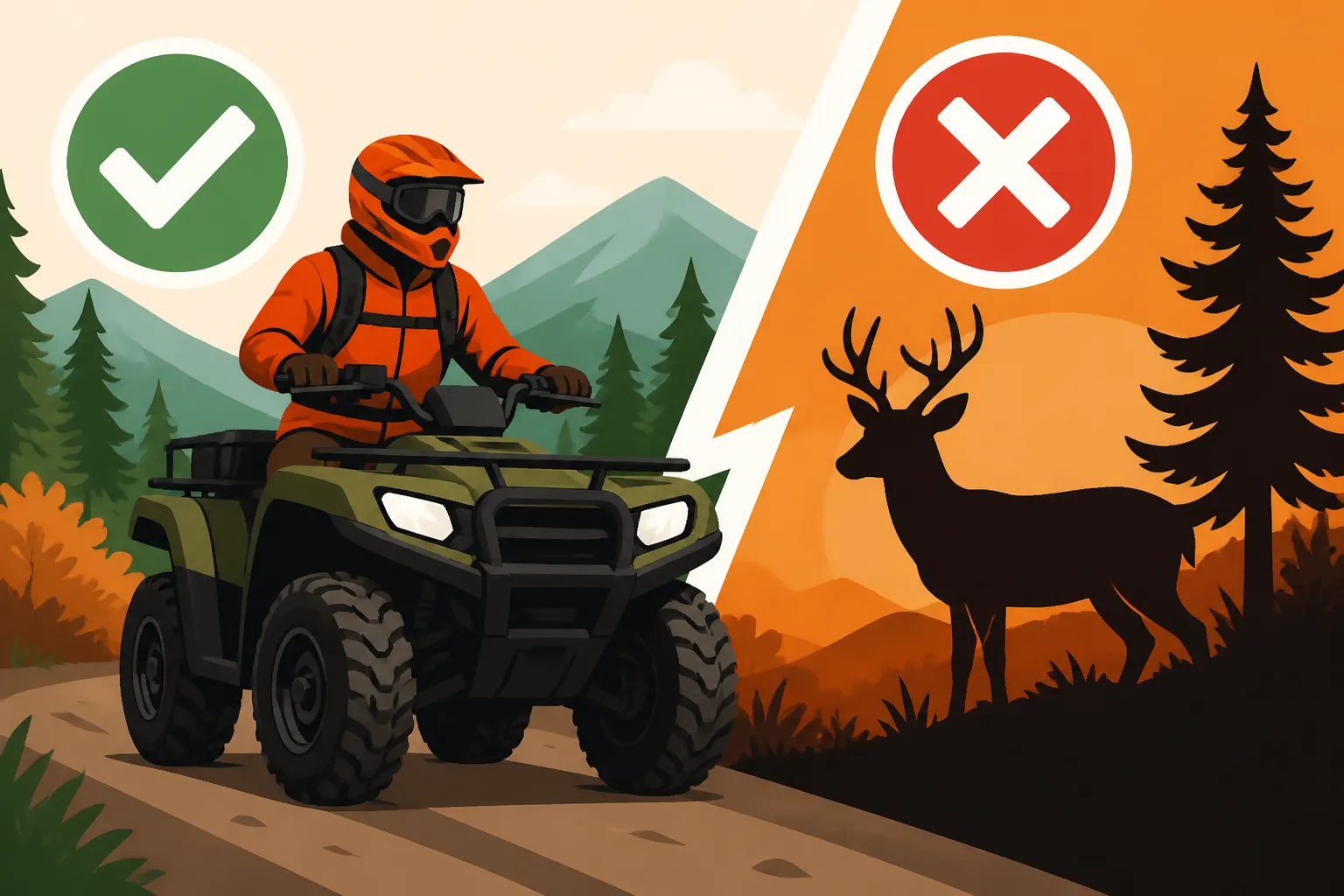
This is arguably the most important distinction for any hunter considering bringing an ATV into the North Maine Woods. In most cases, ATVs are generally permitted only on clearly designated, marked ATV trails. These trails are specifically constructed or repurposed for ATV use and are distinct from the primary logging roads you’ll use to access different sections of the NMW by truck.
The vast network of private logging roads, while providing vehicular access for trucks and cars, are generally not open to ATVs unless explicitly signed as such for multi-use. This means you can't just unload your ATV off the back of your truck at a convenient logging road junction and head off. Many of these roads are active haul roads, with massive log trucks moving at high speeds, and they are not safe or legal for ATV travel. Interfering with active logging operations, even accidentally, can result in your permit being revoked and potential legal trouble. Always look for specific signage indicating "ATV Trail" or "Multi-Use ATV Permitted" before you ever unload your machine.
Permitting and Registration Requirements
Before your tires even hit the dirt, ensure both you and your ATV are legally prepared. In Maine, all ATVs operated on trails or private land open to public access must be registered with the state, regardless of whether you're a resident or non-resident. This registration is distinct from your hunting license or your NMW gate pass. You can find details on licensing in our comprehensive guide, Maine Hunting Licenses and What They Cost.
Beyond state registration, the NMW's gate fees, which you pay upon entry, cover your primary vehicle (car, truck) and its occupants. These fees do not automatically grant you unlimited ATV access on all logging roads. Some specific NMW areas might have designated ATV routes, and these would be clearly marked and potentially subject to additional, specific local permits or usage fees beyond the standard gate fee. It's always best to check with the specific NMW gate you plan to enter or consult the NMW website for the most current information regarding ATV trail status in your desired hunting zone. This proactive step can save you a lot of grief and wasted travel time. For more on NMW fees, check out North Maine Woods Day-Use Fees.
Safe Operation and Environmental Considerations
Operating an ATV in the North Maine Woods comes with a significant responsibility to safety and environmental stewardship. Always adhere to posted speed limits, which are often lower than you might expect, especially on roads with active logging. It's not uncommon to encounter heavy equipment around blind turns or crests, so slow and cautious driving is a must. Yielding to logging trucks and other industrial vehicles is not just a courtesy; it's a critical safety measure. They are larger, heavier, and harder to stop, and they have the right-of-way.
Staying on clearly marked ATV trails is non-negotiable. Venturing off-trail can damage sensitive ecosystems, disrupt wildlife, and lead to erosion that impacts water quality. Practice "Leave No Trace" principles diligently: pack out everything you pack in, and minimize your impact on the natural environment. The future of access in the NMW depends on all users being responsible. Even when looking for remote camping spots, be mindful of rules like those outlined in Camping Rules Inside North Maine Woods.
Practical Advice for Hunters Using ATVs (or Considering Them) in NMW
Given the specific rules and the unique environment, making smart decisions about ATV use in the North Maine Woods is crucial for a successful and legal hunting trip.
Scouting and Planning Your Access Points
The key to responsible ATV use in the NMW is meticulous pre-trip planning. Never assume you can just "take your ATV in" and use it freely. Start by identifying your target hunting zone and then thoroughly research the specific ATV access policies for that area. This often means contacting the North Maine Woods organization directly or the specific timber company that owns the land.
Utilize modern mapping tools like onX Hunt or GoHunt. These apps can be invaluable for identifying land ownership, designated trail systems, and potential access points. Many onX Hunt layers show private property boundaries and sometimes even designated trail networks. While these tools are excellent for general planning and understanding land status, they might not always show granular, real-time ATV regulations. So, while they can help you visualize the landscape and potential routes, always back up your digital scouting with direct inquiries. Looking up Using an App for North Maine Woods Land Status can provide more tips on this. This proactive research helps you identify designated ATV trails, or clearly marked multi-use roads where ATVs are explicitly allowed, rather than mistakenly venturing onto restricted logging routes.
When ATVs Are Most Useful (and When They Aren't)
ATVs can be an incredible asset for hunters, but only when used appropriately within the NMW. They are most useful for accessing designated ATV trails that lead deeper into hunting areas beyond where your truck can go. If a marked ATV trail meanders through a prime piece of deer or moose habitat that's too far to walk from a main road, then your ATV can cut down on travel time significantly, getting you to your stand or still-hunting area fresher. They can also be invaluable for game retrieval if the trail leads directly to your downed animal and conditions permit.
However, ATVs are generally not useful, and in fact, are typically illegal, for traveling on the main private logging roads that are primarily for vehicular (truck/car) traffic, unless specifically permitted and marked for multi-use. Trying to use your ATV as primary transport on these roads will likely put you in violation of NMW rules and create safety hazards. In many scenarios, it's more efficient and legal to park your truck and hike in, or even consider a mountain bike on the logging roads where ATVs aren't permitted. Sometimes, the best way to get to your spot is just good old-fashioned foot power, as discussed in How Far to Walk From a North Maine Woods Road.
Retrieving Game with an ATV
The desire to use an ATV for game retrieval, especially for large animals like moose or a heavy buck, is completely understandable. The thought of dragging an animal miles through thick Maine woods is daunting! However, it's crucial to understand that even for retrieval, you are still bound by the same regulations regarding where you can operate your ATV.
You cannot simply drive off-road into the woods or onto a closed logging road to retrieve an animal unless you have explicit, specific permission from the landowner (often via the NMW system or a particular timber company lease) or if the area you're trying to reach is directly accessible by a designated ATV trail. Many hunters have found themselves in a tough spot after downing an animal deep in the woods, only to realize their ATV cannot legally reach it. In such cases, you might be able to get your ATV to the closest legal point of access, then resort to traditional dragging methods, or use specialized game carts, often taking multiple trips. For major game, such as a moose, there are specific strategies to consider, as detailed in Getting a Moose Out of the North Woods. Always factor in the retrieval logistics before you hunt, not just after you pull the trigger.
Here's a quick reference for general ATV use in the North Maine Woods:
| Activity | Generally Allowed (with proper registration/fees) | Generally Restricted (without explicit, specific permission/marking) |
|---|---|---|
| Traveling main logging roads | For licensed trucks/cars | For ATVs (unless marked multi-use) |
| Using designated ATV trails | Yes | N/A (this is where you can ride) |
| Off-road travel (into the woods) | No | Yes |
| Game retrieval on designated ATV trails | Yes (to the extent of the trail) | N/A |
| Game retrieval off-trail or on restricted roads | No (without landowner permission) | Yes |
| Camping in designated sites | Yes (with NMW fees) | N/A |
| Driving to remote camps on logging roads | For licensed trucks/cars | For ATVs (unless marked multi-use) |
Ultimately, responsible ATV use in the North Maine Woods is about respecting the land, the rules, and the varied users of this incredible resource. Always plan ahead, confirm your access, and prioritize safety and ethical conduct.
Disclaimer
This article is for general informational purposes only and does not constitute professional advice. Laws, prices and regulations vary by location and change over time. Consult a qualified professional for guidance on your specific situation.