Why North Maine Woods Charges a Day-Use Fee
It can be a little jarring, can't it? You pack up your truck, gear all ready, maybe you’ve driven hours to get to a remote corner of Maine, only to arrive at a gate with a sign asking for a fee just to drive down a logging road. For many hunters and outdoor enthusiasts, this is a common experience when heading into the vast expanse known as the North Maine Woods. This guide aims to pull back the curtain on why these day-use fees exist, what they actually fund, and how they help maintain access to one of the most incredible wild places left in the Eastern United States.
The Unique Landscape of the North Maine Woods
Maine is famous for its wilderness, and a huge part of that reputation comes from the North Maine Woods, an immense, privately owned working forest that spans millions of acres. It's not a state park, nor is it federal land in the traditional sense; it's a unique system of private timberlands managed collectively by various landowners.
A Working Forest, Not a Park
Imagine an area larger than some small states, where the primary purpose of the land is timber harvesting. This isn't a preserve designed purely for recreation, though recreation is certainly a vital component. It's a dynamic, ever-changing landscape where trees are grown, cut, and replanted. This active management means constant road maintenance, bridges being built or repaired, and a complex logistical operation running year-round. Unlike a state or national park where taxpayer dollars often cover infrastructure and staffing, the North Maine Woods operates differently. The roads you drive on, the bridges you cross, and even the campsites you might use are all on land owned and managed by private entities.
Vastness and Remoteness
The sheer scale of the North Maine Woods is difficult to grasp until you're there. We're talking about millions of acres stretching from the Canadian border south towards Baxter State Park and east to west across the top half of the state. This vastness contributes to its wild character, but it also means that managing access, maintaining infrastructure, and ensuring public safety requires significant resources. There are few paved roads once you're beyond the main arteries, and cell service can be spotty to non-existent. This remoteness is a huge draw for those seeking solitude and a true wilderness experience, but it also adds to the cost of operations. Just consider the fuel and time it takes for a warden or management employee to patrol these areas. Hunting a North Maine Woods Checkpoint Tract is a totally different ballgame than hunting near a town.
Who Actually Owns All That Land?
This is where a lot of the confusion often lies. When people think "woods," they often default to thinking "public land." But the North Maine Woods is primarily privately held.
Large Timber Companies and Individual Landowners
The majority of the land within the North Maine Woods is owned by large timber companies, investment groups, and some smaller private landowners. These aren't small family woodlots; they are vast tracts of land, sometimes hundreds of thousands of acres managed as a commercial forest. Historically, these lands were often acquired centuries ago and have been passed down or sold to entities that continue to utilize them for resource extraction. While they are private, Maine has a unique tradition of implied public access, which means that unless land is explicitly posted as "No Trespassing," it's generally open for recreational use. This tradition, however, comes with responsibilities, both for the landowners and the public.
The North Maine Woods Inc. Cooperative
To manage the complexities of public access across these diverse private ownerships, the landowners formed a non-profit organization called North Maine Woods Inc. This entity acts as a cooperative, coordinating public access, collecting fees, and managing the recreational use of the land on behalf of its member landowners. This centralized management ensures consistency and helps fund the necessary infrastructure. Without this cooperative, managing recreation across so many different private holdings would be incredibly difficult, potentially leading to more widespread posting of "No Trespassing" signs as individual landowners struggled with the costs and liabilities. Understanding this structure helps clarify why a gate attendant, often an employee of North Maine Woods Inc., is collecting a fee even though the land is "privately owned." You might use a mapping tool like onX Hunt to really visualize the property boundaries and land ownership within these areas, which can be eye-opening to see how many different entities own parcels. Using an App for North Maine Woods Land Status can be a lifesaver for clarifying these details.
What Your Day-Use Fee Actually Pays For
So, where does that fee money actually go? It’s not just disappearing into a black hole; it’s directly supporting the very access and facilities you’re using.
Road and Bridge Maintenance
This is arguably the biggest chunk of what your day-use fee covers. The North Maine Woods relies on an extensive network of gravel logging roads. These roads are constantly being used by heavy timber equipment, trucks, and recreational vehicles. They require continuous grading, ditching, and graveling to remain passable, especially after severe weather or during mud season. Bridges, too, need regular inspection, repair, and sometimes complete replacement. Imagine the cost of maintaining hundreds of miles of private roads and countless bridges deep in the wilderness. If these roads weren't maintained, access would quickly become impossible for anyone, including hunters. Without a robust road system, retrieving a moose or bear from deep within the woods would be nearly impossible. Getting a Moose Out of the North Woods often relies on these very roads.
Gate Operations and Public Safety
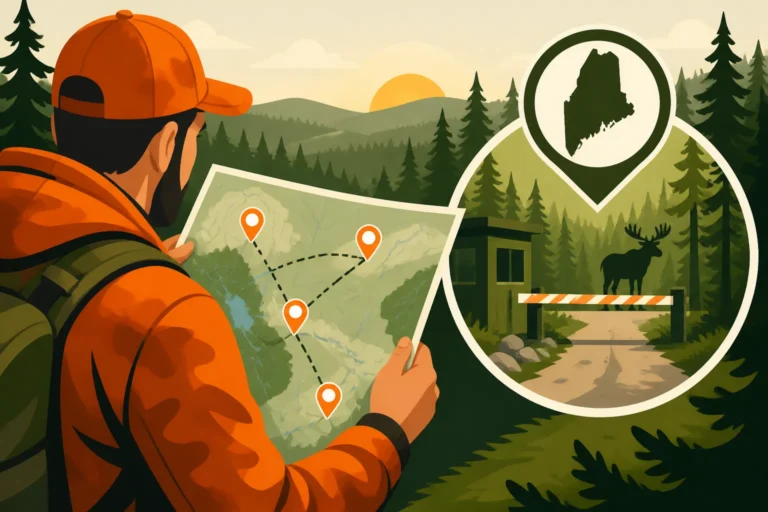
The fees also fund the gatehouses and the staff who operate them. These gates, which you'll encounter at various entry points like the Telos Gate or the St. Francis Gate, serve multiple crucial functions beyond just collecting money. They track who enters and exits the woods, which is vital for safety, especially in such remote areas. If a vehicle doesn't check out, it can trigger a search. The gate staff are often a first point of contact for visitors, providing information, maps, and sometimes even emergency assistance. They are the eyes and ears on the ground, helping to ensure everyone has a safe experience. This monitoring and operational cost is a significant portion of the budget. The North Maine Woods Gate System is essential for understanding how to access these areas.
Campsite and Facility Upkeep
While separate from the day-use fee, the day-use fee often contributes to the overall pool of funds that help manage recreational infrastructure. Many areas within the North Maine Woods offer rustic campsites, often along beautiful rivers or lakes. These sites, while basic, still require maintenance: garbage removal, outhouse cleaning, and general upkeep to keep them usable and prevent environmental degradation. The fees help ensure that these shared resources remain available for everyone to enjoy responsibly. If you plan to camp, remember that there are specific North Maine Woods Camping Fees in addition to the day-use.
Administration and Landowner Reimbursement
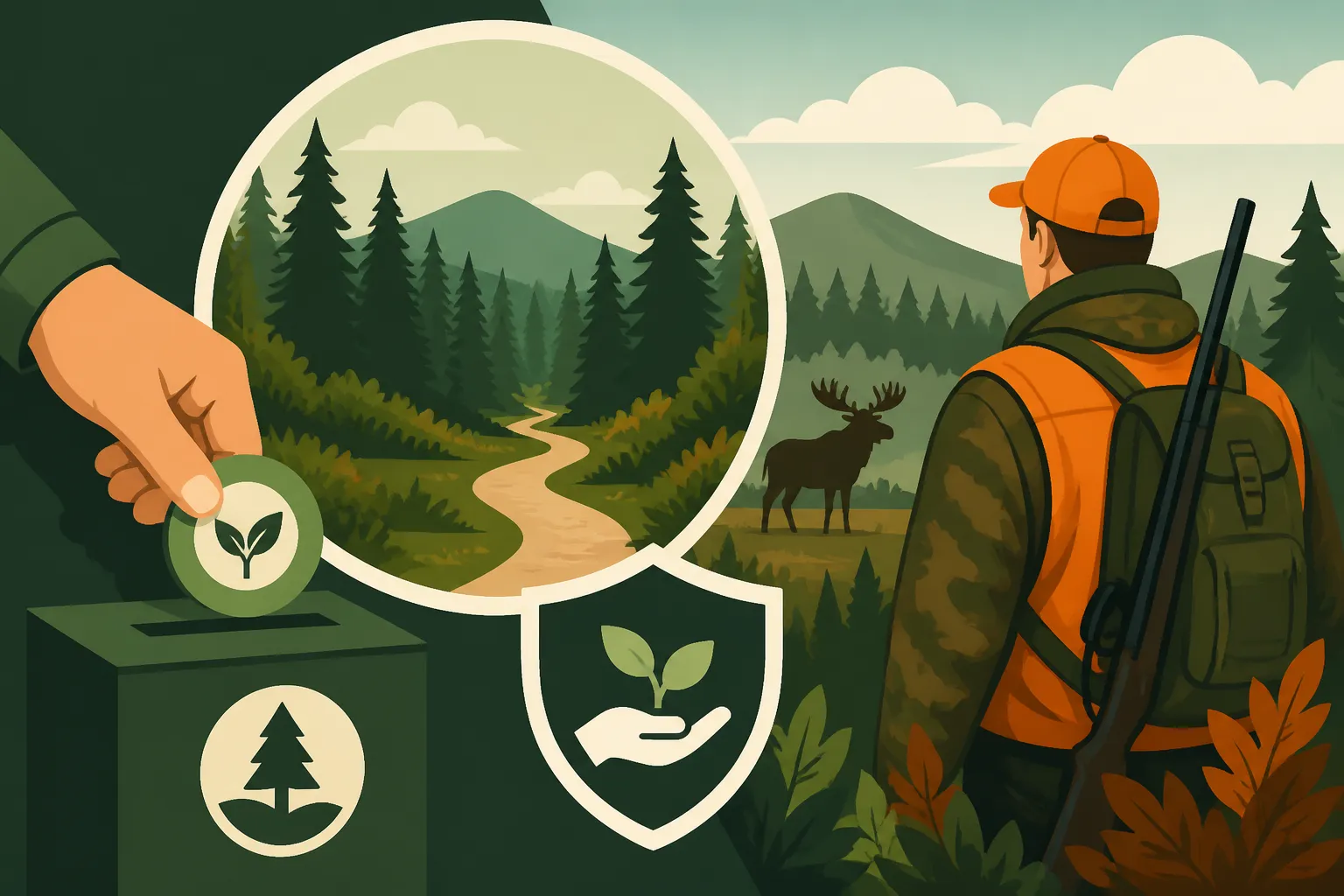
Finally, a portion of the fees goes towards the administrative costs of North Maine Woods Inc. itself – managing permits, finances, and coordinating with the various landowners. There's also a component that helps reimburse the private landowners for the costs associated with allowing public access on their property, including liability insurance, property taxes, and the impact of recreational use on their working forests. It’s a way for recreational users to directly contribute to the sustainability of the system that grants them access. Thinking of it as a contribution rather than just a charge can change your perspective on its value.
Navigating the Fee System
Understanding the "why" behind the fees is one thing; navigating them effectively for your hunting trip is another. Here's how to approach it.
Day-Use Versus Multi-Day and Camping Fees
It's important to distinguish between the different types of fees. The day-use fee is typically for single-day entry and exit. If you plan to stay longer, you'll need to pay a multi-day fee, which can often be more cost-effective than paying for individual days. If you're camping, there will be an additional camping fee per night. These rates are dynamic and can vary, so it's always best to check the North Maine Woods Inc. website or call ahead to the gate you plan to use for the most current information. Hunting a North Maine Woods Multi-Day Permit can simplify your trip.
Payment Methods and Checkpoints
Most gates are staffed and accept cash, but some locations might have different procedures or even accept cards. It's always wise to carry enough cash for your expected fees, just in case. The checkpoints are typically staffed during daylight hours, but specific hours can vary by season. If you arrive outside of staffed hours, there's usually a self-registration system where you fill out a form and deposit your payment. Always make sure to sign in and out, regardless of how you pay. This is not just about the fee; it's about your safety and helps managers track usage patterns. Before you head out, I always recommend checking an onX Hunt map for gate locations and potentially even calling the specific gate for their hours and accepted payment methods. It really helps with trip planning, as does a resource like GoHunt for broader hunting regulations.
| Fee Type | Purpose | Typical Structure | Importance for Hunters |
|---|---|---|---|
| Day-Use Fee | Single entry/exit, road access | Per person, per day | Essential for short scouting trips or day hunts |
| Multi-Day Fee | Extended entry/exit, road access | Per person, for multiple days | More cost-effective for longer hunting trips |
| Camping Fee | Overnight stay at designated campsites | Per person, per night | Required if staying overnight in the NMW |
| Vehicle Fee | Some areas may charge for vehicle entry | Per vehicle | Less common, but check specific gate policies |
Planning Ahead for Your Hunt
Don't let the fees deter you from experiencing the incredible hunting opportunities in the North Maine Woods. With a little planning, they become a minor part of your adventure. Factor the fees into your budget and plan your entry and exit points. Using mapping tools like onX Hunt or familiarizing yourself with Scouting a North Maine Woods Checkpoint Map can help you understand the vastness, estimate travel times, and plan your routes efficiently, minimizing unnecessary entries and exits that might incur more fees. Remember, these fees are a small price to pay for the privilege of accessing such a unique and expansive hunting ground. They are what allow this incredible system of private land, open to the public, to continue to thrive. Reading Aerial Photos for North Woods Deer can help you locate prime spots, but getting to them means using these roads.
Disclaimer
This article is for general informational purposes only and does not constitute professional advice. Laws, prices and regulations vary by location and change over time. Consult a qualified professional for guidance on your specific situation.