Fly-In Sporting Camp Access
The dream of truly escaping into Maine's vast wilderness, far from crowded logging roads and familiar trails, often feels out of reach for many hunters. You picture pristine lakes, towering pines, and game that rarely sees a human, but getting there without a road seems like an impossible hurdle. This guide will help demystify the process of accessing remote fly-in sporting camps in Maine, breaking down the logistics, benefits, and practical considerations so you can turn that wilderness dream into a tangible hunting adventure.
Why Choose a Fly-In Sporting Camp for Your Maine Hunt?
There’s a unique allure to heading into the Maine backcountry where the only way in or out is by floatplane. It’s a feeling of true wilderness immersion that simply can't be replicated with road access. Many hunters find themselves drawn to this experience for a multitude of reasons, from escaping hunting pressure to experiencing a deeper connection with nature.
Escaping Hunting Pressure and Finding Solitude
One of the most compelling reasons to opt for a fly-in camp is the profound solitude it offers. In many parts of Maine, particularly closer to population centers or easily accessible logging roads, hunting pressure can be a real factor, especially during the popular firearms season. You might find yourself sharing a woodlot with other hunters, hearing distant shots, or seeing truck after truck parked along a remote track. Fly-in camps, by their very nature, remove you from this equation. They are situated deep within the wilderness, often on lakes or ponds that have no road access for dozens of miles. This means the deer, moose, and bear in these areas are far less accustomed to human intrusion, leading to more natural movement patterns and potentially less wary animals.
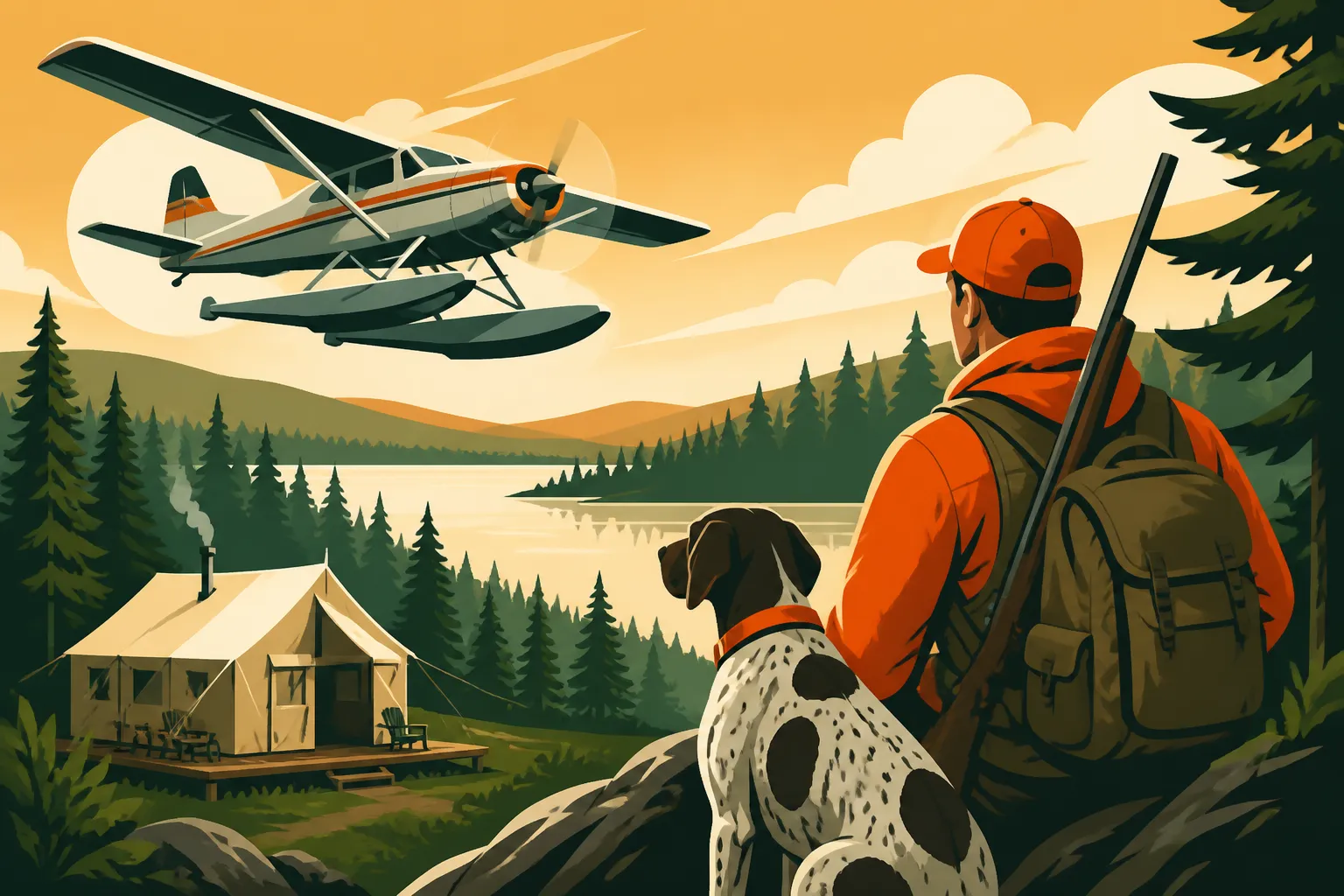
Imagine glassing a vast clear-cut or still-hunting through ancient timber, knowing that the only other human presence within miles is likely your hunting partners back at camp or the occasional floatplane overhead. This kind of profound quiet and isolation allows for a level of focus and connection to the hunt that is hard to find elsewhere. It’s an opportunity to truly unplug and immerse yourself in the natural rhythms of the Maine woods, a real antidote to the hustle and bustle of modern life.
Accessing Untouched Wilderness and Prime Habitat
Maine is a state renowned for its vast stretches of undeveloped forestland, particularly in the North Woods. However, much of this land is crisscrossed by an extensive network of logging roads. While these roads offer excellent access for many hunters, the truly remote, untouched pockets of wilderness often lie beyond the reach of conventional vehicles. This is where fly-in camps shine. They grant you access to areas that might otherwise be unreachable, places where timber harvests are less frequent, and the habitat has developed naturally over decades. These pristine environments often boast healthier ecosystems, providing optimal conditions for big game. Moose in Maine's North Woods thrive in such secluded areas, finding ample forage and thermal cover without constant disturbance.
Think about it: fewer human disturbances mean animals can establish more consistent patterns, use larger home ranges, and potentially grow to older ages, leading to bigger antlers on a buck or a larger bear. These camps are often strategically located near prime feeding grounds, remote bogs, or historical deer wintering yards, giving you a distinct advantage. It's not just about trophy hunting; it's about experiencing the raw, untamed beauty of Maine's deepest forests, lakes, and rivers, a landscape that feels ancient and wild.
The Logistics of Securing Fly-In Access
Getting to one of these remote havens requires a bit more planning than simply gassing up the truck. The logistics revolve around air charters, understanding weight limits, and coordinating with your chosen camp and pilot. It might seem daunting at first, but with a clear plan, it's very manageable.
Booking Your Bush Plane Charter
The floatplane is your lifeline to the wilderness. Booking an air charter is typically the first logistical step after you’ve secured your camp reservation. Most fly-in sporting camps have established relationships with specific air charter services, often based out of towns like Greenville, Millinocket, or Portage Lake. They can recommend or even book the flight for you, which is usually the easiest route. These pilots are experts at navigating the vast Maine skies and landing safely on remote lakes and ponds, often using planes like the venerable De Havilland Beaver or Cessna 185, workhorses of the bush. Booking a Remote Fly-In Camp often goes hand-in-hand with arranging your air transport.
When you book, you'll need to confirm your party size, the amount of gear you'll be bringing, and your preferred dates. Weather plays a significant role in floatplane travel, so always build in a buffer day or two if your schedule allows, especially for your departure. Fog, high winds, or heavy rain can ground planes, and flexibility is key. Your pilot will prioritize safety above all else, which means occasionally rescheduling. Clear communication with both your camp host and the air charter service is paramount to a smooth journey.
Understanding Weight and Gear Limitations
This is where the rubber meets the runway, or rather, the floats meet the water. Bush planes, while incredibly capable, have strict weight and space limitations. This isn't like packing the family SUV; every pound and cubic inch counts. Typically, you'll be given a per-person weight allowance, which can vary but is often in the range of 50-75 pounds, sometimes more depending on the plane and distance. This includes everything: your rifle or bow, ammunition, clothing, sleeping bag, food, and personal items.
It's a common rookie mistake to overpack, and trust me, there's nothing worse than having to leave essential gear behind at the dock because you exceeded the limit. Be prepared to consolidate and prioritize. Soft-sided bags are generally preferred over rigid suitcases, as they conform better to odd spaces in the plane's cargo hold. Think minimalist but functional. For instance, instead of a bulky cooler, consider a soft-sided insulated bag that packs down when empty. Your guide or camp owner will be able to provide specific weight limits and packing tips, so listen closely to their advice. It's their job to get you and your gear there safely and efficiently. Packing for a North Woods Moose Hunt demands careful attention to these limitations.
Finding the Right Fly-In Sporting Camp
Maine has a rich history of sporting camps, and many of the most remote and traditional ones are still accessible only by air or arduous canoe paddle. Choosing the right camp for your specific hunting goals and comfort level is crucial to a successful trip.
Researching Traditional Sporting Camps
Many of Maine's fly-in camps are steeped in tradition, having hosted hunters and anglers for generations. These aren't just places to sleep; they are institutions that offer a genuine taste of old-school North Woods hospitality. Think rustic yet comfortable cabins, communal meals, and evenings spent swapping stories by the woodstove. When looking for these gems, start by researching historical establishments. Many are family-owned and operated, and their reputations precede them. Look for camps that have a long track record and positive reviews from past guests. Maine Sporting Camps Explained can give you a deeper understanding of what to expect.
Online resources can be a good starting point. While not always focused solely on fly-in options, platforms like BookYourHunt sometimes feature outfitters who operate remote camps and can connect you with guides. Similarly, hunting forums on sites like GoHunt often have discussions about remote Maine experiences, where you can glean insights and recommendations from hunters who have already been there. Don't be shy about calling the camp owners directly. They are often the best source of information about their specific offerings, hunting success rates in their area, and what makes their camp unique.
Vetting Camps Based on Amenities and Services
Once you have a shortlist of potential camps, it's time to dig into the details of what they offer. Fly-in camps can range from truly primitive, self-service cabins to more luxurious, fully guided operations. Your budget, comfort preferences, and desired level of support will dictate the best fit.
Consider these factors:
- Accommodation Style: Are you looking for a simple cabin with an outhouse and no electricity, or something with a bit more comfort, like solar power, running water, and perhaps even a shower?
- Meals: Many traditional camps offer American Plan (all meals included), which means you don't have to worry about cooking. This can be a huge convenience, allowing you to focus entirely on hunting. Other camps might be housekeeping cabins, where you bring and prepare all your own food. What Meals a Sporting Camp Package Includes is a key question to ask.
- Guiding Services: Do you want a fully guided hunt, where a Registered Maine Guide is with you every step of the way? Or are you planning a self-guided trip where the camp simply provides lodging and access to the hunting grounds? Self-Guided Versus Outfitted Maine Hunts explores the pros and cons of each approach. Many camps offer various levels of service, from drop-offs to full guiding.
- Game Processing: Will the camp assist with game recovery and initial processing? For large game like moose, this can be a critical service, especially in remote areas. Knowing how Getting a Moose Out of the North Woods will be handled is essential.
- Cell Service/Wi-Fi: Assume little to no connectivity. Most truly remote fly-in camps will not have cell service or Wi-Fi. This is part of the appeal for many, but it's important to set expectations for emergencies or staying in touch with home.
Make sure to ask a lot of questions. Questions to Ask a Maine Outfitter covers many of the specifics you should inquire about to ensure the camp meets your expectations.
Packing Smart for Your Bush Plane Trip
When every ounce counts, your packing strategy needs to be meticulous. It's not about what you might need, but what you absolutely need, plus a few critical comfort items.
Essential Gear for Deep Woods Hunting
Your core hunting gear remains the same, but you might need to adapt your choices for weight. Think lighter versions of heavy items. For example, a minimalist sleeping pad instead of a bulky cot, or dehydrated meals instead of canned goods if you're in a housekeeping camp.
Here's a quick checklist of essentials to consider:
- Weapon: Rifle, shotgun, muzzleloader, or bow with appropriate ammunition/arrows. Ensure it's in a protective, lightweight case.
- Optics: Binoculars, rangefinder.
- Navigation: GPS unit (with extra batteries), compass, map of the area (download maps to your phone for offline use, but don't rely solely on it).
- Clothing: Layering is key for Maine's unpredictable weather. Pack moisture-wicking base layers, insulating mid-layers, and a waterproof/windproof outer shell. Blaze orange is a requirement during firearms seasons. How Much Blaze Orange Maine Requires can vary by season and location.
- Footwear: Broken-in, waterproof hunting boots are non-negotiable. Bring a lighter camp shoe or slipper for evenings.
- Sleeping System: Sleeping bag rated for the expected temperatures, pillow.
- Personal Hygiene: Minimal toiletries, small towel.
- First Aid Kit: A well-stocked kit for cuts, blisters, and general ailments.
- Headlamp/Flashlight: With extra batteries.
- Knife/Multi-tool: Essential for many tasks.
- Fire Starter: Waterproof matches, lighter, fire steel.
- Water Filtration: A personal filter or purification tablets, even if camp provides water, for hunting excursions.
- Emergency Shelter: A lightweight tarp or space blanket can be a lifesaver.
Remember, whatever you bring, you'll likely have to carry into the woods each day, so functional and efficient gear is paramount.
Optimizing Space and Weight in Your Pack
This is where you earn your bush plane wings. Before you even start stuffing your duffel, lay out everything you think you want to bring. Then, ruthlessly cut half of it. Seriously. Every item needs to justify its inclusion.
Here are some strategies for optimizing:
- Wear your heaviest clothes: Don't pack your heavy hunting jacket; wear it on the flight. Same goes for your heaviest boots.
- Share communal items: If you're with a group, coordinate who brings things like a full first aid kit, coffee pot, or camp lantern. Don't duplicate.
- Decant liquids: Transfer shampoo, soap, bug spray, etc., into smaller travel-sized containers.
- Compress: Use compression sacks for sleeping bags and extra clothing to reduce bulk.
- Ditch the packaging: Remove items from their bulky retail packaging.
- Consider multi-use items: A bandana can be a rag, a head covering, or a sling. A sturdy knife can handle many tasks.
By being disciplined in your packing, you ensure a smoother experience for everyone involved, especially your pilot who has to make everything fit safely.
What to Expect at a Fly-In Camp
A fly-in camp isn't just a place to hunt; it's an experience in itself. Understanding the rhythm of camp life and the unique challenges and rewards of living in true wilderness will help you make the most of your adventure.
Daily Life and Hunting Opportunities
Life at a fly-in camp often falls into a comfortable rhythm, dictated by the sunrise, sunset, and the habits of the game you're pursuing. Mornings usually start early, with a hearty breakfast (if your camp provides meals) before you head out into the woods. Depending on the camp's location and your hunting strategy, you might be heading out on foot directly from the cabin, or taking a small boat or canoe to reach different parts of the lake or surrounding territory. Hunting Moosehead Lake Country often involves boat access to remote shorelines.
Days are spent tracking, calling, still-hunting, or sitting stands. This is where the remoteness truly pays off; you'll cover ground that few others ever do. You'll need to be self-sufficient and capable of navigating without constant human-made landmarks. Guides, if you've hired one, will be invaluable in this environment, using their deep knowledge of the land and animal patterns. Evenings are typically for returning to camp, sharing stories of the day's hunts, enjoying a good meal, and relaxing by the fire. It’s a chance to truly connect with your hunting partners and disconnect from the outside world.
Dealing with Weather and Unforeseen Delays
Maine weather is famously unpredictable, and in the deep woods, its effects are amplified. Rain, snow, fog, and wind can roll in quickly, especially during the fall hunting seasons. While your guide and pilot will do their best to keep to a schedule, safety is always the priority. This means weather delays for your flight in or out are a very real possibility.
Table: Typical Weather-Related Delays and Contingencies
| Weather Condition | Potential Impact | Recommended Contingency |
|---|---|---|
| Heavy Fog | Zero visibility, planes grounded | Pack extra food/supplies for an unexpected extra day or two. |
| High Winds | Unsafe for floatplane takeoff/landing | Bring entertainment (books, cards), enjoy camp activities. |
| Heavy Rain/Snow | Reduced visibility, slippery conditions | Pack waterproof gear, stay flexible with hunting plans. |
| Sudden Cold Snap | Risk of hypothermia, frozen gear | Layer properly, ensure sleeping bag is adequately rated. |
| Mechanical Issues | Rare, but possible plane delays | Trust your outfitter to coordinate alternative arrangements. |
It's critical to approach a fly-in hunt with a flexible mindset. A weather delay isn't a ruined trip; it's just part of the adventure. Embrace the extra time at camp, read a book, fish, or simply enjoy the tranquility. Your outfitter will always prioritize your safety and do everything they can to minimize delays and keep you informed.
Cost Considerations for Fly-In Hunts
While the experience of a fly-in hunt is often priceless, the financial investment is certainly greater than a road-accessible trip. Understanding the various components of the cost will help you budget effectively. What a Sporting Camp Week Actually Costs will be higher with the added air charter.
Breaking Down Typical Expenses
The cost of a fly-in hunting trip usually consists of several key elements:
- Camp Accommodation: This varies wildly based on the level of amenities and services provided (e.g., self-catering cabin vs. full-service lodge with meals).
- Air Charter Fees: This is a significant portion of the expense. Fees are typically charged per flight hour or per mile, with a minimum charge. The cost is often split among the members of your hunting party.
- Guiding Fees (Optional): If you opt for a fully guided hunt, this will add to the cost. Guides often charge daily rates or package prices for the duration of your trip. Average Cost of a Guided Maine Moose Hunt or Average Cost of a Guided Maine Deer Hunt can give you a general idea, but fly-in access can increase these.
- Licenses and Permits: Don't forget the cost of your Maine hunting license, any necessary tags (like a moose permit or antlerless permit), and any federal stamps for migratory birds. Maine Hunting Licenses and What They Cost is a good resource.
- Food and Supplies: For self-catering camps, you'll need to budget for all your groceries. Even with catered camps, you might want to bring snacks and drinks.
- Travel to the Airfield: Factor in the cost of gas, lodging, or other transportation to get to the floatplane base.
- Gratuities: Tipping your guide, camp staff, and pilot is customary and greatly appreciated for good service. Standard Tip for a Moose Guide is something to consider.
It’s always a good idea to get a detailed quote from your chosen camp that itemizes all these potential expenses.
The Value of the Remote Experience
While the upfront cost might seem high, consider the unparalleled value you're getting. You're not just paying for a hunting trip; you're investing in an experience that very few people ever get to have. The solitude, the unpressured game, the stunning natural beauty, and the adventure of bush plane travel all contribute to a hunting memory that will last a lifetime.
For many, the increased success rates often associated with hunting less-pressured areas, combined with the profound sense of wilderness immersion, make the investment well worth it. You're paying for access to some of Maine's most pristine hunting grounds and an escape from the ordinary. It’s an investment in a deeper connection to nature and the ultimate Maine hunting adventure.
Disclaimer
This article is for general informational purposes only and does not constitute professional advice. Laws, prices and regulations vary by location and change over time. Consult a qualified professional for guidance on your specific situation.