Self-Guided Versus Outfitted Maine Hunts
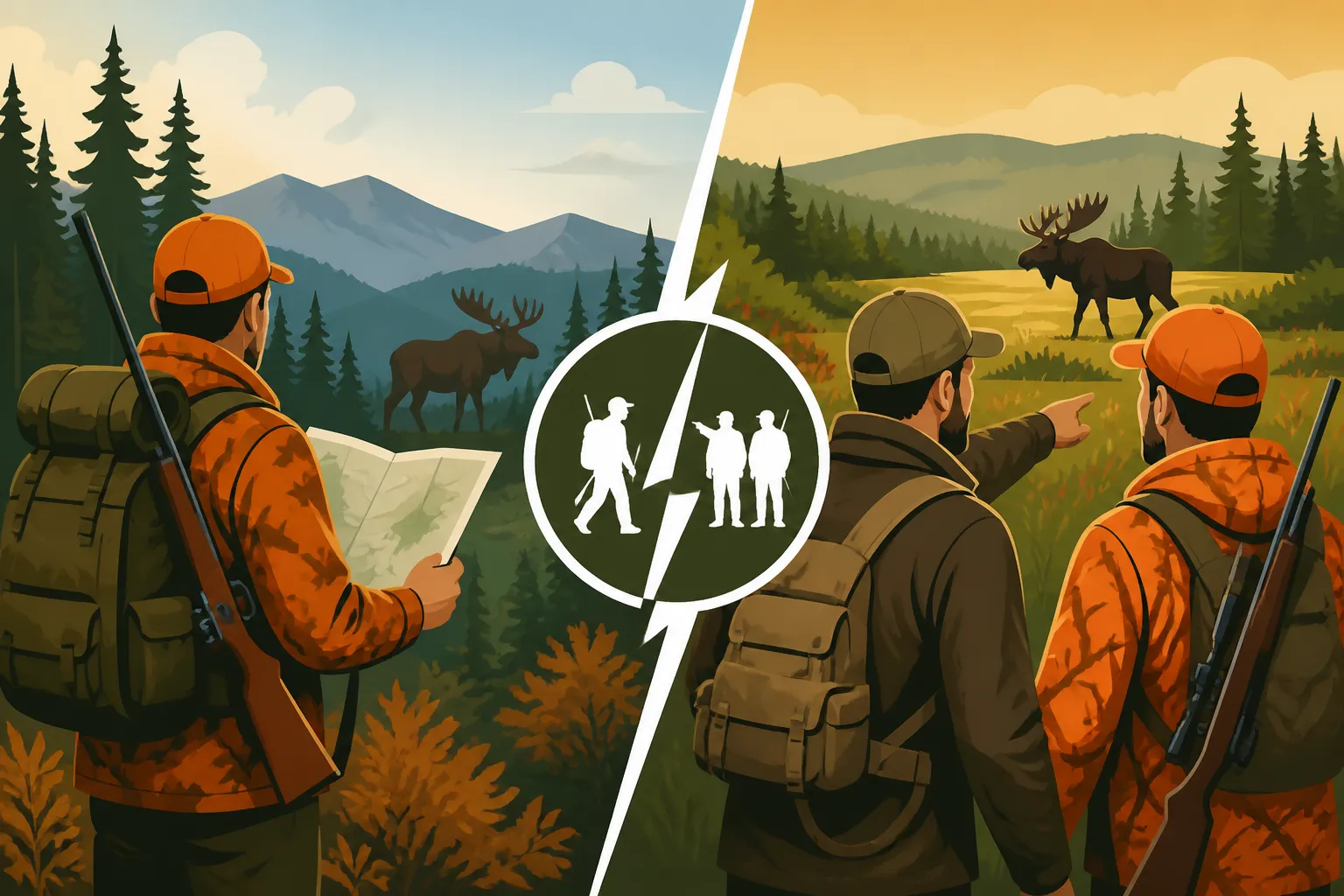
For anyone who dreams of hunting in Maine, that initial spark of excitement often quickly turns into a question: "How am I actually going to do this?" The vastness of the Maine woods, the rugged coastline, or the sprawling farmlands can be intimidating, leading many to wonder whether they should embark on a true self-guided adventure or invest in the invaluable experience of a registered Maine guide. This guide is here to walk you through the distinct paths of self-guided and outfitted hunts, helping you understand the realities, costs, and benefits of each, so you can choose the right adventure for your next trip to the Pine Tree State.
Understanding the Maine Hunting Landscape
Maine is truly a hunter's paradise, a mosaic of diverse habitats and game species that call to adventurers from all walks of life. But it's not a uniform landscape, and understanding its unique character is the first step in planning any successful hunt, whether you're going it alone or with a seasoned guide.
Maine's Unique Blend of Public and Private Access
One of the most defining characteristics of hunting in Maine is the intricate blend of public and private land access. Unlike many Western states with massive tracts of federal land, Maine's land ownership is predominantly private, particularly in the northern and eastern regions. This private land, much of it owned by timber companies, has a long-standing tradition of allowing public access for recreational activities like hunting. This "implied permission" tradition is a cornerstone of Maine's hunting culture, meaning that unless land is clearly posted with "No Trespassing" signs, it's generally open for responsible use.
However, this doesn't mean it's a free-for-all. Hunters still need to be acutely aware of property lines, respect landowner wishes, and understand the difference between active logging operations and quiet woodlots. You might find yourself hunting a timber company tract that's actively being harvested one week, and the next, it's a silent, snow-covered haven for deer. There are also significant areas like the North Maine Woods Gate System, which, while private, operate under a managed access system, often requiring day-use or overnight fees to help maintain roads and infrastructure. On top of this, Maine also boasts a network of public reserved lands and Wildlife Management Areas (WMAs) managed by the state, offering fantastic opportunities for various species. Navigating this patchwork requires diligence and careful planning for the self-guided hunter, while an outfitter will already have these access points and permissions squared away.
Diverse Game Species and Habitats
Maine is home to an incredible variety of huntable game, each thriving in specific habitats across the state. This diversity is what makes Maine such a draw, but it also means hunters need to understand where to focus their efforts for their target species.
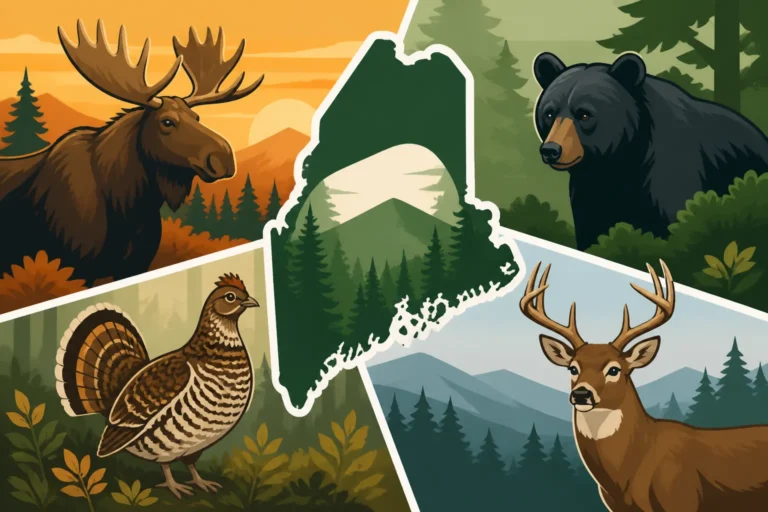
For many, the ultimate prize is Moose in Maine's North Woods, found in the vast, remote forests of Aroostook, Piscataquis, and Somerset counties. These areas are characterized by dense timber, bogs, and clear-cuts, often requiring extensive travel on logging roads. White-Tailed Deer Across Maine offer a more widespread opportunity, from the dense cedar swamps of northern Maine, which serve as crucial Maine Deer Wintering Yards Explained, to the agricultural edges and mixed forests of central and southern Maine. Hunters chasing deer might find themselves still-hunting a timber stand or sitting over a secluded apple orchard. Black Bears in Maine are also abundant, particularly in the vast, unpopulated areas of the state, often hunted over bait or with hounds in thick cover. Beyond the big game, Maine also offers exceptional opportunities for smaller species. Wild Turkeys in Maine have made a remarkable comeback, with thriving populations in many WMDs, offering exciting spring and fall seasons. Ruffed Grouse in Maine and American Woodcock in Maine provide fantastic upland bird hunting in alder runs and mixed growth. Then there's the unique thrill of Sea Ducks Along the Maine Coast, pursuing eiders, scoters, and long-tailed ducks from specialized boats in the challenging coastal waters. Each of these species demands different tactics, knowledge of specific habitats, and often specialized gear, all of which weigh heavily on the self-guided versus outfitted decision.
The Allure and Challenges of Self-Guided Hunts
There's a raw, undeniable appeal to a self-guided hunt in Maine. It's the quintessential wilderness experience, a chance to truly pit your skills against the elements and the game on their terms. But with that freedom comes a host of challenges that can quickly turn a dream hunt into a grueling test of endurance and resolve.
The Freedom and Reward of DIY
For many seasoned hunters, the decision to go self-guided isn't just about saving money; it's about the profound satisfaction of a do-it-yourself adventure. There's an immense pride that comes from meticulously researching an area, pouring over maps and aerial photos, physically scouting the terrain, and ultimately, finding success entirely on your own terms. It’s about the quiet mornings where you're the first one to step onto that logging road, or the exhilarating moment you decipher fresh tracks in the snow, knowing you've earned every inch of that pursuit.
This approach offers unparalleled flexibility. You set your own schedule, choose your own hunting spots, and adapt your tactics on the fly without needing to consult a guide. If the weather shifts, or if your initial plan isn't producing, you have the freedom to pack up and relocate, chasing new leads based on your instincts. You control the pace, the effort, and every strategic decision, making the eventual harvest feel like an intensely personal triumph. It often involves building a deep, intimate knowledge of a specific tract of land, understanding its nuances, and watching it change through the seasons, which is a reward in itself. For many, this deeper connection to the land and the process is the ultimate draw of the self-guided hunt.
The Steep Learning Curve and Hidden Costs
While the freedom is intoxicating, the reality of a self-guided hunt, especially for those new to Maine, can be a steep and sometimes unforgiving learning curve. Maine's diverse and often rugged terrain presents significant navigational challenges. Dense forests, vast swamps, and confusing logging road networks can quickly disorient even experienced woodsmen. Without local knowledge, finding productive habitat for specific game can be like searching for a needle in a haystack, leading to wasted time and missed opportunities.
Consider the sheer amount of work involved:
- Scouting: This isn't just a pre-season activity; it's an ongoing process. You might spend days covering ground, reading sign, and trying to locate animal patterns. For out-of-state hunters, this often means multiple trips or relying heavily on digital tools like those that feature onX Layers for Maine Land Status which can only tell you so much from a screen.
- Logistics: You're responsible for everything – securing your Maine Hunting Licenses and What They Cost, transportation to and from your hunting area, setting up camp, cooking your meals, and packing all your gear. This includes everything from tents and sleeping bags to cooking equipment, first-aid supplies, and specialized hunting tools.
- Game Recovery: If you're fortunate enough to make a harvest, the real work often begins. Recovering a Field Dressing a Moose in the North Woods or even a large deer from remote, rugged terrain can be an monumental task, especially if you're alone or with an inexperienced group. You'll need to know how to properly field dress, quarter, and transport your animal, often for long distances over difficult ground. This might necessitate specific equipment like game carts, sleds, or even block and tackle systems.
- Safety: You are your own safety net. Injuries, getting lost, or equipment failures in remote areas can quickly escalate into serious situations. You need to be proficient with navigation, carry appropriate emergency gear, and have a solid communication plan, especially in areas with no cell service.
Then there are the "hidden" costs. While you avoid guide fees, you'll incur expenses for:
- Specialized Gear: Much of Maine's hunting requires durable, cold-weather gear, quality optics, and reliable firearms or archery equipment.
- Transportation: Fuel costs for extensive driving, especially in the vast North Maine Woods, can add up quickly. If you're flying in, the cost of transporting firearms or renting a suitable vehicle also factors in.
- Accommodation: Camping fees, cabin rentals, or hotel stays if you prefer more comfort.
- Food & Supplies: All your meals, snacks, and any incidental supplies for the duration of your trip.
- Processing: Unless you're proficient in Butchering a Deer at Camp, you'll likely incur costs for professional meat processing and taxidermy.
These expenses, when tallied up, can sometimes approach the cost of a basic guided trip, especially for non-residents.
The Advantages of an Outfitted Hunt
While self-guided hunts offer a unique satisfaction, opting for an outfitted hunt can drastically simplify the entire experience, especially for those new to Maine, short on time, or looking for a higher probability of success. A good outfitter doesn't just put you on game; they provide an entire support system.
Expert Knowledge and Local Intelligence
The most significant advantage of Hiring a Registered Maine Guide is access to their unparalleled local knowledge and experience. These are individuals who often live and breathe the Maine woods, spending countless hours scouting, observing game patterns, and understanding the subtle shifts in animal behavior based on weather, food sources, and pressure. They know the terrain like the back of their hand, from secret deer trails in dense cedar swamps to the specific cut-overs where moose are feeding.
An outfitter has already done the legwork:
- Pre-scouted Areas: They've spent weeks, sometimes months, prior to the season identifying active game sign, setting up stands, and monitoring patterns. This dramatically increases your chances of encountering your target animal.
- Access to Prime Land: Many outfitters have established relationships with private landowners or timber companies, securing exclusive hunting rights to prime parcels that might be inaccessible or unknown to the general public. For example, a guide running a Booking a Guided Aroostook Deer Hunt will likely have private land permissions set up.
- Understanding Animal Behavior: Maine guides know the nuances of local game. They can tell you When the Maine Rut Peaks in their area, what Late-Season Food Sources for Maine Whitetails are most productive, or how to Calling a Bull Moose in Late September effectively based on current conditions. This nuanced understanding is something that takes years for an individual hunter to develop.
- Adaptive Strategies: If conditions change – a sudden cold snap, heavy rain, or increased hunting pressure – a seasoned guide can quickly adapt the hunting strategy, moving you to different locations or employing different tactics to maximize your chances. This agility is something a self-guided hunter might struggle with, especially in unfamiliar territory.
Streamlined Logistics and Comfort
Beyond just putting you on game, an outfitted hunt removes the burden of logistics and often provides a level of comfort that can make the experience far more enjoyable. For many hunters, especially those with limited vacation time, maximizing hunting time rather than logistical headaches is paramount.
Consider what's typically included in a quality outfitter package:
- Accommodation: This could range from a rustic, cozy Maine Sporting Camps Explained in the remote North Woods to a comfortable lodge with all the amenities. You won't be setting up tents or worrying about where to sleep.
- Meals: Most outfitters provide hearty, home-cooked meals, ensuring you're well-fed and energized for your hunt. This means less time worrying about food prep and more time focusing on the hunt.
- Transportation in the Field: Your guide will typically provide transportation to and from hunting spots within their permitted area, often using specialized vehicles like ATVs or 4×4 trucks to access remote locations. This saves you wear and tear on your own vehicle and ensures you get to the best spots efficiently.
- Equipment Guidance: While you'll bring your personal hunting gear, guides can offer advice on what specific items are essential for their particular hunt, ensuring you're properly equipped for Maine's conditions.
- Full Service Support: For a hunt like Booking a Guided Maine Bear Hunt over bait, the outfitter handles all the baiting, setting up stands, and monitoring, allowing you to simply show up and hunt a prepared site.
This comprehensive support frees you up to truly immerse yourself in the hunting experience, without the constant worry of planning, cooking, or navigating.
Enhanced Safety and Recovery Resources
Safety should always be a top priority in the wilderness, and an outfitter provides a significant layer of security and peace of mind. Maine's wilderness can be unforgiving, and having an experienced professional by your side can be literally life-saving.
- Emergency Preparedness: Registered Maine guides are often trained in first aid and CPR, and they are intimately familiar with their hunting areas, including emergency access points and communication methods. They typically carry satellite phones or other devices for emergency communication in areas without cell service.
- Navigational Expertise: Getting lost in the vast Maine woods is a genuine concern for self-guided hunters. A guide eliminates this risk, ensuring you navigate safely to and from your hunting spots.
- Game Recovery Assistance: This is where a guide truly shines. After a successful shot, they are experts at Blood Trailing After Dark in Maine or tracking an animal through challenging terrain. They have the experience, the tools, and often extra hands to ensure your hard-earned animal is recovered efficiently and respectfully, even in the most remote locations. For large animals like moose, this often involves extensive effort to Getting a Moose Out of the North Woods, something nearly impossible for a solo hunter.
- Legal Compliance: Guides stay up-to-date on all Maine Hunting Licenses and What They Cost and regulations, ensuring your hunt is fully compliant with state laws. This is particularly valuable for complex hunts like Maine's WMD-Based Turkey Bag Limits or Maine's Antlerless Permit System, where zone-specific rules apply.
Ultimately, an outfitted hunt allows you to focus solely on the thrill of the chase, confident that the logistics, safety, and recovery are expertly managed.
Cost Considerations: Self-Guided vs. Outfitted
When planning a hunting trip to Maine, the financial aspect is almost always a major factor. It's easy to assume that a self-guided hunt will always be cheaper, but a true cost comparison needs to account for all expenses, not just the guide fee. Often, the perceived savings of going solo can be quickly eaten up by overlooked costs or unexpected challenges.
Breaking Down Self-Guided Expenses
On the surface, a self-guided hunt seems like the budget-friendly option. You're not paying a guide's daily rate or an all-inclusive package fee. However, the costs accumulate in many smaller, sometimes unexpected, ways.
Let's look at the typical breakdown:
- Licenses and Permits: This is a non-negotiable cost for any hunter. For non-residents, these can be substantial. You'll need a base Maine Nonresident License Options, plus specific permits for your target species, such as a Maine Muzzleloader Permit Costs or a Maine Spring Turkey Permit Rules. Don't forget the federal duck stamp and Maine HIP Certification for Bird Hunters if you're migratory bird hunting.
- Travel: This is often the biggest variable. If you're driving from a distant state, fuel costs, vehicle maintenance, and potentially tolls will add up. If flying, you'll have airfare, baggage fees (especially for firearms), and car rental expenses for a suitable vehicle (a 4×4 is often necessary in remote areas).
- Accommodation: Are you planning to camp? That requires a tent, sleeping bags, and cooking gear. Will you stay in motels or rent a cabin? These costs add up quickly over several days. Even in the North Maine Woods, there are North Maine Woods Camping Fees.
- Food and Drink: You'll be buying and preparing all your own meals, snacks, and beverages for the duration of the trip.
- Equipment: Do you have all the necessary gear for Maine's unpredictable weather and rugged terrain? This includes quality waterproof clothing, sturdy boots, optics (binoculars, spotting scope), a reliable firearm or bow, ammunition, a good GPS unit, maps, a compass, and emergency supplies. Factor in specialty items like a game cart for deer or a chainsaw for clearing downed trees if you're truly going remote.
- Meat Processing & Taxidermy: Unless you're doing it all yourself, there's a cost for having your game processed by a butcher and, if desired, a taxidermist. Field Dressing a Deer in Cold Weather and getting it to a processor quickly is crucial.
- Scouting Costs: If you're coming from out of state, a separate scouting trip can involve travel, lodging, and food, effectively doubling some of your travel expenses before the season even starts.
These costs, while seemingly small individually, can quickly escalate, especially for longer trips or if you need to purchase significant new gear.
Understanding Outfitter Packages and What's Included
Outfitted hunts typically come in packages, and understanding what's included is crucial for comparison. While the sticker price might seem high initially, it often encompasses many of the line-item expenses a self-guided hunter would pay separately.
Common inclusions in an outfitter package:
- Guide Services: The core offering – the expertise, knowledge, and labor of a Registered Maine Guide.
- Accommodation: From What a Sporting Camp Week Actually Costs to more modern lodges, your lodging is usually covered.
- Meals: Full board, including breakfast, lunch (often packed for the field), and dinner.
- In-Field Transportation: Transport to and from hunting areas each day.
- Pre-Scouting: The outfitter has already put in the time and effort to locate game.
- Game Retrieval: Assistance with field dressing and getting your animal back to camp.
- Some Gear: While you bring personal hunting equipment, some outfitters might provide certain items like blinds, stands, or even specialized decoys for a Decoying Eiders Off the Maine Coast trip.
What's typically not included:
- Licenses and Permits: You're almost always responsible for purchasing your own Maine Resident License Options or nonresident equivalent.
- Travel to the Lodge/Camp: Your airfare or fuel to get to the outfitter's base of operations. Some might offer Airport Pickup From Bangor or Portland for an extra fee.
- Meat Processing & Taxidermy: While they'll help with field dressing, the costs for a professional butcher and taxidermist are usually separate.
- Gratuities: Tipping a Maine Hunting Guide is customary and an important part of the overall cost.
- Personal Gear: Your firearm/bow, ammunition, clothing, boots, and personal items.
When comparing a multi-day outfitted hunt, consider the "per day" all-inclusive cost versus your estimated daily cost for a self-guided trip, factoring in everything from gas to groceries.
The Value Proposition of Guided Services
The higher upfront cost of an outfitted hunt is often justified by the immense value it provides. This value isn't just monetary; it's about efficiency, expertise, safety, and ultimately, a higher probability of success and a more enjoyable experience.
- Time Savings: For busy professionals, time is money. An outfitter saves you countless hours of research, scouting, and logistical planning. You show up, hunt, and leave.
- Increased Success Rates: While no hunt is guaranteed, a knowledgeable guide significantly increases your odds of finding and harvesting game. They put you in the right place at the right time, minimizing wasted effort.
- Reduced Stress: The mental load of a self-guided hunt can be immense. An outfitter handles the complexities, allowing you to relax and focus on the hunt itself.
- Safety Net: As discussed, a guide provides a critical safety buffer in unfamiliar and potentially dangerous terrain.
- Learning Opportunity: Hunting with an experienced Maine guide is an incredible educational experience. You can learn about tracking, calling, habitat, and local hunting techniques that would take years to acquire on your own.
- Memorable Experience: Beyond the harvest, many hunters cherish the camaraderie and stories shared with their guide, forming bonds that last a lifetime.
| Feature | Self-Guided Hunt | Outfitted Hunt |
|---|---|---|
| Cost (Upfront) | Lower (many smaller, accumulating expenses) | Higher (package price, but often all-inclusive) |
| Effort/Planning | Extensive (scouting, logistics, cooking, navigation) | Minimal (guide handles most planning and logistics) |
| Local Knowledge | DIY research, steep learning curve | Expert, current, localized intelligence from guide |
| Success Probability | Highly variable, depends on hunter's skill & luck | Generally higher due to guide's expertise & prep |
| Comfort/Amenities | Basic (camping, motels), self-provided | Often comfortable (lodge, cabin), meals provided |
| Game Recovery | Solely hunter's responsibility, can be challenging | Guide assistance, experienced help, proper gear |
| Safety Net | Solely hunter's responsibility, emergency prep vital | Guide provides emergency preparedness & local know-how |
| Flexibility | High (you set the agenda) | Moderate (follows outfitter's schedule/areas) |
| Learning Potential | High (hands-on problem solving) | High (learning from an expert) |
When you weigh the total cost, effort, and potential for a rewarding experience, an outfitted hunt often presents a compelling value proposition, especially for those seeking a more curated and efficient hunting adventure in Maine.
Navigating the Logistics: Planning Your Trip
Regardless of whether you choose a self-guided or outfitted hunt, a significant amount of planning is involved. However, the specifics of that planning change dramatically based on your chosen path. Understanding these differences can help you prepare for the challenges ahead.
Securing Licenses and Permits
This is square one for any Maine hunting trip. Maine has specific requirements for licenses and permits, which vary by residency, species, and even the method of take. You can't just show up and expect to hunt.
- Base Hunting License: All hunters, resident or nonresident, need a base hunting license. Nonresidents typically pay a higher fee. It's essential to understand Maine Nonresident License Options and purchase the correct one.
- Species-Specific Permits: For many sought-after species, a special permit or tag is required.
- Deer: While a base license allows you to hunt deer, an antlerless deer permit (often called an "Any-Deer Permit") is required in most Maine Antlerless Permit Districts if you wish to harvest a doe or fawn. These are issued through a lottery system, so applying on time is critical.
- Moose: Maine's Once-in-a-Lifetime Moose Lottery is highly competitive. Applying is a process that requires attention to deadlines and specific information. You also need a base hunting license to apply. If you're fortunate enough to draw a permit, you'll be assigned a specific What a Drawn Moose Zone Assignment Means and week to hunt.
- Bear: Maine offers three distinct bear seasons (bait, hounds, trapping), and while a base license covers some methods, others require additional permits or certifications, such as a Maine Bear Trapping License Rules. If you plan to hunt with bait, you must adhere to strict Maine Bear Bait Season Dates.
- Turkey: Both spring and fall turkey seasons require specific permits. Bag limits vary significantly by Maine's WMD-Based Turkey Bag Limits, so knowing your WMD is crucial.
- Migratory Birds: For species like sea ducks, you'll need a federal duck stamp and Maine HIP Certification for Bird Hunters in addition to your regular hunting license.
Online vs. In-Person: Maine offers convenient online purchasing for many licenses and permits through its online portal. However, some special permits, like the moose lottery application, have specific deadlines and processes. Always confirm the most current regulations and deadlines directly with the Maine Department of Inland Fisheries and Wildlife (MDIFW).
Travel, Accommodation, and Equipment Needs
Once your permits are secured, the practicalities of travel, lodging, and gear come into focus. This is where the self-guided and outfitted paths diverge significantly.
Self-Guided:
- Travel: You're arranging all your own transportation. If driving, consider the remoteness of your chosen hunting area and whether your vehicle is up to the task (e.g., clearance for logging roads). For those flying in, renting a truck or SUV capable of handling rough terrain is often necessary. Factor in the long distances within Maine, especially to the North Woods.
- Accommodation: This could mean booking a campsite in a Maine State Park Hunting Rules area, renting a remote cabin, or even securing a spot at a private campground. If you're backpacking into the wilderness, your tent, sleeping system, and cooking setup need to be top-notch and ultralight. Planning for Camping Rules Inside North Maine Woods is also crucial.
- Equipment: The list is extensive. Beyond your weapon of choice, you'll need:
- Navigation: Reliable GPS, paper maps (e.g., DeLorme's Maine Atlas and Gazetteer), compass, and potentially a satellite communication device like a Garmin inReach, especially if you're in areas with no cell service. Tools like Scouting With the Maine Hunting App can also be invaluable.
- Clothing: Layered system for warmth and moisture wicking, waterproof outer shell, insulated boots, hats, and gloves suitable for cold, wet Maine weather. How Much Blaze Orange Maine Requires is critical.
- Food & Water: Non-perishable food, water filter or purification tablets, and plenty of hydration.
- First Aid & Emergency Gear: Comprehensive kit, fire starter, headlamp, signaling mirror, whistle.
- Game Processing & Recovery: Knife, game bags, rope, bone saw, game cart or sled.
- Hunting Specific: Binos, rangefinder, calls, treestand or ground blind, scent control.
- Camp Gear: Stove, fuel, cooler, lanterns, seating.
Outfitted:
- Travel: Your primary concern is getting to the outfitter's lodge or meeting point. They'll typically handle transportation from there to the hunting grounds. Confirm if they offer airport pickups or if you need to rent a car to their base.
- Accommodation: This is usually provided as part of the package. Expect a rustic cabin, comfortable lodge, or sometimes a tent camp, depending on the outfitter and type of hunt. Inquire about sleeping arrangements and amenities.
- Equipment: While the outfitter provides the "infrastructure" (stands, blinds, in-field transport), you're still responsible for your personal hunting gear. The list will be similar to self-guided, but you might not need as much heavy camp gear. Always confirm with your guide what they provide and what you're expected to bring, especially for specialized hunts like Layout Boat Hunting the Maine Coast where specific boats and decoys are provided. Many outfitters offer a detailed packing list, which is an excellent resource.
In both scenarios, thorough preparation is paramount. Maine's variable weather and rugged terrain can quickly expose any shortcomings in your planning or gear.
Deciding What's Right for You: Factors to Consider
The choice between a self-guided and an outfitted hunt isn't a one-size-fits-all decision. It largely depends on your personal circumstances, hunting philosophy, and what you hope to get out of your Maine adventure. Reflecting on these factors honestly will guide you to the best option.
Your Hunting Experience and Skill Level
Your background as a hunter is perhaps the most critical factor in making this decision.
- For the Novice Hunter: If you're relatively new to hunting, or new to hunting in wilderness settings like Maine, an outfitted hunt is almost always the safer and more productive choice. Learning the ropes from an experienced Registered Maine Guide can fast-track your skills, teach you invaluable woods wisdom, and significantly reduce the frustration that can accompany a challenging self-guided trip. You'll learn about reading sign, tracking, calling, and appropriate tactics without the added pressure of self-navigation and logistics. It also ensures a safer experience in unfamiliar territory. Maine Hunter Education Requirements are mandatory for first-time hunters, but practical field experience is a different beast entirely.
- For the Experienced Hunter (New to Maine): Even if you've hunted extensively in other states, Maine presents unique challenges. Its dense cover, complex land ownership, and specific game behaviors can be a puzzle. A semi-guided hunt, where a guide provides access and initial setup but allows you more independence, can be a great middle ground. Alternatively, a fully outfitted trip for your first season in Maine can provide an excellent introduction, allowing you to learn the local nuances before attempting a fully self-guided trip in subsequent years.
- For the Seasoned Maine Woodsman: If you have years of experience hunting Maine, deep knowledge of specific areas, and confidence in your wilderness skills, a self-guided hunt offers the ultimate challenge and reward. You've likely developed your own network of access, scouting techniques, and recovery plans. The freedom to explore and adapt your hunt exactly as you see fit is often the driving force for these individuals.
Time Commitment and Group Dynamics
The amount of time you have available and who you'll be hunting with also play a significant role.
- Time Commitment:
- Limited Time: If you only have a few days of vacation to dedicate to hunting, an outfitted hunt maximizes your time in the field. The guide has already done the extensive scouting and preparation, allowing you to hit the ground running. You won't waste precious days figuring out where to go or recovering game. This is particularly true for big game hunts like Moose Hunting Maine's North Woods where opportunities are scarce.
- Abundant Time: If you have weeks or even a whole season to dedicate, a self-guided hunt allows for the necessary time investment in scouting, learning the land, and adapting to conditions. This approach is often chosen by those who view the entire process, from pre-season preparation to post-hunt processing, as part of the overall adventure.
- Group Dynamics:
- Solo Hunter: Hunting alone, especially in remote Maine, demands a very high level of self-reliance, wilderness survival skills, and a robust safety plan. It's often safer and more successful for a solo hunter to go with an outfitter.
- Hunting Partners: A self-guided hunt can be an incredible bonding experience for a group of experienced hunters who work well together. Shared responsibilities, mutual support in game recovery, and shared expenses can make it feasible. However, ensure everyone in the group is equally committed and capable; one weak link can jeopardize the entire trip.
- Mixed Experience Groups: If your group has a wide range of experience levels (e.g., a seasoned hunter bringing along a beginner), an outfitted trip can ensure everyone has a positive and safe experience. The guide can tailor advice and opportunities to different skill levels, preventing frustration for the less experienced while still offering challenges for the veterans. Many outfitters offer Family-Friendly Maine Sporting Camps or Youth Hunter Discounts on Guided Trips specifically for this scenario.
Ultimately, the best choice aligns with your personal hunting style, practical constraints, and desired level of challenge and comfort. There's no wrong answer, only the right one for you.
Finding the Right Resources: Booking and Preparation
Once you've weighed your options and decided whether to go self-guided or outfitted, the next step is finding the right resources and preparing effectively. This involves everything from researching outfitters to gathering essential mapping tools.
Researching and Vetting Outfitters
If you're leaning towards an outfitted hunt, selecting the right guide or outfitter is paramount. A good outfitter can make your trip, while a poor one can ruin it. Don't rush this process; treat it like a significant investment.
- Start Early: Especially for popular species like moose or prime deer season weeks, the best outfitters book up far in advance, sometimes a year or more. Why Moose Season Hunts Book Out a Year Early is a real phenomenon. Begin your search as soon as you know your intentions.
- Online Platforms: Websites like BookYourHunt and GoHunt can be excellent starting points. They aggregate numerous outfitters, often with photos, descriptions of their services, and sometimes even reviews. These platforms allow you to filter by species, region, and type of hunt, giving you a broad overview of available options. Just remember to use them as a springboard, not the final word.
- Direct Contact & References: Once you've identified potential outfitters, contact them directly. Ask specific Questions to Ask Before Booking an Outfitter. This includes details about their success rates (and what "success" means to them – opportunities vs. harvests), what's included in the package, lodging details, and what gear you'll need. Crucially, ask for references from past clients, ideally from the most recent season. Call those references and ask about their experience, the guide's professionalism, the quality of the camp, and whether they would hunt with them again.
- Check Licenses and Credentials: A legitimate Maine outfitter will be a Registered Maine Guide. You can often verify their license status with the Maine Department of Inland Fisheries and Wildlife. This ensures they meet the state's professional standards and carry appropriate insurance. Be wary of any operation that seems too good to be true or avoids discussing their licensing. Keep an eye out for Red Flags When Booking a Maine Hunt, such as vague answers about land access or a lack of clear pricing.
- Review Policies: Understand their deposit and cancellation policies, especially regarding weather, if your hunt involves coastal areas or flight access. Inquire about payment schedules and what happens if you don't fill your tag.
Essential Tools for Self-Guided Planning
For the self-guided hunter, effective preparation is a personal undertaking that relies heavily on thorough research and reliable tools. You are your own outfitter.
- Mapping Software and Apps: These are indispensable. Apps like onX Hunt, Gaia GPS, and Basemaps offer detailed topographical maps, satellite imagery, and crucial public/private land ownership overlays. You can mark waypoints, track your movements, and pre-plan routes. Many of these apps also highlight Maine Public Reserved Land Explained and WMAs. Another resource is GoHunt, which often provides filtering for public land access and species research.
- Physical Maps: Never rely solely on electronic devices. A durable, waterproof physical map (like the DeLorme Maine Atlas and Gazetteer) is a critical backup, especially in remote areas where batteries die and signals are nonexistent.
- Maine DIFW Resources: The MDIFW website is a treasure trove of information. Here you'll find current regulations, season dates, WMD maps, harvest reports (useful for understanding Maine Deer Harvest Records and Maine Moose Hunt Success Rates in specific areas), and public land access information. They often have specific guidance for Hunting a North Maine Woods Checkpoint Tract.
- Scouting Tools:
- Aerial Photos: Beyond mapping apps, detailed aerial photos can reveal crucial features like timber cuts, water sources, natural funnels, and bedding areas. Learning to interpret Reading Aerial Photos for North Woods Deer is a skill in itself.
- Trail Cameras: If you can make a pre-season scouting trip, strategically placed trail cameras can provide invaluable intelligence on game movement and patterns. Consider Where to Hang a Camera on a Logging Road.
- Boots on the Ground: Nothing beats firsthand knowledge. If possible, a dedicated scouting trip before the season can give you a feel for the terrain, identify active sign, and help you finalize your hunting strategy. This might include Scouting Maine Private Land Before Season for deer.
- Community Forums & Networks: Online hunting forums or local hunting clubs can be great places to gather general information, ask questions (respectfully, without asking for specific spots), and learn from other hunters' experiences in Maine. This informal networking can provide insights that aren't found in official guides.
Thorough preparation, whether it's vetting a guide or meticulously planning your self-guided route, is the cornerstone of a safe, ethical, and successful Maine hunting adventure.
Making the Most of Your Maine Hunting Adventure
No matter which path you choose – self-guided or outfitted – a Maine hunting trip is an experience that stays with you long after you've returned home. To truly maximize that adventure, focus on preparedness, ethical conduct, and an appreciation for the unique wilderness you're immersing yourself in.
Preparation is Key: Physical and Mental
Hunting in Maine, particularly for big game or in remote areas, is physically demanding. Dense forests, uneven terrain, and unpredictable weather require a certain level of fitness. Don't underestimate the physical toll of climbing hills, navigating swamps, or recovering a large animal from thick cover.
- Physical Conditioning: Start a fitness regimen well before your hunt. Focus on cardiovascular endurance (hiking, running), strength training (especially for carrying heavy loads like a quartered deer), and practicing with your gear. If you're planning a mountain hunt in Western Maine, simulate carrying a loaded pack up steep inclines.
- Mental Fortitude: The woods can test your patience and resolve. Be prepared for long hours, adverse weather, missed opportunities, and the mental challenge of staying focused and positive. Whether you're alone or with a group, a resilient mindset is crucial. Understand that success isn't just about pulling the trigger; it's about the entire journey.
- Gear Shakedown: Don't wait until opening morning to discover your boots leak or your pack doesn't fit right. Test all your gear, especially new items, during practice hikes or simulated hunting scenarios. Make sure your firearm is sighted in and you're proficient with your bow. This minimizes surprises and maximizes confidence in the field.
Respecting the Land and Its Wildlife
Maine's hunting heritage is built on a foundation of respect for the land, its wildlife, and fellow outdoor enthusiasts. Your conduct in the field directly impacts the future of hunting access and conservation.
- Ethical Hunting Practices: Always follow fair chase principles. Ensure you have a clean, ethical shot, and commit to Blood Trailing After Dark in Maine and recovering any animal you hit. Understand the legal definition of a "legal" animal (e.g., antler restrictions in certain areas) and avoid any temptation to push boundaries.
- Leave No Trace: Pack out everything you pack in. This includes spent shell casings, food wrappers, and any trash. Leave campsites cleaner than you found them. Be mindful of your impact on trails and sensitive habitats. If you're using a treestand on public land, adhere to Treestand Rules on Maine Public Land which often require removal at season's end.
- Landowner Relations: If you're hunting private land, whether by implied permission or with explicit permission, be an exemplary guest. Close gates, avoid disturbing livestock, and leave no trash. A simple thank you note after your hunt can go a long way in preserving Maine's Private Land Access Tradition for future generations. If you're knocking on doors, understand Do You Need Written Permission in Maine? (generally no, but always good practice).
- Game Management and Conservation: Recognize that hunting plays a vital role in wildlife management. Adhere to bag limits and reporting requirements, such as Registering a Maine Deer Online or checking specific species like turkey. Consider contributing to conservation organizations that work to preserve habitat and ensure healthy game populations in Maine. Understanding issues like Why Winter Ticks Are Killing Maine Moose Calves or Why CWD Has Never Reached Maine helps you appreciate the broader context of wildlife stewardship.
Whether you're calling a gobbler in a Maine's WMDs With Two-Bird Spring Limits district, glassing a cut for a bull moose, or stalking deer in a snowy cedar swamp, a Maine hunt is about more than just filling a tag. It's about connecting with nature, challenging yourself, and upholding a proud tradition. Approach it with respect, preparation, and a keen sense of adventure, and you'll find that Maine always delivers an unforgettable experience.
Disclaimer
This article is for general informational purposes only and does not constitute professional advice. Laws, prices and regulations vary by location and change over time. Consult a qualified professional for guidance on your specific situation.