What a Six-Day Moose Package Includes
The dream of a Maine moose hunt often conjures images of vast North Woods wilderness and the thrill of spotting one of these majestic creatures. However, when it comes to turning that dream into a reality, many hunters, especially those traveling from out of state, can feel overwhelmed trying to understand what a guided six-day moose package actually includes. It’s easy to get lost in the details, wondering what's covered in the price tag and what unexpected costs might crop up. This comprehensive guide is here to demystify those packages, breaking down the typical inclusions and common exclusions so you can plan your Maine moose adventure with confidence and no unwelcome surprises.
Understanding the Core Components of a Guided Moose Hunt Package
When you invest in a six-day guided moose package in Maine, you’re usually buying into a comprehensive experience designed to handle the logistics, leaving you free to focus on the hunt itself. Most reputable outfitters aim to provide a comfortable, productive, and memorable trip, but the exact offerings can vary. It’s crucial to understand these fundamental elements before you commit.
Professional Guide Services
At the heart of any guided package is, of course, the guide. Your Registered Maine Guide is your expert in the field, intimately familiar with the local terrain, moose behavior, and hunting regulations. For many, this is the most valuable part of the package. They're not just there to point out a moose; they're the ones who scout extensively before your arrival, know the logging roads, understand the specific habits of moose in different habitats, and can adapt tactics based on weather and moose movement.
A good guide will be with you from dawn until dusk, driving you to prime hunting areas, helping you glass clear-cuts, calling moose, and making decisions based on their deep knowledge of the land. This invaluable local expertise can make all the difference in a successful hunt. They know Where Maine's Moose Density Is Highest and the specific techniques to use in different parts of the expansive wilderness. The experience of having a seasoned professional lead the way, sharing their insights into Moose Hunting Maine's North Woods, is truly what sets a guided hunt apart from a self-guided endeavor, especially in vast, unfamiliar territory.
Lodging and Accommodations
For a six-day hunt, you'll need a comfortable place to rest your head each night. Most moose packages include lodging, which can range from rustic, cozy cabins deep in the North Woods to more modern, lodge-style accommodations with amenities. The type of lodging often depends on the outfitter's location and their specific setup. Some camps are remote, requiring travel deep into timber company lands, while others might be more accessible.
Regardless of the style, expect a clean, warm place to stay, often equipped with basic comforts. These camps become your home away from home, a place to recount the day's events, warm up by a woodstove, and prepare for the next morning's pursuit. Some sporting camps have a rich history, steeped in tradition, while others are newer, built with modern conveniences. It's always a good idea to inquire about the specific type of lodging and amenities offered, especially if you have particular preferences or needs.
Meals and Provisions
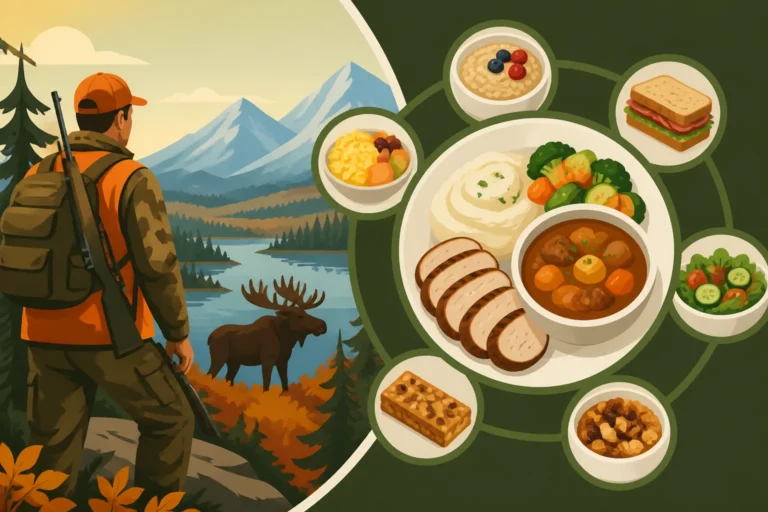
Hunting is hard work, and a good outfitter knows that proper fueling is essential. Most six-day moose packages will include all your meals for the duration of your stay. This typically means hearty breakfasts before heading out, packed lunches for the field, and delicious, often home-cooked dinners back at camp. Think stick-to-your-ribs fare – stews, roasts, chili, and plenty of coffee – designed to keep you energized through long days in the woods.
The quality and style of meals can vary from basic camp cooking to more gourmet offerings, depending on the outfitter. Some even offer a chance to try some local Maine specialties. Don't underestimate the comfort and convenience of having all your meals prepared for you after a strenuous day. It means less worrying about groceries and cooking, and more time focused on the hunt or simply relaxing. If you have any dietary restrictions or allergies, it’s absolutely critical to communicate these well in advance to your outfitter to ensure they can accommodate your needs.
In-Field Transportation
Navigating Maine's vast hunting areas, particularly the remote North Woods, requires specialized transportation. Your guided package will almost certainly include all necessary in-field transportation during the hunt. This usually means comfortable 4×4 vehicles, often trucks or SUVs, capable of handling rough logging roads and accessing remote hunting spots. Depending on the terrain and hunting strategy, it might also involve ATVs for reaching even more secluded areas.
The guide will handle all the driving, ensuring you get to and from your hunting locations safely and efficiently. This is particularly important for non-resident hunters who may not be familiar with the intricate network of private timber roads and the unique challenges of driving them. It also saves you the wear and tear on your own vehicle and the stress of navigation. Understanding How Far to Walk From a North Maine Woods Road is part of their expertise, and they'll get you as close as possible.
Field Dressing and Retrieval Assistance
Successfully harvesting a moose is an incredible achievement, but the work doesn't stop there. A key inclusion in most six-day moose packages is assistance with field dressing and game retrieval. Moose are massive animals, and getting one out of the woods, especially in rough terrain, is a monumental task that often requires specialized equipment and manpower. Your guide and their team will be instrumental in this process.
They'll help with the initial field dressing to cool the meat quickly, a critical step for preserving its quality. Then, they'll assist in hauling the moose out of the woods, whether by ATV, truck, or even manual labor. This can be one of the most physically demanding parts of the hunt, and having experienced help is invaluable. Don't underestimate this service; attempting to retrieve a moose on your own can be dangerous and extremely difficult. They're also skilled in Field Dressing a Moose in the North Woods and will ensure the meat is handled properly for transport.
Beyond the Basics: Essential Exclusions and Hidden Costs
While guided moose packages are designed to be comprehensive, there are always some items that are not typically included. Being aware of these exclusions beforehand is vital for accurate budgeting and to avoid any surprises once you arrive in Maine. Many hunters get caught off guard by these "hidden" costs, which can significantly add to the overall expense if not planned for.
Licenses, Permits, and Tags
This is probably the most common oversight for hunters booking a guided trip. Your hunting license, moose permit (tag), and any necessary endorsements (like a big game license or archery stamp) are almost universally not included in the outfitter's package price. These are personal documents that you, the hunter, are responsible for acquiring directly from the state. You’ll need to understand the Maine Hunting Licenses and What They Cost and specifically how to apply for the coveted Maine's Once-in-a-Lifetime Moose Lottery.
The application for a Maine moose permit is a lottery system, and winning a tag is the first major hurdle. Outfitters can guide you through the application process and even help you understand which zones might offer the best odds, but they cannot secure the tag for you. You'll also need to factor in the cost of your base hunting license, which varies for residents and non-residents, in addition to the moose permit fee itself. Ensure you have all the correct paperwork in hand well before your hunt date. You'll want to review the Maine Moose Lottery Application Process long before the season.
Meat Processing and Taxidermy
Once your moose is down and retrieved, the next step is processing the meat and potentially handling a trophy mount. These services are almost always separate costs from your guided package. While your guide will assist with field dressing, taking the animal from the field to a butcher or taxidermist is typically your responsibility, though many outfitters will help arrange transport to a local processor.
Moose yield a significant amount of meat, often several hundred pounds, so professional processing can be a substantial expense. Similarly, if you plan to have a European mount or a full shoulder mount, the cost of taxidermy is a significant investment. Research local options in Maine beforehand and factor these prices into your overall budget. Your outfitter can usually recommend trusted local businesses for both meat processing and taxidermy.
Personal Hunting Gear and Ammunition
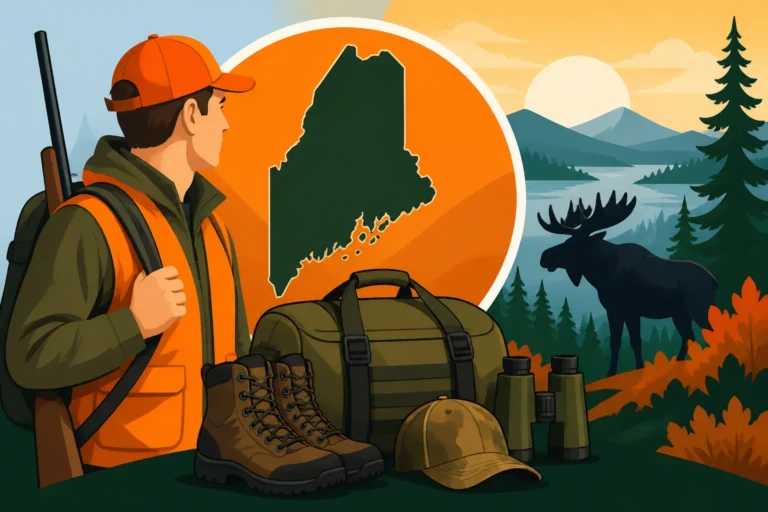
This might seem obvious, but it's worth stating: your personal hunting gear is not included. This encompasses everything from your rifle or bow and ammunition, to your hunting clothing, boots, backpack, binoculars, and any other personal items you bring into the field. While your guide will provide the means to hunt, you are responsible for outfitting yourself with appropriate, high-quality gear suitable for Maine's unpredictable weather.
Layering is key for Maine hunting, as temperatures can swing dramatically. Invest in good waterproof outerwear, warm base layers, and comfortable, broken-in hunting boots. Don't forget essentials like a headlamp, knife, compass, and any personal medications. Your guide might offer a suggested gear list, which is an excellent resource to ensure you're prepared for the conditions. Make sure your rifle is sighted in and you're proficient with your weapon.
Gratuities for Guides and Camp Staff
While not a mandatory fee, tipping your guide and any other camp staff (cooks, lodge caretakers) is a customary and expected part of the guided hunting experience. These individuals work incredibly hard, often putting in long hours in challenging conditions, to ensure your hunt is successful and enjoyable. Tips are a significant portion of their income and a way to show your appreciation for their efforts.
The amount you tip can vary based on your satisfaction with the service, but general guidelines exist. It's often calculated as a percentage of the total package cost. Make sure to budget for this in advance, and if possible, bring cash for tips. It's a small gesture that goes a long way in acknowledging their hard work and dedication. Knowing Standard Tip for a Moose Guide can help you plan this expense.
Choosing the Right Guide and Package for Your Hunt
With so many outfitters offering moose hunts, selecting the right one can feel daunting. This decision is paramount to the success and enjoyment of your trip. Don't rush into it; do your homework and make sure the package and the guide align with your expectations and hunting style.
Vetting Potential Outfitters
Before you commit to a specific package, take the time to thoroughly vet potential outfitters. Start by looking for guides who are Hiring a Registered Maine Guide. A legitimate Registered Maine Guide will have passed exams covering navigation, first aid, wildlife identification, and state regulations, among other things. They are professionals. Look at their websites, read testimonials, and don't hesitate to ask for references from past clients. A reputable outfitter will be happy to provide them.
Inquire about their experience, particularly with moose hunting in the specific WMD (Wildlife Management District) you're interested in. Ask about their typical hunting methods – do they focus on calling, still-hunting, glassing cuts, or a combination? Platforms like BookYourHunt can be a great resource for comparing different outfitters, reading reviews, and seeing what various packages include, giving you a broad overview of options. This allows you to check out multiple possibilities in one place and ensure you're getting a good fit for your hunting style.
Understanding Success Rates and Expectations
It’s easy to get caught up in success rates, but it's important to approach them with a dose of realism. A high success rate is a positive indicator, but it doesn't guarantee a harvest. Hunting, especially for a large, wary animal like a moose, is inherently unpredictable. Weather, moose movement, and even your own shooting proficiency all play a role. Discuss success rates with your potential outfitter, but also ask why they have those rates. What factors contribute to them?
A good outfitter will be transparent about what constitutes a "successful" hunt beyond just pulling the trigger. It includes the overall experience, the effort of the guide, and the quality of the camp. They should manage your expectations, emphasizing that it's a "hunt" not a "kill." Tools from GoHunt, which often compile data on various hunting areas and species, might even offer insights into success rates for certain regions, which can help inform your decision when choosing a WMD or a guide with experience in that area. Remember that Maine Moose Hunt Success Rates can vary from year to year and by WMD.
Customizing Your Package and Communicating Needs
Don't be afraid to ask about customization or if the outfitter can tailor aspects of the package to your specific needs. While a "six-day package" generally means a set itinerary, some outfitters might be flexible with certain elements. For example, if you prefer a more rustic experience over a deluxe lodge, or have specific dietary requirements, communicate this early on.
Clear and open communication with your outfitter before booking is absolutely critical. Ask detailed questions about every aspect of the hunt, from the daily schedule to game retrieval specifics. Get everything in writing if possible, particularly regarding costs, inclusions, and cancellation policies. This transparency ensures there are no misunderstandings later and that you're both on the same page for a fantastic hunting adventure. For instance, ask about their policy if What Happens If You Don't Draw a Moose Permit after you've booked a guide.
Making the Most of Your Six-Day Moose Adventure
A guided moose hunt is an investment, not just of money, but of time and energy. To ensure you get the absolute most out of your six days in Maine, preparation extends beyond just booking the trip.
Pre-Hunt Physical and Mental Preparation
Moose hunting can be physically demanding. While a guide will help minimize arduous trekking, you might still need to hike through challenging terrain, especially during game retrieval. Start a fitness regimen well before your hunt. Focus on cardiovascular health, leg strength, and endurance. Being in good physical condition will enhance your comfort, reduce fatigue, and allow you to stay in the field longer.
Mental preparation is just as important. Understand that hunting involves periods of patience, sometimes long hours of quiet observation. Be prepared for early mornings and late nights. Have a positive attitude and be ready to adapt to changing conditions. Embrace the wilderness experience, even if the moose aren't cooperating. This attitude will serve you well, especially when hunting something as elusive as a large bull moose. Packing for your adventure will require careful consideration, especially for Packing for a North Woods Moose Hunt.
Being a Good Client and Partner to Your Guide
Your guide is your partner in this endeavor, and a successful hunt often hinges on a strong client-guide relationship. Be respectful of their expertise and experience. Listen to their instructions and follow their lead in the field. They are working to put you on game and ensure your safety.
Communicate openly and honestly with your guide. If you're feeling tired, cold, or have questions, speak up. Let them know your physical limitations and your shooting capabilities. The more information they have, the better they can tailor the hunt to you. Be on time, prepared for the day, and contribute positively to the camp atmosphere. A good relationship with your guide will not only make the hunt more enjoyable but also increase your chances of success.
Managing Expectations and Enjoying the Process
It's easy to get caught up in the desire for a trophy, but try to keep your expectations realistic. A six-day moose hunt offers a fantastic opportunity, but there's no guarantee of a harvest. Focus on the entire experience: the stunning Maine wilderness, the camaraderie with your guide and fellow hunters, the quiet moments in nature, and the thrill of the chase.
Even if you don't fill your tag, a guided moose hunt is an unforgettable adventure. The lessons learned, the stories told, and the memories made will last a lifetime. Embrace the challenge, learn from your guide, and soak in every moment of being in Maine's incredible outdoors. Remember that What a Once-in-a-Lifetime Moose Tag Means isn't just about the kill, but the entire journey.
Table: Typical Moose Package Inclusions vs. Common Exclusions
To help clarify what you can generally expect from a six-day guided moose package in Maine, here's a quick reference table:
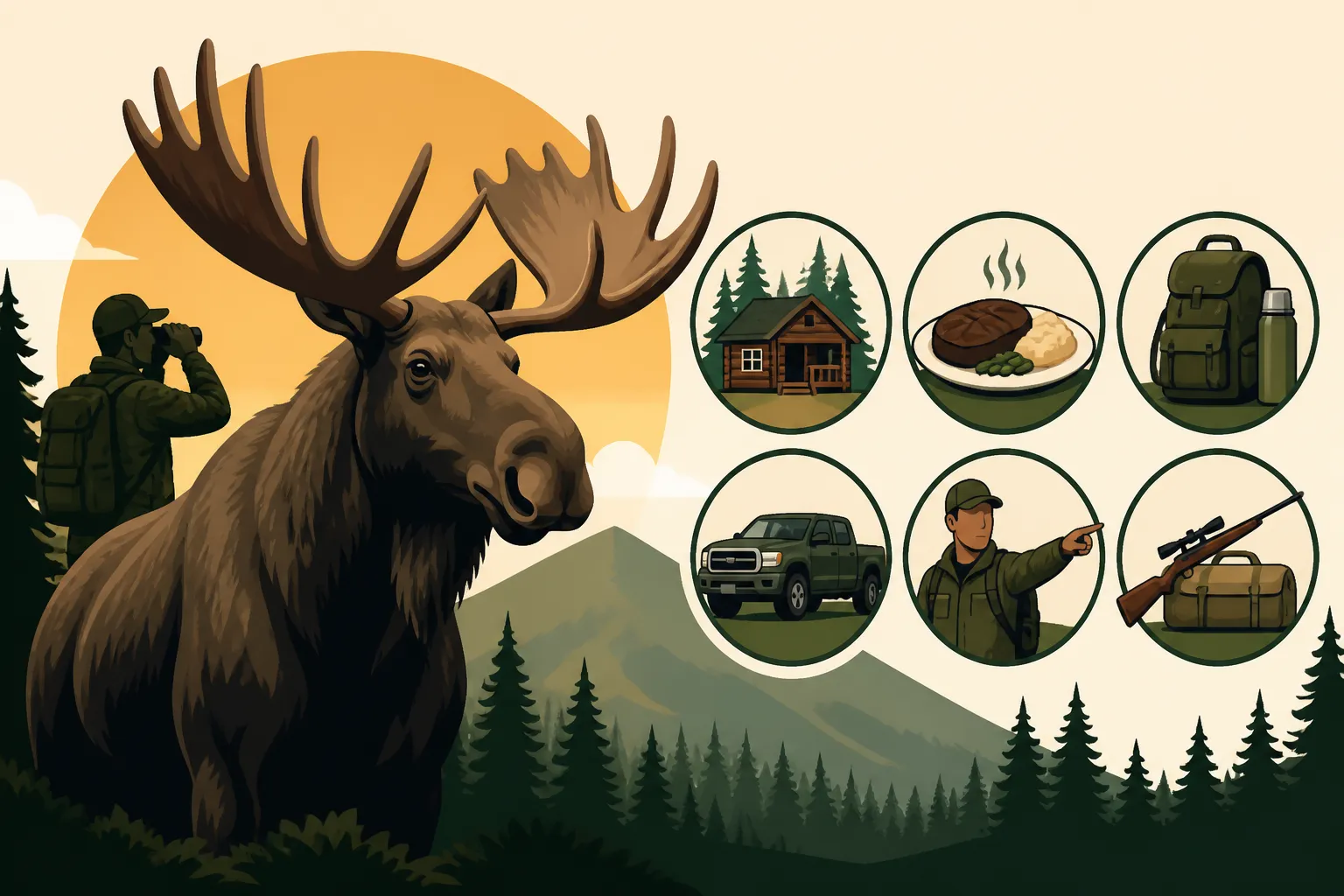
| Typically Included in Package | Commonly Excluded (Hunter's Responsibility) |
|---|---|
| Professional Registered Maine Guide Services | Hunting License (Resident/Non-Resident) |
| Lodging at Camp/Lodge | Maine Moose Permit (Tag) |
| All Meals (Breakfast, Lunch, Dinner) | Specialty Endorsements (e.g., archery, big game) |
| In-Field Transportation (4×4, ATV) | Meat Processing (butcher fees) |
| Field Dressing Assistance | Taxidermy Services |
| Game Retrieval Assistance to Camp | Personal Hunting Gear (weapon, ammo, clothing, boots) |
| Personal Items (toiletries, medications) | |
| Gratuities for Guide & Staff | |
| Travel to and from Maine/Outfitter's Meeting Point | |
| Alcoholic Beverages/Snacks Beyond Meals |
This table provides a general overview, and it's always best to get a detailed list of inclusions and exclusions directly from your chosen outfitter before booking.
Disclaimer
This article is for general informational purposes only and does not constitute professional advice. Laws, prices and regulations vary by location and change over time. Consult a qualified professional for guidance on your specific situation.