Hunting a Two-Bearded-Bird WMD in Spring
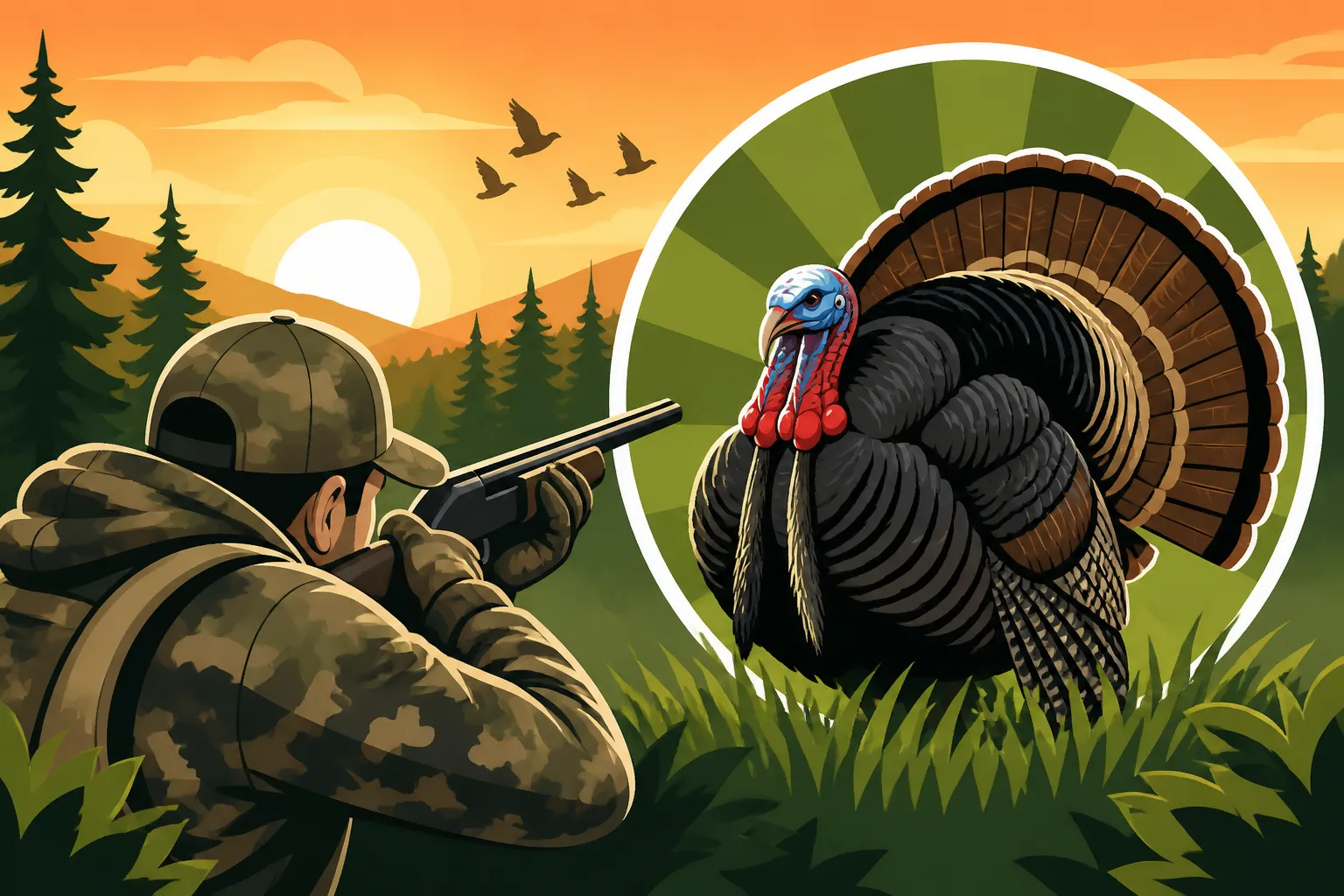
Spring turkey hunting in Maine is an exhilarating experience, but when you draw a permit for a "two-bearded-bird" Wildlife Management District (WMD), the stakes and the strategies shift dramatically. It's not just about getting a bird; it's about the unique challenge and opportunity to tag two bearded birds in the same season, often requiring different tactics than in a single-bird WMD. This guide will walk you through the nuances of maximizing your chances in these special zones, from understanding the regulations to advanced calling and setup techniques.
Understanding Maine's Two-Bearded-Bird WMD System
Maine's spring turkey season offers diverse opportunities, and the bag limits are specifically tied to the WMD you're hunting in. When you're in a WMD designated for "two bearded birds," it means you have the incredible chance to tag two gobblers or jakes, providing a truly unique hunting experience that requires careful planning and execution. This isn't just double the fun; it's double the strategy.
What "Two-Bearded-Bird" Truly Means
In Maine, a "bearded bird" refers to any wild turkey, male or female, that possesses a beard. While hens can sometimes grow beards, it's a rare occurrence, and for all practical hunting purposes, a bearded bird in the spring season means a gobbler or a jake. The regulations are clear: if your WMD allows for two bearded birds, you can legally harvest two male turkeys during the spring season. This contrasts sharply with WMDs that have a single bearded bird limit, where your hunt concludes as soon as that first bird is tagged. For more detailed information on regulations, checking the Maine Spring Turkey Permit Rules is always a good idea before heading out.
This generous bag limit isn't universal across the state. The Maine Department of Inland Fisheries and Wildlife (MDIFW) meticulously manages turkey populations, and these higher bag limits are typically implemented in WMDs where turkey numbers are robust and can sustain increased harvest pressure. These districts are often found in southern and central Maine, where agricultural land provides ample food, and milder winters contribute to higher turkey survival rates. Understanding which WMDs fall into this category is your first critical step, and planning your hunting locations around these zones can significantly increase your season's potential.
Identifying Your Permitted WMD and Bag Limit
Before you even think about stepping into the woods, it's absolutely crucial to confirm your specific WMD and its corresponding bag limit. Your hunting permit will clearly state the WMD you're allowed to hunt, and the official MDIFW hunting law book will detail the specific regulations for that zone, including whether it's a one-bearded-bird or a two-bearded-bird district. Don't rely on hearsay or assumptions; always verify directly with the official sources.
Many hunters find it helpful to use online mapping tools or apps to visualize WMD boundaries, overlaying them with potential hunting grounds. Platforms like GoHunt can be invaluable here, offering detailed topographical maps, satellite imagery, and often, WMD boundary lines that can help you plan your approach. This careful preparation is vital, especially when considering the significant difference between going home with one bird or potentially two. Knowing your boundaries and bag limits ensures you're hunting legally and ethically, making for a much more enjoyable and successful experience. Remember, ignorance of the law is no excuse, and Maine game wardens are diligent in ensuring compliance.
Strategic Scouting for Success in High-Limit Zones
Hunting in a two-bearded-bird WMD means you're not just looking for a gobbler; you're often looking for multiple opportunities. This requires a more intensive and nuanced scouting approach than you might employ in a single-bird zone. You need to identify areas with consistent turkey activity, multiple birds, and good access for setting up.
Early Season Roosting and Roaming
Early season scouting, often before the season even opens, is paramount. Turkeys, especially gobblers, tend to follow fairly predictable patterns in the spring. They'll roost in tall pines or hardwoods near water sources or food plots, and understanding their preferred roosting sites is critical. On these early mornings, focus on listening for gobblers sounding off from the roost. A locator call – an owl hooter or crow call – can help provoke a shock gobble without putting undue pressure on the birds with turkey calls themselves.
Once you pinpoint roost trees, don't immediately move in. Instead, observe their fly-down patterns and initial movements. Do they fly down into a field to strut? Do they head straight to a known feeding area or watering hole? Pay attention to strut zones, dusting bowls, and fresh tracks. In a two-bearded-bird WMD, you're looking for areas that consistently hold multiple birds. If you're hearing more than one gobbler sounding off from different directions on the same ridge, or seeing several jakes traveling together, that's a prime indicator of potential multiple-bird opportunities. Tools like GoHunt can help you mark these locations with precision, building a comprehensive map of turkey activity even before your permit is active. This detailed pre-season work sets the foundation for your actual hunt.
Identifying Multiple Gobbler Hotspots
Once the season is underway, your scouting shifts to locating active gobblers and, more importantly, patterns that might allow for a double-take. This means identifying areas where multiple gobblers regularly converge or where single birds are plentiful enough that you might encounter a second one after your initial harvest. Look for areas with diverse habitat—a mix of open fields, mature hardwoods, and dense evergreens. These varied terrains offer everything a turkey needs: food, cover, roosting sites, and strutting grounds.
Focus on saddles between ridges, creek bottoms, and field edges where birds frequently travel. Pay close attention to calls; if you're consistently hearing multiple gobblers answering your calls, or if different birds respond from various directions, you're in a good spot. Remember, even if you tag one bird early in the morning, the day isn't over. Keep scouting for that second opportunity. After harvesting your first bird, you might need to shift your focus to a completely different area, or even a different type of habitat, to find your second bearded bird. This requires adaptability and continued effort throughout the permitted season. A good resource for understanding these movements is the article on Maine Turkey Population Trends.
Calling Tactics for Multiple-Bird Opportunities
Calling for one gobbler is an art; calling for two is a masterclass. The presence of multiple birds can change their behavior significantly, and your calling strategy needs to adapt to encourage multiple birds to commit, or to call in a second bird after successfully tagging the first.
Engaging More Than One Gobbler
When you've located an area with multiple gobblers, your calling strategy becomes about creating competition and drawing them both in. Start with subtle hen yelps and clucks, mimicking a lone hen looking for company. If multiple gobblers respond, try to gauge their positions. If they're coming from different directions, you might need to adjust your setup to be visible from both approaches, or plan to target the closer, more aggressive bird first.
Consider using a mix of calls. A soft series of yelps, followed by some aggressive cutting, can often rile up multiple gobblers, making them more competitive. The key is to sound like an alluring hen that both birds want to find. Don't overcall; let the gobblers work. If you have a hunting partner, one can mimic a submissive hen while the other uses more aggressive calls to draw them closer. Sometimes, using a jake gobble tube or even a gobble call can trigger an aggressive response from multiple dominant gobblers who want to assert their territory. The article Calling an Early May Gobbler Off the Roost offers excellent foundational advice that can be adapted for multiple birds.
Post-Harvest Calling for Your Second Tag
Successfully taking your first bearded bird is a huge accomplishment, but in a two-bearded-bird WMD, your hunt isn't over. The challenge now is to call in a second bird. This often means completely changing your approach. If you just shot a gobbler that was part of a small group, the remaining birds might be spooked and wary. You might need to give the area a few hours to settle down, or move to a completely different location you've scouted.
When you do restart calling, be cautious. Begin with soft, inquisitive clucks and purrs, mimicking a hen that might have been separated from the flock. If you get a response, slowly increase the intensity. Sometimes, a "lonely hen" scenario is perfect for drawing in a second, less dominant gobbler or even a jake who might have been intimidated by the first bird you harvested. If you're hunting with a partner, one person can handle the first shot while the other immediately prepares to call in a second bird, being mindful of the first bird's position and the remaining birds' reaction. Patience is key here; the second bird often requires more finesse and a longer waiting game.
Field Setup and Decoy Strategies for a Double Take
When you have the opportunity to take two bearded birds, your setup and decoy strategy need to be meticulously planned to maximize your chances and handle the scenario of taking multiple birds from a single setup. This often involves careful consideration of concealment, shot angles, and decoy placement.
Optimal Blind and Concealment Placement
For a two-bearded-bird WMD, having a solid, comfortable, and well-concealed setup is even more critical. If you're planning on staying in one spot for an extended period or expecting multiple birds, a ground blind can be an excellent choice. It offers superior concealment, allows for subtle movements, and provides protection from the elements, which can be particularly useful during a long spring morning. Ensure your blind is brushed in thoroughly, breaking up its outline, and positioned with a good backdrop like a dense thicket or large tree.
When choosing your spot, consider the sun's position throughout the morning, as you want to avoid having it in your eyes or silhouetting you. Think about potential approach routes for the birds; often, they prefer to walk along edges or across open fields. Position your blind or choose your tree to offer multiple clear shooting lanes. If you’re not using a blind, select a wide tree that can break up your silhouette, making sure you have clear, unimpeded views of your decoy spread and likely approach lanes. Good concealment allows you to remain still and unnoticed, giving you the best chance for both opportunities. Detailed guides on Using a Ground Blind on Posted-Free Land can provide further insights.
Decoy Spreads for Multiple Bird Engagements
Decoy selection and placement are paramount in a two-bearded-bird scenario. You want a setup that's enticing enough to draw in multiple gobblers and hold their attention. A popular and effective spread is a jake decoy with one or two hen decoys. The jake acts as an immediate challenge to dominant gobblers, often making them charge in aggressively. The hen decoys provide the allure and realism.
Consider placing your jake decoy slightly off-center from your hen decoys, mimicking a young male trying to breed the hens. Position your decoys roughly 15-20 yards from your setup, ensuring they are well within your comfortable shooting range. Crucially, position your jake decoy so that an incoming gobbler will approach it, presenting a broadside shot for you. If you have two gobblers coming in, the competition generated by the jake decoy can often lead them both to approach the spread, giving you options. Some hunters even use two jake decoys to really amplify the challenge, hoping to bring in multiple birds looking for a fight. For more in-depth advice, check out Decoy Placement for Pressured Maine Birds.
| Decoy Type | Best Use for Two-Bearded-Bird WMD | Why It Works |
|---|---|---|
| Strutting Jake | Primary challenge, draws dominance | Aggressively challenges dominant gobblers, often bringing multiple birds to fight. |
| Breeding Hen | Allure, realism | Creates an irresistible scene, especially when paired with a jake. |
| Feeding Hen | Realistic, relaxed atmosphere | Signals safety and food, encouraging less dominant birds to approach. |
| Upright Hen | Attracts attention | Appears alert, drawing the eyes of distant gobblers. |
| Two Jakes | High aggression, double challenge | Can provoke intense territorial responses from multiple gobblers, increasing chances. |
Ethical Considerations and Responsible Hunting
Having the opportunity to harvest two bearded birds comes with a significant responsibility. Ethical hunting practices are always paramount, but when dealing with multiple animals, the need for clear decision-making, respect for the resource, and adherence to regulations becomes even more critical.
Making Ethical Shot Choices
When multiple gobblers approach your setup, it can be an incredibly exciting and intense moment. However, it's vital to maintain composure and make ethical shot choices. Never take a shot at a bird that is too far, obscured, or not presenting a clean, humane shot opportunity to the head and neck. In a situation with several birds, it can be tempting to rush, but a clean kill is always the priority. Wait for the bird you intend to shoot to offer a clear, unobstructed shot.
If you're hunting with a partner, communicate clearly before the birds are in range about who will take which bird, if possible. If a single bird offers a perfect shot, take it, then reassess for your second opportunity. Your goal is always a swift, humane harvest. This commitment to ethical hunting ensures you honor the animal and contribute to the positive image of hunters in Maine. It’s a core component of Maine Hunter Education Requirements.
Minimizing Disturbance After Your First Harvest
After successfully harvesting your first bearded bird, the instinct might be to immediately retrieve it. However, if your plan is to try for a second bird from the same or a nearby location, minimizing disturbance is key. If the first bird went down quickly and cleanly, and no other turkeys were immediately visible or spooked, you might consider leaving it in place (if safe and legal, and if weather conditions permit to prevent spoilage) and continuing to call for your second opportunity. The sight of a dead gobbler can sometimes even attract other curious birds, though this is not a guaranteed tactic.
More often, the better strategy is to retrieve your bird, quickly and quietly tag it, and then relocate to a fresh, undisturbed area you've previously scouted. This allows the first area to settle and gives you a new, unpressured location to try for your second bird. The movement required to retrieve and tag a bird, especially if other turkeys are in the vicinity, often puts remaining birds on high alert. Prioritize making your movements as discreet as possible, always mindful of the potential for a second shot. This kind of careful planning reflects the spirit of the Hunting the Youth Deer Weekend which also emphasizes responsible hunting practices.
Harvesting and Tagging Your Two Birds
The moment of truth arrives when you successfully take your two bearded birds. Knowing the proper procedures for field dressing, tagging, and transporting your turkeys is crucial for legal compliance and ensuring your hard-earned harvest is properly cared for.
Field Dressing and Temporary Transport
Once you've harvested your bearded bird, the first priority, after ensuring it's expired and tagged, is often to field dress it, especially if you're in a remote area or the weather is warm. Field dressing involves removing the entrails, which helps the carcass cool down faster and prevents meat spoilage. Lay the bird on its back, make a small incision near the vent, and carefully remove the internal organs. Many hunters choose to remove the crop as well, especially if it's full of moist material that can promote bacterial growth.
If you plan to hunt for your second bird immediately after taking the first, and are legally able to leave the first bird, ensure it's tagged and secured in a cool, shaded spot to minimize spoilage. If you're retrieving the bird and moving to a new location, place it in a game bag to keep it clean and protect it during transport. Always have a plan for how you'll get your birds out of the woods, especially if you're deep in the North Maine Woods. For extended waits or warmer temperatures, bringing a cooler with ice can be a lifesaver for preserving the meat quality. The same principles apply to other game, as discussed in Field Dressing a Deer in Cold Weather.
Legal Tagging and Registration Requirements
Maine has clear regulations for tagging and registering your turkey harvest. Immediately after harvesting your bird, you must attach your valid spring turkey permit to the bird. This permit has a designated tag that must be securely fastened to the turkey. The tag must remain attached to the bird until it is processed for consumption.
Beyond tagging, you are also required to register your turkey within 18 hours of harvest. Maine offers several convenient ways to do this: online through the MDIFW website, via phone, or at a designated tagging station. For hunters who frequently use digital tools, the MDIFW app can also facilitate registration, similar to how you would approach Registering a Maine Deer Online. Be prepared to provide information such as the WMD where the bird was harvested, the date of harvest, and whether it was a gobbler or jake. If you successfully harvest a second bearded bird in a two-bearded-bird WMD, you'll follow the exact same tagging and registration procedures for that bird using your second tag. Always double-check that you have two valid tags if you plan to hunt in a two-bearded-bird WMD.
Conclusion
Hunting a two-bearded-bird WMD in Maine's spring turkey season is a fantastic opportunity, offering twice the challenge and twice the reward. It demands a more strategic approach to scouting, calling, and fieldcraft than hunting in a single-bird zone. By understanding the regulations, putting in the effort during scouting, employing intelligent calling and decoy setups, and adhering to strict ethical practices, you significantly increase your chances of filling both your tags. Remember to always prioritize safety, respect for the game, and compliance with Maine's hunting laws. Good luck out there, and may your spring mornings be filled with thunderous gobblers!
Disclaimer
The information provided in this article is for general guidance only and does not constitute legal advice. Hunting regulations in Maine can change, and it is the hunter's sole responsibility to consult the most current official Maine Department of Inland Fisheries and Wildlife (MDIFW) hunting law book and regulations prior to any hunting activity. Always confirm WMD boundaries, bag limits, and specific season dates with official MDIFW sources.