Standard Tip for an Upland Bird Guide
Navigating the world of hunting guides can feel a bit like stepping into a social minefield, especially when it comes to the unspoken rules of tipping. Many of us worry about offending someone, appearing cheap, or simply getting it "wrong" when we want to show our appreciation for a hard day's work. This guide aims to clear up the confusion around the standard tip for an upland bird guide in Maine, offering practical advice and insight into what's considered fair and respectful in the Pine Tree State.
Why Tipping Matters in the Guiding World
It's easy to look at the overall cost of a guided hunt and assume that guides are making a killing, but that's often far from the truth. Tipping is a fundamental part of the guiding economy, and understanding why it's so crucial helps you appreciate the impact your gratuity has. It's not just about covering expenses; it's about acknowledging skill, effort, and dedication.
Understanding a Guide's Income and Effort
Many upland bird guides, particularly those working for smaller operations or independently, rely heavily on tips to supplement their often modest base pay. Think about it: they spend countless hours scouting new coverts, training and maintaining their dogs, servicing their vehicles, and preparing for your hunt long before you even arrive. Their equipment—shotguns, dog vests, boots, and even the fuel for their truck—all come out of their pocket. Tips aren't just a bonus; they're an expected and essential part of their livelihood, reflecting the direct value you place on their service. A guide who feels genuinely appreciated is far more likely to go above and beyond for future clients, knowing their efforts are recognized.
Beyond the actual hunt, consider the physical demands. Chasing grouse and woodcock through dense Maine alder runs and thick spruce cover is no easy feat. Guides are constantly navigating challenging terrain, managing the dogs, ensuring your safety, and working tirelessly to put you on birds, often carrying extra gear or even your birds at the end of the day. This isn't a cushy desk job; it's physically demanding work that requires specialized knowledge and constant attention to detail. Your tip acknowledges not just the birds in the bag, but the sweat, expertise, and sheer physical output your guide invested in your experience.
The Value of a Stellar Upland Bird Guide
A truly excellent upland bird guide in Maine offers so much more than just access to private land or permission to hunt specific coverts. They bring years, often decades, of localized knowledge about bird behavior, habitat, and the nuances of the season. They know which covert holds birds even after heavy pressure, how the weather affects scenting conditions for the dogs, and where to position you for the best shot opportunities. They often have well-trained dogs that are a joy to watch work, covering ground efficiently and holding staunch points that create those memorable moments. Booking an Upland Bird Hunt in Maine can be a fantastic experience, and a great guide is at the heart of it.
A stellar guide also acts as a teacher, patiently explaining dog work, offering shooting tips, and sharing insights into the rich history of upland hunting in Maine. They create an atmosphere that's both productive and enjoyable, fostering a sense of camaraderie and making you feel like a welcomed guest rather than just another client. This level of personalized service and deep expertise is invaluable, especially for those new to the sport or visiting Maine for the first time. The stories and memories you take home are often directly tied to the guide's ability to make the entire experience exceptional, far beyond the bird count.
The Standard Range: What's Typical for Upland Bird Hunts in Maine?
When it comes to tipping, there's a generally accepted range that most hunters adhere to. While it's ultimately your decision, understanding these norms can help you feel confident in your choice.
Factors Influencing Your Tip Amount
The standard tip for an upland bird guide typically falls within the range of 15% to 20% of the total hunt cost. This is a common benchmark across the guiding industry. However, several factors can and should influence whether you lean towards the lower or higher end of that spectrum, or even exceed it.
- Effort and Dedication: Did your guide work exceptionally hard? Were they constantly moving, adjusting, and communicating, even when birds were scarce or conditions tough? A guide who puts in maximum effort, regardless of the outcome, deserves to be recognized.
- Quality of Dogs: The dogs are often half the show in upland hunting. Were they well-behaved, responsive, and effective at finding and holding birds? A guide with stellar dogs has invested significant time and money, and their performance should absolutely factor into your tip. Booking a Bird Dog Guide Service often highlights the quality of the canine companions.
- Knowledge and Expertise: Did the guide demonstrate deep knowledge of the area, bird behavior, and hunting strategies? Did they offer valuable insights or coaching?
- Attitude and Professionalism: Was your guide friendly, personable, and attentive to your needs? Did they make the day enjoyable, regardless of the bird count? A positive attitude, even on slow days, is a huge plus.
- Success of the Hunt: While effort is paramount, a successful hunt with birds in the bag often naturally inspires a more generous tip. If you limited out or had multiple memorable flushes and shots, that certainly warrants leaning towards the higher end.
- Trip Duration: For multi-day hunts, the cumulative effort and dedication over several days might warrant a higher overall tip than a single-day outing. You might calculate the percentage per day or as a total for the entire package.
Consider this scenario: You booked a full-day grouse and woodcock hunt, and the weather turned nasty—rainy, windy, making bird activity sporadic. Despite the conditions, your guide, let's call him Mark, stayed incredibly positive. He didn't just drive you to a few spots; he diligently worked his dogs through every promising covert, encouraging them, and giving you detailed instructions on where to expect the flush. He shared stories about past hunts, kept your spirits up, and even helped you find a lost hat in the brush. While you might not have limited out, you had several solid opportunities and a genuinely good time, learning a lot along the way. In this case, even with fewer birds, Mark's exceptional effort and attitude warrant a tip at the higher end of the 15-20% scale, perhaps even a little more, because he made the most out of a challenging day.
Presenting Your Gratitude: Cash or Other Methods?
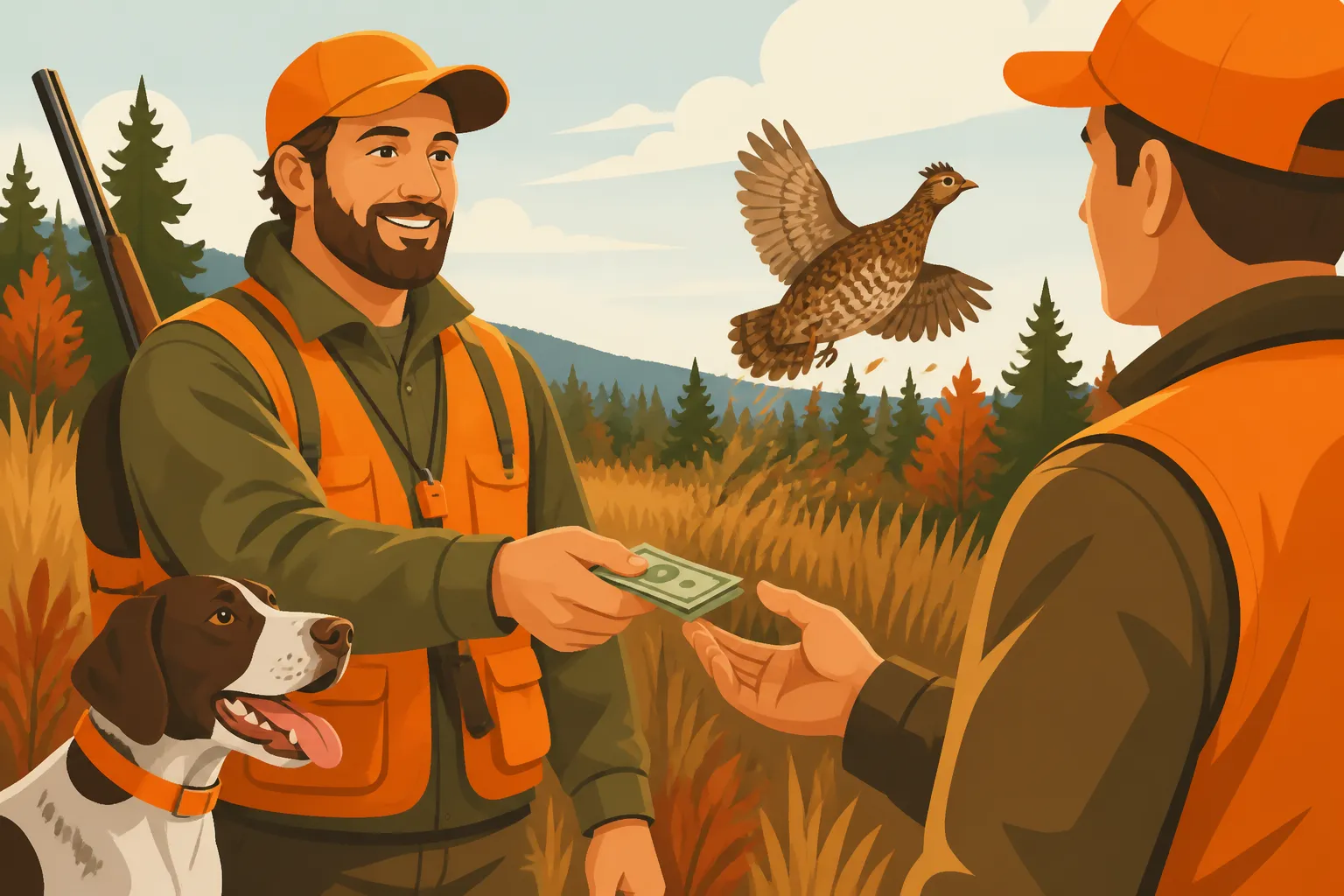
Cash is almost always king when it comes to tipping guides. It's immediate, private, and ensures they receive the full amount without any processing fees or delays. Handing a crisp envelope to your guide at the end of the day or trip is the most traditional and often preferred method. If you're using an outfitter, sometimes they'll have a system where you can add a tip to your card payment, but always ask if the full amount goes directly to the guide. In many cases, a portion might be withheld for fees, or it might be split among staff. Direct cash to your guide avoids any ambiguity.
Here's a quick reference table for general tipping guidelines:
| Service Level / Hunt Experience | Recommended Tip Range (of Hunt Cost) | Considerations |
|---|---|---|
| Excellent / Exceptional | 20% and above | Guide went above and beyond, outstanding dog work, high bird production (if applicable), fantastic demeanor, shared extensive knowledge, made the trip truly memorable. You felt incredibly valued and supported. |
| Good / Satisfactory | 15-20% | Guide was professional, worked hard, dogs performed well, decent bird opportunities, enjoyable experience. Met or slightly exceeded expectations, even if conditions were tough. |
| Average / Met Expectations | 10-15% | Guide fulfilled their duties, dogs were adequate, some bird opportunities, an acceptable day. No significant complaints, but nothing particularly stood out as exceptional. |
| Below Expectations | 0-10% (or adjust significantly) | Guide was disengaged, dogs poorly managed, safety concerns, lack of effort, poor communication. While a tip is customary, if the service was genuinely substandard and impacted your safety or enjoyment, a reduced tip (or none) can convey that. Always communicate serious issues to the outfitter privately. |
When you're trying to figure out which guide to book, especially for a specific type of hunt, sites like BookYourHunt or GoHunt often have reviews where previous clients might mention their tipping experiences or the overall quality of the guide. This can give you a subtle hint about expectations. Just remember that what one person considers a "good" experience might differ from yours, so always focus on your own perception of the service received.
Beyond the Money: Other Ways to Show Appreciation
While a monetary tip is the most common form of appreciation, it's certainly not the only way to express gratitude to your upland bird guide. Sometimes, a guide values other gestures just as much, if not more.
Genuine Feedback and Referrals
One of the most powerful things you can do for a guide, especially those running smaller, independent operations, is to provide genuine, positive feedback. This could be a heartfelt thank-you note, an email, or even a public review on their website or social media. In today's interconnected world, online reviews on platforms like BookYourHunt or GoHunt are incredibly valuable. When you leave a detailed, positive review highlighting specific aspects of your guide's performance—like their dog handling skills, knowledge of local coverts, or friendly demeanor—you’re directly helping them attract future clients. This kind of endorsement builds their reputation and can be more beneficial in the long run than a few extra dollars in tip money. Think about it: a guide’s business thrives on word-of-mouth and testimonials.
Beyond reviews, direct referrals are golden. If you had an amazing experience, tell your hunting buddies! Suggest your guide for their next trip. Offering to be a reference for future clients, where the guide can give your contact information to someone considering booking with them, is another fantastic way to show trust and appreciation. This helps the guide build a loyal client base, which is crucial for sustained success. It’s about building a relationship, not just completing a transaction. Questions to Ask a Maine Outfitter should always include inquiries about references, and if you become one, you're directly helping your guide's livelihood.
Small Gestures That Go a Long Way
Sometimes the simplest acts of kindness and thoughtfulness resonate deeply. Bringing a small, practical gift can be a wonderful way to show you appreciate your guide. This isn't about expensive presents, but rather something useful or personalized. For instance, a quality thermos of hot coffee on a chilly morning, a tin of homemade cookies, or a good pair of gloves if you noticed theirs were worn. Sharing your lunch or snacks, especially if you have something unique from your home region, can also be a nice touch that fosters camaraderie. I remember one hunter from out of state brought a local artisanal cheese, and it was a delightful surprise that sparked conversation and made the day feel more personal.
Another gesture is to offer help with the mundane tasks. Did you offer to help load or unload gear, clean birds, or even lend a hand washing down the dogs after a muddy day? These small acts of partnership demonstrate respect for their work and willingness to contribute beyond just being guided. It shows you value their time and effort and see yourself as part of the team, even for just a day. This kind of thoughtfulness often creates a lasting impression and helps forge a stronger bond between hunter and guide, making them remember you for future seasons.
Common Tipping Dilemmas and How to Navigate Them
Even with general guidelines, specific situations can make tipping feel awkward. What if the birds just aren't flying? What about group hunts? Knowing how to approach these scenarios can save you a lot of anxiety.
When the Hunt Doesn't Go as Planned
Let's face it, hunting isn't always about limits and overflowing game bags. Upland bird hunting, especially for wild birds like Ruffed Grouse and American Woodcock, can be notoriously unpredictable. Weather changes, bird migration patterns shift, or local populations might be down that season. So, what do you do if you booked a day, your guide worked tirelessly, the dogs were phenomenal, but the birds simply weren't there? This is where the effort-based tipping philosophy truly comes into play.
Your tip should primarily reflect the guide's effort, professionalism, and the quality of the overall experience, not solely the number of birds harvested. If your guide was enthusiastic, knowledgeable, and put you in the best possible positions given the circumstances, even if no shots were fired, they still deserve a respectable tip. A guide can control their effort, their dog training, and their attitude; they cannot control nature. Reducing a tip drastically because of a slow day, despite the guide's best efforts, can be incredibly demoralizing. Think back to Mark, our guide in the bad weather scenario. He didn't put a limit in your vest, but he gave you an experience. Your tip acknowledges that dedication. Grouse Hunting Maine Alder Runs or Woodcock Hunting Maine Covert Country can be tough, and a guide who sticks with it regardless is worth their weight in gold.
However, if the hunt didn't go as planned due to a lack of effort, preparedness, safety concerns, or poor professionalism on the guide's part, then a reduced tip is warranted. Perhaps the dogs were out of control, the guide seemed disinterested, or they weren't familiar with the area. In these rare cases, a significantly reduced tip (or even no tip, for severe issues) communicates your dissatisfaction. But remember, this should be an exception, not the rule, and it's often wise to communicate why you're disappointed, perhaps even directly to the guide or the outfitter if it's a serious issue. Always give them the opportunity to understand your perspective.
Group Hunt Tipping Etiquette
Group hunts can sometimes make tipping a bit more complicated, as individuals might have different budgets or perceptions of the guide's service. The general rule of thumb for group hunts is that each hunter should tip individually, based on their personal assessment of the guide's performance and their own budget. This prevents one person's generosity or frugality from skewing the guide's overall compensation.
Imagine you're on a two-day upland hunt with three friends. One friend had a banner day, shooting exceptionally well and bagging a limit. Another struggled with their shooting but had several great flushes. You had a good, steady hunt. If you all pooled your money and gave one lump sum, the guide might not feel adequately compensated for the friend who shot well, or conversely, might feel the overall tip was low if one person was particularly tight-fisted. By tipping individually, you each express your personal gratitude and assessment of the guide's work.
Sometimes, one person might volunteer to collect money from everyone to give a single tip to the guide. If this happens, ensure everyone contributes fairly and is comfortable with the amount. Discuss it discreetly as a group beforehand to avoid awkwardness. Also, consider if there are multiple guides, such as a head guide and a dog handler, or if multiple dogs were used throughout the day. It’s always polite to ask the head guide if there are others who contributed to the day’s success who should also receive a portion of the tip. This shows you’re thinking beyond just yourself and acknowledging everyone’s role in your experience.
Tipping a Maine Hunting Guide is a broad topic, but for upland birds, it’s always personal and reflective of your individual experience. Don’t feel pressured to over-tip if the service wasn't there, but certainly be generous when a guide has truly earned it.
Disclaimer
This article is for general informational purposes only and does not constitute professional advice. Laws, prices and regulations vary by location and change over time. Consult a qualified professional for guidance on your specific situation.