Filling Both Halves of a Two-Bear Limit
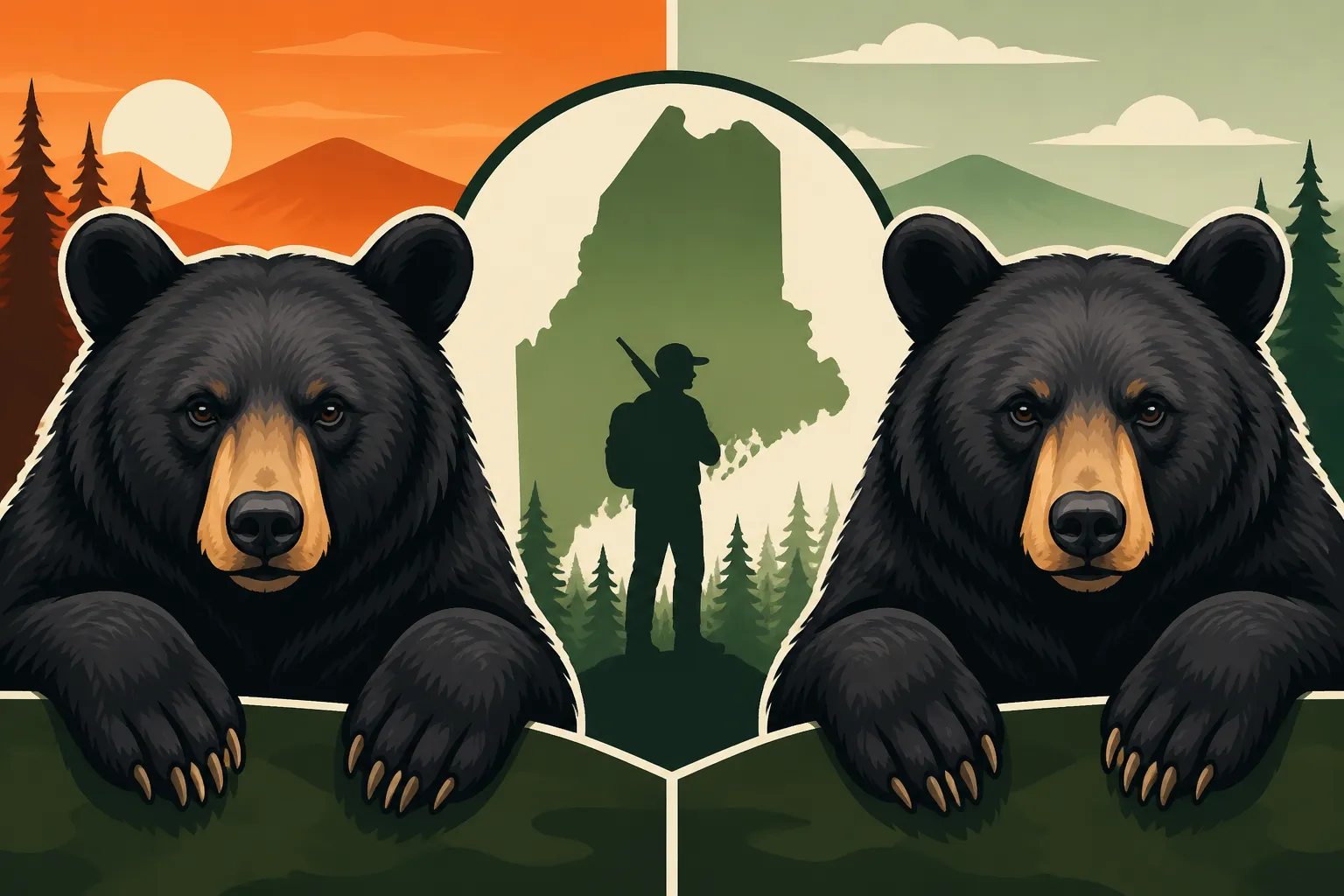
For many dedicated hunters, the idea of tagging two black bears in a single season might seem like a distant dream, but in Maine, it’s a very real and attainable goal thanks to our unique regulations. The challenge isn't just finding one bear, but strategically planning and executing a hunt that allows you to fill both halves of that coveted two-bear limit. This comprehensive guide will walk you through everything you need to know, from understanding the rules to mastering the tactics, ensuring you're well-prepared for a successful double harvest.
Navigating Maine's Generous Two-Bear Limit
Maine stands out from many other states because it permits a two-bear bag limit, a testament to our robust and healthy bear population, which is currently estimated to be around 36,000 animals. This isn't just a number; it reflects years of careful wildlife management that has created incredible opportunities for hunters. However, taking advantage of this generous limit requires a thorough understanding of the specific rules and a bit of savvy planning. It's not as simple as just going out and shooting two bears; there's a method to the madness.
Understanding the Regulations and Permit Structure
To legally hunt bear in Maine, you'll need a valid Maine hunting license, naturally, but also a specific bear hunting permit. This permit is what allows you the opportunity to take your first bear. The crucial detail for the two-bear limit comes from the state's allowance for specific methods, which often have overlapping or sequential seasons. For instance, you can take one bear using bait, another using hounds, or even one through trapping, as long as you possess the proper permits for each method. The regulations state that you can fill a second bear tag if it's harvested via a different method during its open season, or if you purchase a second bear permit for the general hunting season if you already filled your first using a specific method like bait or hounds. It's a bit of a dance between permits and methods.
One common scenario involves hunters who successfully harvest a bear during the popular bait season. Once that bear is tagged and registered, they then have the opportunity to acquire a second bear permit for the general hunting season, often referred to as the "still-hunting" or "stalking" season, which overlaps with parts of the firearm deer season. This second permit opens up a whole new set of possibilities. Similarly, a hunter might take a bear with hounds and then pursue a second during the general season or even through trapping, provided they've obtained the necessary Maine Bear Trapping License Rules. It's imperative to consult the current Maine Department of Inland Fisheries and Wildlife (MDIFW) regulations booklet each year, as season dates and specific rules can shift. Knowing the ins and outs of Maine Bear License Cost and securing the right permits before you head into the woods is absolutely non-negotiable.
Calendar Considerations for a Double Harvest
Timing is everything when you're aiming for two bears. Maine's bear hunting seasons are structured to offer different opportunities based on method, which inherently allows for the two-bear limit.
Let's break down the general calendar:
- Bait Season: This typically runs from late August through late September. It's a very popular method, and many hunters secure their first bear this way. If you plan to use bait, you'll need to be mindful of Maine Bear Bait Season Dates and ensure your site is prepared well in advance.
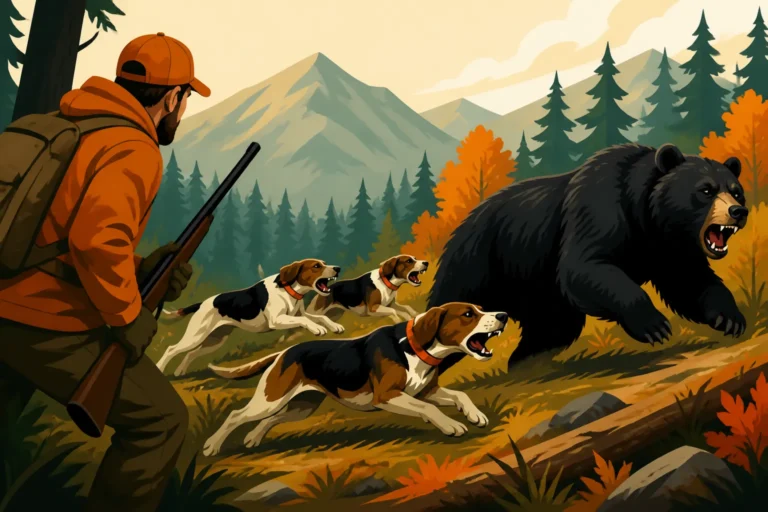
- Hound Season: This also runs from early September through late October, often overlapping with the bait season in its earlier weeks. Pursuing bears with hounds is a dynamic and physically demanding hunt, offering a completely different experience. Check the Maine Hound Season Dates for the exact period.
- Trapping Season: Bear trapping generally begins in September and can extend into late October or even early November, providing another avenue for a harvest. This requires specialized knowledge and permits.
- General Firearms Season (Still-Hunting/Stalking): This season usually starts in late October and runs through late November, overlapping significantly with the firearms deer season. This is often where hunters aim to fill their second tag, after having taken their first via bait or hounds.
Here's a simplified view of how these seasons often align, providing that window for a second opportunity:
| Hunting Method | Typical Start Date | Typical End Date | Key Considerations for Second Bear |
|---|---|---|---|
| Baiting | Late August | Late September | Ideal for first bear; allows transition to General Season. |
| Hounds | Early September | Late October | Can be first or second bear; requires dedicated effort. |
| Trapping | September | Early November | Specialized method; can be first or second bear. |
| General (Still-Hunting) | Late October | Late November | Primarily used for second bear after bait/hounds. |
A common strategy might be to harvest a bear during the bait season, which usually closes around When Maine's Bear Bait Season Closes, then pivot your focus to still-hunting during the general season. This strategy maximizes your time in the woods and leverages the different behaviors of bears as they transition from relying on bait sites to foraging for natural foods like acorns and beech nuts later in the fall. Similarly, someone who takes a bear using hounds, which often wraps up by When Maine's Bear Hound Season Closes, can then continue their pursuit on foot during the general season. It’s about understanding these seasonal overlaps and planning your attack accordingly.
Tactical Approaches for Securing Your Second Bear
Successfully filling a two-bear limit isn't just about knowing the rules; it's about having a robust hunting strategy that can adapt to different conditions and bear behaviors. While your first bear might be taken with one method, your second might require a completely different approach and skillset. This adaptability is key to consistent success.
Leveraging Different Hunting Methods for Success
The beauty of Maine's two-bear limit lies in the flexibility it offers by allowing different methods. This isn't just a regulatory quirk; it's a strategic advantage for hunters.
-
Baiting for the First Bear, Still-Hunting for the Second:
Many hunters find Baiting Black Bears Legally in Maine to be a highly effective method for their first bear. It allows you to monitor bear activity, choose your shot, and can be less physically demanding than other methods. Once that first tag is filled and registered, the transition to still-hunting for the second bear is a natural progression.- Post-Baiting Still-Hunt: After bait sites close or become less active, bears will shift their focus entirely to natural food sources. During late October and November, focus your efforts on areas with abundant mast crops like oak ridges, beech groves, or wild apple orchards. Bears will be actively feeding to put on weight before denning, making these areas hotspots.
- Cover and Travel Corridors: Still-hunting requires patience and keen observation. Bears, especially older, wiser ones, prefer dense cover. Focus on transitional areas, thickets along swamp edges, or dense spruce-fir stands near food sources. They'll use these travel corridors to move between bedding and feeding areas. This method is a true test of woodsmanship, demanding stealth and the ability to read subtle signs.
-
Hounds for the First Bear, Trapping or Still-Hunting for the Second:
Hunting Bear With Hounds in Maine is an exhilarating experience. The teamwork between handler, dogs, and hunter is unique. If you secure your first bear this way, you then have several options for your second.- Transition to Trapping: If you have the appropriate permits and knowledge, setting traps can be an effective way to target a second bear. Trapping requires different skills – understanding bear travel patterns, lure placement, and rigorous adherence to check times. Trapping Black Bears in Maine offers a different kind of challenge, often allowing access to bears that are more nocturnal or wary of human presence.
- Shifting to Still-Hunting: Similar to the baiting scenario, after the adrenaline rush of a hound hunt, you can calm things down and switch to a more solitary still-hunt. The general season, which runs concurrently with parts of the deer season, offers opportunities to find bears gorging on late-season browse or opportunistic carrion. The knowledge gained from scouting for hound hunts can often inform good still-hunting locations.
It's also worth noting that some outfitters offer Booking a Guided Maine Bear Hunt that specifically targets filling both tags, often combining baiting with subsequent still-hunting or hound hunting with trapping, leveraging their expertise and access to maximize your chances. Using mapping tools like GoHunt can be incredibly valuable here, allowing you to scout potential still-hunting areas remotely, identifying mast crop locations, dense cover, and likely travel corridors based on topographical features and satellite imagery.
Adapting Your Strategy for Second Bear Opportunities
The strategies for a second bear often differ significantly from the first. Bears that have avoided bait sites or outsmarted hound packs are often more cunning and wary.
-
Focusing on Overlooked Areas:
After the initial rush of the bait and early hound seasons, many of the easily accessible areas may have seen significant hunting pressure. For your second bear, think outside the box. Look at less traveled logging roads, deeper into large tracts of public land, or areas with difficult access where other hunters might shy away. Bears are masters of finding sanctuary, and the deepest, thickest cover is often where they'll retreat. Scouting for remote natural food sources, like stands of beech trees in areas far from roads, can be highly effective. The Maine Bear Population Estimate suggests plenty of bears are out there, but finding a second, more elusive one demands extra effort. -
Changing Tactics Based on Weather and Food Availability:
Late-season bear hunting, especially during the general firearms season, is heavily influenced by weather and dwindling food sources.- Cold Fronts and Feeding Frenzies: A sharp drop in temperature can trigger a feeding frenzy as bears try to pack on more calories before denning. Monitor weather patterns and be in the woods during these windows.
- Snow Tracking: If an early snowfall occurs, tracking becomes an invaluable tool. Fresh snow can reveal recent bear movement, allowing you to pinpoint their travel routes and even determine their size. Learning to interpret tracks and sign, like claw marks on trees or scat, becomes critical. Remember, Judging a Legal Bear From a Sow With Cubs is even more important when tracking, as you might get a quick glimpse.
- Late-Season Food: As natural food becomes scarce, bears might visit standing cornfields or even search for old apple trees that still hold fruit. Don't overlook these atypical locations for a late-season opportunity.
-
Increased Mobility and Adaptability:
Unlike sitting over a bait barrel, still-hunting for a second bear often requires a more mobile approach. Cover more ground, glass clear-cuts and open areas at dawn and dusk, and be prepared to move if sign isn't fresh. Use binoculars to scan distant hillsides and remote clearings. Having a reliable mapping application like the GoHunt app on your phone can make all the difference, helping you identify potential bedding areas, travel corridors, and escape routes in real time, even in unfamiliar territory.
Essential Logistics and Planning for a Double Harvest
Taking one bear is an accomplishment; taking two in a single season is a logistical undertaking that requires careful planning beyond just the hunt itself. From gear considerations to post-harvest care, every detail matters when you're dealing with potentially hundreds of pounds of wild game meat.
Essential Gear and Preparation for Success
Successfully pursuing a second bear often means hunting under different conditions than your first, especially if you're transitioning from early-season baiting to late-season still-hunting. Your gear needs to reflect this flexibility.
- Appropriate Clothing Layers: Maine weather in the fall can be wildly unpredictable. An early September bait hunt might be warm and buggy, while a late November still-hunt for your second bear could involve freezing temperatures and snow. Layering is paramount. Invest in good quality base layers, insulating mid-layers, and a waterproof/windproof outer shell. Merino wool is excellent for both warmth and moisture wicking. Don't forget insulated boots and warm gloves, especially for those cold, quiet sits or slow stalks.
- Navigation and Scouting Tools: For successful still-hunting, particularly in the vastness of the North Woods, reliable navigation is a lifesaver. A GPS unit and a physical map and compass are essential backups. Modern hunting apps like the GoHunt app provide detailed satellite imagery, topographical maps, and public land boundaries, which are invaluable for scouting and navigating in real-time. Use these tools to identify potential feeding areas, dense bedding cover, and natural funnels that bears might use. This foresight significantly increases your chances of encountering a second, elusive bear.
- Harvest and Processing Preparedness: When you're aiming for two bears, you need to be prepared for two significant harvests. This means having ample game bags, sharp knives, a reliable saw, and plenty of rope.
- Field Dressing Kit: Make sure your field dressing kit is fully stocked. Having a small bone saw can greatly assist in quartering a bear in the field, which is often necessary given their Average Weight of a Maine Black Bear.
- Cooling and Transport: Bears spoil quickly, especially if harvested during warmer early-season hunts. Plan for rapid cooling. Bring plenty of ice chests or large coolers. For a second bear in colder weather, hanging the carcass in a shady, secure location might suffice temporarily, but processing quickly is always best. Consider if you'll need to bone out the bear in the field to make extraction easier, particularly if you're deep in the woods.
- Backup Plan: What if you harvest your second bear hours from your vehicle? Having a buddy system, a game cart, or even a pre-planned extraction route using an ATV (where legal) can save you a ton of sweat and ensure your meat is handled properly.
Managing Your Harvests and Mandatory Reporting
The final, and perhaps most critical, logistical step after harvesting any bear in Maine is proper registration and reporting. When you're working with a two-bear limit, this becomes even more critical to ensure you remain compliant with state law.
-
Immediate Tagging and Notification:
Upon harvesting a bear, whether it's your first or second, you must immediately attach your validated bear permit tag to the animal. This tag must remain with the bear until it's processed. Beyond tagging, you are required to notify the MDIFW of your harvest within 24 hours. This can typically be done through their online system or by contacting a game warden. This initial notification is separate from the final registration. -
Mandatory Registration:
All harvested bears in Maine must be physically presented to a game warden or an official bear registration station within 72 hours of harvest. This is where the MDIFW collects vital data for population management, such as sex, weight, and tooth samples for aging. For two bears, you’ll go through this process twice, once for each animal. Be sure to have both your hunting license and bear permit(s) with you. They will confirm which tag corresponds to which bear and collect the necessary biological samples. Missing the Handling a Bear Harvest Check-In process can lead to serious penalties. -
Meat Care and Taxidermy Considerations:
With two bears, you're looking at a substantial amount of meat. Ensure you have the capacity to properly cool, process, and store all of it. Many hunters opt to take their bears to a professional butcher, especially if they harvest a second bear and don't have the time or facilities to process it themselves quickly. If you plan to have a hide tanned or a skull cleaned for a trophy, contact your taxidermist immediately after registration to ensure proper handling and preservation of the raw materials. Proper care in the field and during transport will dictate the quality of your finished products, whether it's delicious bear sausage or a stunning rug. Remember, a second bear means double the effort, but also double the reward.
Disclaimer
Always check the most current Maine Department of Inland Fisheries and Wildlife (MDIFW) regulations before planning any hunting trip, as rules, seasons, and permit requirements can change. This guide is for informational purposes only and is not a substitute for official state hunting regulations or professional guidance.