Running Beagles on a Maine Hare
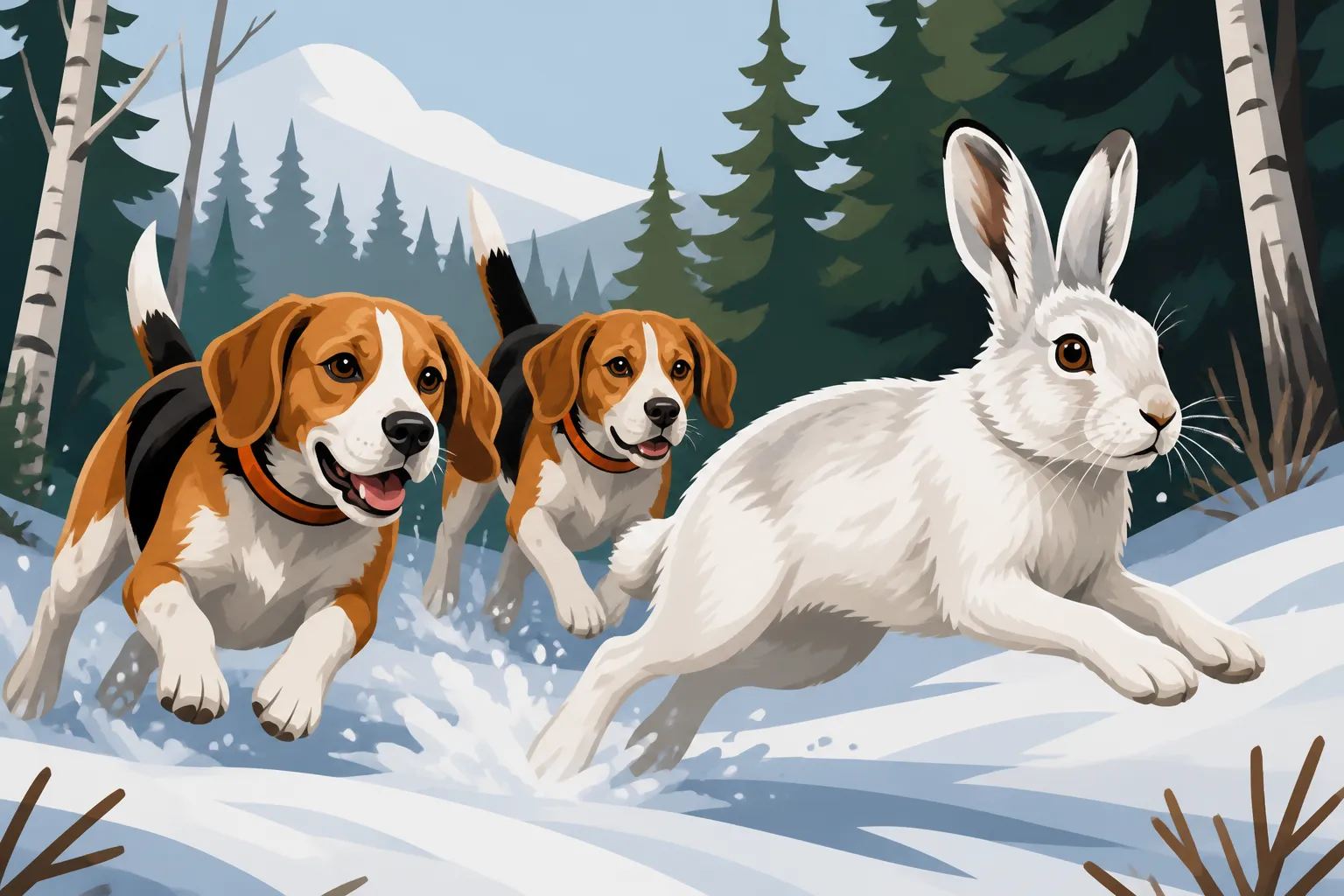
There's nothing quite like the sound of a beagle pack working a fresh track in the crisp Maine snow. But if you've ever tried to chase snowshoe hares with your dogs, you know it's not always a picture-perfect scene from a magazine. The deep snow, the dense cover, and those wily hares can make for a challenging day, leaving you wondering how to better support your hounds and actually put some rabbits in the pot. This guide is all about diving deep into the art and strategy of running beagles on Maine snowshoe hares, helping you understand the nuances, prepare properly, and ultimately enjoy more successful and satisfying hunts.
Understanding Maine's Enduring Hare and Beagle Hunting Culture
Hunting snowshoe hare with beagles is more than just a pastime in Maine; it’s a deeply ingrained tradition, especially in the state’s wilder northern and eastern reaches. Many families have passed down their packs and hunting knowledge for generations, creating a vibrant subculture of dedicated "rabbit hunters." It's a sport that celebrates the dog's innate abilities, the camaraderie of the hunt, and the simple satisfaction of a successful chase in the wilderness. It's also a fantastic way to extend your hunting season into the colder months when deer and moose seasons have long since closed.
The Enduring Tradition of Hare Hunting in Maine
For decades, the chase of the snowshoe hare has been a staple of winter hunting in Maine. Long before high-tech optics and long-range rifles became commonplace, hunters relied on the keen noses and relentless drive of their hounds. This tradition is built on a profound respect for the dogs and their incredible tracking abilities. There's an old saying that a good rabbit dog is worth more than a good hunting rifle, and anyone who has witnessed a well-trained pack unravel a cold track through a maze of blown-down timber understands why. It’s a primal pursuit that connects hunters to simpler times and the pure joy of watching dogs work.
The culture around beagle hunting here isn't just about the hunt itself; it extends to the kennels, the breeding programs, and the friendly rivalries at local field trials. Enthusiasts often spend countless hours year-round conditioning their dogs, maintaining bloodlines, and sharing stories of epic chases. It’s a community where advice is freely given, and a helping hand is always offered, especially to new hunters eager to learn the ropes. The pursuit offers a unique connection to Maine's rugged landscape and its hardy inhabitants, both human and animal.
What Makes Maine Ideal for Hare and Beagles
Maine's diverse landscape, characterized by vast tracts of timberland, regenerating clear-cuts, and extensive cedar swamps, provides exceptional habitat for snowshoe hares. These environments offer the dense cover and abundant browse that hares need to thrive, even during harsh winters. The snowfall, often heavy and persistent, also plays a crucial role. A blanket of fresh snow makes tracking easier for beagles, muffling their sounds slightly but also preserving scent for longer periods, allowing them to truly shine.
The sheer amount of undeveloped land, particularly in the North Maine Woods and eastern counties, means there's ample room for beagles to run without constantly bumping into roads or private property boundaries. This expansive, wild territory is a beagle hunter's dream, offering endless opportunities to find fresh tracks and experience unpressured chases. While you should always be mindful of where you're hunting and respect all posted signs, Maine's implied permission tradition on unposted private land allows for incredible access, making it a premier destination for small game hunting. For specific access points, checking resources like Maine Wildlife Management Areas or Maine Public Reserved Land Explained can be very helpful.
Understanding Maine's Snowshoe Hare Habits
Snowshoe hares, often called "rabbits" by Mainers, are master adapters. Their ability to change coat color from brown in summer to pure white in winter provides incredible camouflage against the snow. They are primarily nocturnal, feeding on twigs, bark, and buds of various shrubs and young trees. During the day, they typically bed down in dense cover, making them difficult to spot without the aid of a dog. When startled, they can run incredibly fast, but their natural instinct is to run in large, predictable circles, often returning close to where they were jumped.
Understanding these circular patterns is key to successful beagle hunting. The size and tightness of a hare's circle can vary based on the terrain, density of cover, and pressure from the dogs. In very thick spruce or cedar, they might make tight circles, while in more open hardwoods or younger cuts, their loops can expand significantly. Weather conditions also play a role; on cold, still days, scent holds better, and hares might run longer, while windy days can disperse scent quickly, making it harder for the dogs to stay on track. Knowing these habits allows hunters to position themselves strategically, anticipating where the hare will inevitably pass, giving you a shot.
Essential Gear and Preparation for Beagle Hunting
Just like any outdoor pursuit in Maine, success and safety in beagle hunting come down to preparation. This isn't a casual stroll in the park; you'll be traversing challenging terrain, often in bitter cold. Having the right gear for both you and your dogs is non-negotiable. Don't underestimate the demands of a full day spent chasing rabbits, especially when you're wading through knee-deep snow and navigating dense regenerating growth.
Outfitting Your Beagles for Maine's Backcountry
Your dogs are your primary tools, and their well-being is paramount. First and foremost, a properly fitting, bright blaze orange vest or collar is essential for visibility, especially if you're hunting with multiple people. Many hunters also equip their dogs with GPS tracking collars, which are an absolute lifesaver in Maine's vast and often featureless woods. Brands like Garmin's Alpha or SportDOG Tek series are popular choices, allowing you to monitor your dogs' locations, track their movements, and even call them back with tone or vibration commands from your handheld unit. This technology not only prevents lost dogs but also helps you understand the hares' running patterns.
Beyond tracking, consider paw protection for your dogs. Snow, ice, and frozen crust can be brutal on their pads. Musher's Secret or similar paw waxes can help, but booties are often the best defense against cuts and abrasions, especially if your dogs aren't accustomed to rough winter terrain. Always carry a small first-aid kit for your dogs, including antiseptic wipes, bandages, and any necessary medications. Finally, ensure your beagles are well-conditioned. A lazy beagle won't keep up with a fast-running hare, and poorly conditioned dogs are more susceptible to injury or exhaustion in the deep snow. A vigorous off-season exercise regimen is crucial.
Crucial Hunter Gear for Deep Snow and Cold
You'll be standing and walking in challenging conditions, so your personal gear needs to be top-notch. Layering is key for staying warm and dry. Start with moisture-wicking base layers, add insulating mid-layers like fleece or down, and top it off with a waterproof and windproof outer shell in blaze orange or blaze pink. Remember, How Much Blaze Orange Maine Requires is important to know for safety. Insulated, waterproof boots with good traction are a must, ideally rated for sub-zero temperatures. Many hunters opt for chest waders or waterproof gaiters to keep snow out of their boots when trudging through deep drifts or crossing small brooks.
Beyond clothing, a comfortable and functional backpack is vital. Pack plenty of water (in an insulated bottle to prevent freezing), high-energy snacks, a thermos of hot coffee or soup, a map and compass (and knowing how to use them, even with a GPS), a headlamp, a basic first-aid kit, and extra batteries for your GPS and phone. A good, reliable shotgun (often a 12-gauge or 20-gauge) with appropriate shot size (like #6 or #4) is standard. Don't forget your hunting license and any necessary permits; you can find details on Maine Hunting Licenses and What They Cost. A strong game carrier or sled can also be invaluable for hauling out multiple hares, especially if you're deep in the woods. When you’re using an app like GoHunt for mapping, ensure your phone is fully charged and consider carrying a portable power bank, as cold weather can drain batteries quickly.
Scouting and Finding Prime Hare Habitat
Effective scouting can significantly increase your chances of success. Snowshoe hares prefer young, regenerating forest stands, especially those with a high density of conifers like spruce, fir, and cedar. These areas provide both food and escape cover. Look for thickets of young saplings, blowdowns, and particularly cedar swamps or alder runs. Often, these are the same places where you might find deer seeking shelter in the winter, especially when you are Reading a North Woods Deer Yard. When you Scouting With the Maine Hunting App, pay attention to areas marked as recent timber harvests or dense conifer stands near water sources.
Scouting isn't just about finding the right cover; it's also about looking for fresh sign. Tracks in the snow are the most obvious indicators. Look for the distinctive "snowshoe" print, with large hind feet landing ahead of the smaller front feet. Also, keep an eye out for fresh droppings (small, round pellets) and browse lines on young trees and shrubs, indicating active feeding. The best time to scout is often right after a fresh snowfall, which highlights recent activity. This pre-hunt reconnaissance allows you to identify promising areas where you can turn your dogs loose with a higher probability of jumping a hare. GoHunt’s detailed satellite imagery and property line layers can be incredibly useful for identifying these prime habitats from home.
Tracking and Running Hares with Beagles
The real magic happens when you turn your beagles loose. This is where their instinct, training, and your understanding of the chase come together. It's a symphony of barks and bawls, a dance between predator and prey, and your role is to be the conductor, knowing when to listen, when to move, and when to be patient.
Releasing Your Dogs and Interpreting Their Work
Once you've identified a promising area, it's time to unleash your hounds. Start by walking your dogs slowly through likely cover. Pay close attention to their behavior. When they hit a fresh scent, their demeanor will change; tails will wag furiously, noses will drop to the ground, and their barks will become more intense, often starting with a "chop" or "whine" as they work to unravel the track. This initial phase, known as "cold trailing," is critical. It might take some time for them to sort out a track, especially if it’s an older one or the scent is weak.
As the dogs get hotter on the trail, their baying will become more urgent and sustained – a full-throated, excited chorus. This is when the hare has been jumped, and the chase is officially on. Use your GPS unit to monitor their speed and direction. A fast, consistent pace usually means they are right on the hare's heels. If the dogs start to slow down, circle, or their barks become more hesitant, they might have lost the track. This is where your patience comes in. Let them work it out. Good beagles are masters at re-establishing a lost line. This patience is often rewarded, as you can see when reading guides like Snowshoe Hare Hunting With Beagles.
Anticipating the Hare's Circle and Interception Points
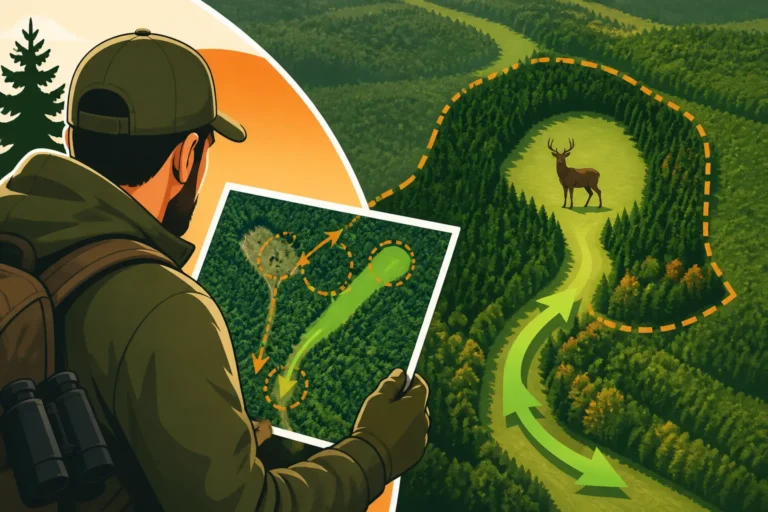
As mentioned earlier, hares typically run in a large circle, and your main job as a hunter is to anticipate this pattern. Once the dogs have pushed the hare for a while, listen carefully to their direction and speed. Using your GPS, you can often see the pattern developing on your screen. The hare will usually try to outwit the dogs by using dense cover, old logging roads, or even doubling back on its own tracks. Your job is to predict where the hare is likely to cross a more open area or a break in the cover, offering a shooting opportunity.
Position yourself strategically downwind of the dog's path, ideally near a natural funnel or a place where the cover thins out. Sometimes this means quietly moving to a known crossing point, other times it means standing perfectly still, listening. Often, the hare will loop around and try to sneak back near its original bedding area. Be prepared for a quick shot; hares are small and fast targets. Don't be afraid to relocate if the hare's pattern seems to be consistently taking it far from your initial position. Flexibility and quick decision-making are crucial. GoHunt’s topographic maps and public land layers can help identify these natural funnels and likely crossing points before you even step foot in the woods.
Ethical Considerations and Dog Safety
Safety should always be your top priority. Ensure your dogs are clearly visible with blaze orange. Be mindful of property lines; even with Maine's generous access laws, you never want your dogs to trespass on posted land or run into areas with hazards like roads or active logging operations. Carrying a whistle can be useful for recall, although most beagle hunters rely on voice commands and the GPS e-collar. Always be aware of other hunters, especially during overlapping seasons, and identify your target clearly before shooting.
When handling a harvested hare, teach your dogs to be "steady to shot" and retrieve gently. Reward them for their efforts with praise and a small treat. After the hunt, inspect your dogs thoroughly for any cuts, punctures, or frostbite. Provide them with plenty of water and a warm, secure place to rest. Their health and safety are paramount, and a well-cared-for pack will be eager to hunt again. Remember, the bond with your dogs is one of the most rewarding aspects of this sport.
Successful Strategies and Common Challenges
Even with the best dogs and gear, hunting hares in Maine presents unique challenges. Deep snow, thick cover, and the hare's cunning can test the patience of any hunter. But with smart strategies and a bit of perseverance, you can overcome these obstacles and enjoy consistent success.
Working with Multiple Dogs and Handling Difficult Runs
Most beagle hunters run a pack of two to five dogs. A pack allows for better scenting ability, higher drive, and the ability to split up and re-engage if a track is momentarily lost. However, it also requires more coordination. Learn the distinct voices of your dogs; some might be better cold trailers, others stronger on a hot track. When a run goes cold, or the dogs get "tied up" in particularly dense cover, sometimes it's best to move to a new area or help them find a fresh track. Don't let them dwell endlessly on a stale line.
Sometimes, a hare might decide not to circle, instead choosing to run straight out into a vast cedar swamp or thick clear-cut. This can be frustrating, especially if your dogs are out of earshot. This is where your GPS system is truly invaluable. If the dogs are pushing the hare far away, you might need to make a strategic move to cut them off or simply wait for them to work their way back. Patience is a virtue in these situations. You might find some of the advice in Running Beagles on a Maine Hare helpful for managing your pack effectively in these trickier scenarios.
Navigating Deep Snow and Dense Cover
Maine winters are known for their abundant snowfall, and Snowshoe Hare Hunting Deep Snow Cover can be exhausting. Deep snow slows hunters down significantly, but it can also benefit the dogs by preserving scent longer. Consider using snowshoes or skis to conserve energy and move more efficiently through unbroken snow. This allows you to keep up with your dogs better and reposition quickly when the hare makes its move.
Dense cover, characteristic of prime hare habitat, makes for tough walking and can limit visibility for shooting. In these areas, focus on listening to your dogs and predicting the hare's movement rather than trying to visually track the hare through the thicket. When a shot opportunity arises, it will likely be quick, so practice mounting your shotgun swiftly and accurately. Remember, the hare will often try to use the thickest brush as a shield from the dogs, so be ready for it to appear almost silently at the edge of an opening.
Maintaining the Pack's Enthusiasm and Conditioning
A successful beagle pack is one that is enthusiastic and well-conditioned throughout the entire season. Regular exercise, even on non-hunting days, is critical. This could include daily runs, swimming in warmer months, or even simply long walks through varied terrain. A dog that is physically fit will have better stamina, recover faster, and be less prone to injury. Furthermore, a consistent diet and proper veterinary care are essential for their overall health.
Beyond physical conditioning, maintaining mental enthusiasm is also important. Keep hunting trips positive experiences. Praise your dogs frequently, celebrate good finds, and don't be overly harsh when they make mistakes. The goal is to build their confidence and reinforce their natural desire to hunt. Sometimes, if the hunting has been tough for a few outings, taking them to a known hare hotspot or even releasing a pen-raised rabbit can help rekindle their drive. A happy, healthy, and eager pack will make for much more enjoyable and productive hunts throughout Maine's long winter Maine Snowshoe Hare Season Dates.
Comparing Hunting Scenarios and Challenges
| Scenario | Description | Hunter Strategy | Dog Considerations |
|---|---|---|---|
| Fresh Snow, Cold Day | Ideal conditions. Scent holds well, tracks are clear, hares often run consistent circles. | Focus on listening, anticipating predictable circles. Move to clearings or edges. | Dogs can work methodically. Good for younger dogs learning to cold trail. Paw protection still important. |
| Hard Crust, Icy Snow | Difficult. Scent is poor, hares can run silently on top, dogs struggle. | Look for recent tracks. Move slower, be very patient. Focus on very dense, protected cover areas. | Dogs' paws are vulnerable. Less scent makes it harder. May need to work harder to keep them on track. |
| Dense Cedar Swamp | Prime hare habitat, but thick cover. Hares make tight circles. | Position yourself on the edge or in a small opening. Be ready for quick, close shots. Visibility limited. | Dogs can get tangled. Their persistent baying is crucial for locating the hare in the thicket. |
| Open Hardwoods/Clear-cut | Hares might make larger, faster circles. More visibility for hunter. | Walk silently, listen for dog direction. Be ready for longer shots. Hares might run farther before circling. | Dogs might cover more ground. Need good stamina. Communication via GPS is vital if they go out of earshot. |
| Multiple Hares Jumped | Pack can split on different hares, causing confusion. | Identify the strongest track your lead dogs are on. Try to call back or re-focus the rest of the pack. | Can be frustrating for young dogs. Good for experienced dogs to learn to stay on a single line. |
Final Thoughts on Running Beagles on Maine Hare
Hunting snowshoe hare with beagles is a deeply rewarding experience, connecting you with nature, your dogs, and a long-standing Maine tradition. It's about much more than just the harvest; it's about the chase, the music of the hounds, and the quiet satisfaction of a day spent in the crisp winter woods. While it presents its share of challenges, from Snowshoe Hare Hunting Deep Snow Cover to managing an excited pack, the rewards far outweigh the difficulties. By understanding the hare's habits, preparing diligently with the right gear, and trusting in your dogs' incredible abilities, you'll find yourself enjoying more successful and memorable days afield. Remember to check Maine Small Game Season Rules each season and enjoy the unique opportunities that Upland Bird and Small Game Hunting in Maine offers.
Disclaimer
Always consult the most current Maine Department of Inland Fisheries & Wildlife regulations before planning any hunting trip. Hunting laws and seasons can change, and it is the hunter's responsibility to be fully aware of and comply with all state and federal rules and regulations.