Finding Sign in Big North Woods Timber
The vast, unbroken expanses of big North Woods timber can feel like a labyrinth when you're trying to locate deer. It's incredibly frustrating to spend hours still-hunting through what seems like endless forest, only to find sparse, old, or completely absent sign. This guide is designed to cut through that overwhelming feeling, providing you with a systematic approach to identifying and interpreting deer sign in Maine's dense timberlands, helping you connect with the areas where deer truly live and move.
Understanding the North Woods Deer Landscape
Hunting in Maine's North Woods isn't like hunting agricultural fields or suburban woodlots; it's a completely different ballgame. The sheer scale and uniform nature of the timber can make finding concentrated deer activity feel like searching for a needle in a haystack. But deer are creatures of habit, and even in the biggest woods, they leave clues if you know how to look.
The Challenges of Vast Timber
One of the biggest hurdles is simply the immensity of the forest. You can walk for miles and feel like you're seeing the same trees over and over. This can lead to a sense of futility, where every patch of spruce or hardwood seems identical, and deer sign appears randomly scattered. Unlike areas with diverse habitat edges, the North Woods often presents vast tracts of similar-aged timber, making it tough to pinpoint those subtle transitions deer rely on. There's less defined "edge" here, which means you have to be more attuned to internal changes in the forest that might attract or hold deer. It's not about finding a single hotspot, but understanding the broader patterns that make a square mile of timber more appealing than the next.
Adding to the challenge is the low deer density in many parts of the North Woods, particularly as you move further north into Aroostook County or deep into Piscataquis. These deer often have huge home ranges, and their movements can seem less predictable than their southern counterparts. When deer numbers are lower, the sign they leave behind is naturally less abundant, requiring a more forensic approach to scouting. You might not find scrape lines every fifty yards, so every rub, every track, every nibbled twig becomes a crucial piece of the puzzle. This is where patience and persistence become your most valuable tools, helping you cover ground effectively without getting discouraged by initial lack of visible sign.
Seasonal Deer Movement Patterns
Deer movements in big timber are heavily influenced by the seasons, and understanding these shifts is paramount to finding fresh sign. Early season, say during September's archery opener, deer might be widely dispersed, feeding on late-summer browse and acorns in mature hardwoods. The focus then is on finding those pockets of mast production or lush undergrowth. As the weather cools and the rut approaches in late October and early November, bucks become more active, moving extensively in search of does. This is when you'll start seeing increased rub and scrape activity.
Once the deep snows of late fall and early winter arrive, deer will begin to congregate in their traditional Maine Deer Wintering Yards Explained, often in dense softwood stands like cedar or spruce, which offer thermal cover and protection from harsh winds. Finding these yards, even if not actively hunted, can give you a clear picture of localized deer density and travel routes leading to and from them. During the winter, deer movements are dictated almost entirely by survival: seeking shelter, conserving energy, and finding any available forage. Knowing these seasonal drivers helps you narrow down your search and look for the right kind of sign in the right places at the right time of year. Without this knowledge, you're truly just wandering aimlessly.
Key Indicators of Deer Presence
When you're slogging through the big timber, it's easy to overlook subtle clues. But every broken branch, every disturbed leaf, every impression in the soil tells a story. Learning to read these stories is what separates a hopeful wanderer from a successful woodsman.
Browsing and Rubs
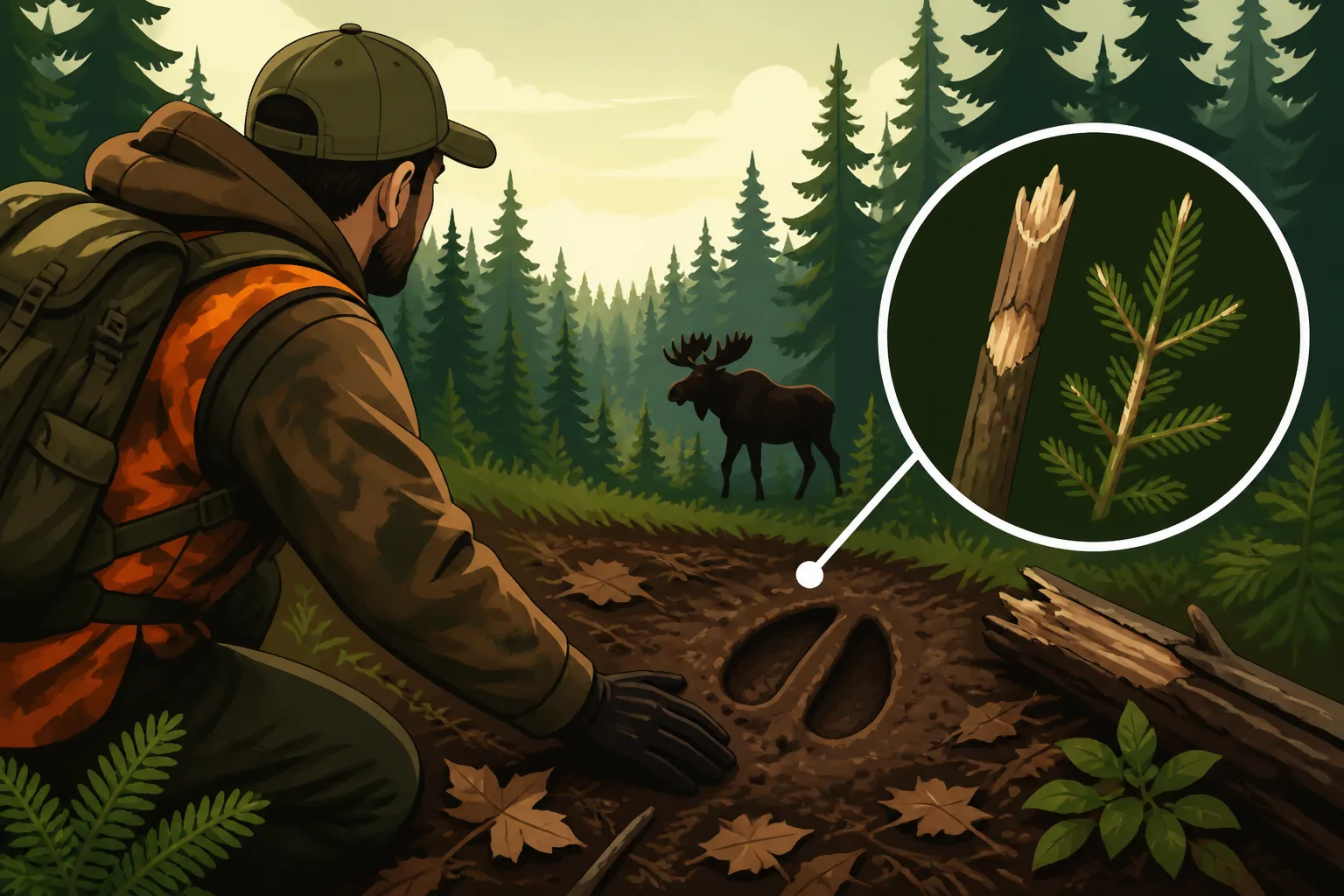
Browsing is often the most consistent sign of deer activity, especially in areas with lower deer density where other signs might be scarce. Deer are browsers, meaning they eat twigs, leaves, and buds from various plants. Look for twigs that have been nipped off cleanly, with a ragged or frayed end. This is a tell-tale sign of deer, as they lack upper incisors and "tear" their browse rather than making a clean cut like rabbits or rodents. Pay attention to the height of the browse line; deer typically browse from the ground up to about six feet, sometimes higher if they stand on their hind legs. Identifying preferred browse species, such as maple, birch, aspen, or various evergreens in winter, will help you focus your search. When you find consistently browsed areas, you've found a feeding spot, and deer are likely to return.
Rubs, on the other hand, are the unmistakable calling card of a buck. These are areas where a buck has scraped the velvet off his antlers or later, during the rut, polished them and left his scent by rubbing against small trees or saplings. Rubs indicate buck presence and often serve as markers along travel routes or near bedding areas. Look for trees with scraped bark, typically on one side, and sometimes with antler tines leaving distinct marks. Fresh rubs will have light-colored wood exposed, while older rubs will be darkened and weathered. A single rub is interesting, but a "rub line"—a series of rubs leading in a discernible direction—is a gold mine. These lines often lead to feeding areas, bedding cover, or connect different points of interest within a buck's home range. Understanding Rattling Volume in Thick Spruce Cover may even help you use this sign to your advantage.
Scrapes and Tracks
Scrapes are another vital piece of the puzzle, particularly during the pre-rut and rut phases. A scrape is a patch of bare earth, usually about a foot or two in diameter, pawed clean by a buck, often directly beneath an overhanging branch (the "licking branch"). Bucks will urinate into the scrape and chew on the licking branch, depositing scent from their forehead glands. These are essentially deer communication hubs, announcing a buck's presence and readiness to breed.
Finding fresh scrapes, especially a "scrape line" where multiple scrapes are linked, is a strong indicator of active buck movement. Look for fresh dirt, urine, and disturbed leaves. Scrapes found along logging roads, field edges, or ridges are common. When you see a scrape, think about what it connects to – often, it's a travel corridor between bedding and feeding, or a boundary marker within a buck's territory.
Tracks are perhaps the most direct evidence of deer movement, but they can also be the most misleading if not interpreted correctly. Fresh tracks in soft earth or mud are ideal. Look for crisp edges, distinct dew claws (the small secondary hooves on the back of the leg), and a clear stride length. Deer tracks are generally heart-shaped or split-toed, with the front hoof being slightly larger and more rounded than the hind. Size matters; larger, wider tracks with more distinct dew claw impressions often indicate a buck, especially if paired with other buck sign like rubs. Pay attention to the direction of travel and the frequency of tracks. A single track could be an anomaly, but a worn game trail with consistent tracks in both directions tells you this is a regularly used pathway. Remember, Reading Maine Mud for Fresh Deer Movement can be a great way to find fresh activity.
| Sign Type | Description | What it Indicates | Best Time to Look |
|---|---|---|---|
| Browsing | Twigs, leaves, or buds nipped off with ragged ends. | Active feeding area; deer presence. | Year-round, especially late season |
| Rubs | Scraped bark on saplings, often with antler marks. | Buck presence, travel routes, territory marking (especially pre-rut/rut). | Late September – November |
| Scrapes | Pawed-out bare earth, usually under an overhanging branch. | Buck presence, breeding activity, communication hub (primarily pre-rut/rut). | Late October – Mid-November |
| Tracks | Impressions of hooves in soft ground, mud, or snow. | Recent deer movement, travel direction, size of animal. | Year-round, best in fresh snow/mud |
| Beds | Oval depressions in cover, often under conifers or thick brush. | Deer resting areas, typically found near food or escape cover. | Year-round, look for fresh sign |
| Pellets/Droppings | Piles of dark, pellet-shaped droppings. | Deer presence, activity levels (fresh vs. old), rough diet indication. | Year-round |
Bedding Areas and Travel Corridors
Finding where deer rest, or "bed," is crucial for understanding their daily patterns. In big timber, bedding areas are often found in thick, dense cover that offers both concealment and thermal protection. This could be a dense stand of spruce or fir, a regenerating clear-cut with heavy slash, or a cedar swamp. Look for oval-shaped depressions in the leaves or snow, sometimes with scattered deer hair. These spots are typically elevated slightly to give deer a vantage point downwind, allowing them to detect danger visually and by scent. Beds are often located near an escape route and usually not far from a food source. Where Maine Bucks Bed in Big Timber gives more insights into how specific habitats influence these choices.
Once you find bedding areas, the next step is to connect them to feeding areas via travel corridors. These are the "highways" deer use to move through the timber. They can be subtle: a slightly more worn path through the underbrush, a series of rubs leading in a line, or a natural funnel in the terrain. Deer often take the path of least resistance, so look for breaks in thick cover, slight elevation changes, or natural draws that create easier passage. These corridors are prime locations for setting up a stand or planning a still-hunt, as they represent predictable points of deer movement.
Leveraging Topography and Habitat Diversity
Even in seemingly uniform big timber, variations in the landscape are what dictate deer movement. Learning to read these subtle shifts on a map and on the ground is key to finding concentrated sign.
Identifying Funnels and Pinch Points
The North Woods might not have obvious agricultural fields to create edge habitat, but it has its own brand of funnels and pinch points. These are natural or man-made features that concentrate deer movement into a narrower area. Think of a long, narrow ridge connecting two larger blocks of timber, a deep creek bottom winding through a flat, or even a subtle saddle between two hills. These features force deer to travel through specific locations, making them excellent spots to find consistent sign. Logging roads, despite the initial human disturbance, can also act as funnels, especially if they follow natural contours or provide easier travel than the dense woods on either side. A natural low spot in an otherwise continuous ridge might be a deer crossing, acting as a small funnel. Exploring Hunting a Funnel Between Two Woodlots offers more context.
Don't overlook features like beaver flowages or old clear-cuts. A beaver pond might create a natural pinch point where deer cross at a dam or a narrow section of dry land. Similarly, the edge of a mature timber stand next to a clear-cut that's grown up into dense saplings (regenerating cover) can be a funnel, as deer use the edge of the thicker cover for security while traveling to feeding areas within or around the cut. Using mapping tools like GoHunt, or even the Scouting With the Maine Hunting App, to identify these geographical choke points before you ever set foot in the woods can save you countless hours of unproductive scouting.
Locating Preferred Food Sources
Even in vast timber, deer need to eat, and certain food sources are more attractive than others, especially as seasons progress. In early fall, acorns from oak trees (where they occur in the North Woods, though less common than further south), or beechnuts, can be magnetic. Finding a stand of mature hardwoods with a good mast crop can concentrate deer for weeks. In areas where these mast crops are less prevalent, deer will rely heavily on various browse species. Look for stands of aspen, maple, or even specific conifer species that provide palatable forage. Later in the season, as natural browse becomes less nutritious and snow depths increase, deer will seek out Late-Season Food Sources for Maine Whitetails, like conifer needles (especially cedar), and woody browse in sheltered areas.
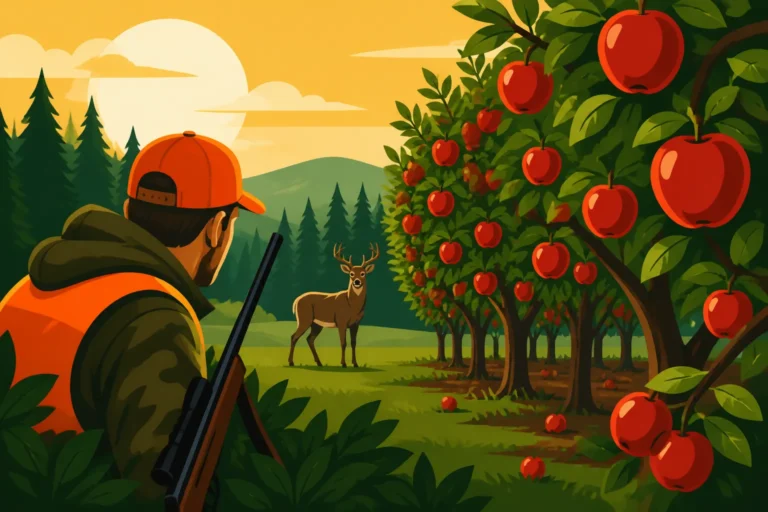
Old apple orchards, even abandoned ones, are absolute magnets. While less common deep in the North Woods, if you find an old homestead or an area with a few remnant apple trees, you can bet deer will be hitting them hard in the fall. Focus on areas that have a mix of habitat types: mature timber for cover, but also younger regeneration or openings where new growth provides varied forage. Deer often seek out edges where different forest types meet, as these interfaces usually offer a wider variety of food sources and security cover in close proximity.
Water Sources and Escape Cover
While Maine's North Woods is generally wet, identifying specific water sources can still be key, especially during dry spells or in areas without consistent stream flow. Deer need water daily, and a secluded spring, a small seep, or a remote pond can be a significant draw. Look for tracks and disturbed earth around these spots. While deer don't typically "water" like cattle, they often visit these areas to browse and pass through.
Escape cover is another critical component. This refers to areas of extremely dense vegetation that deer can quickly flee into when they feel threatened. Think of impenetrable cedar swamps, thick stands of young spruce, or incredibly dense thorny thickets. These areas provide sanctuary, and deer will often bed near them, knowing they have a quick retreat. When you're Still-Hunting Aroostook County Farmland or through big timber, approaching these areas cautiously and from a downwind direction can sometimes reveal deer that are using them for security. Often, these areas will show very little sign within them, as deer are simply using them for safety, but trails leading into and out of them will be well-defined.
Advanced Scouting Techniques for Big Timber
Scouting in the North Woods requires more than just walking around; it demands a thoughtful, strategic approach, especially when deer sign is subtle.
Using Technology for Pre-Scouting
Before you even step foot in the woods, the best scouting often happens on your computer or phone. High-resolution satellite imagery through tools like GoHunt or even the integrated maps in the Scouting With the Maine Hunting App can reveal hidden gems. Look for variations in timber type: darker green patches indicating dense conifers (potential bedding or wintering yards) contrasted with lighter green or bare spots (hardwoods, clear-cuts, or open areas). Pay close attention to subtle changes in elevation, draws, ridges, and saddles. These are the topographic features that dictate deer movement. Identifying potential funnels, benches, and thickets from an aerial perspective allows you to prioritize areas for on-the-ground investigation.
Mark potential bedding areas, food sources, and travel corridors on your digital map. This creates a detailed plan for your boots-on-the-ground scouting, making your time in the woods far more efficient. Look for old logging roads or skidder trails that might not be visible on older maps but appear on current satellite imagery; these can be excellent access points or travel corridors for deer. Reviewing historical weather patterns and mast crop reports can also provide clues about where deer might be concentrated.
Silent Infiltration and Observation
When you do hit the timber, your approach matters just as much as what you're looking for. Deer in the North Woods are often less accustomed to human pressure than those in more populated areas, but they are incredibly wary. Approach potential areas of interest quietly and methodically. Use the wind to your advantage, always trying to keep it in your face or quartering. Walk slowly, stopping frequently to scan ahead and listen. Binoculars are invaluable, even in thick timber, for picking apart shadows and identifying distant movement or sign.
Pay attention to your surroundings. Are there woodpeckers hammering? Squirrels chattering? These are signs of a healthy forest, but also indications that larger animals might be nearby. If the woods suddenly go quiet, it could mean something is amiss, and you should proceed with extreme caution. This "still-hunting" approach isn't just for hunting; it's a highly effective scouting technique that allows you to observe deer and their behavior without alerting them, providing real-time information on travel routes and feeding patterns.
Adapting to Changing Conditions
Maine weather can be fickle, and successful scouting requires adaptability. A heavy snowfall can completely change how deer move and where they feed. Fresh snow, however, is a scout's best friend, revealing every track and trail with perfect clarity. A shift in wind direction might make a previously unproductive area suddenly viable. Learning to read Wind and Thermals in Maine Hill Country is paramount. Heavy rains can wash away older sign, but also create ideal conditions for finding fresh tracks in newly softened ground.
Stay flexible in your approach. If the sign isn't where you expected it, don't keep beating a dead horse. Re-evaluate your map, consider recent weather patterns, and adjust your focus. Perhaps the acorns are scarce this year, and deer are concentrated in a different section of the timber hitting the cedar browse. Or maybe recent logging activity has opened up new areas of forage that weren't there last season. The most successful hunters are those who are constantly observing, learning, and adapting their strategies based on the dynamic environment of Maine's big woods.
Disclaimer
Please remember that hunting regulations, seasons, and licensing requirements are subject to change. Always consult the latest rules and regulations published by the Maine Department of Inland Fisheries and Wildlife (MDIFW) before planning any hunting trip. This guide is for informational purposes only and does not supersede official regulations.