Maine Moose Lottery Application Process
The dream of hunting a Maine moose is one shared by countless outdoorsmen and women, a true bucket-list experience for many. However, the path to obtaining one of these coveted permits often feels shrouded in mystery, leading to frustration and confusion for hopeful applicants. This guide is designed to demystify the Maine Moose Lottery application process, breaking down every step so you can confidently submit your entry and increase your chances of drawing that once-in-a-lifetime tag.
The Allure of a Maine Moose Tag: A Dream Worth Chasing
There's something truly special about the prospect of a Maine moose hunt. It's not just about the size of the animal, though a mature bull moose can be an awe-inspiring creature, weighing over 1,000 pounds with antlers spreading five feet or more. It's about the deep woods experience, the vastness of the Maine wilderness, and the challenge of pursuing such an iconic animal in its natural habitat. For many, drawing a moose permit is the culmination of years of anticipation, a chance to step into a hunting adventure unlike any other.
Why the Lottery System Exists
Maine's moose population, while robust, is carefully managed to ensure ecological balance and sustainable hunting opportunities for future generations. Unlike deer, which have a broader range and higher reproductive rates, moose populations are slower to rebound and concentrated in specific regions, primarily the vast timberlands of northern and western Maine. The lottery system is the primary tool the Maine Department of Inland Fisheries and Wildlife (MDIFW) uses to allocate a limited number of permits each year, ensuring that harvest numbers remain within sustainable limits while distributing hunting opportunities fairly among a large pool of applicants.
This means that while the dream is big, the odds can feel long, especially for those new to the process. Understanding that the lottery is a conservation tool, rather than just a game of chance, helps put the competitive nature of it into perspective. It also highlights why every step of your application needs to be precise and well-considered, because each permit is a privilege earned through a careful management process.
Understanding Your Odds
Let's be realistic: drawing a moose permit in Maine is tough. The sheer volume of applicants, especially from non-residents, means that your name isn't likely to be pulled on your first try, or even your fifth. In recent years, Maine has consistently issued a few thousand permits annually, while the applicant pool can swell to over 70,000. This creates draw odds that are often less than 2% for residents and significantly lower for non-residents.
However, understanding these odds isn't meant to discourage you, but rather to prepare you. It underscores the importance of applying consistently year after year to build "bonus points," which are essentially extra entries that increase your chances over time. It also emphasizes the strategic importance of your zone choices, as some Wildlife Management Districts (WMDs) have slightly better odds than others due to varying permit allocations and hunter preferences. Don't let the low odds deter you; instead, let them fuel your persistence and intelligent application strategy.
Understanding Eligibility and Setting Expectations
Before you even think about filling out an application, it's crucial to understand who can apply and what the basic requirements are. The Maine moose lottery isn't open to just anyone, and there are distinct rules for residents versus non-residents, as well as specific considerations for junior hunters and those who might have drawn a permit recently. Setting realistic expectations from the outset will help you navigate the process without unnecessary frustration.
Residency and Permit Costs
Maine residents generally have better draw odds and pay a significantly lower fee for their permits if drawn. To qualify as a Maine resident, you must have resided in Maine for at least three months immediately prior to applying. This isn't just a casual guideline; the MDIFW takes residency rules seriously, and false claims can lead to severe penalties. It’s important to understand the Maine Resident License Options for other hunting opportunities as well.
Non-residents are certainly welcome to apply and hunt, but their chances are lower due to a smaller percentage of permits allocated to them and the higher number of applicants from out of state. The Maine Moose Permit Cost for Residents is often a fraction of the Maine Moose Permit Cost for Nonresidents. For instance, a resident permit might cost around $58, while a non-resident permit can be upwards of $585. These fees are only paid if you are successful in the draw, but the initial application fee is universal. Be prepared for these differences as they significantly impact the overall cost of your hunt.
Bonus Points and Their Value
The Maine Moose Lottery employs a bonus point system, a feature designed to reward loyal applicants and slightly improve the odds for those who have been trying for years. For every consecutive year you apply and are unsuccessful in drawing a permit, you earn a bonus point. These points effectively give you additional chances in subsequent drawings, meaning if you have 10 bonus points, your name gets entered 11 times (1 base entry + 10 bonus entries).
This system is why consistent application is paramount. Even if you're not planning a moose hunt this year, applying simply to accumulate bonus points is a smart long-term strategy. The bonus points are cumulative, so they really start to add up over time, eventually giving you a much more significant statistical advantage. Just remember that if you do draw a permit, your bonus points reset to zero the following year, which is part of what makes a successful draw such a monumental achievement.
Demystifying the Online Application Process
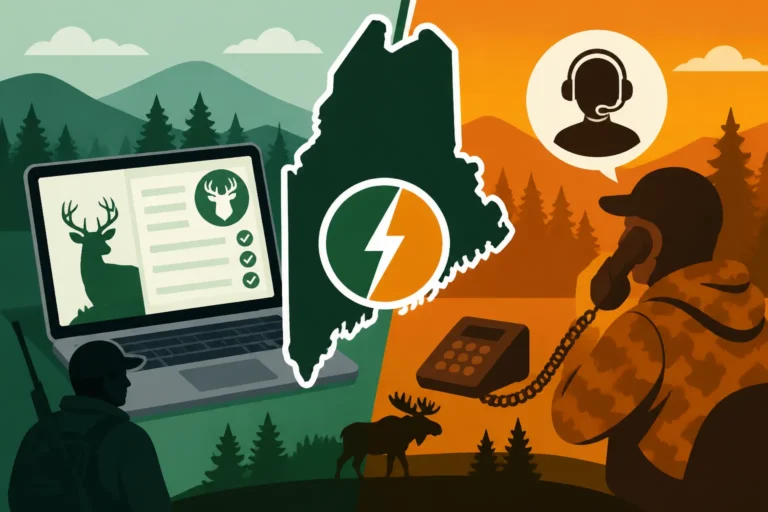
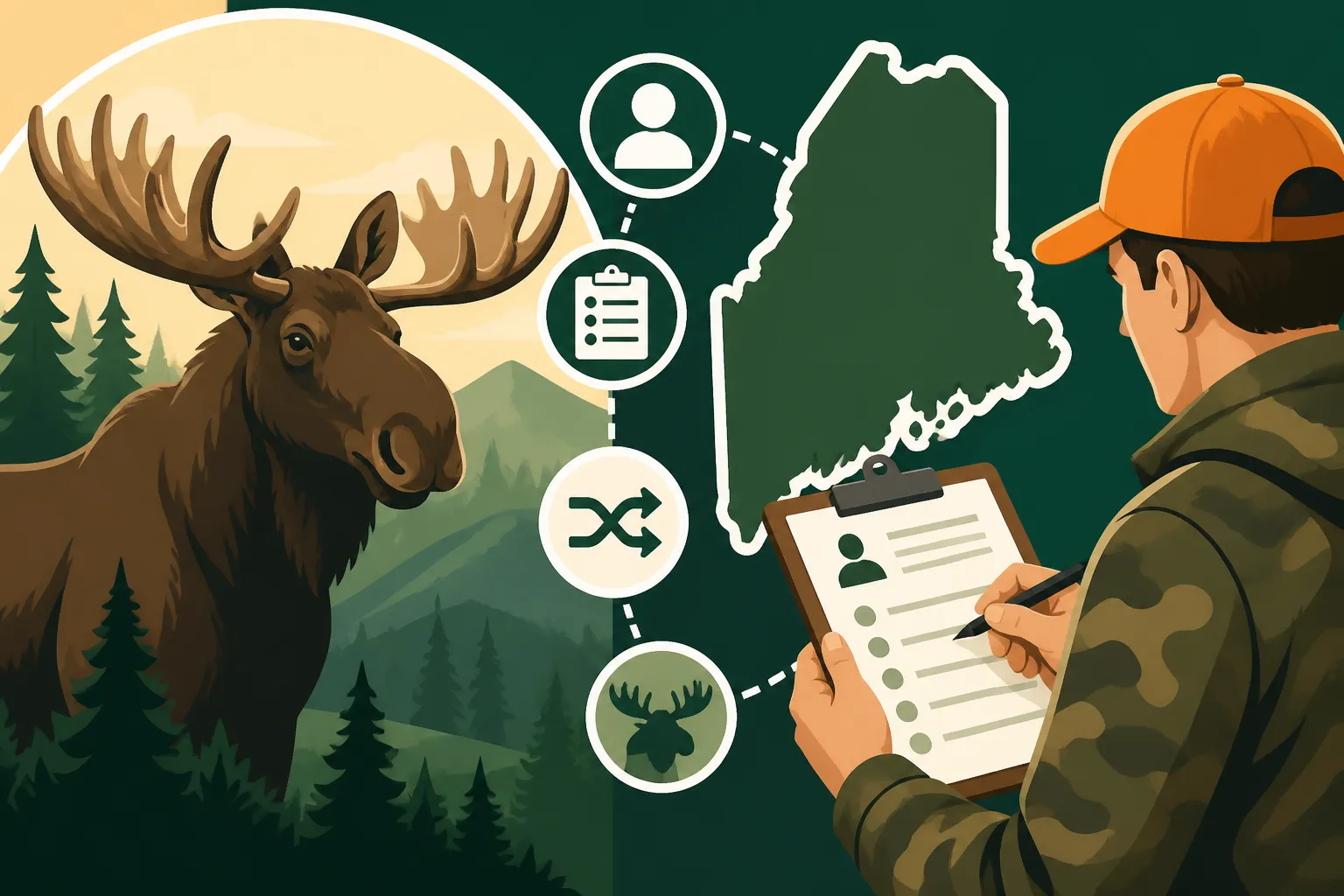
Gone are the days of paper forms and mailing in applications (mostly). Today, the Maine Moose Lottery application is almost entirely an online affair. While applying online is generally convenient, it can still be a source of anxiety if you're not familiar with the system or if you're worried about making a mistake that could jeopardize your chances. Let's walk through it step by step to ensure a smooth submission.
Accessing the Application Portal
The first step is to locate the official application portal on the Maine Department of Inland Fisheries and Wildlife website. A quick search for "Maine Moose Lottery" will usually lead you directly to the correct page. Be wary of unofficial sites or third-party services that claim to apply for you; always use the official MDIFW portal to protect your information and ensure your application is valid. The application window typically opens in late January or early February and closes in mid-May, so make sure you mark your calendar well in advance for the Maine Moose Lottery Application Deadline.
Once on the MDIFW site, you'll generally create an account or log in with an existing one. This centralized system allows the department to track your bonus points and previous applications efficiently. Take your time during this initial setup, double-checking all personal information for accuracy.
Filling Out Your Application Details
The application itself is relatively straightforward, but attention to detail is critical. You'll need to provide your personal information, including your name, address, date of birth, and driver's license or state ID number. You'll also be asked about your residency status, which is important for determining your permit cost and draw odds.
Crucially, you'll need to indicate your preferred Wildlife Management Districts (WMDs) for your hunt. This is where strategic thinking comes into play, which we'll discuss in the next section. You'll rank your top three WMD choices, and you'll also select your preferred hunting week. Maine's moose season is divided into several weeks, often spread from late September through November, and your choice can impact your hunting experience. Some weeks are archery-only, some are for residents, and some are general firearms. Additionally, you'll choose your permit type: "any moose" (bull or cow) or "antlerless only." The vast majority of applicants opt for "any moose." Finally, you'll pay the non-refundable Maine Moose Application Fee, which is typically around $15 for residents and $25 for non-residents. This fee contributes to the MDIFW's wildlife management efforts, regardless of whether you draw a permit.
| Application Field | Description | Important Notes |
|---|---|---|
| Applicant Information | Name, Address, Date of Birth, ID Number | Ensure accuracy to avoid disqualification. |
| Residency Status | Resident or Non-Resident | Determines permit cost and draw odds. Must meet Maine's residency requirements. |
| WMD Choices (1st-3rd) | Your preferred Wildlife Management Districts for hunting. | Strategic choice is crucial. Research zones for specific goals (trophy vs. success). |
| Hunting Week Choice | Your preferred week(s) of the moose season. | Varies by WMD, consider timing (rut, weather). Some weeks are restricted. |
| Permit Type | Any Moose (Bull or Cow) or Antlerless Only | Most hunters choose "Any Moose." Antlerless permits are limited and specific. |
| Bonus Points | Automatically accumulated from previous unsuccessful applications. | Reset to zero if you draw a permit. |
| Application Fee | Non-refundable fee paid at the time of application. | Typically $15 (resident) / $25 (non-resident). |
Applying as a Group
One of the unique features of the Maine Moose Lottery is the ability to apply as a group. If you have a hunting partner or two that you want to share the experience with, you can link your applications. This means that if any member of the group draws a permit, all members receive a permit to hunt as a party. The lead applicant designates the group, and other members join using a unique ID. However, there's a significant caveat: the group's bonus points are averaged.
This averaging means that if you have a lot of bonus points and your buddy has none, your combined chance might be lower than if you applied individually. This is a critical decision point for many applicants. If you value hunting with a specific group more than maximizing your individual odds, then applying as a party makes sense. Otherwise, applying solo to capitalize on your hard-earned bonus points might be the better play. Discuss this thoroughly with your potential hunting partners before submitting.
Strategic Zone Selection: Your Best Bet for Success
Choosing your Wildlife Management Districts (WMDs) is arguably the most critical decision in your Maine Moose Lottery application, even more so than accumulating bonus points. While bonus points give you more entries, WMD selection dictates where those entries are concentrated and what kind of hunting experience you're likely to have if successful. This isn't just a random pick; it requires careful research and a realistic assessment of your hunting goals.
Researching Wildlife Management Districts (WMDs)
Maine is divided into many WMDs, and moose populations, terrain, and hunter access vary significantly between them. Some WMDs, particularly those in the deep North Woods, are known for higher moose densities and the potential for larger trophy bulls. Others, often closer to developed areas, might have fewer moose but potentially easier access or a higher success rate due to less challenging terrain. Tools like GoHunt or the MDIFW's annual moose harvest reports are invaluable resources for this research. You can find detailed information on Maine Moose Population Estimate by WMD, historical draw odds, and success rates.
When researching, consider the following:
- Moose Density: Higher density often means more opportunities.
- Access: Remote WMDs might offer a wilder experience but require more planning and potentially a guide. WMDs with more logging roads might offer easier access, but also more hunting pressure.
- Terrain: Do you prefer mountainous terrain, vast flat timberland, or areas with more water features?
- Trophy Potential: Some WMDs consistently produce larger bulls.
- Success Rates: While often tied to density, some WMDs have higher hunter success rates.
- Permit Allocation: Understand how many "any moose" versus "antlerless only" permits are allocated to each WMD.
Don't just look at last year's data; try to identify trends over several years. This data will help you make an informed decision for your primary, secondary, and tertiary WMD choices.
Balancing Odds and Desired Experience
This is where the rubber meets the road. Do you prioritize drawing a permit, even if it's in a less-desired WMD, or do you hold out for a chance at a specific experience in a prime trophy zone? This choice is deeply personal. For many, simply getting a permit is the ultimate goal, and they will pick WMDs with historically higher draw odds, even if it means slightly lower moose densities or less "wild" country. Others are dead set on a truly remote, North Woods experience and will only apply for those specific WMDs, understanding their odds are even slimmer.
A common strategy is to list a highly desired, lower-odds WMD as your first choice, followed by a mid-range WMD as your second choice, and a higher-odds, but perhaps less-glamorous WMD as your third choice. This gives you a shot at your dream hunt while still providing a reasonable chance of drawing something. Remember, your application will only be considered for your second choice if you're not drawn for your first, and then for your third if you're not drawn for your second. Consider reading up on Moose Hunting Maine's North Woods to better understand the challenges and rewards of specific regions.
Considering Hunting Weeks and Permit Types
Beyond WMDs, your choice of hunting week and permit type also plays a role in your strategy. Maine's moose season is typically structured into several weeks:
- Week 1 (Late September): Often a good time for calling bulls during the pre-rut, but weather can be warm, making meat care challenging. This week often has more permits.
- Week 2 (Early-Mid October): Good rut activity, cooler weather, but potentially high hunter density.
- Week 3 & 4 (Late October/November): Colder weather, snow, and later hunting may mean less rut activity but excellent tracking conditions. These weeks often have fewer permits but can be highly productive for dedicated hunters.
Some WMDs might only offer specific weeks or have restrictions, such as an "expanded archery" component. Also, consider the "any moose" versus "antlerless only" permit. While "any moose" is the default for most, "antlerless only" permits are sometimes easier to draw in certain WMDs, typically those trying to reduce cow populations. If your goal is simply to fill the freezer and experience a moose hunt, an antlerless permit might be a viable option, though less common for new applicants. Understanding What a Drawn Moose Zone Assignment Means will also give you insight into how these factors play out once you've drawn.
What to Do After Submitting Your Application
You’ve navigated the portal, pondered your WMD choices, and clicked “submit.” Now what? The waiting game can be agonizing, but there are still things you should do and consider between submitting your application and the actual draw results. It’s also wise to prepare for both outcomes: getting that coveted permit, or the more likely scenario of waiting another year.
The Waiting Game and Result Announcements
Once your application is submitted and your fee paid, all you can do is wait. The MDIFW typically conducts the moose lottery drawing in mid-June, often with a public event that's livestreamed, building significant anticipation among hopeful hunters. This is when you'll find out if your long-standing dream is finally within reach. Many hunters gather with friends and family to watch the live draw, making it an event in itself.
After the live drawing, results are usually posted online on the MDIFW website, and you can check your status by entering your applicant information. Successful applicants will also receive official notification by mail or email, which will include your specific WMD assignment, hunting week, and permit type. Try not to obsess over the wait; instead, redirect that energy into preparing for either outcome.
If You Draw a Permit: The Real Planning Begins
Congratulations! If you're one of the lucky few, the real work and excitement begin. Drawing a permit is just the first step. You'll then need to confirm your permit, pay the full permit fee (remember the cost difference for residents vs. non-residents), and start the intensive planning for your hunt. This is not a hunt you can wing. Maine moose hunts, especially in the remote North Woods, require significant logistics.
Your planning checklist should immediately include:
- Logistics: Where will you stay? How will you access your WMD? Will you need an ATV, a boat, or even an airplane for remote areas?
- Gear: Ensure you have appropriate cold-weather gear, sturdy boots, reliable navigation tools (GPS, compass, maps), and suitable firearms or archery equipment. Don't forget Packing for a North Woods Moose Hunt essentials.
- Scouting: If possible, spend time in your assigned WMD before the season to scout for sign, identify travel corridors, and familiarize yourself with the terrain. Tools like GoHunt can provide satellite imagery and topographic maps to help with digital scouting from home.
- Guide Considerations: Many successful non-resident (and even some resident) hunters opt to hire a Hiring a Guide for a Drawn Moose Permit to help with logistics, tracking, and recovery. Guides often have intimate knowledge of the terrain and moose behavior in specific WMDs.
- Meat Handling Plan: A moose is a massive animal. You must have a plan for field dressing, quartering, and transporting the meat out of the woods, especially in warm weather. This can involve specialized equipment, a lot of manpower, and access to a cooler or butcher.
- Mandatory Registration: All harvested moose must be registered at an official check station within 18 hours. This is a crucial step for conservation and data collection.
If You Don't Draw: Look to Next Year
More often than not, the answer will be "not this time." And that's okay! It's the reality of a highly sought-after permit. The most important thing is not to get discouraged. Instead, immediately make a mental note to apply again next year to continue accumulating those bonus points. This is exactly What Happens If You Don't Draw a Moose Permit, you apply again, perhaps adjusting your WMD choices based on new data or a refined strategy.
Consider exploring other hunting opportunities in Maine while you wait for your moose lottery luck to turn. There's fantastic deer hunting, bear hunting, and upland bird hunting to be had. You might also research the Maine Moose Permit Auction Rules if you have the financial means and are eager to secure a permit without waiting for the lottery. These auction permits are often quite expensive but guarantee a tag for the year. The experience of just being in Maine's wilderness, pursuing other game, can be a great way to stay connected to the state's hunting tradition while patiently building your moose lottery bonus points.
Common Mistakes and Crucial Reminders
The Maine Moose Lottery application might seem simple on the surface, but there are several common missteps that applicants make each year. Avoiding these mistakes can save you a headache and ensure your application stands the best chance of being processed correctly. Pay close attention to these reminders.
Missing the Application Deadline
This is perhaps the most heartbreaking mistake. Every year, countless hopeful hunters miss the application window, usually because they forget the Maine Moose Lottery Application Deadline. The deadline is typically in mid-May, but the exact date can shift slightly from year to year. Once the portal closes, it's closed—no exceptions. You can't apply late, no matter how many bonus points you have.
To avoid this, set multiple reminders: mark it on your calendar, set a recurring alert on your phone, and even tell a hunting buddy to remind you. Consider applying early in the window, rather than waiting until the last minute. This gives you time to troubleshoot any technical issues or double-check your entries without the pressure of a looming deadline.
Incorrect Information and Invalid Applications
Submitting an application with incorrect or incomplete information is another common pitfall. This could be anything from a typo in your name or address to an invalid license number or a false claim of residency. While some minor errors might be correctable, significant discrepancies can lead to your application being disqualified outright. Imagine waiting years, building up bonus points, only to have your name drawn and then disqualified because of a clerical error.
Always double-check everything before you hit submit. Review your personal details, your WMD choices, and your hunting week selections. If you're applying as a group, confirm that all members' information is correct and that the group ID is properly linked. A few extra minutes of careful review can save you immense disappointment later on.
Forgetting About the Application Fee
While it might seem obvious, some applicants overlook the application fee. Your application isn't considered complete until the fee has been successfully processed. If your credit card declines or there's an issue with the payment method, your application might sit in limbo or be rejected. The Maine Moose Application Fee is non-refundable, and it must clear for your entry to be valid.
Make sure your payment information is up to date and that you have sufficient funds available. After submitting, check for a confirmation email that indicates your application and payment were successfully received. This confirmation email is your proof of application and can be vital if any issues arise later. Treat it like gold and keep it filed away.
Overlooking the Impact of Previous Draws
If you were fortunate enough to draw a Maine moose permit in a prior year, there's a specific rule that affects your subsequent applications. You generally cannot apply for an "any moose" permit for three calendar years after successfully drawing and registering an "any moose" permit. However, you can still apply for an "antlerless only" permit during this waiting period. If you draw an antlerless-only permit, this waiting period still applies to "any moose" permits, but doesn't affect your ability to apply for antlerless again.
This rule is designed to give more hunters a chance at the highly coveted "any moose" tags. It also means that your bonus points are reset to zero after you successfully draw an "any moose" permit. Understanding these specific regulations is critical, especially for seasoned hunters who might have drawn in the past, or for those considering applying for an antlerless-only permit during their waiting period. Make sure to consult the most current MDIFW regulations each year, as rules can sometimes be updated.
Disclaimer
Please remember that hunting regulations, fees, and season dates are subject to change by the Maine Department of Inland Fisheries and Wildlife (MDIFW). While we strive to provide the most accurate and up-to-date information, it is your responsibility as a hunter to consult the official MDIFW website and current hunting law book before participating in any hunting activity. This guide is for informational purposes only and should not be considered legal advice.