Maine Blaze Orange Requirements
There's nothing quite like the crisp autumn air in Maine, the crunch of leaves underfoot, and the quiet anticipation of a deer hunt. But amid all the planning, gear checks, and scouting, one crucial element often gets overlooked or, worse, misunderstood: hunter orange. We've all seen folks out there, maybe a little too camouflaged, or perhaps only a small patch of orange. This guide is here to clear up the confusion, explain not just what the Maine blaze orange requirements are, but why they exist, helping you stay safe and legal in the woods we all love.
Understanding Maine's Hunter Orange Mandate
The requirement to wear blaze orange, also often called hunter orange, isn't just some arbitrary rule dreamt up by bureaucrats. It's a cornerstone of hunter safety, designed to save lives and prevent tragic accidents by making hunters highly visible to other hunters, even in dense cover or low light. Maine's mandate is quite specific, and it's essential for everyone, from seasoned veterans to those just starting their hunting journey, to understand the nuances.
The Rationale Behind Blaze Orange Laws
Think about it: most game animals, especially deer, don't see colors the way humans do. To them, hunter orange often appears as a shade of gray or yellow, blending relatively well into their natural environment. But to another hunter, particularly one wearing proper corrective lenses or with good vision, that vibrant orange stands out like a beacon. The core principle is simple: we want hunters to be visible to other people, not necessarily to the game they pursue. This minimizes the risk of someone being mistaken for game or simply not being seen by another hunter moving through the woods. The Maine Department of Inland Fisheries and Wildlife (MDIFW) has carefully studied accident data, and the evidence overwhelmingly supports the effectiveness of blaze orange in reducing accidental shootings. It’s a collective responsibility – your orange protects you, and my orange protects me.
Who Must Wear It and When
Maine's blaze orange requirements primarily center around the firearms deer hunting season. If you're out hunting any wild animal, including wild birds, with a firearm or crossbow during the open firearm hunting season on deer, you are generally required to wear specific amounts of solid hunter orange or "blaze orange" clothing. This includes the regular statewide firearms season, but also applies to the special Maine Youth Deer Hunt Rules and the Maine Resident-Only Day Rules that precede the main opener. It's not just about deer hunters, either. Even if you're pursuing ruffed grouse or snowshoe hare with a shotgun during the November deer season, you still need to don your orange. The logic is that deer hunters are in the woods, and anyone else sharing that space with a firearm or crossbow needs to be equally visible for safety. You can't just throw on an orange hat and call it good; there are specific coverage requirements that we’ll delve into shortly.
Specific Legal Requirements for Garment Coverage
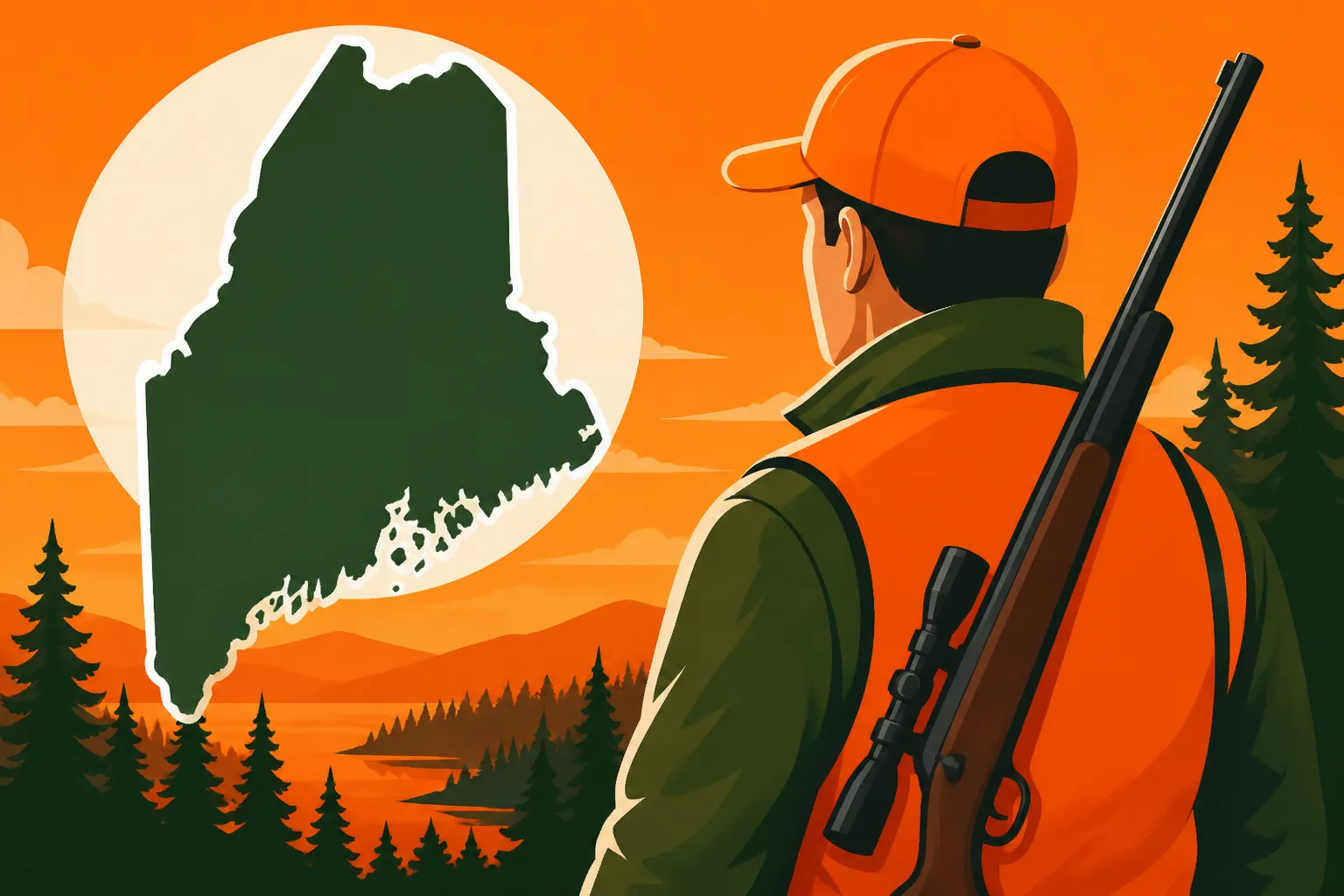
This is where many hunters trip up, so pay close attention. Maine law states that a person must wear at least one article of solid hunter orange clothing that is visible from all sides. This article of clothing must be at least 50% hunter orange and must not be camouflaged. Furthermore, an individual must wear a hunter orange hat. Now, let's break down what "at least one article" and "visible from all sides" truly means. A vest is probably the most common choice, as it covers your torso and is easily seen from front, back, and sides. A jacket works, too. But simply wearing an orange backpack cover isn't enough to satisfy the "article of clothing" requirement, though it's certainly a good idea to add one for extra visibility. The hat must also be solid hunter orange, not just a cap with an orange logo or a few small orange panels. The key takeaway is solid and visible from all sides. When planning your gear, whether you're using a physical map or an app like GoHunt to scout public lands, always double-check you have enough orange. It’s not just about wearing some orange; it’s about wearing enough of the right kind of orange.
Beyond Deer Season: Other Species and Blaze Orange
While deer season is the primary time you'll see a sea of orange in Maine's woods, the regulations extend to other species and specific scenarios. It's easy to get complacent when you're not specifically after deer, but staying informed about these rules is critical for every hunter.
Upland Birds and Small Game Considerations
Let's talk about chasing ruffed grouse in an alder run or jump-shooting woodcock along a creek bottom. If you're engaged in Upland Bird and Small Game Hunting in Maine during the open firearms deer season, and you're carrying a firearm or crossbow, you must adhere to the same blaze orange requirements as deer hunters. This means that visible article of clothing (like a vest) and a solid orange hat. This isn't just a legal formality; it's a vital safety measure. Deer hunters are often still-hunting slowly or sitting patiently, and their focus is on deer. If you're moving through cover flushing birds, you need to stand out. Imagine a deer hunter, peering through dense spruce, hears rustling, and sees movement. Without your blaze orange, they might make a tragic mistake. Even if you're just carrying a .22 for squirrels, the same rules apply if it's deer season. It's a blanket rule for anyone carrying a firearm or crossbow during that specific timeframe.
Exceptions and Misconceptions
It's natural to wonder where the lines are drawn. For instance, what about archery season? During When Maine's Archery Season Opens and throughout the regular archery deer season, hunters are not required to wear blaze orange. The logic here is that archery hunting requires much closer ranges, and archers are generally more deliberate in their shots, often from elevated stands. However, many archers still choose to wear some orange while walking to and from their stands, especially during periods when small game seasons might overlap or during the expanded archery zones where there might be other activity. It’s a personal safety choice, not a legal mandate during those specific archery-only dates. Another common misconception is that wearing any orange is sufficient. As we discussed, the "solid" and "visible from all sides" requirements mean a single orange strip or a camouflage pattern with some orange doesn't cut it. Always err on the side of more orange than less.
Waterfowl and Other Exemptions
Migratory bird hunting, specifically waterfowl, offers a clear exemption to the blaze orange rule. If you're out hunting ducks or geese, or even sea ducks along the coast as described in Sea Duck Hunting the Maine Coast, you are not required to wear hunter orange. In fact, wearing bright orange would be counterproductive, as ducks and geese have excellent color vision and would spot you instantly, flaring away. Waterfowl hunters typically wear camouflage to blend in with their environment. Similarly, while trapping furbearers or hunting predators like coyotes or bobcats, especially at night as per Coyote Calling Maine Farm Country, blaze orange is generally not required and, again, would hinder your efforts. However, if any of these activities coincide with the open firearms deer season, and you are not actively engaged in the exempted activity (e.g., you are walking to a beaver flowage with a rifle, but not yet set up for trapping), you would still need to comply with the orange rules. It’s all about the primary activity and the presence of firearms/crossbows during deer season.
Here’s a quick overview of Maine's blaze orange requirements by hunting scenario:
| Hunting Scenario | Blaze Orange Required? | Specific Requirements | Notes |
|---|---|---|---|
| Firearms Deer Season (including youth/resident days) | YES | One solid hunter orange garment (50%+ orange, visible all sides) + solid orange hat. | Applies to any hunting with firearm/crossbow during this period. |
| Archery Deer Season | NO (optional for safety) | None legally required. | Many choose to wear orange while traveling to/from stand. |
| Muzzleloader Deer Season | YES | One solid hunter orange garment (50%+ orange, visible all sides) + solid orange hat. | Same as firearms deer season. |
| Upland Birds/Small Game (during firearms deer season) | YES | One solid hunter orange garment (50%+ orange, visible all sides) + solid orange hat. | Even if hunting non-deer species, if firearms deer season is open. |
| Waterfowl/Migratory Birds | NO | Not applicable, wear camouflage. | Orange would hinder success; safety concerns are different. |
| Bear Hunting (all methods) | YES (during firearms deer season) | One solid hunter orange garment (50%+ orange, visible all sides) + solid orange hat. | If bear hunting coincides with firearms deer season (e.g., late October/November), orange is required. |
| Moose Hunting | YES | One solid hunter orange garment (50%+ orange, visible all sides) + solid orange hat. | Moose season often overlaps with portions of firearms deer season. |
| Predator/Furbearer Hunting | NO (unless during deer season) | No specific requirement, often wear camouflage. | If using a firearm/crossbow during firearms deer season, orange is required. |
The Science and Safety of Hunter Orange
It's easy to just throw on a vest because "the law says so," but understanding why blaze orange is so effective actually reinforces its importance. It's not just a fashion statement; it's a vital piece of safety equipment backed by scientific principles.
Why Orange, Not Red or Yellow?
This is a question many hunters have pondered. Why not a bright red, which seems equally vivid? Or a neon yellow? The answer lies in how the human eye processes color, particularly in outdoor environments, and how it differentiates these colors from natural elements. Red can often be mistaken for fall foliage or even a wounded animal. Yellow, while bright, can blend with dry grasses or certain sunlit foliage. Blaze orange, also known as fluorescent orange or safety orange, is specifically chosen because it sits in a spectrum that stands out against almost all natural backgrounds. It's a color that very few, if any, natural elements mimic consistently. It's designed to be highly conspicuous, not just in bright daylight but also in the lower light conditions of dawn and dusk, which are prime hunting times. The specific wavelength of light reflected by blaze orange makes it particularly noticeable to the human eye, especially for those with normal color vision.
How Hunter Orange Enhances Visibility
The key to blaze orange's effectiveness is its high luminosity and specific chromaticity. In layman's terms, it’s not just "orange," it's a very bright and specific shade of orange that pops against the greens, browns, and grays of the forest. This isn't just about direct sunlight; blaze orange retains its high visibility even on overcast days, in dense fog, or when light is filtering through thick canopy. It creates a stark contrast that allows other hunters to quickly and accurately identify a human presence, rather than mistaking movement for a deer or other game. This allows for crucial split-second decisions that prevent accidents. When you're glassing a clear-cut or trying to spot a deer moving through thick cover, that flash of orange tells your brain, "Human, not deer!" The more orange, and the more widely distributed on the hunter, the faster and more reliably that identification can be made. Using a tool like GoHunt to mark your stands also helps you visualize where you'll be relative to others, but the orange is your direct line of communication with other hunters.
Common Mistakes and Best Practices for Wearing Orange
Even with the best intentions, hunters sometimes make mistakes with their blaze orange. One of the most common is not having enough of it. A small orange patch on a camouflaged jacket, or an orange hat with significant non-orange areas, simply doesn't meet the spirit or the letter of the law. Another error is wearing faded orange. Over time, UV exposure can cause the fluorescent dyes in hunter orange to break down, reducing its vibrancy and effectiveness. Regularly inspect your gear and replace faded items.
Here are some best practices:
- Layer Correctly: Ensure your orange is the outermost layer. Don't hide it under a camo jacket or rain shell. If you need to stay warm, wear your orange vest or jacket over your insulation.
- Maximize Coverage: While the law specifies one visible article, wearing more is always better. An orange vest and an orange hat and an orange backpack cover offers maximum visibility.
- Check Condition: As mentioned, if your orange looks dull, it's time for a new piece.
- Consider Movement: Remember, "visible from all sides." If you're wearing an orange vest but have a large camo backpack that obscures the rear, you might not meet the intent. An orange backpack cover is a simple solution.
- Educate Others: If you're hunting with new hunters or guests, ensure they understand and comply with all Maine Hunter Education Requirements and blaze orange rules.
Navigating Specific Scenarios and Modern Gear
The hunting landscape changes, and so does the gear. Understanding how blaze orange requirements intersect with different land types and modern apparel is key to safe and legal hunting.
Blaze Orange on Private Versus Public Land
Maine has a unique tradition of implied permission for private land access, but that doesn't change the safety requirements. Whether you're hunting on a remote tract of timber company land in the North Maine Woods Gate System, exploring a Maine Wildlife Management Areas, or you’ve secured permission to hunt a woodlot behind someone’s house, the blaze orange rules remain constant during the firearms deer season. The regulations apply to the hunter and the season, not the ownership of the land. So, if you're out there during deer season with a rifle or crossbow, you need your orange, regardless of if you're on public land or a family parcel. When you're knocking on doors and asking for permission, as advised in Getting Landowner Permission in Maine, showing that you're well-versed in safety protocols like blaze orange can only help build trust with landowners. Remember, Maine Trespass and Permission Law is serious business, and part of being a respectful hunter is knowing and following all regulations, not just property lines.
Understanding Blaze Pink as an Alternative
For a while, hunter orange was the only color recognized for safety visibility. However, recognizing the desire for more options, Maine, like several other states, has approved blaze pink as an alternative. According to Blaze Pink Options Under Maine Law, fluorescent or "blaze" pink is now legally equivalent to blaze orange. The science behind blaze pink is similar to orange: it’s a highly visible, distinct color that stands out against natural backgrounds, even for colorblind individuals. This is fantastic news for hunters who prefer it, or for those who simply want more choices in their hunting apparel. Just like with orange, the blaze pink garment must be solid, at least 50% blaze pink, and visible from all sides, along with a solid blaze pink hat. It's another excellent option to ensure you're seen and safe in the woods.
Integrating Blaze Orange with Layering Systems and Backpacks
Modern hunting often involves sophisticated layering systems to manage temperature and moisture, and carrying essential gear in backpacks. The challenge is integrating blaze orange without compromising its visibility.
- Outer Layer Priority: Your blaze orange must be your outermost layer during regulated seasons. If you're wearing a technical shell for rain protection, ensure it's blaze orange or that you have a blaze orange vest or jacket that fits comfortably over it.
- Backpack Considerations: Many hunters wear large packs that can easily obscure a vest from the rear. This is where an additional piece of orange comes in handy. A simple, lightweight blaze orange backpack cover is an inexpensive and effective solution. Some premium hunting packs, such as those from reputable brands, might even come with integrated blaze orange panels or covers for this very purpose.
- Staying Hydrated: When reaching for your water bottle in your backpack, be mindful of how your movements might temporarily hide your orange. It's a fleeting moment, but constant awareness is part of being a responsible hunter.
- GoHunt & Gear Planning: Tools like GoHunt can help you visualize terrain and plan your movement, but also consider how your gear will function. If you're planning a full day out in a North Maine Woods Checkpoint Tract, you'll likely have a substantial pack. Think through how your orange will be visible from all angles at all times.
Legal Ramifications and Compliance
Ignoring Maine's blaze orange requirements isn't just a safety oversight; it's a legal infraction with real consequences. Understanding these can help reinforce the importance of always being in compliance.
Penalties for Non-Compliance
Hunting without the required blaze orange during an open firearms deer season is considered a civil infraction. This means you’ll likely face a fine. While the exact amount can vary and may be subject to change, typically, a first offense carries a monetary penalty. It's not usually a severe criminal charge, but it's an unnecessary expense and a mark on your hunting record. More importantly, it's a stark reminder that you've potentially put yourself and others at risk. The financial cost is minimal compared to the potential human cost if an accident were to occur. Plus, dealing with a warden citation is never a fun way to end a hunt. It detracts from the experience and can even lead to more scrutiny of your other hunting practices.
The Role of Wardens in Enforcement
Maine Game Wardens are the frontline enforcers of all hunting regulations, and blaze orange compliance is high on their list, especially during deer season. They patrol all types of hunting grounds, from remote timberlands to Maine Wildlife Management Areas and private parcels, looking for safety violations. Wardens aren't just there to catch people breaking rules; they're also there to educate and ensure the safety of everyone enjoying Maine's outdoors. If a warden spots you without proper blaze orange, they will likely stop you, explain the law, and issue a citation. They have the authority to do so, and they take these violations seriously because they understand the direct link between compliance and preventing hunting accidents. Their job is to ensure that Maine continues to be a safe place for its robust hunting community, and mandatory blaze orange is a significant part of that mission.
Checking the Latest Regulations Annually
Hunting regulations are not static; they can change from year to year. While blaze orange requirements have been fairly consistent in Maine for a long time, it's always good practice to review the current regulations before each hunting season. The Maine Department of Inland Fisheries and Wildlife (MDIFW) publishes an annual hunting and trapping rule book, available both online and at license vendors across the state. This is your definitive source for all up-to-date information, including Maine Blaze Orange Requirements, specific season dates like Maine Firearms Season Dates, and any changes to weapon restrictions or permit systems. Never rely on old information or hearsay from a friend. Make it a routine to visit the MDIFW website or pick up a fresh rule book every year. This ensures you're always legal, safe, and fully informed for your time in the Maine woods.
Disclaimer
This article is for general informational purposes only and does not constitute professional advice. Laws, prices and regulations vary by location and change over time. Consult a qualified professional for guidance on your specific situation.