Maine Firearms Season Opening Day
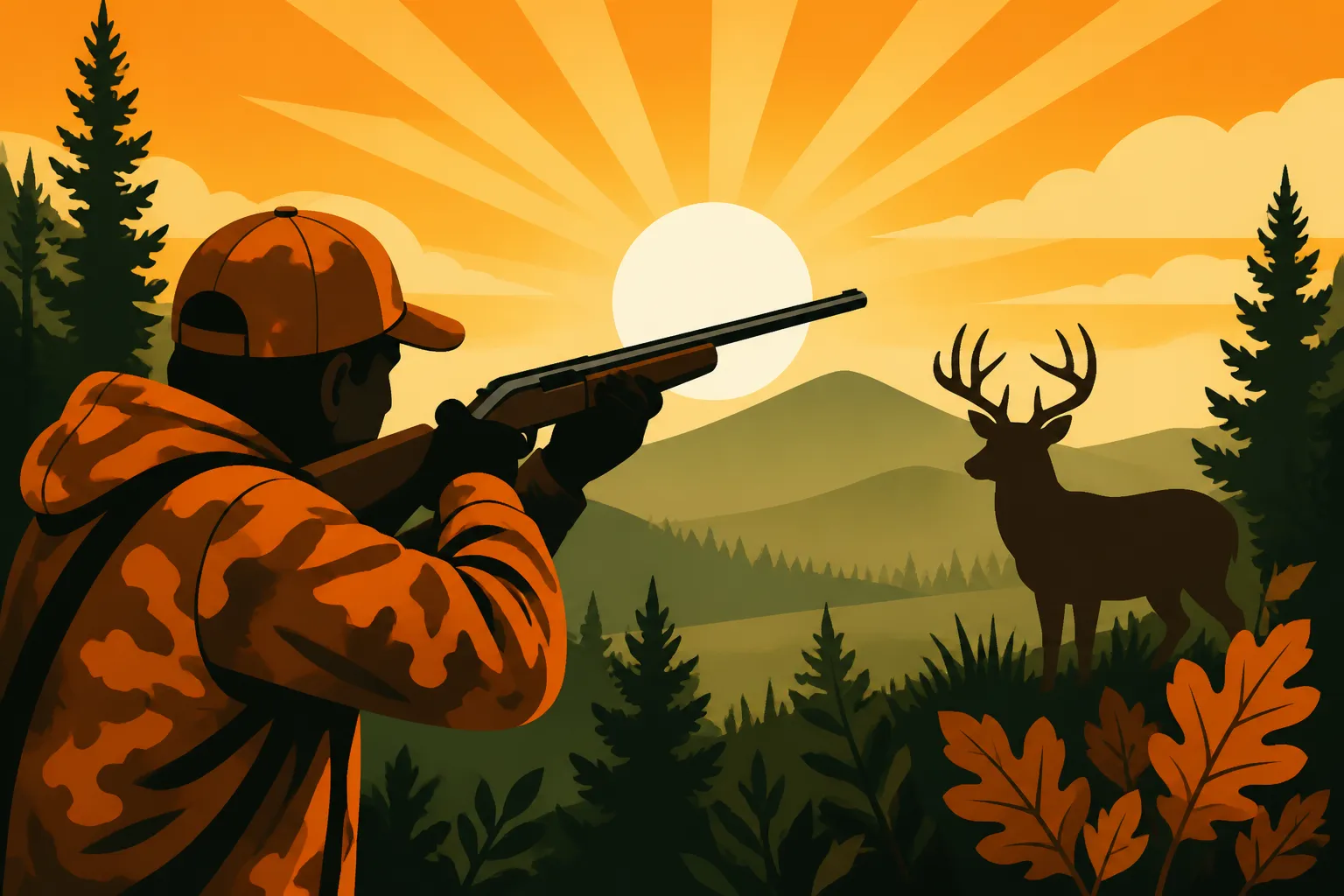
That crisp chill in the air, the scent of damp leaves, the pre-dawn drive down a logging road – there's nothing quite like the immense anticipation for Maine's firearms deer season opening day. It's a day many of us mark on our calendars a year in advance, a tradition steeped in memory and hope. But for all the excitement, the opening day can also be overwhelming, crowded, and unforgiving if you're not prepared. This comprehensive guide is designed to cut through the noise, helping you understand the regulations, refine your strategy, and increase your chances of success when the season officially kicks off.
Understanding the Maine Firearms Season Opening Day
The general firearms season for deer in Maine is more than just a date; it's a cultural event, a ritual that calls thousands of hunters to the woods. It represents the culmination of months of scouting, planning, and dreaming. While the excitement is palpable, truly understanding the nuances of this day, from the official regulations to the impact of the Resident-Only Day, is crucial for a safe and successful hunt.
The Hype and the Reality of Opening Day
For many, the general firearms opener is the biggest day of the hunting calendar. Camps fill up, families gather, and pickup trucks line the edges of fields and logging roads before dawn. There's a tangible energy in the air as hunters, young and old, don their blaze orange and head into the woods. This shared enthusiasm is part of what makes Maine hunting so special, but it also brings a significant increase in hunting pressure.
The reality of opening day often involves encountering other hunters, especially in popular public land areas or easily accessible private woodlots. This heightened activity can alter deer behavior, pushing them into thicker cover or making them more nocturnal. It means your well-laid plans might need to be flexible, and your ability to adapt to changing conditions becomes paramount. Don't let the crowds deter you, but acknowledge their presence and plan accordingly.
Official Dates and Zones for the Opener
While Maine's firearms season generally runs for four weeks, beginning with a specific Saturday in late October or early November, understanding the exact opening day requires a quick check of the current year's hunting law book or the Maine Inland Fisheries and Wildlife (MDIFW) website. The statewide general firearms season for deer typically commences on the first Saturday of November. This is the big one, the day when rifles roar across the state, and deer tags start getting filled at a rapid pace.
It's important to remember that while there's a general opening day, certain Wildlife Management Districts (WMDs) or specific hunter classifications might have slight variations. For instance, the Maine Expanded Archery Zone Closing Date might allow bowhunters to continue longer in certain areas, but the general firearms date is pretty consistent for regular firearm hunters. Always confirm the specific dates for your chosen WMD, as well as the overarching rules for Maine's Four-Week Firearms Deer Season.
The Precursor: Maine's Resident-Only Day
Before the general firearms season opens to everyone, Maine grants its resident hunters a special privilege: the Maine Resident-Only Day. This day, usually the Saturday immediately preceding the general opener, allows Maine residents to hunt deer with firearms without the added pressure of non-resident hunters. It's a fantastic opportunity for locals to get into the woods and potentially tag a deer before the larger influx of hunters arrives.
This resident-only day is a strategic move by the state to give back to its local hunting community and to spread out some of the initial hunting pressure. If you are a Maine resident, utilizing this day can offer a unique hunting experience with less competition. It’s also a great chance to scout the woods one last time, observe fresh sign, or even take an opportunity at a buck before the woods become a hive of activity. Understanding the specific Maine Resident-Only Day Rules is key to taking full advantage of this unique opportunity.
Preparing for Opening Day Success
Success on opening day isn't just about luck; it's the culmination of thoughtful preparation, dedicated scouting, and meticulous attention to detail. The more work you put in before the season, the better your chances will be when that first legal light breaks. From understanding where deer are moving to making sure your gear is in prime condition, every step contributes to a more confident and effective hunt.
Scouting and Stand Placement
The weeks and even months leading up to opening day are critical for scouting. This isn't just a casual stroll through the woods; it's about actively seeking out deer sign, identifying travel corridors, and understanding food sources. Deer patterns can change year to year based on mast crops, logging activity, and even weather, so recent scouting is invaluable. Using mapping tools like those offered by GoHunt can help you analyze terrain, identify bedding areas, and pinpoint potential funnels between cover and food. These digital resources can save you countless hours by allowing you to virtually "walk" the property and mark key locations before you ever step foot in the woods.
When you're out there, look for fresh tracks, rub lines, and scrapes. If you're seeing signs of rutting activity, you might be in for a treat on opening day, especially if the rut is peaking. Learning about Hunting the Rut in Early November can give you an edge. Once you've identified these areas, the next step is strategic stand placement. Consider prevailing winds, entry and exit routes that won't spook deer, and shooting lanes. A well-placed stand in a high-traffic area, such as a natural funnel between two woodlots, can be the difference between seeing deer and seeing nothing. Remember, deer are creatures of habit, but they're also highly sensitive to disturbance, so minimize your impact during scouting and stand setup.
Gear Check and Scent Control
Your rifle is your primary tool for firearms season, and it needs to be ready. Before opening day, take your rifle to the range and confirm its zero. Don't just assume it's still accurate from last season. Environmental factors, transportation, and even slight bumps can affect your point of impact. Practice shooting from various positions you might encounter in the field – sitting, kneeling, or off a rest – not just from a bench. Additionally, ensure you understand the Legal Weapons During Maine Firearms Season to avoid any issues.
Beyond the firearm, a thorough gear check is essential. Ensure your optics are clean, your calls are functioning, and you have all your safety equipment, including enough blaze orange. Scent control is another crucial, often overlooked, aspect. Deer have an incredible sense of smell, and even the faintest human odor can send them bounding away. Shower with scent-free soap, wash your hunting clothes in scent-free detergent, and store them in airtight containers. Using a quality scent eliminator spray on your clothes and boots, even if you don't believe in total scent elimination, can help reduce your odor signature, especially important when hunting pressured deer on opening day.
Access and Permissions
Maine has a unique tradition of implied permission on unposted private land, but this doesn't mean you can ignore landowner rights. For most hunters, understanding land access is a critical piece of the opening day puzzle. If you plan to hunt private property, the best practice is always to ask for explicit permission, especially if the land is posted. A simple conversation, a knock on the door, or a phone call can build goodwill and secure your hunting spot for years to come.
Many hunters use modern mapping applications which, combined with resources like GoHunt, offer detailed parcel information, showing landowner names and property lines. This can be invaluable for identifying who to ask for permission. For public lands, Maine offers a vast network of opportunities, from Wildlife Management Areas (WMAs) to Public Reserved Lands and the expansive North Maine Woods. Each type of public land has its own set of rules and regulations, so be sure to familiarize yourself with them. Knowing where you can and cannot hunt legally, and having multiple backup spots, is key to avoiding frustration and ensuring a stress-free opening day. Learning to navigate Scouting Maine Private Land Before Season can drastically improve your odds.
Opening Day Strategies and Tactics
The moment the alarm clock blares on opening morning, a hunter's strategy kicks into high gear. It's a chess match with whitetails, compounded by the presence of other hunters, making tactical adjustments vital. From the first gray light to the last rays of sunset, knowing how to position yourself and adapt to deer movement can make all the difference.
The Early Morning Rush
The very first hour of opening day is often the most productive. Deer are still on their feet, moving between bedding areas and food sources, or perhaps responding to the initial movements of other hunters. Your primary goal should be to be in your stand or still-hunting quietly to your chosen spot well before legal shooting light. This minimizes your disturbance and maximizes your chances of intercepting deer.
For stand hunters, a pre-determined, quiet entry route is paramount. Once in your stand, remain absolutely still and scan your surroundings. Deer will often move at first light, trying to get to safety before the woods fully wake up. For those who prefer to still-hunt, this early period requires extreme stealth. Move slowly, taking one or two steps, then stopping for several minutes to scan, listen, and glass. Utilize terrain features, thick cover, and wind direction to your advantage. Many big bucks are tagged in the first few minutes of the season, caught off guard by a hunter who got to their spot undetected. Consider areas like a ridge-top saddle for rutting bucks or working a creek bottom for late-season deer.
Mid-Day Lull and Afternoon Push
After the initial rush of morning activity, deer often bed down, and the woods can seem to go quiet. This "mid-day lull" is when many hunters head back to camp for lunch or give up. However, this can be a golden opportunity for the persistent hunter. While deer are bedded, they're not completely static. Other hunters moving through the woods can inadvertently push deer from their beds, making them vulnerable. This is an excellent time for still-hunting through thick cover, especially areas that other hunters might avoid. Think about those dense cedar swamps or thick spruce stands where deer feel secure.
As the afternoon progresses and evening approaches, deer will begin to stir again, heading back to food sources or re-establishing their nocturnal routines. This "afternoon push" is your second best opportunity of the day. Return to your morning stand or move to a new location that offers a clear view of an active feeding area or a well-used travel corridor. Pay close attention to Wind and Thermals in Maine Hill Country, as shifting air currents can quickly betray your presence. Remaining patient and vigilant during these times can pay off handsomely, as deer feel a natural urge to move as the light fades.
Dealing with Hunting Pressure
Opening day in Maine, especially in more accessible areas, inevitably brings increased hunting pressure. This pressure dramatically alters deer behavior. Instead of predictable patterns, deer become wary, often moving only at night or sticking to the thickest, nastiest cover they can find. Your strategy must adapt to this reality. One effective tactic is to hunt areas that other hunters avoid. This might mean walking an extra mile, crashing through dense brush, or finding small, overlooked pockets of cover near roads or fields that appear uninviting.
Another approach is to understand how pressure funnels deer. If hunters are constantly walking a main logging road or the edge of a field, deer will often seek refuge in a parallel thicket or use a less obvious trail to bypass the activity. Look for these less-traveled routes, focusing on natural funnels or pinch points where deer are forced to travel through a narrow strip of cover. Using advanced mapping from platforms like GoHunt can help you identify these overlooked spots, showing elevation changes and vegetation types that might indicate ideal sanctuary areas. Sometimes, a deer drive with three or four hunters, strategically positioned around a woodlot, can push deer out of heavy cover, but always ensure safety and communication are paramount.
Post-Harvest Considerations
Congratulations, you've tagged a deer on opening day! The adrenaline is pumping, and the hard work is just beginning. What you do immediately after the shot can significantly impact meat quality and ensure a legal, responsible harvest.
Tracking and Recovery
Resist the urge to immediately jump up and chase after a deer after the shot, especially if you didn't see it fall. Give the animal time, typically 30 minutes to an hour for a well-hit deer, or several hours for a questionable hit, to bed down and expire. This patience is crucial, as a pushed deer can travel a considerable distance, making recovery much harder. Once you begin tracking, move slowly and deliberately, looking for blood, hair, bone fragments, and disturbed earth. Mark the last spot you found sign with flagging tape or a piece of toilet paper to easily return to it if you lose the trail.
If the blood trail is sparse or disappears, expand your search pattern in concentric circles from the last known sign. Pay attention to the deer's likely escape route, considering terrain features, thick cover, and natural obstacles. If darkness falls before you can recover the deer, it's often best to back out quietly and return at first light, especially in colder weather where the meat can cool quickly. If conditions are warmer, you might need to assess the risk of spoilage against losing the deer. In any scenario, knowing how to approach Blood Trailing After Dark in Maine or Tracking a Deer in Fresh Maine Snow can be immensely helpful.
Registration and Logistics
Once you've recovered your deer, the next legal step is registration. Maine law requires that all harvested deer be registered within 18 hours of being harvested and before the deer is transported out of the state. Maine offers several convenient ways to register your deer: online through the MDIFW website, via the Maine Hunting and Fishing App, or in person at one of hundreds of designated registration stations across the state. Using the app or online system is often the quickest and easiest method, particularly if you're in a remote area. Ensure you have all the necessary information, including your license number and the WMD where the deer was harvested. The Maine Deer Registration Deadline is strict, so plan accordingly.
After registration, the practical logistics of processing and transporting your deer come into play. If you're fortunate enough to be at a hunting camp, you might have facilities to hang and butcher your own deer. Otherwise, locate a local meat processor in advance. Many small towns in Maine have excellent processors who can handle your deer quickly and efficiently. For transport, ensure your deer is properly tagged and that you have a plan for getting it home or to the processor without damaging the meat. Field dressing the deer as soon as possible after recovery is critical for cooling the carcass and maintaining meat quality. Knowing how to handle Field Dressing a Deer in Cold Weather is a practical skill every Maine hunter should master.
Opening Day Essentials Checklist
To help you prepare for the big day, here's a quick checklist of essential items and considerations. While not exhaustive, hitting these points will set you up for success.
| Category | Item | Notes |
|---|---|---|
| Documents & Safety | Valid Maine Hunting License | Ensure it's current and you have your Big Game permit. |
| Tags/Permits (Deer, Antlerless) | Always have your physical tags ready. | |
| Hunter Education Card | Carry proof if required. | |
| Blaze Orange | At least 50% of your clothing above the waist must be blaze orange. | |
| First Aid Kit | Essential for minor injuries or emergencies. | |
| Whistle/Signaling Device | For emergencies. | |
| Knife (Sharp!) | For field dressing. | |
| Navigation & Tech | GPS Device / Smartphone with mapping app | Charged, with downloaded offline maps (GoHunt or similar) and marked waypoints. |
| Compass & Paper Map | Backup navigation is crucial, especially in remote areas like the North Maine Woods. | |
| Headlamp/Flashlight | Fully charged, with extra batteries. Essential for pre-dawn entry and post-dusk recovery. | |
| Phone (Charged) | For communication and online registration. | |
| Hunting Gear | Rifle & Ammunition | Zeroed and ready. |
| Binoculars | For scanning and identifying game. | |
| Scent Control Products | Sprays, soaps, and airtight clothing storage. | |
| Game Cart/Sled (Optional) | For easier deer extraction from the woods, especially for Dragging a Deer Out of a Cedar Swamp. | |
| Rope/Drag Strap | For hauling a harvested deer. | |
| Comfort & Food | Water | Stay hydrated throughout the day. |
| Snacks/Lunch | Pack enough to stay fueled for a full day in the woods. | |
| Warm Clothing (Layers) | Maine weather can be unpredictable; layer up for warmth and flexibility. | |
| Rain Gear | Always be prepared for rain or snow. | |
| Seat Cushion (for stand hunters) | For comfort during long waits. |
Disclaimer
Hunting is an inherently risky activity. Always prioritize safety, understand and follow all Maine hunting laws and regulations, and respect private property. The information provided in this guide is for informational purposes only and should not replace official sources such as the Maine Department of Inland Fisheries and Wildlife (MDIFW) website or the current Maine Hunting and Trapping Law Book.