Maine Deer Season Overlap With Small Game
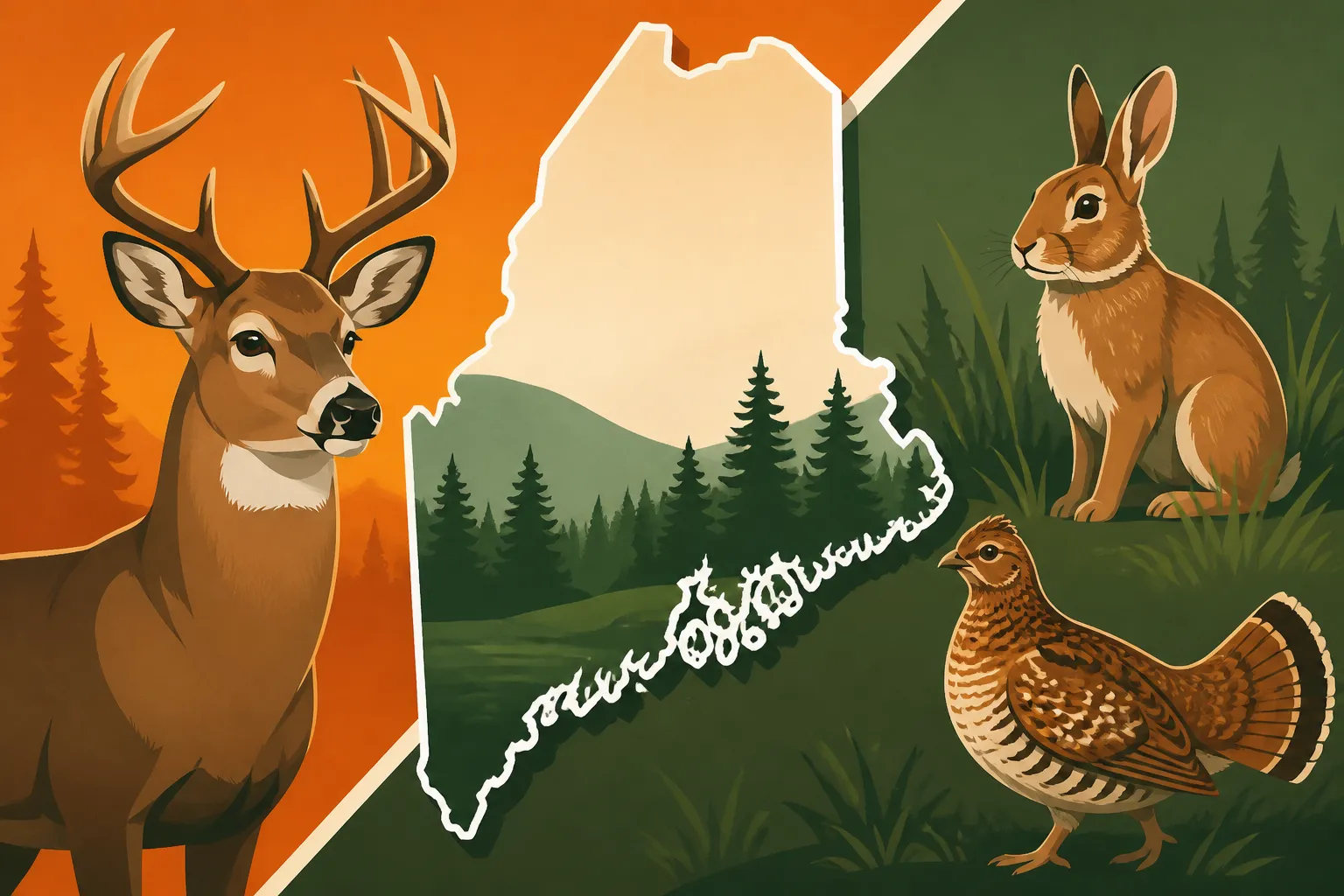
Trying to juggle the excitement of Maine's deer season with the allure of flushing grouse or tracking snowshoe hare can feel like a genuine predicament for many of us. You've invested in your deer tag, spent hours scouting, and then suddenly, the woods come alive with small game opportunities. It's a fantastic problem to have, but it can also be a little overwhelming, trying to figure out how to capitalize on every chance without compromising safety or legality. This guide is designed to help you navigate the rich tapestry of Maine's overlapping hunting seasons, ensuring you're well-prepared to pursue multiple species efficiently and responsibly.
Understanding Maine's Deer Season Framework
Maine's deer season isn't a single, monolithic block. It's carefully structured into several distinct periods, each with its own rules, permitted weapons, and, crucially, varying levels of hunter pressure. Knowing these phases is the first step to successfully combining your deer pursuit with small game hunting.
Archery, Firearms, and Muzzleloader Periods
The deer hunting calendar in Maine kicks off with the archery season, typically beginning in mid-September and running through late October. This is a wonderfully quiet time in the woods. Bowhunters are often solitary, moving slowly and deliberately, which naturally minimizes disturbance to other wildlife. For those interested in a multi-species approach, this period offers excellent opportunities to carry a small game shotgun or .22 along with your bow, especially for species like grouse or squirrels, given the lower overall hunter density. The primary weapon here, of course, is the bow or crossbow.
Next comes the highly anticipated firearms season, which generally spans four weeks in November. This is the big one, the period when the vast majority of deer hunters head afield, and hunter numbers reach their peak. The woods become a much busier place, and the rules around blaze orange become absolutely critical for everyone, including small game hunters, for safety. While you can certainly pursue small game during this time, the increased human presence can make deer more skittish, and you'll need to adjust your strategy to account for it. This is when a lot of the logistical planning for overlapping hunts really comes into play. If you're planning to hunt during this intense period, understanding Maine's Four-Week Firearms Deer Season is paramount.
Finally, Maine's deer season often concludes with a muzzleloader season in early to mid-December. This period usually sees a significant drop-off in hunter numbers compared to the firearms season. The woods are quieter, often colder, and sometimes covered in snow, offering a completely different hunting experience. Muzzleloader season can be excellent for combining with late-season small game like snowshoe hare, as the colder temperatures and potential snow cover can make tracking easier for both deer and hare.
WMD-Specific Dates and Special Hunts
It's important to remember that not all deer seasons are uniform across the state. Maine utilizes Wildlife Management Districts (WMDs), and certain dates or opportunities can vary depending on your chosen WMD. For instance, the expanded archery season, which allows for archery hunting in specific WMDs often closer to populated areas, frequently extends well into December. This gives archers an even longer window to pursue deer, and by extension, potentially small game, well after the traditional firearms season has closed. If you're in one of these areas, checking Maine Expanded Archery Zone Closing Date is a must.
Similarly, the muzzleloader season can have extended dates in some WMDs. These longer seasons provide additional chances to fill a deer tag and enjoy the solitude of late-season woods. Always consult the Maine Department of Inland Fisheries and Wildlife (MDIFW) regulations for the specific WMD you plan to hunt. Special events like the Maine Resident-Only Day or the Maine Youth Deer Hunt Rules also create unique windows that might affect small game opportunities, often with lower pressure on those specific days, making it easier to integrate other species. Using tools like GoHunt can be incredibly helpful for quickly referencing these WMD-specific dates and regulations, ensuring you're always legal and informed.
Key Small Game Seasons That Overlap
Maine is blessed with an abundance of small game species whose hunting seasons happily coincide with various phases of the deer season. This overlap offers incredible opportunities for hunters to fill multiple freezers or simply enjoy the diverse outdoor experiences Maine has to offer.
Ruffed Grouse and Woodcock
Without a doubt, ruffed grouse and American woodcock are the stars of the early fall overlap. Their seasons typically open in late September, perfectly aligning with the start of the archery deer season. You'll often find yourself still-hunting for deer through classic grouse and woodcock cover – alder runs, young clearcuts, dense spruce thickets, and old orchards. It's not uncommon to jump a covey of grouse or flush a woodcock while slowly making your way to a deer stand or still-hunting a ridge line.
For many hunters, carrying a side-by-side or over-under shotgun while deer hunting with a bow or rifle (where legal and safe) is a common practice, especially in areas known for both deer and birds. The thrill of a flushing grouse while you're focused on deer sign is something truly special. Remember, woodcock migrate, so their presence is more prevalent in the earlier part of the season before colder weather pushes them south. If you're keen on targeting these birds, familiarizing yourself with Ruffed Grouse in Maine and American Woodcock in Maine will provide a solid foundation for finding them.
Snowshoe Hare and Squirrels
As the deer season progresses into the colder, later months, particularly during the muzzleloader season and extended archery periods, snowshoe hare become a prime target. Their season often runs well into winter, making them a fantastic cold-weather pursuit. Hare habitat, characterized by dense young growth, cedar swamps, and thick spruce cover, often overlaps with excellent deer cover as well. It's not uncommon to track a deer through a fresh dusting of snow and jump a hare in the process.
While traditional hare hunting often involves beagles, opportunistic still-hunting for hare with a small caliber rifle or shotgun can be a rewarding bonus when deer hunting. Squirrel seasons, typically for gray squirrels, also often open in early fall and continue through the deer firearms season. While less often targeted by deer hunters, they can provide a fun diversion and some tasty table fare if you're set up for them. Learning more about Snowshoe Hare in Maine can help you pinpoint those crucial overlapping habitats.
Coyote and Other Furbearers
Unlike other small game species, coyotes in Maine have a year-round hunting season. This means they are always in play, no matter which phase of the deer season you're hunting. Opportunistic coyote hunting is a fantastic way to add another dimension to your deer hunt. Whether you're in a stand, still-hunting, or walking to and from your vehicle, bringing a coyote call can sometimes pay off. If you spot a coyote while deer hunting, and your primary deer hunt is slow, it might be worth a quick setup to try and call it in. Many deer hunters view coyotes as competition for deer, so removing one is often seen as a service to the deer herd.
Some furbearer seasons, like fox or bobcat, also overlap with parts of the deer season, particularly in the later months. While less common to actively pursue them while primarily deer hunting, knowing the regulations means you're prepared for any unexpected opportunities. For a deeper understanding of these predators, consider checking out Coyotes and Predators in Maine.
Navigating the Overlap: Strategy and Safety
Successfully combining deer and small game hunting requires careful planning, a clear understanding of your priorities, and an unwavering commitment to safety. You can't just head out with all your gear and hope for the best; a thoughtful approach is essential.
Prioritizing Your Hunt: Deer First or Multi-Species?
This is perhaps the most crucial decision you'll make when planning an overlapping hunt. Are you primarily focused on harvesting a deer, with small game as a bonus? Or are you truly aiming to target both equally? Your answer will dictate your gear, movement, and overall strategy. If deer is your absolute priority, you might choose to carry only your deer rifle or bow, moving quietly and slowly, and only take small game if an exceptional, low-impact opportunity arises. You'd avoid making noise, calling, or otherwise disturbing the woods in a way that might push deer out.
However, if you're keen on a true multi-species outing, you might opt for a more active approach. For instance, you could sit for deer during prime low-light hours (dawn and dusk), then spend the middle of the day still-hunting or walking through prime grouse cover with a shotgun. This approach naturally involves more movement and potentially more noise, which could reduce your deer-hunting success, but it maximizes your overall time afield and the chances of harvesting something. Being honest about your priorities helps you set realistic expectations and plan accordingly. Utilize mapping tools like GoHunt to identify areas that offer good potential for both deer and small game, helping you visualize these multi-species opportunities.
Critical Safety Considerations
When multiple hunters are in the woods, especially during the peak firearms deer season, safety is paramount. The biggest rule of thumb is blaze orange. During any open firearms deer season, everyone hunting in Maine (except waterfowl hunters in a blind or boat, or archery hunters during the expanded archery season, or when hunting coyotes at night) is required to wear an article of solid blaze orange clothing that is visible from all sides. This isn't just a suggestion; it's the law, and it saves lives. Even if you're primarily small game hunting, if it's firearms deer season, you must wear blaze orange. This is vital information, and you can learn more about the specifics in Maine Blaze Orange Requirements.
Beyond blaze orange, consider the implications of your weapon choices. Carrying a deer rifle and a small game shotgun simultaneously can be cumbersome and presents additional safety considerations. Ensure both firearms are unloaded and carried safely when not actively in use. Always be absolutely certain of your target and what's beyond it, especially if you're switching between species or weapons. The presence of other hunters means you need to be even more vigilant about responsible shot placement and knowing your zones of fire. Never assume you're the only one in the woods, even in remote areas.
Gear and Logistics for Combined Hunts
Packing for a combined deer and small game hunt requires thoughtful consideration. You're not just carrying one set of gear; you're often carrying elements of two.
Here's a breakdown:
- Weapons: If you plan to carry both a deer rifle/bow and a shotgun for birds, how will you carry them safely and efficiently? A sling for your main deer weapon and a lightweight, quick-access shotgun might work. Some hunters opt for a "combination gun" which has both rifle and shotgun barrels.
- Ammunition: Don't forget to pack appropriate ammo for all species you intend to pursue. Keep it organized and easily accessible.
- Clothing: Dress in layers. Maine weather during deer season can be wildly unpredictable, from crisp autumn days to freezing rain or snow. Your clothing needs to be versatile for sitting still, walking actively, and staying visible.
- Calls: If you plan to call coyotes or turkeys (fall season), bring your calls.
- Maps/GPS: Essential for navigating, identifying property lines, and marking successful spots for both deer and small game. Tools like GoHunt allow you to create custom waypoints and view public/private land boundaries, which is invaluable for planning a multi-species route.
- Harvest Tags: Ensure you have the necessary tags and permits for all species you're licensed to hunt. Check Maine Hunting Licenses and What They Cost to be sure.
Planning your routes to minimize disturbance is key. If you know a certain woodlot holds a good deer rub line, avoid stomping through it loudly looking for grouse during prime deer movement hours. Instead, save that grouse hunt for mid-day, or approach it from a different, less sensitive angle.
Making the Most of Multi-Species Opportunities
The beauty of Maine's overlapping seasons lies in the potential for incredible multi-species days. With a little foresight and adaptation, you can dramatically increase your overall hunting success and enjoyment.
Scouting for Overlap Success
Successful overlapping hunts don't happen by accident; they're the result of diligent scouting. Look for areas that naturally attract both deer and small game. Think about transition zones:
- Field edges with dense brush: Deer will use these for bedding and feeding, while grouse and woodcock often hold in the thick cover.
- Beaver flowages: These create diverse edge habitat, attracting deer, while the thick regrowth around them provides excellent cover for hare and birds.
- Old orchards or abandoned farmsteads: Apples and other mast crops attract deer, and the overgrown nature offers cover for various small game.
- Young clearcuts or timber harvest areas: The regenerating growth is a food source and cover for deer, and the dense thickets are prime spots for grouse and snowshoe hare.
Before the season, use aerial maps and land ownership information, perhaps through a platform like GoHunt, to identify these mixed-habitat areas. Then, hit the ground running. Look for deer sign (tracks, rubs, scrapes) and simultaneously look for grouse droppings, woodcock borings, or hare tracks. This dual-purpose scouting will give you a significant advantage once seasons open. It’s also wise to check Scouting Maine Private Land Before Season for tips on how to scout effectively and ethically.
Maximizing Time in the Field
One of the greatest benefits of overlapping seasons is the ability to maximize your time in the woods. Instead of being limited to just deer hunting, you can constantly be engaged.
Consider this flexible approach:
- Early Morning Deer Sit: Dedicate the first few hours of daylight to your primary deer stand or still-hunting route. This is when deer are most active, moving from bedding to feeding areas.
- Mid-Day Small Game Hunt: As deer activity slows down around mid-morning, shift your focus. Pick up your shotgun (if permissible and safe) and still-hunt through prime grouse or woodcock cover. If snow is on the ground, this is a great time to look for hare tracks. This keeps you moving, warm, and engaged during hours that are often slow for deer.
- Late Afternoon Deer Sit: Return to your deer stand or move to a new location for the evening hunt, focusing on deer as they become active again.
This strategy ensures you're always hunting, always adapting to the natural rhythm of the woods and the behavior of the different species. Be flexible; if you're on a hot deer trail, stick with it. But if things are quiet, don't be afraid to change tactics for a while.
Legalities and Bag Limits for Multiple Species
It cannot be stressed enough: always understand the specific regulations for each species you intend to hunt, as well as any WMD-specific rules. Maine's hunting laws are designed to manage wildlife populations responsibly, and ignorance is no excuse for violations.
Key legal points for overlapping hunts:
- Licenses: Ensure you have all the necessary licenses and permits for each species you pursue. This includes your big game license, small game license, and any required permits (like a migratory bird permit for woodcock). A handy reference like Maine Small Game Season Rules is invaluable.
- Bag Limits: Be acutely aware of daily and seasonal bag limits for each species. It's easy to get caught up in the excitement, but exceeding a limit is a serious offense.
- Weapon Restrictions: Double-check weapon legality for all seasons. While a shotgun might be fine for grouse during firearms deer season, certain areas or special seasons might have restrictions.
- Tagging and Registration: If you're fortunate enough to harvest a deer, remember the strict tagging and registration requirements. Even if you've also harvested small game, the deer takes priority for immediate tagging and reporting.
To help visualize the overlap, here’s a general overview, though always verify current dates with MDIFW before heading afield:
| Deer Season Phase | Typical Dates (Approx.) | Overlapping Small Game (Common) | Primary Gear Considerations | Key Safety Point |
|---|---|---|---|---|
| Archery Season | Mid-Sept to Late Oct | Grouse, Woodcock, Squirrels | Bow/Crossbow, optional shotgun/rimfire | Lower hunter density, still be aware |
| Firearms Season (Main) | Early Nov to Late Nov | Grouse, Hare, Coyote, Squirrels | Rifle/Shotgun | HIGH hunter density, blaze orange REQUIRED |
| Muzzleloader Season | Early Dec to Mid-Dec | Hare, Coyote | Muzzleloader | Colder temps, changing deer patterns, blaze orange required |
| Expanded Archery (Specific WMDs) | Late Oct to Mid-Dec (varies) | Grouse, Hare, Coyote | Bow/Crossbow, optional shotgun/rimfire | Local regulations crucial, check WMDs, blaze orange required during firearms season |
This table provides a general framework, but Maine's seasons can shift slightly year to year, and WMD-specific regulations are critical. A quick check on the MDIFW website or using a reliable hunting app like GoHunt will provide the most current and localized information, helping you plan your hunts down to the smallest detail. Embrace the challenge and the opportunities that Maine's diverse hunting seasons offer.
Disclaimer
Hunting regulations and season dates are subject to change. Always consult the official Maine Department of Inland Fisheries and Wildlife (MDIFW) regulations booklet or website for the most current and accurate information before planning any hunting trip. This guide is for informational purposes only and should not be considered a substitute for official legal documentation.