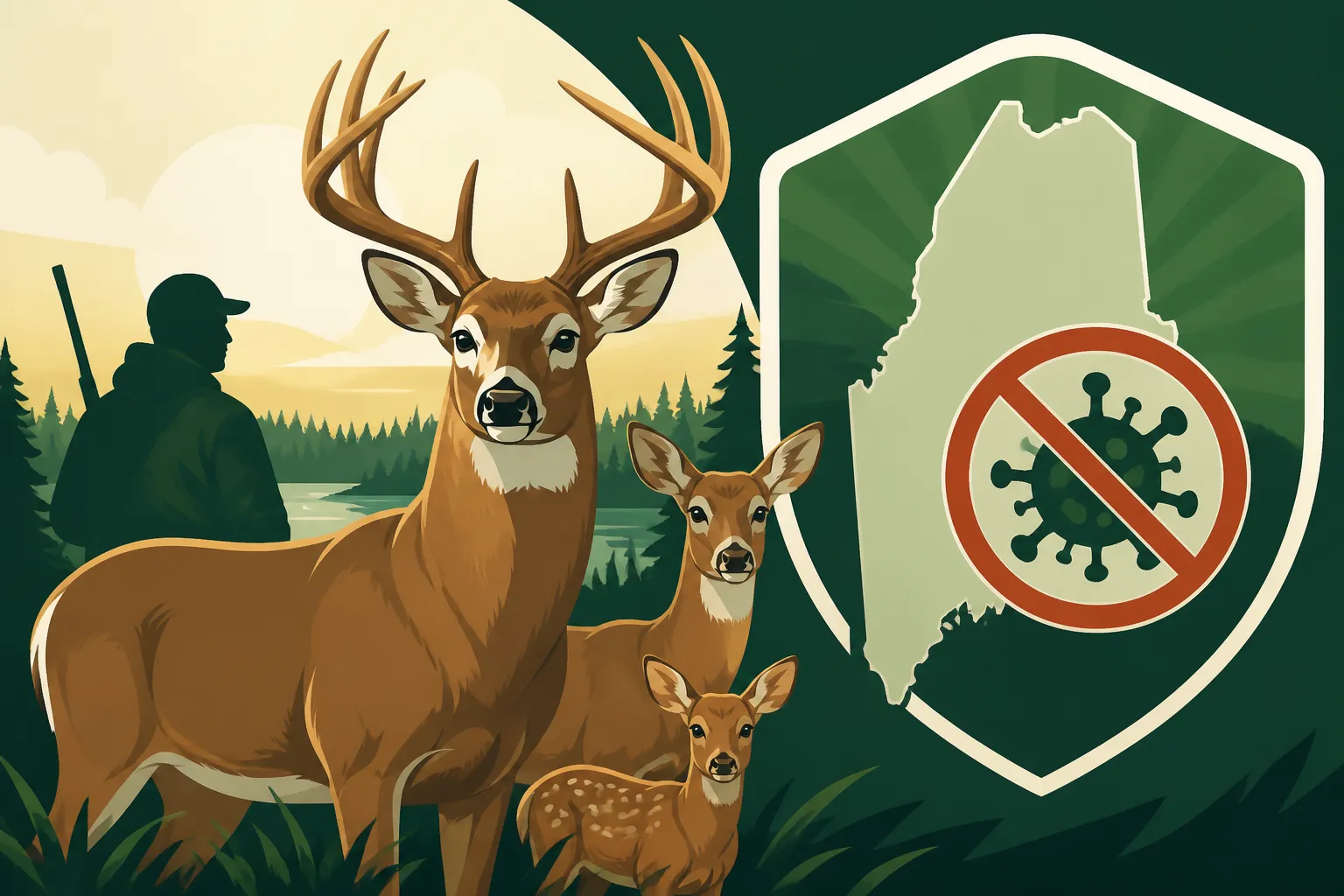
Maine’s CWD-Free Cervid Herd
The thought of Chronic Wasting Disease (CWD) casting a shadow over Maine's deer, moose, and elk populations is a real fear for every hunter and wildlife enthusiast. We've all heard the horror stories from other states, the devastating toll it takes, and the uncertainty it creates for the future of hunting. This guide aims to bring clarity and peace of mind by thoroughly exploring why Maine's cervid herd remains CWD-free, and what ongoing efforts ensure it stays that way, validating those anxieties while providing grounded facts.
Understanding Chronic Wasting Disease CWD
It's natural to feel a knot in your stomach when CWD comes up. This isn't just another deer disease; it's a persistent, fatal neurological condition that affects cervids – that's deer, elk, moose, and even reindeer. The scary part? It's always fatal, and there's no known cure or vaccine. Understanding what we're up against is the first step in appreciating the monumental effort Maine puts into keeping it out.
What CWD Is and How It Spreads
CWD is caused by abnormal proteins called prions, which are highly resistant to breakdown. Think of it as a misfolded protein that causes other normal proteins to misfold, leading to spongy holes in the brain, hence the "wasting" part of the name. It's often referred to as a "zombie deer disease" in popular culture, and while that's a dramatic oversimplification, it certainly captures the grim reality of affected animals. These prions can spread through direct animal-to-animal contact, or indirectly through contaminated environments. That means urine, feces, saliva, and even decomposing carcasses can release these prions into the soil and vegetation, where they can persist for years, even decades. A deer can pick up these prions by simply grazing in an infected area.
This environmental persistence is what makes CWD so incredibly insidious and difficult to eradicate once it takes hold. Imagine a deer licking a branch where an infected deer had recently licked, or drinking from a water source where prions have accumulated. It's a silent, relentless enemy that can spread through seemingly innocuous daily interactions within a herd. The incubation period can be long, often taking 18 months or more before an animal shows symptoms, meaning an infected animal can be spreading prions for a significant time before anyone even knows it's sick. This invisible threat is precisely why prevention is the absolute cornerstone of Maine's strategy.
Furthermore, the prions are incredibly hardy. They're not easily destroyed by typical disinfectants, cooking, or even freezing. This poses significant challenges for carcass disposal and ensuring that contaminated materials don't inadvertently spread the disease. Hunters traveling between states, for instance, need to be acutely aware of these risks, as unknowingly bringing an infected carcass or even certain parts across state lines could introduce the disease to a previously unaffected area. This is why Maine has very specific rules about what can and cannot be brought into the state from areas where CWD exists.
The Devastating Impact of CWD on Deer and Elk Populations
The long-term consequences of CWD on cervid populations are nothing short of devastating. Once CWD becomes established in an area, it's incredibly difficult to control, let alone eliminate. You'll see affected herds experience declines in population numbers, not just from animals dying, but also from reduced reproductive rates and altered behavior that makes them more susceptible to predation or vehicle collisions. The "wasting" part of the disease involves severe weight loss, lethargy, drooling, and a vacant stare, making these animals incredibly vulnerable.
For hunters, the impact goes beyond just seeing sick animals. CWD can lead to reduced hunting opportunities, shorter seasons, or even closures in heavily affected areas. The quality of the hunt itself can diminish as deer numbers drop and the health of the remaining animals suffers. Imagine planning your annual hunting trip to an area that was once abundant, only to find the herd decimated and restrictions in place. It's a gut punch, not just for the thrill of the hunt, but for the entire tradition and economic support that hunting provides to rural communities. This threat directly impacts the future of White-Tailed Deer Across Maine and other cervid species.
Beyond the ecological and hunting impacts, there are serious economic repercussions. Wildlife-watching tourism, guide services, and businesses that rely on hunters purchasing gear, food, and lodging all take a hit when CWD spreads. Land values can decrease, and the overall perception of an area's natural health can suffer. It's a ripple effect that touches far more than just the deer herd, affecting the very fabric of communities that depend on healthy wildlife populations. That's why the stakes are so high for Maine; we're talking about protecting not just our wildlife, but our way of life and the economic vitality of countless towns and businesses.
Why CWD is a Hunter's Nightmare
For hunters, CWD represents a multi-faceted nightmare. First and foremost, there's the moral and ethical dilemma of harvesting an animal that might be sick, or worse, participating in an activity that could inadvertently spread the disease. The joy of a successful hunt is tainted by the specter of CWD. Then there's the practical side: dealing with testing requirements, potential restrictions on where and how you can hunt, and the logistical challenges of carcass disposal. It adds layers of complexity and anxiety to what should be an enjoyable and rewarding pursuit.
Beyond the personal experience, CWD strikes at the heart of conservation. Hunters are often the first line of defense for wildlife, deeply invested in the health of the ecosystems they participate in. To face a disease that seems unstoppable, that can decimate herds and make their efforts feel futile, is incredibly demoralizing. The long-term implications for future generations of hunters are equally concerning. Will there be healthy herds for our children and grandchildren to pursue? This gnawing uncertainty is a burden no hunter wants to carry. The importance of understanding Maine's Chronic Wasting Disease Monitoring efforts becomes clear when you realize how much is at stake.
The fear also extends to the meat. While there's no conclusive evidence of CWD transmitting to humans, health organizations advise against consuming meat from CWD-positive animals. For hunters who rely on venison as a significant food source for their families, this recommendation introduces a profound layer of anxiety. The thought of potentially exposing loved ones, even if the risk is currently considered low, is enough to make anyone deeply concerned. It underscores why a CWD-free herd isn't just a biological achievement, but a fundamental pillar of food safety and peace of mind for Maine's hunting community.
Maine's Vigilant Defense Against CWD
Maine didn't get lucky by remaining CWD-free; it's the result of decades of proactive, aggressive, and well-funded efforts by the Maine Department of Inland Fisheries and Wildlife (MDIFW), in collaboration with hunters and other agencies. This isn't a passive approach; it's a constant, vigilant defense that involves multiple layers of protection, from the borders to the deep woods. It's a testament to the dedication of many individuals who understand the severe threat CWD poses.
Robust Surveillance and Testing Protocols
At the core of Maine's defense is a robust surveillance and testing program. Every year, MDIFW collects thousands of tissue samples from harvested deer, moose, and sometimes other cervids across the state. These samples are primarily taken from specific high-risk areas, like along the borders with other states and provinces, or in regions with higher deer densities. Hunters play a critical role here, as many are asked to voluntarily submit the heads of their harvested animals for testing at designated check stations or collection points. This is not just a suggestion; it's a vital contribution to our collective defense.
The testing process itself is rigorous. Samples are sent to specialized diagnostic labs that use advanced techniques to detect the presence of CWD prions. The results are meticulously tracked, and the absence of any positive CWD cases year after year is a hard-won victory. This continuous monitoring means that if CWD were to ever breach our borders, we would have the best possible chance of detecting it early, allowing for rapid response and containment efforts. This commitment to ongoing data collection and analysis is a crucial part of Maine's Chronic Wasting Disease Monitoring.
Furthermore, MDIFW doesn't just rely on hunter-submitted samples. They also conduct targeted surveillance on road-killed deer and animals that appear sick or emaciated in the wild, often with the help of reports from the public. This multi-pronged approach ensures that various segments of the cervid population are being monitored, maximizing the chances of early detection. Every sample, every test, every data point contributes to a comprehensive picture of our herd's health and bolsters our confidence in Maine's CWD-free status.
Interstate Cooperation and Prevention Measures
Maine understands that CWD doesn't respect state or provincial lines. That's why cooperation with neighboring jurisdictions is a critical component of our prevention strategy. MDIFW works closely with wildlife agencies in New Hampshire, New Brunswick, and Quebec to share information, coordinate surveillance efforts, and develop harmonized prevention policies. This collaborative approach recognizes that a threat to one state's herd is ultimately a threat to all. It's about building a common front against a common enemy.
One of the most significant prevention measures is the strict regulation regarding the importation of cervid carcasses and parts into Maine. Hunters traveling to other states or provinces where CWD is present are legally restricted from bringing back whole carcasses, heads, or spinal columns. Instead, only boned-out meat, capes (without the skull), antlers, or clean skulls (without brain matter) are permitted. This regulation is designed to prevent the physical introduction of CWD prions into Maine's environment, acknowledging the extreme hardiness of these prions and their ability to persist in contaminated tissue. You can find these details when considering Maine Hunting Licenses and What They Cost and their associated regulations.
Educating hunters about these regulations is paramount. MDIFW invests in outreach programs, publishes clear guidelines on its website, and utilizes social media to ensure that residents and non-residents alike are aware of their responsibilities. The goal isn't to punish, but to prevent. By making sure every hunter understands the "why" behind these rules, we empower them to be part of the solution, rather than an unwitting vector for the disease. This commitment to education and cross-border collaboration is a major reason Why CWD Has Never Reached Maine.
The Role of Hunter Education and Awareness
Hunters are truly the frontline defense in Maine's fight against CWD. Their understanding, cooperation, and vigilance are absolutely indispensable. MDIFW goes to great lengths to ensure that hunters are not only aware of CWD but also understand their crucial role in prevention. This starts with comprehensive hunter education courses, which cover CWD as a serious threat and outline best practices for minimizing risk. New hunters learn early on the importance of ethical behavior that includes disease prevention.
Beyond formal education, MDIFW actively engages the hunting community through various channels. They distribute informative brochures at license agents, publish articles in hunting magazines and online, and host public forums to discuss CWD updates and prevention strategies. This ongoing dialogue helps keep the issue top-of-mind and ensures that hunters have access to the latest information and guidelines. The message is clear: every hunter has a responsibility to protect Maine's cervid herd. For more general information, articles like Maine Hunter Education Requirements cover essential details.
Crucially, hunter awareness extends to recognizing the signs of CWD. While it's rare to see a CWD-infected animal, knowing what to look for—such as severe weight loss, abnormal behavior, excessive drooling, or a lack of fear of humans—allows hunters to report suspicious animals to MDIFW. These reports trigger investigations and potential testing, serving as another layer of surveillance in the vast Maine landscape. This collective vigilance, powered by an informed hunting community, is a powerful deterrent against CWD taking root in our beautiful state. Using tools like the Scouting With the Maine Hunting App can also help hunters report observations quickly and accurately to wildlife officials.
The Science Behind Maine's CWD-Free Status
It's easy to attribute Maine's CWD-free status to luck, but that would be a disservice to the natural advantages and deliberate scientific approaches that have safeguarded our cervid populations. While human effort is paramount, there are inherent geographical and biological factors that have certainly played a significant role in keeping this devastating disease at bay. It's a combination of nature's barriers and smart, science-based management.
Geographic Isolation and Natural Barriers
One of Maine's most significant advantages in the fight against CWD is its unique geography. We are a relatively isolated state, particularly in our northern and eastern regions. The vast, undeveloped expanses of the North Maine Woods act as a formidable natural barrier, creating a buffer zone against the potential westward or southward spread of CWD from our Canadian neighbors. These huge tracts of contiguous forest, crisscrossed by rivers and bogs, do not lend themselves to high deer densities, which are often a prerequisite for rapid CWD spread.
Furthermore, Maine's extensive coastline and the Bay of Fundy to the east provide another natural impediment. While coastal regions do have deer, the open ocean and tidal waters create a barrier that significantly reduces the likelihood of natural CWD transmission from cervids migrating across the landscape. Our southern border with New Hampshire, while more populated, still benefits from natural features that help manage deer movement. These geographical characteristics mean that potential CWD entry points are fewer and more manageable than in states with extensive, high-density cervid populations bordering infected areas.
It's not just the sheer size of the wild spaces; it's also the specific habitat types. Large areas of dense forest, wetlands, and mountains aren't typically where CWD outbreaks initially gain traction. While deer exist in these areas, their dispersal patterns and population dynamics differ from agricultural landscapes or suburban environments that might be more conducive to rapid disease transmission. This natural dispersion, combined with the lack of artificial feeding or baiting that can concentrate deer, further strengthens Maine's natural defenses.
Low Deer Density in Key Border Regions
Another critical scientific factor contributing to Maine's CWD-free status is the relatively low deer density in many of our border regions, especially in the north. CWD thrives where cervids congregate, facilitating nose-to-nose contact and rapid environmental contamination through bodily fluids. In vast areas of northern and eastern Maine, deer populations are naturally less dense compared to the agricultural lands of the Midwest or parts of the Northeast. This lower density acts as a biological firebreak.
Think about it: if there are fewer deer in a given area, the chances of an infected animal encountering and transmitting prions to multiple other animals are significantly reduced. It slows down the potential spread of the disease, buying valuable time for surveillance and intervention if CWD were to ever be introduced. This contrasts sharply with areas where deer numbers are artificially high due to supplemental feeding or abundant agricultural crops, creating perfect conditions for an epidemic. This aspect also influences discussions around Northern Maine Deer Density and its implications for overall herd health.
MDIFW actively monitors deer populations and densities across the state, including in these critical border zones. Their management strategies, which include carefully regulated hunting seasons and permit allocations, aim to maintain healthy, resilient populations without allowing densities to reach levels that would make CWD spread more likely. This careful balance, informed by scientific population data, is an unsung hero in our state's CWD prevention efforts, demonstrating a proactive approach to herd health management.
Proactive Regulatory Frameworks
Beyond natural advantages, Maine has implemented a robust and proactive regulatory framework specifically designed to prevent CWD introduction and spread. These aren't reactive measures; they are forward-thinking laws and rules based on the best available scientific understanding of CWD. Key among these are strict prohibitions on the importation of live cervids into the state, a major pathway for CWD introduction in other regions. Maine learned from the mistakes of other states, preventing the establishment of captive cervid facilities that could potentially harbor and spread the disease.
The ban on feeding wild deer is another crucial regulation. While some hunters might disagree with it, especially in tough winter conditions, it's a scientifically supported measure to prevent deer from congregating in unnaturally high numbers. Concentrating deer at feed sites drastically increases the likelihood of disease transmission, including CWD, as animals share saliva, urine, and feces in a small area. By avoiding these artificial congregation points, Maine actively reduces the risk of CWD taking hold and spreading rapidly.
Furthermore, Maine's regulations regarding carcass importation from CWD-positive states are among the strictest in the nation, as mentioned earlier. These rules are non-negotiable and are enforced to the fullest extent because the science clearly shows that prions can be carried in brain, spinal cord, and lymph node tissues. By limiting what parts can enter the state, Maine minimizes the risk of infected material being deposited into the environment where it could potentially infect local cervids. This layered approach of bans and restrictions forms a formidable regulatory shield against CWD.
How Hunters Contribute to Maine's CWD Prevention
It can't be stressed enough: Maine's CWD-free status is not solely the work of biologists and wardens. The hunting community is an absolutely vital partner, essentially acting as the eyes and ears in the woods. Every single hunter has a role to play, and understanding these responsibilities is crucial for protecting our shared wildlife heritage. Without hunter cooperation, the battle against CWD would be immeasurably harder.
Mandatory Registration and Sample Submission
One of the cornerstones of Maine's CWD surveillance program relies heavily on the cooperation of hunters through mandatory deer registration. When you successfully harvest a deer, you're required to register it, which provides MDIFW with critical data on harvest numbers, locations, and overall herd health. This system also creates an opportunity for CWD surveillance. In designated CWD surveillance zones, or during specific timeframes, hunters might be asked or required to submit samples from their harvested animals.
Typically, this involves submitting the head of a deer or moose at a designated check station or self-service kiosk. From these samples, biologists can collect lymph nodes or brain tissue for CWD testing. While it might seem like an extra step after a long day in the woods, it's an incredibly important contribution. Each sample adds to the statistical confidence that CWD is not present in our herds. It's a small inconvenience for a massive gain in wildlife health security. These locations and requirements are clearly communicated, often through the Maine Deer Registration Requirements.
The data collected from these registration and sampling efforts isn't just about CWD. It provides MDIFW with invaluable information for managing our deer populations, understanding trends, and making informed decisions about future seasons and bag limits. When hunters participate, they're not just helping prevent CWD; they're actively contributing to the overall health and sustainability of Maine's deer herd, ensuring strong populations for years to come. It’s a collective effort that pays dividends for all.
Restrictions on Importing Carcasses and Parts
For hunters who travel out of state, especially to areas where CWD is known to exist, understanding and adhering to Maine's importation restrictions is absolutely non-negotiable. This is perhaps the single most critical action a hunter can take to prevent the introduction of CWD into Maine. The rule is clear: you cannot bring back whole carcasses or high-risk parts like brain, spinal cord, eyes, spleen, or lymph nodes from any cervid harvested outside of Maine. This includes deer, moose, elk, and caribou.
What can you bring back? Boned-out meat, cleaned skulls (without brain tissue), antlers, hides with no head attached, and capes that have been commercially prepared. Essentially, any part that doesn't pose a risk of carrying the CWD prion. This might mean processing your game in the state you hunted it, which can be an extra step, but it's a small price to pay for protecting Maine's cervid herd. It’s important to plan for this when hunting out-of-state and know the regulations of both your destination and your home state.
The frustration of having to debone an animal in the field or pay for processing out-of-state is understandable, but the alternative – CWD establishing itself here – is far worse. Many states now have reputable butchers and processors who are well-versed in these regulations. Hunters need to do their homework before they leave Maine to ensure they comply with all rules and don't accidentally become a vector for CWD. Checking resources like the official MDIFW website or apps like GoHunt can help clarify these regulations before you embark on your journey.
Reporting Sick or Abnormal-Acting Deer
Hunters spend more time in the woods observing deer than almost anyone else. This makes them uniquely positioned to be the first to notice if an animal is acting strangely. While it's incredibly rare to see a CWD-infected deer in Maine, knowing the signs and reporting them promptly to MDIFW is another critical way hunters contribute to CWD prevention. Early detection is paramount if CWD were ever to appear.
What should you look for? As mentioned, signs include severe weight loss (the "wasting" part), stumbling or poor coordination, excessive drooling, difficulty swallowing, a vacant or listless expression, and a general lack of awareness or fear of humans. Keep in mind that other diseases or injuries can cause similar symptoms, but it's always better to report and let the experts investigate. Don't assume; report.
If you observe a deer exhibiting these symptoms, do not approach or handle the animal. Contact MDIFW immediately with details about the animal's location, behavior, and any other relevant observations. Your quick report could be the key to preventing a widespread outbreak if CWD were ever to manifest. This vigilance is a direct extension of our shared responsibility to be ethical and conscientious stewards of Maine's wildlife.
What a CWD-Free Status Means for Maine Hunters
For those of us who cherish Maine's hunting traditions, the CWD-free status isn't just a technical achievement; it's the bedrock upon which our entire hunting culture is built. It means healthy game, sustainable seasons, and the continuation of a way of life that has defined generations of Mainers. This isn't something to take for granted; it's a precious resource that we must all actively protect.
Healthy Deer Populations and Sustainable Hunting
The most immediate and tangible benefit of Maine's CWD-free status is the health of our deer, moose, and elk populations. Without the insidious spread of CWD, these animals are not suffering from a fatal, untreatable disease that could decimate their numbers. This translates directly into more robust and thriving herds across the state. Healthy animals are more productive, exhibit natural behaviors, and contribute to a more balanced ecosystem. This is why Maine Deer Population Estimate remains a positive indicator for our cervids.
For hunters, healthy populations mean sustainable hunting opportunities. We can continue to enjoy well-regulated seasons with reasonable bag limits, knowing that our activities are not contributing to the decline of an already ailing herd. It means the thrill of chasing a vibrant buck through the Maine woods or applying for a coveted moose permit, with the confidence that the animals we pursue are healthy and fit. It allows MDIFW to focus on management strategies that enhance habitat and population resilience, rather than scrambling to contain a disease outbreak.
This also protects the quality of the hunting experience itself. There's a profound satisfaction in harvesting a strong, healthy animal, knowing it lived a good life in a clean environment. A CWD-free status ensures that the meat you bring home is from an untainted source, providing peace of mind to feed your family. This fundamental confidence in the health of our game is invaluable and underpins the entire hunting economy and tradition in Maine.
Preserving Maine's Hunting Heritage
Hunting in Maine is more than just a pastime; it's a deep-rooted heritage, a connection to the land and a way of life passed down through generations. A CWD-free herd is absolutely essential for preserving this heritage. Imagine if CWD took hold: seasons could be shortened or closed, certain areas might be off-limits, and the sheer joy and tradition of deer camp could be severely diminished by anxiety and restrictions. We've seen this happen in other states, and it's a future we actively fight to avoid.
Maintaining our CWD-free status means that families can continue to pass down hunting knowledge, skills, and values without the added burden of an existential threat to the game itself. Youth hunters can learn to appreciate wildlife and conservation in an environment where the animals are healthy, and the future of their pursuit seems secure. This continuity is vital for the cultural fabric of rural Maine, where hunting often defines the autumn months and brings communities together.
Furthermore, Maine's reputation as a premier hunting destination for deer, moose, and bear is directly tied to the health of its wildlife. A CWD outbreak would severely damage this reputation, impacting tourism and the guiding industry. By remaining CWD-free, we protect the authenticity of the Maine hunting experience and ensure that our heritage remains vibrant and uncompromised for current and future generations. The health of our herds directly supports the traditions described in articles like Maine Deer Camp Traditions.
Economic Benefits to Local Communities
Beyond the ecological and cultural benefits, Maine's CWD-free status delivers significant economic advantages to our local communities. Hunting is a major economic driver, especially in rural areas where jobs and revenue can be scarce. Hunters spend money on licenses, permits, gear, lodging, food, fuel, and guide services. This influx of capital supports small businesses, creates jobs, and generates tax revenue that benefits all Mainers.
If CWD were to establish itself, the economic impact would be severe and widespread. Reduced hunting opportunities would mean fewer hunters, less spending, and a ripple effect that could devastate local economies. Sporting goods stores would see fewer sales, gas stations would sell less fuel, and small town diners would serve fewer breakfasts. Guides and outfitters, already working hard, would face even greater challenges. It’s a sobering thought, especially in regions like Aroostook County or the North Woods.
By aggressively preventing CWD, Maine is effectively safeguarding a multi-million-dollar industry and countless jobs. It allows businesses to thrive, and communities to depend on the consistent economic boost that hunting provides each season. It’s a powerful incentive, beyond just wildlife health, to maintain our vigilant CWD defense. Hunters and businesses alike benefit from the continued health of Maine's CWD-Free Cervid Herd.
Addressing Common Concerns and Misconceptions
Despite Maine's impressive track record, questions and concerns about CWD are always understandable. The information surrounding this disease can be complex and sometimes contradictory, leading to misunderstandings. It's important to address these directly and separate fact from fiction, reinforcing why Maine's strategy is so critical and effective.
The "When, Not If" Mentality and Maine's Reality
Many wildlife professionals in CWD-affected states operate with a "when, not if" mentality when discussing the disease's spread. This perspective suggests that CWD is inevitable and will eventually reach every cervid population. While this grim outlook might be realistic for some regions, it doesn't necessarily apply to Maine. Our state's unique combination of geographic barriers, low deer densities in critical areas, and aggressive, proactive management creates a different reality.
Maine's defense isn't built on wishful thinking; it's built on science and consistent effort. Our remoteness and vast wild lands are not just pretty scenery; they are functional biological firebreaks. While we acknowledge the constant threat and remain vigilant, Maine does not subscribe to the idea that CWD is an inevitable arrival. We believe that with continued diligence, hunter cooperation, and sound management, we can maintain our CWD-free status indefinitely. Our success over decades is proof that prevention can work.
It's crucial not to become complacent, but also not to succumb to fatalism. The "when, not if" mentality can sometimes lead to a lessening of prevention efforts, a resigned acceptance. In Maine, that's simply not an option. Our approach is one of perpetual defense, adapting to new information and continually strengthening our protocols. We fight every day to keep the "if" from becoming a "when."
Dispelling Myths About CWD Transmission
There are several myths and misunderstandings surrounding CWD transmission that can cause undue alarm or, conversely, lead to complacency. One common misconception is that CWD can easily jump to domestic animals or humans. While public health agencies advise against consuming CWD-positive meat, there has been no confirmed case of CWD naturally transmitting to humans or livestock like cattle. Research continues, but the current scientific consensus is that species barriers are robust, though caution is always advised.
Another myth is that CWD can be spread through casual contact with hunters or their equipment, even if the equipment is cleaned. While cleaning equipment is good practice, CWD prions are not transmitted through simple skin contact with an infected deer or by touching a hunter's knife, assuming proper field dressing and handling procedures are followed. The risk comes from specific tissues, primarily brain and spinal cord, and their environmental deposition. As long as hunters follow proper carcass disposal and cleaning guidelines, the risk of indirect transmission from equipment is minimal.
Finally, some believe that CWD is simply a problem for states with high deer populations and isn't a concern for Maine. This is dangerous thinking. While density plays a role, CWD has been found in states with varied deer numbers. The reality is that CWD is a serious threat to any cervid population, regardless of size, and only through constant vigilance and adherence to preventative measures can Maine continue to protect its unique and valuable herd. The importance of monitoring Maine's Closest CWD Detection to Its Border further underscores this point.
Why Continued Vigilance is Paramount
Despite Maine's success story, the fight against CWD is never truly over. Complacency is the greatest threat to our CWD-free status. The prions are incredibly persistent, and new pathways for introduction, though constantly monitored, could emerge. As long as CWD exists in neighboring states and provinces, Maine will remain at risk. This is why continued vigilance from all stakeholders – MDIFW, hunters, landowners, and the general public – is absolutely paramount.
This means consistently funding MDIFW's surveillance programs, ensuring hunters continue to cooperate with sampling efforts, and maintaining strict adherence to carcass importation rules. It also means staying informed about the latest CWD research and adapting our strategies as new scientific understanding emerges. The disease mutates, spreads, and surprises; we must remain flexible and responsive to these changes.
Every year that Maine remains CWD-free is a testament to this collective vigilance, but it's not a reason to relax. Instead, it's a reaffirmation that our approach works and must be sustained. The health of our cervid herd, the future of our hunting heritage, and the economic well-being of our rural communities all depend on our unwavering commitment to keeping CWD out of Maine.
Looking Ahead: Maintaining Maine's Advantage
The long game for Maine is not just to remain CWD-free today, but to ensure that our cervid herds are protected for generations to come. This requires forward-thinking strategies, ongoing investment, and a willingness to adapt. We can't rest on our laurels; we must continuously evolve our defense against this persistent threat.
Adaptive Management Strategies
Maine's approach to CWD prevention is not static; it's an adaptive management strategy. This means MDIFW constantly reviews its surveillance data, evaluates the effectiveness of its regulations, and monitors CWD trends in other jurisdictions. If, for instance, CWD were to be detected closer to Maine's border in a neighboring state, our surveillance efforts would likely be intensified in those specific border regions, potentially requiring more samples from hunters in those areas.
This flexibility allows MDIFW to allocate resources most effectively and respond proactively to evolving threats. It involves working with researchers to understand new insights into prion behavior and transmission, and then integrating that knowledge into our protocols. For instance, if new evidence suggested a previously unrecognized pathway of transmission, Maine would swiftly implement regulations to address it. This kind of scientific responsiveness is a hallmark of good wildlife management and is vital for our long-term success.
Adaptive management also extends to public outreach. As the CWD landscape changes, so too must our communication with hunters and the public. We need to continuously educate new generations of hunters and remind seasoned veterans of the importance of prevention. The methods of communication may change – from traditional brochures to social media campaigns – but the core message of vigilance and cooperation remains constant.
Research and Development in CWD Detection
While current CWD detection methods are effective, they are also time-consuming and often require specific tissue samples. The future of CWD prevention could be significantly enhanced by advances in rapid, live-animal testing, or even environmental detection methods. Maine, while CWD-free, closely monitors and supports research and development in these areas. Imagine a future where a quick, non-invasive test could identify CWD in a live deer, allowing for immediate removal and targeted intervention.
New diagnostic tools that are faster, cheaper, and more sensitive could revolutionize CWD surveillance. This might include cutting-edge technologies that can detect prions in bodily fluids like saliva or blood, or even in environmental samples like soil or water. The ability to identify CWD at earlier stages of infection, or to pinpoint contaminated areas without relying solely on harvested animals, would provide powerful new weapons in our defense.
Maine understands that staying ahead of CWD means embracing scientific innovation. While we may not be directly conducting all this research, we are prepared to integrate proven new technologies and methodologies into our prevention strategy as they become available. This commitment to staying informed and adaptable ensures that Maine remains at the forefront of CWD prevention efforts, leveraging the best science available to protect our cervid herds.
The Future of Maine's Cervid Health
Ultimately, the goal is to ensure a healthy and thriving future for Maine's cervid populations for generations to come. This isn't just about CWD, but also about managing other diseases, habitat quality, and population dynamics. A CWD-free status provides a strong foundation, allowing MDIFW to focus on holistic management that promotes overall herd resilience and biodiversity.
Maintaining a CWD-free status means we can continue to enjoy the natural beauty and ecological balance that healthy deer, moose, and elk provide. It means the intricate web of forest life remains intact, supporting other species and contributing to the overall health of Maine's wild lands. The health of our deer herd is inextricably linked to the health of our entire ecosystem. The game species that call Maine home depend on our continued vigilance.
The future of hunting in Maine, the joy of pursuing healthy game, and the traditions we hold dear, all hinge on our continued success in keeping CWD out. It’s a shared responsibility, a continuous effort, and a testament to what can be achieved when a state, its wildlife agency, and its citizens unite to protect a precious natural resource.
| CWD Prevention Effort | Description | Hunter's Role | Benefit to Maine Hunters |
|---|---|---|---|
| Surveillance & Testing | Annual collection of thousands of cervid tissue samples from high-risk areas. | Submit harvested deer/moose heads for testing at check stations/kiosks. | Early detection, confidence in herd health, informed management. |
| Carcass Importation | Strict rules on bringing specific cervid parts into Maine from CWD areas. | Debone game out-of-state, bring only low-risk parts (meat, clean skull, antlers). | Prevents physical introduction of prions, maintains CWD-free status. |
| Hunter Education | Outreach programs and courses on CWD risks, symptoms, and prevention. | Stay informed, report suspicious animals, adhere to regulations. | Empowers hunters as frontline defenders, reduces disease risk. |
| Live Cervid Ban | Prohibition on importing or possessing live deer, moose, or elk. | Do not support or participate in captive cervid operations. | Prevents a major pathway for CWD introduction into the state. |
| Deer Feeding Ban | Prohibition on feeding wild deer. | Avoid supplemental feeding that concentrates deer unnaturally. | Reduces artificial congregation, limiting potential disease spread. |
Disclaimer
The information provided in this article is for general guidance and informational purposes only, and does not constitute legal advice. Hunting regulations and CWD prevention protocols can change. Always consult the official Maine Department of Inland Fisheries and Wildlife (MDIFW) website and current hunting regulations for the most up-to-date and accurate information before planning any hunting activities or making decisions related to wildlife management.