Maine Bear Population Estimate
If you've spent any time in Maine's woods, you know the feeling of wondering what's out there beyond the next ridge. For many, that curiosity centers around our robust black bear population. It's easy to spot a moose or hear a turkey gobble, but bears are notoriously elusive, making it hard to grasp just how many call our state home. This guide will dive deep into how Maine wildlife biologists estimate these populations, what the numbers actually mean, and what factors contribute to the health and distribution of these incredible animals across our diverse landscape.
Understanding Maine's Black Bear Population
Maine's black bear population is a conservation success story, boasting one of the largest and healthiest populations in the eastern United States. This hasn't always been the case, and understanding the current numbers helps us appreciate the careful management that goes into balancing ecological health with hunting opportunities. When we talk about "population estimates," we're not just throwing out a random number; we're referring to a scientifically derived figure that guides wildlife management decisions, hunting regulations, and conservation efforts across the state.
The Scale of Maine's Bear Population
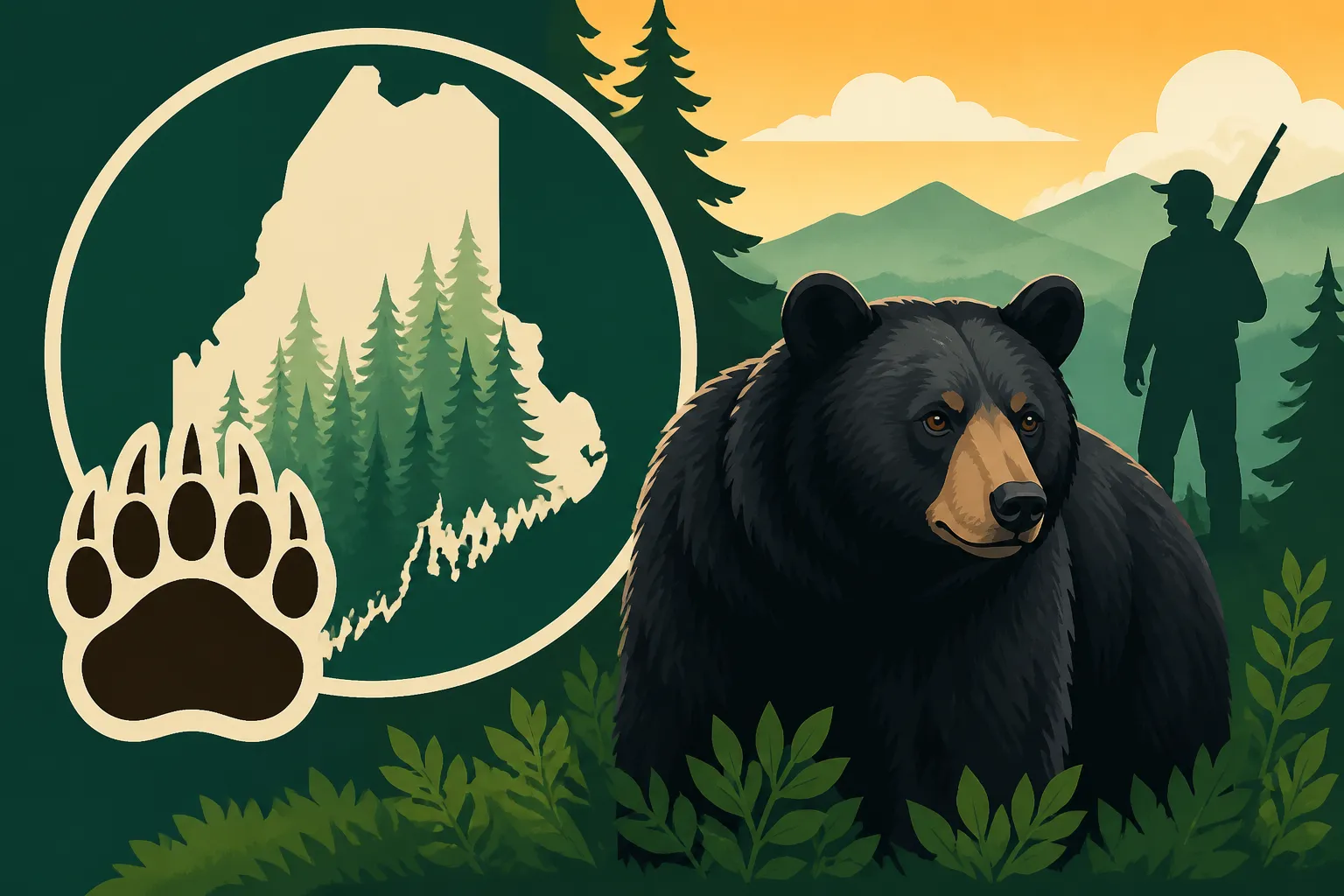
It’s often surprising to new hunters or those visiting from other states just how many black bears are believed to inhabit Maine. Current estimates typically place the population somewhere between 30,000 and 36,000 individuals, making Maine home to one of the most significant bear populations east of the Mississippi River. This isn't a static number, of course; it fluctuates with factors like food availability, cub production, and hunting pressure, but it consistently demonstrates a thriving and widespread presence of black bears throughout much of the state.
These aren't confined to the deepest North Woods, either. While the vast timberlands of Aroostook, Piscataquis, and Penobscot counties hold the densest concentrations, bears are found in nearly every county, extending into central and even southern Maine's more fragmented habitats. They've proven incredibly adaptable, navigating agricultural lands, suburban fringes, and everything in between. This wide distribution means that whether you're deer hunting near Augusta or Moose Hunting Maine's North Woods, you're likely in bear country.
Why Population Estimates Matter for Management
Accurate population estimates are the bedrock of responsible wildlife management. Without a good understanding of how many bears there are, how they're reproducing, and how they're distributed, it would be impossible for the Maine Department of Inland Fisheries and Wildlife (MDIFW) to set effective hunting seasons, implement necessary conservation measures, or address human-bear conflicts. These numbers help biologists determine sustainable harvest quotas, ensuring that hunting remains a tool for managing populations without jeopardizing their long-term health.
The goal isn't just to have "a lot" of bears; it's to maintain a healthy, viable population that is in balance with its habitat and coexists reasonably with human communities. Overpopulation can lead to increased conflicts, disease transmission, and habitat degradation, while underpopulation could threaten the species' future. These estimates allow MDIFW to make informed decisions, such as adjusting the length or methods allowed during Maine's Three-Method Bear Season, to keep the population on track.
How Maine Wildlife Biologists Estimate Bear Numbers
Estimating the population of a wide-ranging, intelligent, and often nocturnal animal like the black bear is no easy feat. It requires sophisticated scientific methods, years of consistent data collection, and a deep understanding of bear ecology. Maine's biologists employ a combination of techniques to arrive at their comprehensive population figures, constantly refining their approaches to ensure accuracy.
Mark-Recapture Studies and Den Surveys
One of the primary methods Maine biologists use to estimate bear numbers is a technique called mark-recapture, often combined with intensive den surveys. This involves trapping a number of bears, typically in specific study areas, tranquilizing them, and then outfitting them with ear tags or radio collars. These "marked" bears are then released back into the wild. Later, biologists attempt to "recapture" bears in the same area or visually identify marked individuals. By analyzing the ratio of marked to unmarked bears in subsequent captures or observations, they can statistically estimate the total population size within that study area.
Den surveys are another critical component, especially for understanding reproductive rates and cub survival. Biologists locate bear dens during the winter months, often by tracking collared sows. They then visit these dens to count cubs, assess their health, and tag them. This direct observation provides invaluable data on cub production and survival, which are key variables in any population model. Observing female bears in their dens allows biologists to calculate the number of cubs per sow, the percentage of sows with cubs in a given year, and the average age at which females begin reproducing, all of which feed directly into the overall population estimate.
Harvest Data and Population Modeling
While direct observations are vital, hunting harvest data provides an expansive, state-wide dataset that complements mark-recapture studies. Every bear legally harvested in Maine must be registered, providing MDIFW with critical information such as the bear's sex, weight, and general location of harvest. Over decades, this harvest data has become a rich source of population trend indicators. By analyzing the age and sex structure of harvested bears, biologists can infer reproductive success, mortality rates, and overall population health.
This vast amount of data from mark-recapture, den surveys, and harvest records is then fed into complex population models. These models use mathematical algorithms to project population changes based on known variables like birth rates, death rates, and immigration/emigration. Modern population modeling is a sophisticated scientific process that helps wildlife managers understand current numbers and predict future trends, even projecting how different management strategies or environmental changes might impact the bear population. Hunters can even use tools like those on the GoHunt platform to visualize harvest data and understand where bear populations might be denser, which can inform scouting efforts.
Factors Influencing Maine's Bear Population Dynamics
Maine's black bear population isn't static; it's a dynamic system influenced by a complex interplay of environmental conditions, biological factors, and human activities. Understanding these forces helps to explain fluctuations in numbers and distribution, providing a more nuanced picture than just a raw population estimate.
Food Availability and Habitat Quality
Perhaps the most significant factor influencing Maine's black bear population is food availability. Bears are opportunistic omnivores, and their diet changes with the seasons. A consistent abundance of natural food sources, such as berries (raspberries, blueberries, blackberries), nuts (acorns, beechnuts), and insect larvae, directly correlates with higher cub survival rates, better overall health, and increased reproductive success. In years with poor mast crops, bears might have smaller litters, cubs might not survive their first winter, and bears might travel more widely in search of sustenance, leading to increased human-bear conflicts.
Conversely, a boom year for natural foods can see a noticeable increase in cub production and survival. Maine's vast, unbroken forestlands, particularly in the northern and western parts of the state, provide expansive, high-quality habitat rich in these natural food sources. These areas are critical for supporting the large bear population we see today. Habitat quality isn't just about food, though; it also includes secure denning sites, ample cover for movement, and access to water, all of which Maine's diverse landscape generally provides.
Reproductive Rates and Survival
Black bears have a relatively slow reproductive rate compared to many other game species. Females typically don't breed until they are three or four years old, and then they usually only produce a litter every two to three years. Litter sizes in Maine average around two to three cubs. The survival of these cubs, especially through their first year, is crucial to population growth. Factors like the mother's health, food availability, and the severity of winter all play a role in cub survival.
Mortality rates for adult bears are generally low outside of hunting and human-related incidents (like vehicle collisions). Healthy adult bears face few natural predators in Maine. Understanding these reproductive cycles and survival rates is vital for population modeling. If reproductive success declines, or mortality rates for adults or cubs increase significantly, even for a short period, it can have a ripple effect on the overall population estimate for years to come. MDIFW biologists carefully track these metrics, including those gathered from Maine Bear Den Study Findings, to keep tabs on population health.
Human-Bear Interactions and Management
As human populations expand and bears become more habituated to human presence, interactions inevitably increase. These can range from nuisance issues like bears raiding bird feeders or trash cans, to more serious agricultural damage, or even rare conflicts with people. MDIFW actively manages these interactions through education, hazing, and in some cases, removal or relocation of problem bears. However, the most significant human influence on the bear population is through regulated hunting.
Maine's bear management program relies heavily on a carefully controlled harvest. The state offers hunters the opportunity to pursue bears using three legal methods: baiting, hounding, and still-hunting/trapping. These methods, outlined further in resources like Baiting Black Bears Legally in Maine or Hunting Bear With Hounds in Maine, are designed to allow a sustainable harvest that helps maintain the population at a healthy level while also mitigating conflicts. The success rates and total harvest numbers are meticulously tracked, as detailed in reports like Maine Bear Harvest Numbers by Method, directly informing future population estimates and management decisions.
Historical Trends and Future Outlook for Maine Bears
Looking at the trajectory of Maine's black bear population over time provides valuable context for where we are today and helps us anticipate future challenges and opportunities. It’s a story of recovery, careful management, and ongoing adaptation.
From Historic Lows to Modern Abundance
It might be hard to imagine today, but Maine's black bear population was once significantly lower, especially in the early to mid-20th century. Habitat loss, unregulated hunting, and a general lack of understanding about bear biology led to declining numbers in many areas. However, with the advent of modern wildlife management practices, including regulated hunting seasons, habitat protection, and scientific research, the population began to rebound dramatically.
By the 1980s, the population was growing, and by the turn of the century, it had reached levels that many considered robust. This recovery is a testament to the effectiveness of science-based wildlife management and the cooperative efforts of hunters, landowners, and conservationists. Today, Maine’s bear population is considered stable and healthy, allowing for consistent hunting opportunities while ensuring the species' long-term viability. This success is often contrasted with the struggles of other species, highlighting the importance of vigilant management.
Management Challenges and Adaptations
Despite the current success, managing a large bear population in a changing landscape comes with its own set of challenges. Climate change, for instance, can impact natural food cycles, potentially leading to more inconsistent mast crops and increased bear movements. Habitat fragmentation from development, particularly in southern and coastal Maine, also poses challenges for bear dispersal and movement corridors.
MDIFW continually adapts its management strategies to address these evolving conditions. This includes ongoing research into bear movements, genetics, and habitat use, as well as refining harvest strategies. For instance, the use of Trapping Black Bears in Maine offers a different management tool that can be applied in specific circumstances. They also actively engage with the public to educate residents about living responsibly in bear country, minimizing conflicts, and promoting ethical hunting practices, which is part of overall Maine Hunter Education Requirements.
The Role of Hunting in Future Management
Hunting will undoubtedly remain a cornerstone of Maine's bear management strategy. As the population remains high, regulated hunting is the most effective and efficient tool for maintaining healthy numbers and managing interactions with humans. Hunters contribute significantly not only through license fees (such as the Maine Bear License Cost), which fund management and research, but also by providing valuable data through mandatory registration.
There is always discussion about the optimal harvest levels and methods. For example, some WMDs (Wildlife Management Districts) might see different hunting pressure or bear densities, requiring tailored approaches. The future of Maine's black bear population depends on continued scientific monitoring, adaptive management, and the ongoing support of a knowledgeable and engaged hunting community. For those considering a hunt, understanding regulations, like those for Maine's Two-Bear Bag Limit Explained, is crucial.
Regional Differences in Maine's Bear Population
While Maine boasts a healthy overall black bear population, it's far from uniformly distributed. Bear densities vary significantly across the state, influenced by habitat type, human population density, and available food sources. These regional differences are critical for both wildlife managers and hunters to understand.
Bear Hotspots: The North Woods and Western Mountains
The undisputed strongholds of Maine's black bear population are the vast, undeveloped timberlands of the North Maine Woods and the extensive forests of the western mountains. Areas like Aroostook, Piscataquis, and northern Penobscot counties, characterized by millions of acres of contiguous forest, offer ideal bear habitat. Here, food sources are abundant, human disturbance is minimal, and bears can thrive with plenty of room to roam. These regions consistently yield the highest bear densities and are often where hunters and Hiring a Registered Maine Guide will focus their efforts.
The expansive nature of these territories means bears can live out their lives with relatively little interaction with humans, except during hunting season. Logging operations, while impacting habitat in some ways, also create clearings that lead to successional growth, which can produce excellent berry crops, further enriching the bear's diet. These areas are truly the heart of Maine's bear country, offering significant opportunities for populations to reproduce and expand.
Lower Densities in Central and Southern Maine
As you move south and east into central and southern Maine, bear densities generally decrease. This is primarily due to increased human population density, more fragmented habitat, and a greater prevalence of agriculture and suburban development. While bears are incredibly adaptable and can certainly thrive in these areas, their numbers are naturally lower because there's less contiguous wildland and more pressure from human activity.
However, "lower density" doesn't mean "no bears." Bears are regularly sighted in these regions, often making headlines when they wander into residential areas or agricultural fields. They utilize smaller woodlots, river corridors, and even suburban green spaces, proving their ability to exist in close proximity to people. In these areas, management often shifts slightly to focus more on mitigating human-bear conflicts, alongside maintaining a sustainable harvest. Hunters in these regions often utilize smaller, isolated patches of cover, sometimes even near bustling towns.
| Region | Estimated Bear Density (Bears/100 sq miles) | Primary Habitat Type | Typical Food Sources | Management Focus |
|---|---|---|---|---|
| North Woods | High (30-50+) | Vast, contiguous mixed forest, commercial timberlands | Berries, beechnuts, acorns, insect larvae, carrion | Sustainable harvest, habitat quality, remote access |
| Western Mountains | Medium-High (25-45) | Mountainous mixed forest, higher elevations | Berries, beechnuts, acorns, small game | Sustainable harvest, human-bear conflict monitoring |
| Central Maine | Medium (15-30) | Fragmented forest, agricultural lands, suburban fringe | Berries, agricultural crops, human-provided food | Conflict mitigation, adaptive harvest, public education |
| Coastal/Southern Maine | Low-Medium (5-20) | Coastal forest, wetlands, heavily fragmented | Berries, tidal marsh food, human-provided food | Conflict mitigation, public education, limited harvest |
Impact on Hunting Strategies
These regional differences directly influence hunting strategies. In the North Woods, hunters might focus on vast clear-cuts for berry patches or large tracts of mature hardwoods for mast crops. They might travel deep into the woods on logging roads, often relying on mapping tools (like those found on GoHunt) to identify remote access points and potential bear habitat. Here, the challenge is often covering vast distances and finding the bears in their expansive domain.
In central or southern Maine, hunting might involve smaller woodlots, understanding patterns around agricultural fields, or setting up along known travel corridors in more developed areas. Hunters may rely more on scouting and understanding localized bear movements. Regardless of the region, understanding these density differences helps hunters tailor their approach and increases their chances of a successful and ethical hunt.
The Role of Hunting in Bear Management
Hunting in Maine isn't just a recreational activity; it's a critical component of the state's comprehensive wildlife management program for black bears. Without it, the healthy and robust bear population we currently enjoy would likely face significant challenges.
Balancing Population Health and Human Tolerance
One of the primary goals of bear management is to maintain a population that is healthy and self-sustaining, while also existing within a level of tolerance that minimizes conflicts with human populations. A rapidly growing bear population, unchecked by natural predators (which are largely absent for adult bears in Maine) or management efforts, can lead to increased property damage, livestock depredation, and potentially dangerous encounters.
Hunting provides the most effective and efficient mechanism to regulate bear numbers across a wide geographical area. By setting harvest quotas and establishing specific hunting seasons and methods, MDIFW can manage the population at a level that is compatible with both the carrying capacity of the habitat and the social tolerance of Maine residents. This proactive management helps prevent situations where bears become a significant nuisance or threat, thereby fostering coexistence. It's a delicate balance that relies heavily on science-backed decisions.
Funding and Data Contribution from Hunters
Hunters play a crucial, often underestimated, role in bear management through their financial contributions and participation in data collection. Revenue generated from the sale of hunting licenses, including the various Maine Resident License Options and Maine Nonresident License Options, directly funds MDIFW's wildlife research, management programs, and law enforcement efforts. Without these funds, the detailed studies, population modeling, and field work necessary to manage bears effectively would simply not be possible.
Furthermore, hunters are direct contributors to the scientific data used for population estimates. The mandatory registration of harvested bears provides MDIFW with vital statistics, such as the bear's sex, weight, and harvest location. This information, collected consistently over decades, forms an invaluable dataset for tracking population trends, reproductive success, and overall health. When hunters register their bear, they are actively participating in the scientific process that ensures the future of Maine's black bear population.
Ethical Hunting and Conservation
Responsible and ethical hunting is inherently tied to conservation. Maine's bear hunters, operating under strict regulations, are committed to fair chase principles and the sustainable use of a renewable resource. They are often the most ardent advocates for maintaining healthy habitats and robust wildlife populations. This commitment to ethical hunting ensures that the harvest is conducted in a manner that respects the animal and contributes positively to the overall ecosystem.
In a broader sense, the existence of a thriving bear population is also a testament to Maine's Maine's CWD-Free Status Explained among cervids, indicating overall healthy wildlife. The continued success of Maine's black bear population is a shared responsibility, with hunters, biologists, and the public all playing a part in ensuring these magnificent animals continue to roam our wild places for generations to come.
Disclaimer
This article is intended for informational purposes only and does not constitute legal advice. Hunting regulations, license requirements, and season dates are subject to change. Always consult the most current official Maine Department of Inland Fisheries and Wildlife (MDIFW) regulations before planning any hunting activity.