Maine Buck Age Structure
It's a common frustration for Maine deer hunters: you spend countless hours in the stand, brave the biting cold, and maybe only catch glimpses of young, spike-antlered bucks or small forkhorns. You dream of a mature, heavy-bodied whitetail, but it often feels like an impossible quest. This guide is here to unravel the mysteries of Maine's buck age structure, explaining exactly what it means, why it varies across our diverse state, and how understanding these dynamics can significantly enhance your deer hunting success and lead you closer to that dream buck.
Understanding Maine's Buck Age Structure and Why It Matters
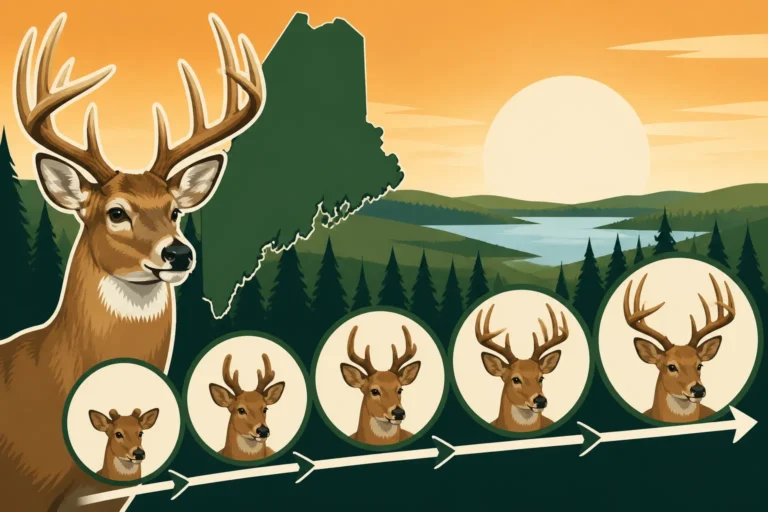
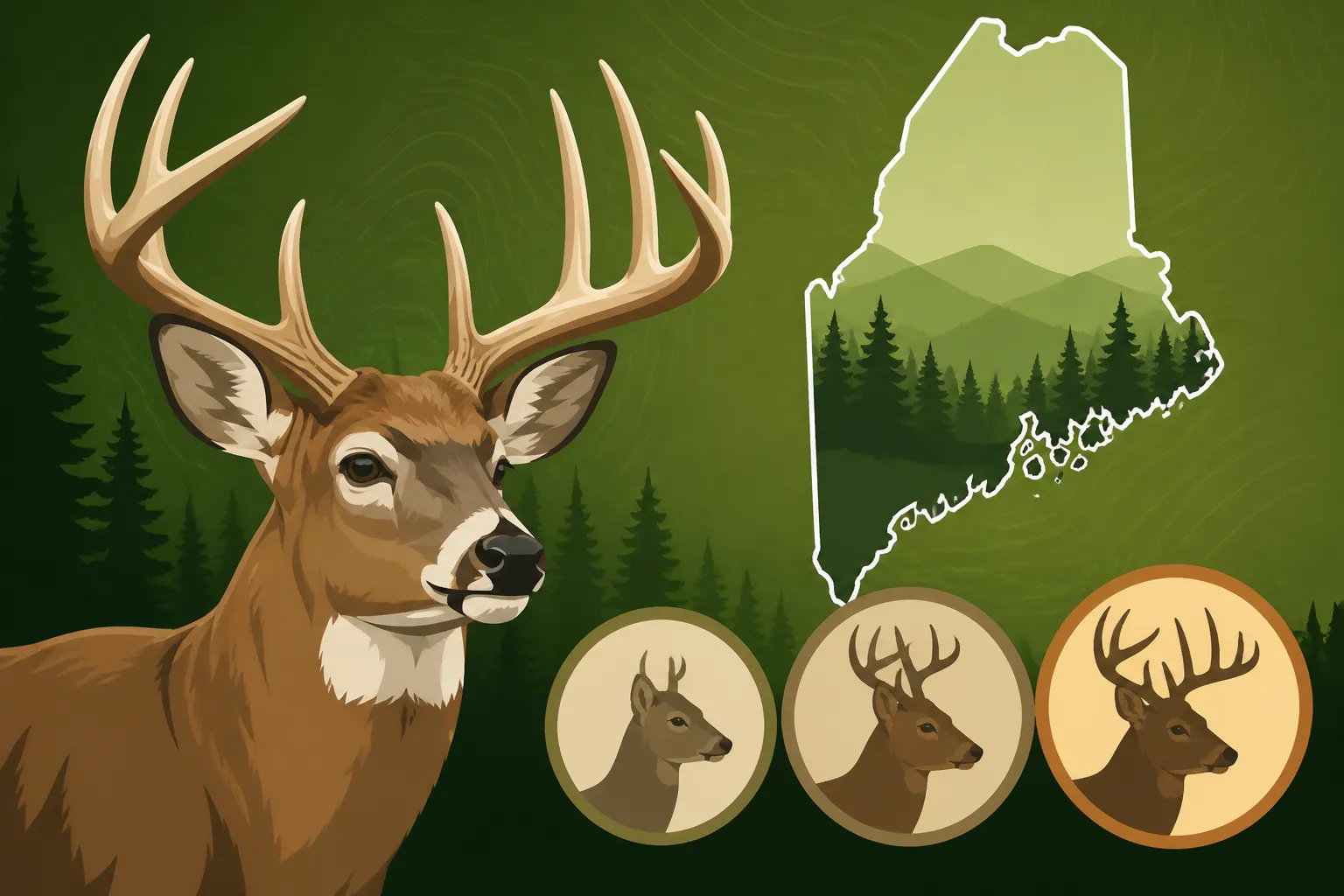
When we talk about "buck age structure," we're not just talking about whether a buck has big antlers. It's a much more nuanced concept that refers to the proportion of bucks within a population belonging to different age classes. Think of it like a pyramid: a healthy, balanced age structure ideally has a broad base of younger bucks (yearlings, 1.5-year-olds), a solid middle of 2.5 to 3.5-year-old bucks, and a respectable peak of truly mature bucks (4.5 years and older). Many hunters find themselves in areas where the pyramid is very steep, with a massive base of young deer and very few making it to the upper age classes. This imbalance is exactly what we aim to understand.
This structure is a critical indicator of a deer herd's health and directly impacts hunting opportunities. A population with a good number of mature bucks offers more potential for harvesting larger deer, but it also reflects a more stable and resilient herd overall. Mature bucks are vital for the breeding process; they contribute stronger genetics and create more competition during the rut, which can lead to more active and visible deer movement. If the age structure is heavily skewed towards younger bucks, it often suggests high hunting pressure or other environmental stressors that prevent bucks from reaching maturity. For the hunter, knowing this can transform how you approach your season, from selecting your hunting zone to refining your in-woods tactics.
Factors Influencing Maine's Buck Age Structure
Maine's vast and varied landscape means that buck age structure isn't uniform across the state. A complex interplay of environmental, biological, and human factors shapes how many bucks reach maturity in any given area. It's a dynamic system, and understanding these influences is key to predicting what you might encounter in the woods.
Hunting Pressure and Hunter Density
This is, without a doubt, one of the most significant factors in Maine. Areas with high hunter density and intense pressure tend to have a younger buck age structure. It's simple: if more hunters are out in the woods, especially during the peak of Maine's Four-Week Firearms Deer Season, more bucks are harvested before they reach older age classes. This is particularly true in easily accessible areas or those close to population centers. Hunters, especially those looking to fill any buck tag, will reduce the number of 1.5 and 2.5-year-olds, making it harder for those deer to mature. Conversely, in more remote regions or areas with limited access, bucks have a better chance of surviving multiple hunting seasons, leading to an older age structure. This is often why folks trek deep into the North Woods, despite the challenges.
Habitat Quality and Nutritional Availability
The quality of the habitat directly correlates with a buck's ability to survive and thrive, impacting its growth rate and lifespan. Areas with abundant, year-round food sources, like agricultural fields, diverse timber stands, and healthy browse, allow bucks to pack on weight and grow impressive antlers at a younger age. These are the places where bucks can truly express their genetic potential. Consider the difference between a buck living in a rich river bottom with plenty of clover and acorns versus one constantly struggling for nutrition in a heavily logged, regenerating clear-cut. Malnourished deer are more susceptible to disease and are less likely to survive harsh winters, thus never reaching older age classes. The presence of crucial Maine Deer Wintering Yards Explained also plays a huge role, providing critical shelter and food during the lean months.
Winter Severity and Survival Rates
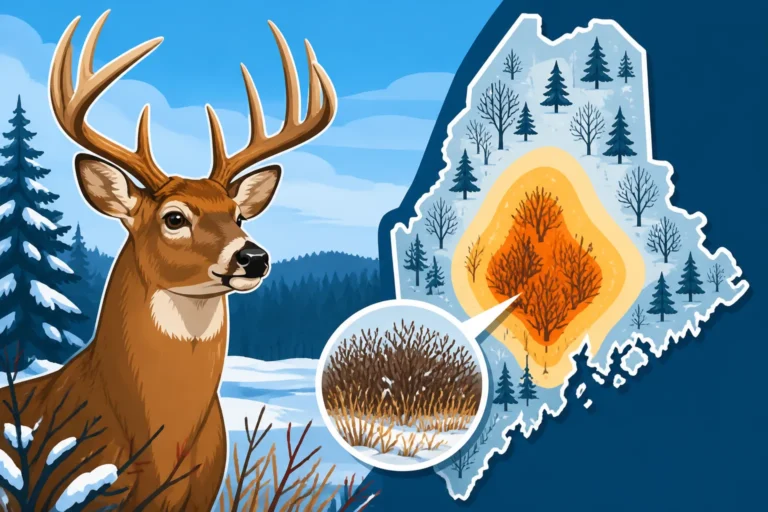
Maine is known for its legendary winters, and these can be brutal on our deer herd. Severe winters, characterized by deep, persistent snow and prolonged periods of extreme cold, have a disproportionate impact on younger deer. Fawns and yearlings are less equipped to handle the metabolic stress of cold temperatures and deep snow, which makes foraging difficult and expends precious energy reserves. This is a major reason why How Deep Snow Affects Maine Deer Survival is such a critical topic for understanding deer populations. If a significant portion of young bucks perishes during a harsh winter, it directly impacts the future age structure, leading to fewer mature animals in subsequent years. A string of mild winters, on the other hand, can allow more bucks to survive, contributing to an older age class in the population.
Predator Presence and Impact
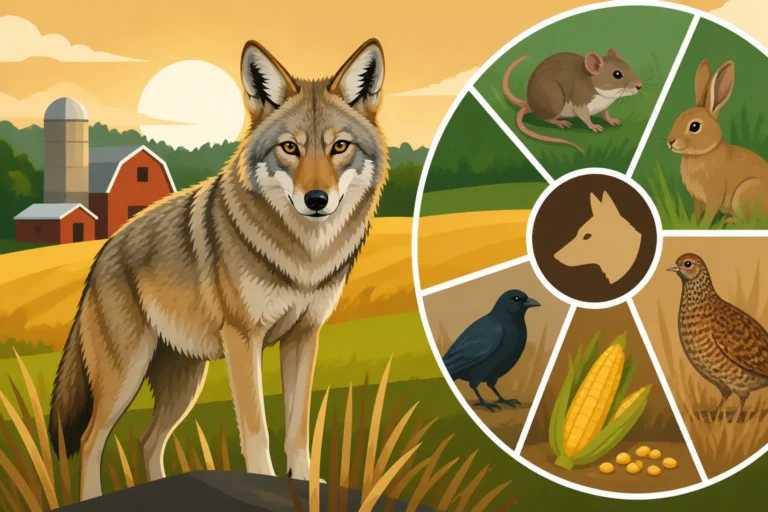
While not always the primary driver in every area, predation can certainly influence the survival rates of fawns and younger deer. Maine has a healthy population of coyotes, and their impact on fawn recruitment cannot be ignored. Maine Predator Impact on Fawn Recruitment means that even before a buck encounters a hunter, it must survive the gauntlet of its first few months of life. If predation pressure is high on fawns and yearlings, fewer bucks will make it to the 1.5 and 2.5-year-old classes, creating a younger overall age structure. This is a natural part of the ecosystem, but it's another piece of the puzzle that shapes the available deer for hunters.
Maine's Antlerless Permit System and Deer Management Goals
The state's deer management strategy, particularly the allocation of antlerless permits (often referred to as "Any-Deer" permits), indirectly affects buck age structure. By managing doe populations, the state aims to keep the herd in balance with the habitat and local conditions. In areas with high deer densities, more antlerless permits might be issued to reduce the overall population. While this directly targets does, it can lead to healthier overall herds, with less competition for resources, allowing surviving bucks to grow better and potentially live longer. Conversely, in areas where deer populations are struggling, fewer or no antlerless permits are issued to allow the herd to rebound. These management decisions, made by the Maine Department of Inland Fisheries and Wildlife (MDIFW), are designed to foster sustainable deer populations, and understanding them is crucial for hunters using tools like GoHunt to research potential hunting zones.
Regional Differences in Maine Buck Age Structure
Maine is a big state, and the characteristics of its deer herd, including the age structure of bucks, can vary dramatically from the agricultural lands of Aroostook to the thick spruce forests of the Downeast coast. Recognizing these regional nuances can help you tailor your expectations and hunting strategies.
Southern Maine: The Land of Opportunity (for Mature Bucks)
Many hunters agree that Southern and Central Maine often hold the highest potential for encountering mature bucks. This isn't just anecdotal; it's supported by factors like generally milder winters, richer soils that produce better forage, and a mosaic of woodlots, agricultural fields, and suburban areas that can provide excellent cover. While hunting pressure exists, it's often more spread out across numerous smaller private parcels, and in some suburban expanded archery zones, firearms pressure is minimal or non-existent. This allows a higher percentage of bucks to survive beyond 2.5 years old, leading to a more balanced, and often older, age structure. This is why you often hear that Why Southern Maine Grows Bigger Bucks isn't just about antler size, but also about the age class of bucks available.
Northern and Western Maine: Deep Woods, Deep Challenges
Head north or into the western mountains, and the picture shifts. The vast expanses of the North Maine Woods and the rugged terrain of Hunting Western Maine Mountain Country present a different set of challenges for deer. While there are certainly some truly enormous, old bucks taken from these regions, the overall buck age structure tends to be younger on average. The reasons are multifaceted:
- Harsh Winters: Deep snow and prolonged cold stress deer in ways not seen in the south.
- Extensive Logging: While clear-cuts create initial browse, they can reduce mature forest cover and increase hunting access over time.
- Hunter Access: Many of these areas are accessed via extensive logging road networks, leading to concentrated hunting pressure along these corridors. Hunters are often willing to put in more effort to reach these remote areas, increasing overall pressure.
In these regions, a 2.5 or 3.5-year-old buck might be considered "mature" by local standards, simply because fewer make it past that age.
Aroostook County Farmland: Feast and Famine
Hunting Aroostook County Farmland presents its own unique situation. The potato and hay fields provide incredible food sources, allowing bucks to put on significant body weight and antler growth. However, these open landscapes can also lead to intense hunting pressure. Deer are often more visible, drawing hunters to field edges, and the agricultural cycle sometimes concentrates deer in remaining cover. While there's potential for impressive deer, the age structure can be skewed younger due to the combined effect of high hunting interest and the relative ease of spotting deer in these open areas. Hunters often report seeing many young bucks and few older ones unless they get into dense, overlooked cover.
Downeast and Coastal Maine: Spruce and Salt Air
Hunting Downeast Coastal Cover offers yet another distinct environment. This region is characterized by thick spruce-fir forests, rocky terrain, and proximity to the ocean. While the overall deer density might be lower than in some southern WMDs, the remoteness of some areas can allow bucks to age. The dense cover often makes deer more difficult to hunt, providing a natural sanctuary. The challenge here isn't necessarily a lack of older bucks, but rather finding them in the incredibly thick habitat. This can lead to pockets of older deer simply because they're harder to find and hunt effectively.
Using Age Structure Knowledge to Improve Your Hunt
Knowing about Maine's buck age structure isn't just an academic exercise; it's a powerful tool that can directly inform your hunting decisions and boost your odds of success. By integrating this knowledge into your scouting and strategy, you can hunt smarter, not just harder.
Targeted WMD Selection and Research
One of the first ways to leverage age structure knowledge is in choosing where to hunt. The Maine Department of Inland Fisheries and Wildlife (MDIFW) publishes detailed harvest reports that can give you insights into the age and sex breakdown of deer taken in different Wildlife Management Districts (WMDs). Tools and resources like GoHunt can further assist you in digging into historical data and understanding WMD-specific trends. If your goal is a truly mature buck, you'll want to focus on WMDs that show a consistent harvest of older age-class bucks, or regions known for Best Maine WMDs for Big Bucks. This might mean venturing into areas you hadn't considered before, or spending more time researching the specific regulations and harvest data for your preferred zones.
Strategic Scouting for Mature Buck Sign
Once you've narrowed down your general hunting area, your scouting efforts should be informed by the buck age structure you expect. Mature bucks leave different kinds of sign than younger ones. Look for larger rubs, typically higher up on larger trees, indicating a more dominant buck. Scrapes will be bigger and more consistently worked. Tracks will be noticeably larger, often broader and deeper than those of a yearling. When you're Scouting Maine Private Land Before Season or even public ground, don't just look for any deer sign; actively seek out the subtle clues that suggest a heavy-bodied, older buck is using the area. Focus on thicker cover, transition areas between feeding and bedding, and benches or saddles where deer might funnel.
Adapting Your Hunting Tactics
Your hunting tactics should align with the age structure of the deer you're pursuing.
- In Areas with Younger Bucks: If you're in an area with a high proportion of young bucks, you might need to be more aggressive. Deer drives with three or four hunters can be effective here, as can still-hunting through thickets. Still-Hunting Aroostook County Farmland often means being very strategic about cover and movement in open landscapes. Younger bucks are often less wary and might respond more readily to calls or movement.
- In Areas with Older Bucks: For genuinely mature bucks, patience and stealth are paramount. These animals have survived multiple hunting seasons by being incredibly cautious. They often move during low-light hours, use the wind flawlessly, and avoid open areas during daylight. Setting up in known travel corridors, bedding area fringes, or understanding When the Maine Rut Peaks and using that to your advantage with rattling and grunting can be highly effective. A mature buck might only offer a fleeting opportunity, so being still, quiet, and ready is crucial. Consider using a quality mapping app like GoHunt to analyze topography and potential ambush points near bedding cover.
Understanding and Managing Expectations
Finally, a realistic understanding of Maine's buck age structure allows you to manage your expectations. Not every WMD or every piece of land is going to produce a record-book buck every year. By knowing the typical age structure of your chosen hunting grounds, you can appreciate the challenge and the accomplishment, whether it's a 2.5-year-old forkhorn in a heavily pressured area or a 4.5-year-old ten-pointer in a remote block of timber. It's about enjoying the hunt, learning from the deer, and making informed decisions that increase your chances of meeting your personal hunting goals, whatever they may be. Knowing the Maine Deer Herd Size in your chosen area can also help temper or raise expectations for the season.
| Region | Typical Buck Age Structure | Key Factors Influencing Age | Strategic Hunting Implications |
|---|---|---|---|
| Southern Maine (Coastal/Central) | More balanced, good potential for 3.5+ year olds | Milder winters, richer soils, diverse habitat, diffused pressure | Focus on patience, detailed scouting, targeting known travel routes. Hunt edges and smaller woodlots. |
| Central Maine (Mixed Habitat) | Mixed, often good numbers of 2.5-year-olds | Moderate pressure, good mix of agriculture/timber, varied winter severity | Balance active scouting with patient stand hunting. Look for overlooked pockets of cover. |
| Northern Maine (Deep Woods) | Skewed younger, often 1.5-2.5 years old | Harsh winters, extensive logging, high overall hunter access | Be prepared to cover ground, use logging roads wisely, or seek truly remote, unpressured areas. |
| Aroostook Farmland | Younger, many 1.5-2.5 year olds due to pressure | Excellent food sources, but high hunting pressure, open landscapes | Focus on dense cover, unpressured woodlots adjacent to fields, and strategic entry/exit routes. |
| Western Mountains (Rugged) | Mixed, with pockets of older bucks in remote areas | Challenging terrain, variable winters, more difficult access in some spots | Hunt smart, use topography to your advantage, and be willing to hike into tougher country. |
Disclaimer
This article is for general informational purposes only and does not constitute professional advice. Laws, prices and regulations vary by location and change over time. Consult a qualified professional for guidance on your specific situation.