Maine’s Closest CWD Detection to Its Border
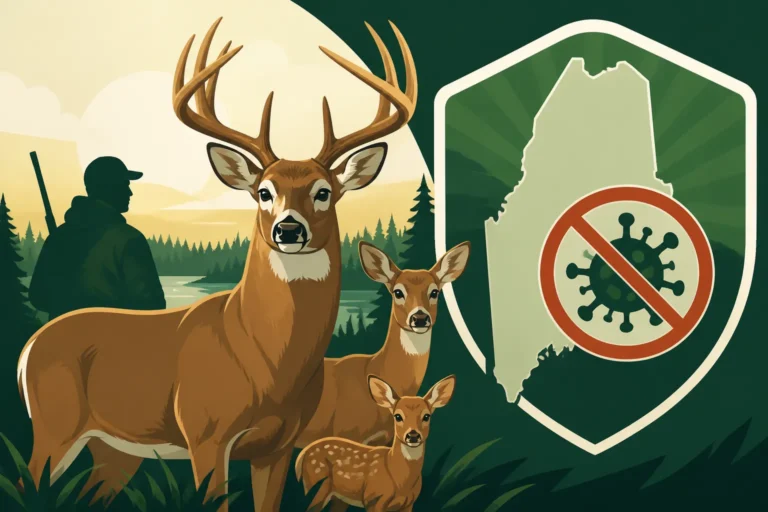
When you're out in the Maine woods, whether it's the vast North or a cozy woodlot down south, there's always a quiet concern among hunters about the health of our deer and moose populations. One of the biggest anxieties revolves around Chronic Wasting Disease (CWD), a serious threat that has unfortunately crept closer to our state's borders. This guide aims to shed light on where CWD has been detected closest to Maine, what that means for us, and the critical steps everyone can take to keep our cherished cervids safe.
Understanding the Threat of Chronic Wasting Disease
Let's start by getting a clear picture of what CWD actually is, because understanding the enemy is the first step in defending against it. Chronic Wasting Disease is a neurological disease that affects cervids – that's deer, elk, moose, and caribou. It's caused by abnormal proteins called prions, which slowly damage the brain and nervous system of infected animals. Think of it like a slow-moving, insidious force that gradually takes over.
What CWD Does to Animals
The term "wasting disease" isn't just a catchy name; it describes the devastating effects on an infected animal. Over time, deer or moose infected with CWD will exhibit a range of symptoms that are truly heartbreaking to witness. They'll become emaciated, hence the "wasting" part, and their behavior will often change drastically. You might see them stumbling, displaying a lack of coordination, drooling excessively, showing an insatiable thirst, or having a noticeable change in their gait. Their heads might hang low, and they can lose their natural fear of humans. It's a slow, progressive decline that ultimately leads to death. There is currently no vaccine and no cure for CWD. This is why vigilance is so crucial.
How CWD Spreads and Persists
One of the most concerning aspects of CWD is how easily it can spread and how incredibly persistent the prions are in the environment. Infected animals shed prions through their saliva, urine, and feces. These prions can then contaminate soil, plants, and even other water sources. What makes CWD particularly difficult to combat is that these prions can remain infectious in the environment for years, even decades. A deer can pick up the prions from the environment, other deer can pick them up by contacting the bodily fluids of an infected animal, or by eating contaminated forage. It’s not just direct animal-to-animal contact; it’s an environmental contaminant that truly complicates management efforts. The disease is also spread when hunters transport infected carcasses across state lines, which is why carcass import regulations are so strict. You can learn more about Maine's Chronic Wasting Disease Monitoring efforts.
CWD's Proximity: What's Near Maine's Border?
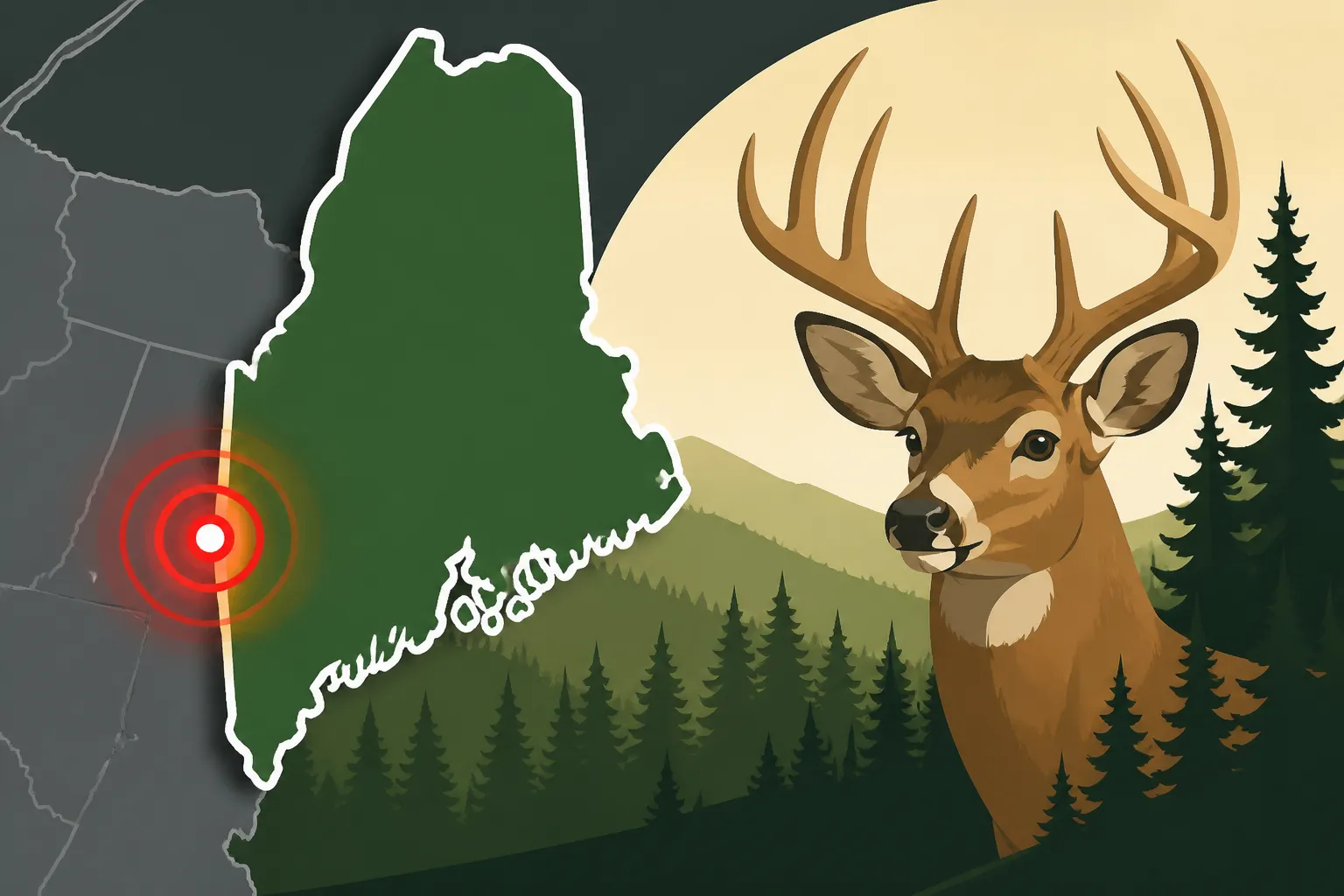
The threat of CWD isn't just a distant concern; it's something that we in Maine must be constantly aware of due to its presence in neighboring regions. While Maine has proudly maintained its CWD-free status, the disease has been detected in areas relatively close to our borders. This proximity necessitates a proactive and educated approach from all hunters and outdoor enthusiasts.
Detections in Neighboring States and Provinces
Historically, the closest confirmed detections of CWD to Maine have been in states to our south and west, specifically New York and Pennsylvania. While these aren't directly adjacent to Maine, the disease has slowly spread within those states, and the movement of deer (or deer products) is always a potential vector. Furthermore, Canadian provinces bordering Maine, like New Brunswick and Quebec, have also had their own CWD monitoring programs. While New Brunswick and Quebec have largely remained CWD-free, or have successfully contained isolated instances, the constant movement of wildlife across international borders means we can never let our guard down.
The important takeaway here is not to panic, but to understand that the disease is circulating in cervid populations not terribly far from us. Imagine a hunter from Pennsylvania taking a trophy buck and wanting to process it back home after a trip. If that animal was infected, and certain precautions weren't followed, it creates a potential pathway for the prions to travel. This is why knowing Maine's CWD-Free Status Explained is so important, and why we want to keep it that way.
The Role of Human Movement and Transportation
It's not just wildlife migration that poses a risk; human activity plays a significant, if often unintentional, role in CWD's potential spread. The transportation of cervid carcasses, parts, or even certain hunting lures from CWD-positive areas into Maine is a major concern.
Consider this scenario: a hunter travels to a state with CWD, harvests a deer, and then brings the entire carcass back to Maine for processing or taxidermy. If that animal was infected, and specific brain and spinal cord tissues (which contain high concentrations of prions) are not properly handled or disposed of, those prions could enter Maine's environment. This is why Maine has very clear regulations about importing cervid carcasses and parts. Generally, only deboned meat, antlers (without skull plate), hides (without head), and cleaned skull plates are allowed from CWD-positive states or provinces. This might seem like a hassle when you're thinking about a memorable hunt, but it's a small price to pay for protecting our state's wild cervid populations. Always check the most current regulations before traveling or bringing anything back into Maine.
Maine's Vigilant Stand: Prevention and Monitoring Efforts
Maine's Department of Inland Fisheries and Wildlife (MDIFW) has been incredibly proactive and unwavering in its commitment to keeping CWD out of our state. This isn't just about luck; it's about a dedicated, multi-faceted approach to surveillance, education, and strict regulations. They understand that the health of our deer and moose populations is paramount, not just for hunting, but for the ecological balance of our state.
Robust Surveillance and Testing Programs
One of the cornerstones of Maine's defense against CWD is its robust surveillance program. Every year, MDIFW collects thousands of samples from harvested deer and moose across the state. These samples, typically lymph nodes or brain tissue, are then tested for the presence of CWD prions. This isn't a random effort; it's a strategically designed program to monitor cervid populations, especially in areas near the border or those with high deer densities. Hunters play a crucial role in this process by allowing their harvested animals to be sampled.
When you bring your deer or moose to a registration station, you might be asked to provide a sample. This seemingly small act is a huge contribution to the state's overall monitoring efforts. You can often find information on CWD testing stations or drop-off points on the MDIFW website, and many digital hunting platforms like GoHunt can also integrate this information into their maps, helping you locate testing sites quickly. This ongoing vigilance allows Maine to quickly detect any potential incursion and respond rapidly, which is critical for containment. This is also part of our larger Maine Wildlife Disease Monitoring Program.
Strict Carcass and Importation Regulations
To directly address the risk posed by human transportation, Maine has implemented stringent regulations regarding the importation of cervid carcasses and parts from other states or provinces. These rules are non-negotiable and are designed to prevent prions from crossing our borders.
Here's a general overview of what these regulations typically involve, though you should always check the latest MDIFW guidelines before any out-of-state hunt:
| Allowable Imports from CWD-Positive Jurisdictions | Not Allowed from CWD-Positive Jurisdictions |
|---|---|
| Deboned meat | Whole carcass |
| Antlers (without skull plate attached) | Any part of the head (except cleaned skull) |
| Cleaned skull plates (no brain or tissue) | Brain tissue |
| Hides (without head attached) | Spinal cord |
| Teeth | Unprocessed cervid parts with nervous tissue |
| Finished taxidermy products | Any cervid urine-based lures |
These rules aim to prevent the highest-risk tissues (brain and spinal cord) from entering Maine. The use of deer urine-based lures is also typically restricted from CWD-positive areas because of the potential for prion contamination. If you're planning an out-of-state hunt, make sure you're fully aware of these rules. Many hunters use apps like GoHunt to stay on top of regulations, as they often update their databases to reflect changes in state wildlife laws.
What Hunters Can Do: Protecting Maine's Deer and Moose
As hunters, we are the front line of defense for Maine's wildlife. Our actions, awareness, and cooperation are absolutely essential in preventing CWD from taking hold here. We all want to see healthy deer herds and robust moose populations for generations to come, and that means being responsible stewards of the resource.
Be Observant and Report Suspicious Animals
One of the most important things you can do is to be observant while you're in the field. You're spending more time in the woods than most, and your eyes are invaluable. If you ever see a deer or moose exhibiting symptoms consistent with CWD – the staggering, extreme emaciation, excessive drooling, or unusual behavior – do not approach it. Instead, immediately report your sighting to MDIFW.
Take note of the exact location, the time, and a detailed description of the animal and its behavior. A photograph or video, taken from a safe distance, can also be incredibly helpful. Your report allows wildlife biologists to investigate and potentially collect samples for testing, which could be the earliest warning sign if CWD ever did arrive in Maine. Every pair of eyes in the woods helps protect White-Tailed Deer Across Maine and Moose in Maine's North Woods.
Adhere to Importation and Carcass Disposal Rules
This cannot be stressed enough: follow all regulations regarding the importation of cervid carcasses and parts. If you hunt out of state, know the rules of both the state you're hunting in and Maine's rules for bringing anything back. Don't take chances. Properly dispose of any high-risk carcass parts from out-of-state harvests. This usually means leaving them behind in the state where the animal was harvested, or properly disposing of them in a designated landfill if allowed. Never dispose of carcass parts by leaving them in the woods in Maine if they came from an out-of-state hunt. For those hunting within Maine, remember that proper field dressing and responsible disposal of remains (such as burying them or taking them to a landfill) also contributes to overall wildlife health, though the CWD risk is currently contained to specific tissues for out-of-state animals. When field dressing in the woods, consider how you might manage remains. You can find more information on Field Dressing a Deer in Cold Weather.
Stay Informed and Support MDIFW Initiatives
The world of wildlife management is constantly evolving, and so are the strategies for combating diseases like CWD. It's up to us, as hunters, to stay informed. Regularly check the MDIFW website for updates on CWD, changes in regulations, and new testing initiatives. Attend local sportsman's club meetings or online webinars where these topics might be discussed. Your participation in voluntary CWD testing when asked at registration stations is also a direct way to support these critical efforts.
Understanding where Maine's Deer Herd Size stands and how it's monitored helps reinforce the importance of these actions. Many online resources, including hunting apps like GoHunt, provide valuable tools for understanding hunting zones, regulations, and even locating deer registration stations where CWD samples might be collected. By utilizing these resources and staying connected with MDIFW, you become an active partner in safeguarding Maine’s cherished wildlife. Your efforts, combined with the state's vigilant monitoring, are our best hope for ensuring Maine remains a CWD-free haven for generations of hunters and wildlife enthusiasts.
Disclaimer
This article is for general informational purposes only and does not constitute professional advice. Laws, prices and regulations vary by location and change over time. Consult a qualified professional for guidance on your specific situation.